Amsterdam
News

Discovering Jacob Buyck's Legacy and Dutch Revolt Artifacts at Ons’ Lieve Heer op Solder

News from Ons’ Lieve Heer op Solder

Ons’ Lieve Heer op Solder has joined the Canon van Nederland network, highlighting its role in Dutch history. The museum's collection team recently uncovered significant artifacts from the Dutch Revolt era, including the memorial tablet of Jacob Buyck, the last Catholic pastor of the Oude Kerk, and a rare ablution chalice. These pieces offer unique insights into the challenging religious landscape of 16th-century Amsterdam.

HistoryCollectionDutch RevoltReligious HistoryArtifacts
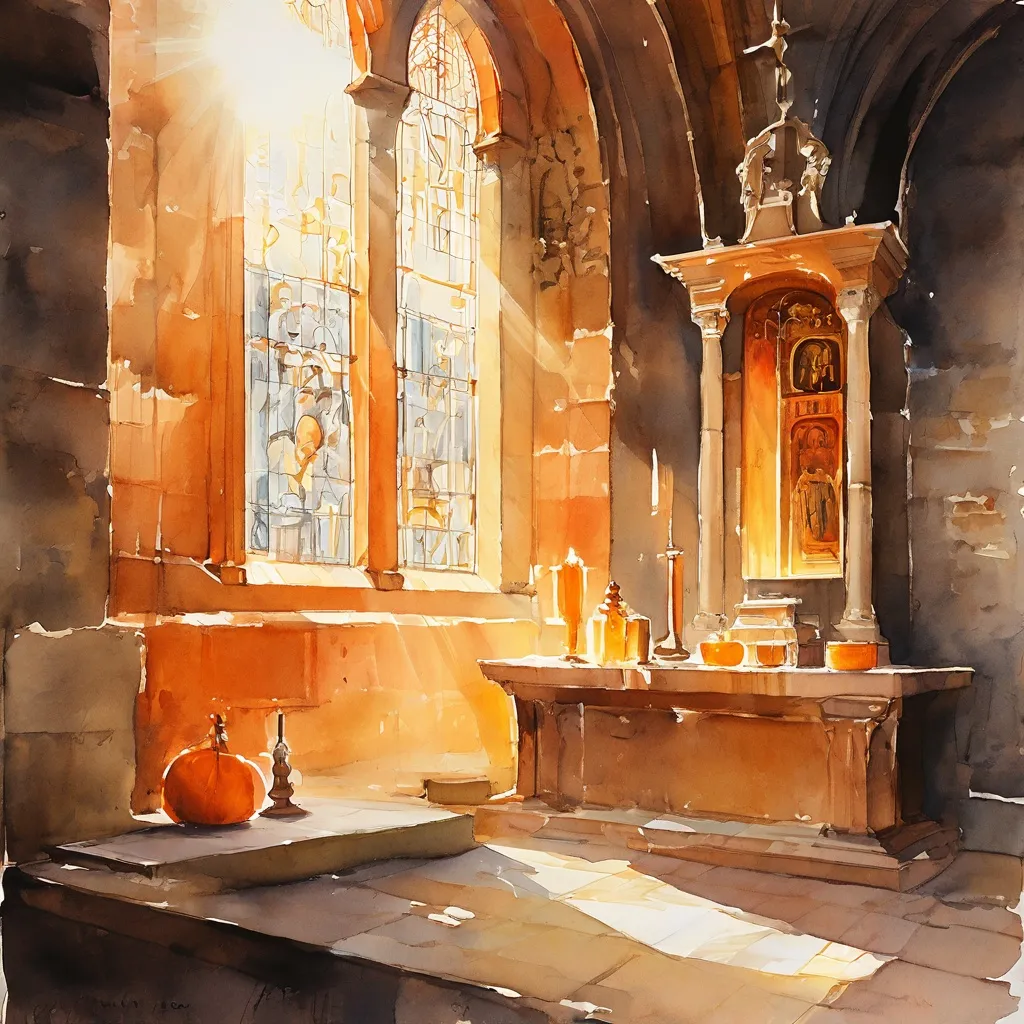
A historic interior of Ons’ Lieve Heer op Solder, featuring an old memorial tablet and a glass chalice, symbolizing religious history and the Dutch Revolt era.

Ons’ Lieve Heer op Solder Spotlights Amsterdam's Religious Past with Key Artifacts from The Revolt

Ons’ Lieve Heer op Solder, the notable canal house museum in Amsterdam revealing a hidden church in its attic, is bringing forth compelling stories from Dutch history. Having recently joined the Canon van Nederland network on October 12, 2022, the museum is spotlighting its role in 'De Opstand' (The Revolt) – a pivotal period in the country's past. Visitors can now delve deeper into this era through newly emphasized objects from the museum's collection: the memorial tablet of Jacob Buyck and a rare glass ablution chalice.

Amsterdam's Alteration: The Story of Pastor Jacob Buyck

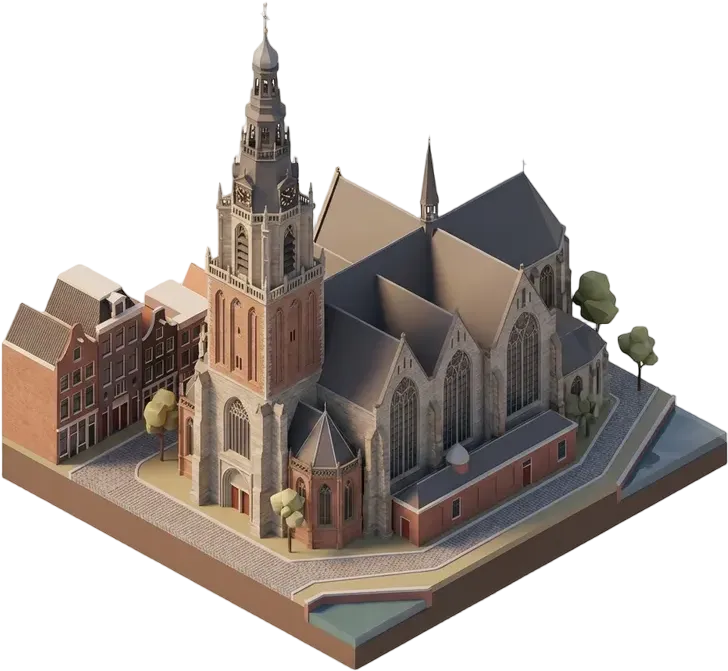
In the spring of 1578, a dramatic shift occurred in Amsterdam. The Catholic city administration was overthrown by rebels aligned with William of Orange, leading to a new Calvinist leadership. This "Alteration" mandated that all Catholic churches and monasteries be cleared for Protestant worship. This fate befell the St. Nicolaas or Oude Kerk, where Jacob Buyck had served as pastor since 1573.

Faced with a choice between converting to Calvinism or submitting to the new authorities, Pastor Buyck, hailing from an influential Catholic family loyal to the Spanish king, chose exile. He found refuge in the St. Aldegondiskerk in Emmerich, Germany, continuing his service as a canon.

The Jacob Buyck Memorial Tablet: A Testament to Faith

During his lifetime, Jacob Buyck commissioned a memorial tablet, intended to mark his grave. Though he ultimately died of the plague and was buried outside the city in 1599, the tablet endures. Its inscription recounts his life as a pastor in Amsterdam's Oude Kerk until 1578, and subsequently in Emmerich.

This wooden memorial plaque, a common form of remembrance, depicts Pastor Buyck kneeling with a prayer book, symbolizing his unwavering faith. The tablet was acquired in 1886 by the museum’s founders, Bernard Klӧnne and Bernard J.M. de Bont. They believed that the hidden church of Ons’ Lieve Heer op Solder was a direct successor to the St. Nicolaas Church, making Buyck’s memorial a vital addition to the collection. De Bont also regarded the portrait as significant, representing a courageous individual who remained true to his beliefs.

An Ancient Chalice: A Rare 'Eyewitness' to Religious Change

Not long after acquiring the memorial tablet, the museum received a donation of an ablution chalice from the Oude Kerk. This simple glass chalice with a silver foot is considered one of the most remarkable pieces in the collection. An ablution chalice was historically used in Catholic liturgy for believers to rinse their mouths with ordinary wine after receiving communion – a practice no longer common today.

This chalice stands as a unique 'eyewitness' to Amsterdam's turbulent period. Its survival is particularly noteworthy, as many Catholic liturgical objects were melted down, destroyed, or lost during the Revolt. Three historical writings accompanying the chal confirm its origin from the Oude Kerk, stating its use in "Catholic times" for ablution during communion.

Dating between 1550 and 1575, it is highly probable that Jacob Buyck, the last Catholic pastor of the Oude Kerk, used this very chalice. Thanks to the efforts of Catholic believers, the chalice was preserved through various custodians before eventually being passed to the last pastor of Ons’ Lieve Heer op Solder's hidden church, who then donated it to the museum's founders.

These artifacts offer a unique window into Amsterdam's religious history and the profound impact of the 16th-century Revolt. Visitors to Ons’ Lieve Heer op Solder can experience these stories firsthand, gaining a deeper appreciation for the resilience and shifts in faith that shaped the city. To explore more about this extraordinary museum or discover other cultural gems, visit Musemap (musemap.art) and browse museums or view them on the map.

Related museum topics and stories from Ons’ Lieve Heer op Solder in Amsterdam
Explore connected topics from this article
Use topics from "Discovering Jacob Buyck's Legacy and Dutch Revolt Artifacts at Ons’ Lieve Heer op Solder" to discover related museum stories, film programs, and cultural events connected to Ons’ Lieve Heer op Solder in Amsterdam.
Ons Lieve Heer op Solder Dutch RevoltMuseum Amstelkring collectionJacob Buyck memorial tabletablution chalice Amsterdamhidden church history AmsterdamDutch religious history museumOns Lieve Heer op Solder historyDutch Revolt artifactsAmsterdam hidden church artifactsCanon van Nederland Ons Lieve Heer op Solder
Related visitor FAQ for this news article
Helpful answers connected to this news topic
Browse quick visitor questions shown for this article, then open the full Ons’ Lieve Heer op Solder FAQ page in Amsterdam to explore broader planning information.

What is the main theme of this news from Ons’ Lieve Heer op Solder?

The news highlights the museum's new role in the Canon van Nederland network and features collection items related to the Dutch Revolt and religious changes in Amsterdam.

Which historical figures and artifacts are mentioned?

The article focuses on Jacob Buyck, the last Catholic pastor of the Oude Kerk, and two significant artifacts: his memorial tablet and an ablution chalice.

What is the significance of the memorial tablet of Jacob Buyck?

It commemorates Jacob Buyck, who was forced into exile after the Alteration of Amsterdam in 1578, and is one of the museum's earliest acquisitions, linking it to the Oude Kerk.

What is an ablution chalice and why is it important?

An ablution chalice was used in 17th-century Catholic liturgy for rinsing the mouth after communion. This specific chalice is unique because it survived the iconoclasm of the Dutch Revolt, offering a tangible link to that era.

How does this collection relate to the Dutch Revolt?

Both the memorial tablet and the chalice provide direct insights into the impact of the Dutch Revolt on religious life and the transition from Catholicism to Protestantism in Amsterdam.

Is Ons’ Lieve Heer op Solder part of the Canon van Nederland?

Yes, Ons’ Lieve Heer op Solder officially joined the Canon van Nederland network on October 12, 2022, contributing its story to Dutch history.

About Ons’ Lieve Heer op Solder in Amsterdam

Ons’ Lieve Heer op Solder Overview

Amsterdam's Secret Attic Church

HistoryArchitectureLocal heritage

This overview of Ons’ Lieve Heer op Solder (Museum Amstelkring) provides key insights into one of Amsterdam's most fascinating cultural sites. Use Musemap to plan your visit and explore other historic canal houses or unique museums in the city. Discover more hidden gems and cultural experiences around Amsterdam.

Open full Ons’ Lieve Heer op Solder museum overview
Amsterdam

Find Museums in Amsterdam: Explore Diverse Cultural Attractions by Interest

Discover unique art, history, and science museums in the city.

Navigate Amsterdam's extensive cultural offerings to find the perfect museum for your next visit. Explore different themes and historical periods to enrich your understanding of art and heritage. Locate institutions that spark your curiosity and delve into their unique exhibits.

Explore Ons’ Lieve Heer op Solder with Amsterdam
Guides, visitor info, and museum details in Amsterdam
Find everything about Ons’ Lieve Heer op Solder in one place, including tickets, opening hours, current exhibitions, location details, visitor tips, nearby attractions, and the latest museum updates. Use these pages to plan your visit, discover what to see, and get practical information before you go.
Discover nearby museums similar to Ons’ Lieve Heer op Solder in Amsterdam and plan your next cultural stop with confidence.
These recommendations prioritize real proximity to Ons’ Lieve Heer op Solder and help you find high-fit alternatives faster across Amsterdam.
Use this curated list to compare museums near Ons’ Lieve Heer op Solder without opening multiple search pages. Each card gives you fast visual context and direct access to key details so you can decide quickly. If you are building a full day in Amsterdam, this section helps you chain nearby visits with less planning effort.