
Uncovering Hidden Histories: Recent Restorations at Ons’ Lieve Heer op Solder in Amsterdam
Ons’ Lieve Heer op Solder (Museum Amstelkring), one of Amsterdam's most unique canal house museums, recently unveiled fascinating discoveries made during its renovation and expansion. These insights, brought to light through meticulous restoration work, offer visitors a deeper understanding of the museum's treasured collection and the historical context it represents. The project focused on two significant artworks: a pair of putti figures and a statue of the Virgin Mary.
Restored Artworks Bring New Insights for Visitors
The conservation efforts have not only preserved these historical pieces but also revealed new details about their original intent and placement. For those exploring the museum, these restored artworks provide a fresh perspective on the hidden church's religious life and the artistry of past centuries.
The Rediscovery of the Putti Figures
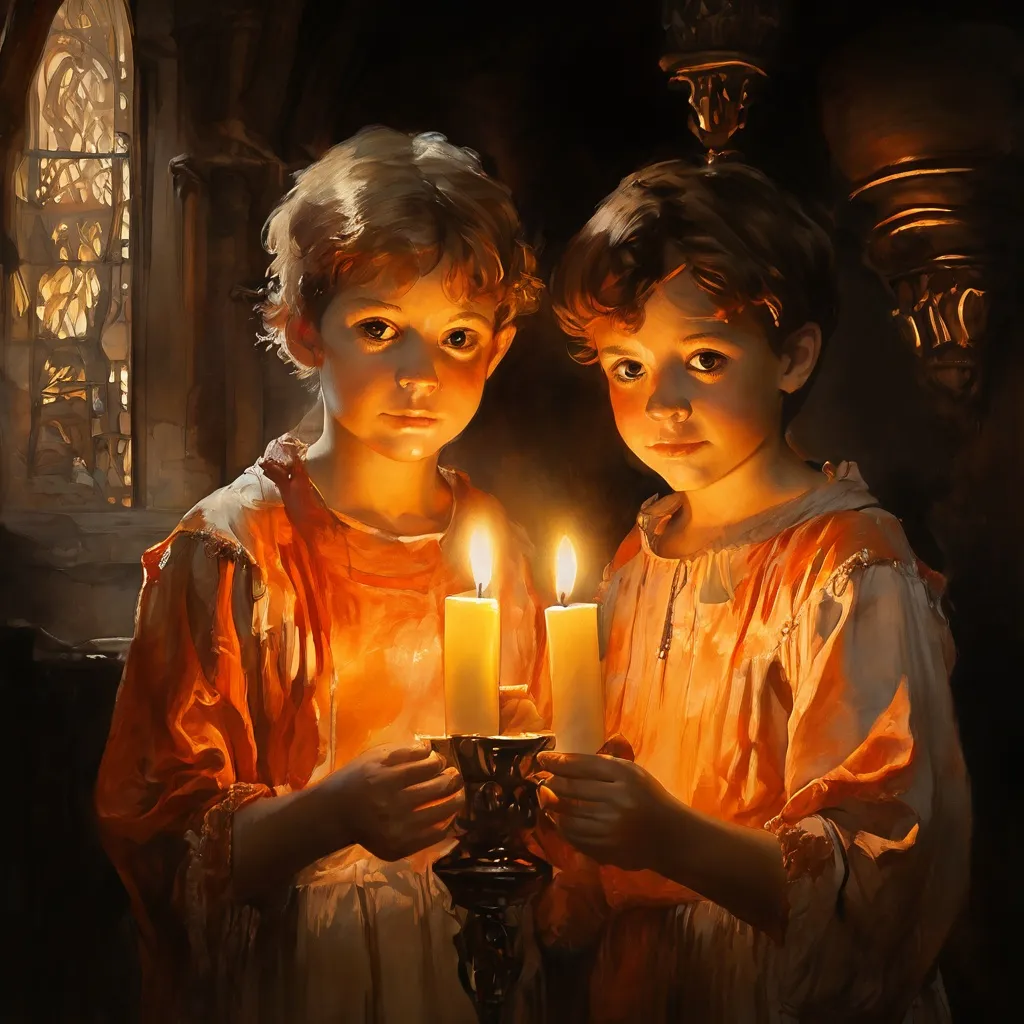
For many years, two putti figures, cherubic mythological boys, graced a side wall of the attic church. During their removal for restoration, conservator Robert Schillemans and his team made a crucial discovery: the unique hollows in their pedestals perfectly matched the bases of the main altar's columns. This indicated their original position was on either side of the high altar, aligning them with similar figures in Jacob de Wit's prominent altarpiece.
Further analysis revealed that these beautifully crafted putti were actually candelabras, a rare feature for such figures in churches. While putti originate from Greek and Roman mythology before being adopted into Christian art during the Renaissance, their function as light-bearers here is particularly distinctive. The figures, dating from the mid-18th century, had suffered from numerous repaintings, leading to a cluttered appearance and loss of detail. Thanks to the expert restoration by Aleth Lorne, the putti have been returned to their intended appearance and their rightful place by the altar, where they can now be appreciated for their original charm.
The Enduring Beauty of the Mary Statue
The statue of Mary with Child on a crescent moon, dating from the late 17th century, also underwent significant restoration. Its imagery is rich with symbolism: the crescent moon references the dogma of the Immaculate Conception, while the serpent crushed under Mary's foot represents heresy.
The primary goal of the statue's restoration was to restore its "readability," as described by Robert Schillemans. Previous damage and deterioration, particularly around Mary's feet where the serpent was barely visible, obscured the details. The restoration, also carried out by Aleth Lorne and supported by the Friends of the museum, has revitalized the statue, allowing visitors to once again discern the tender features of the mother and child. Curiously, an 18th-century text suggests the statue was once visible from the back of the church, a detail that remains a puzzle to conservators today, proving that restorations can uncover new questions alongside answers.
These comprehensive restoration projects at Ons’ Lieve Heer op Solder deepen our appreciation for the art and history housed within this extraordinary Amsterdam landmark. To plan your visit and explore more of Amsterdam's cultural offerings, Musemap (musemap.art) provides detailed insights into various attractions. Discover more unique spots by browsing museums in Amsterdam or locating them on our interactive map.