Historic Benches Return to Oude Kerk in Amsterdam
Visitors to the Oude Kerk in Amsterdam can now experience a richer historical context within its medieval walls. From July 3, 2023, two significant historical seating arrangements, the Regentenbank (Regents' Bench) and Wijkmeestersbank (Wardens' Bench), have been reinstalled in the church's nave after undergoing a period of maintenance and restoration. Their return offers a tangible connection to the city's intricate social and religious past.
A Glimpse into Amsterdam's Social History
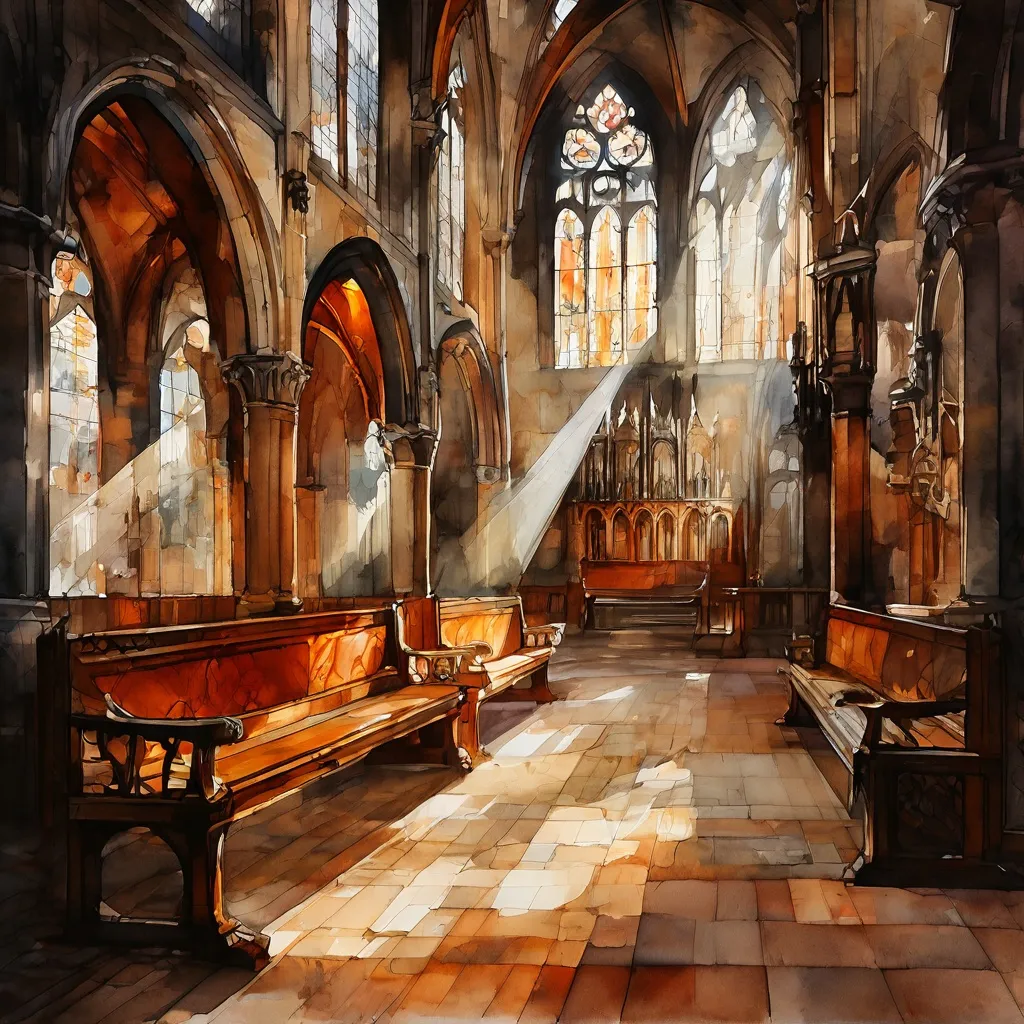
The history of seating in the Oude Kerk tells a story of evolving religious practices and societal hierarchy. In the church's early Catholic centuries, congregants typically stood together. Following the Reformation, benches and chairs were introduced, their configurations changing to meet new needs. Over centuries, many benches were moved, or brought in from other churches, reflecting the dynamic nature of the interior.
Paintings by Emanuel de Witte (circa 1617-1692) from the mid-17th century confirm a constantly shifting arrangement of individual benches in both the nave and side aisles. These seating arrangements mirrored Amsterdam's detailed urban hierarchy, with specific places designated for various groups, including military personnel, admiralty members, mayors, aldermen, and church wardens. Each group held its privilege and specific spot. However, after 1795, the ideals of liberty, equality, and fraternity led to the removal of many of these predefined seating areas.
The Story of the Regentenbank and Wijkmeestersbank
The Wijkmeestersbank, mentioned in historical accounts of the Oude Kerk's restoration, likely expanded from a smaller size in the 17th century to seven benches, later reduced to its current six rows after 1925. Originally, these benches featured horsehide seats filled with straw, though these specific coverings were not part of the recent restoration.
The Regentenbank, once reserved for Amsterdam's administrative elite, features seven parallel rows of seats arranged in a theater-like ascent. This block includes front, intermediate, and rear partitions, with a canopy forming the top of the backrest. The current backrest and canopy were likely replaced in the 19th century. This bench was expanded twice to accommodate 42 seats.
While the exact construction dates of these benches remain unclear, evidence suggests the Wijkmeestersbank was enlarged between 1725 and 1907. Structural details on both the Regentenbank and Wijkmeestersbank indicate that their backrests and canopies were added separately at a later stage. From slender 17th-century designs, the benches evolved into more enclosed versions in the 18th century.
These reinstalled benches are now positioned in the nave, in front of the historic Vater-Müller organ. Their arrangement has historically been fluid, even being completely removed in 1795. Their return allows visitors to better appreciate the Oude Kerk not just as a cultural venue, but as a living document of Amsterdam's past.
To explore more of Amsterdam's rich cultural heritage, consider browsing other museums in Amsterdam or discovering various cultural spots on the map with Musemap (musemap.art).