Opening Soon: The Black Archives to Showcase Black History in Amsterdam
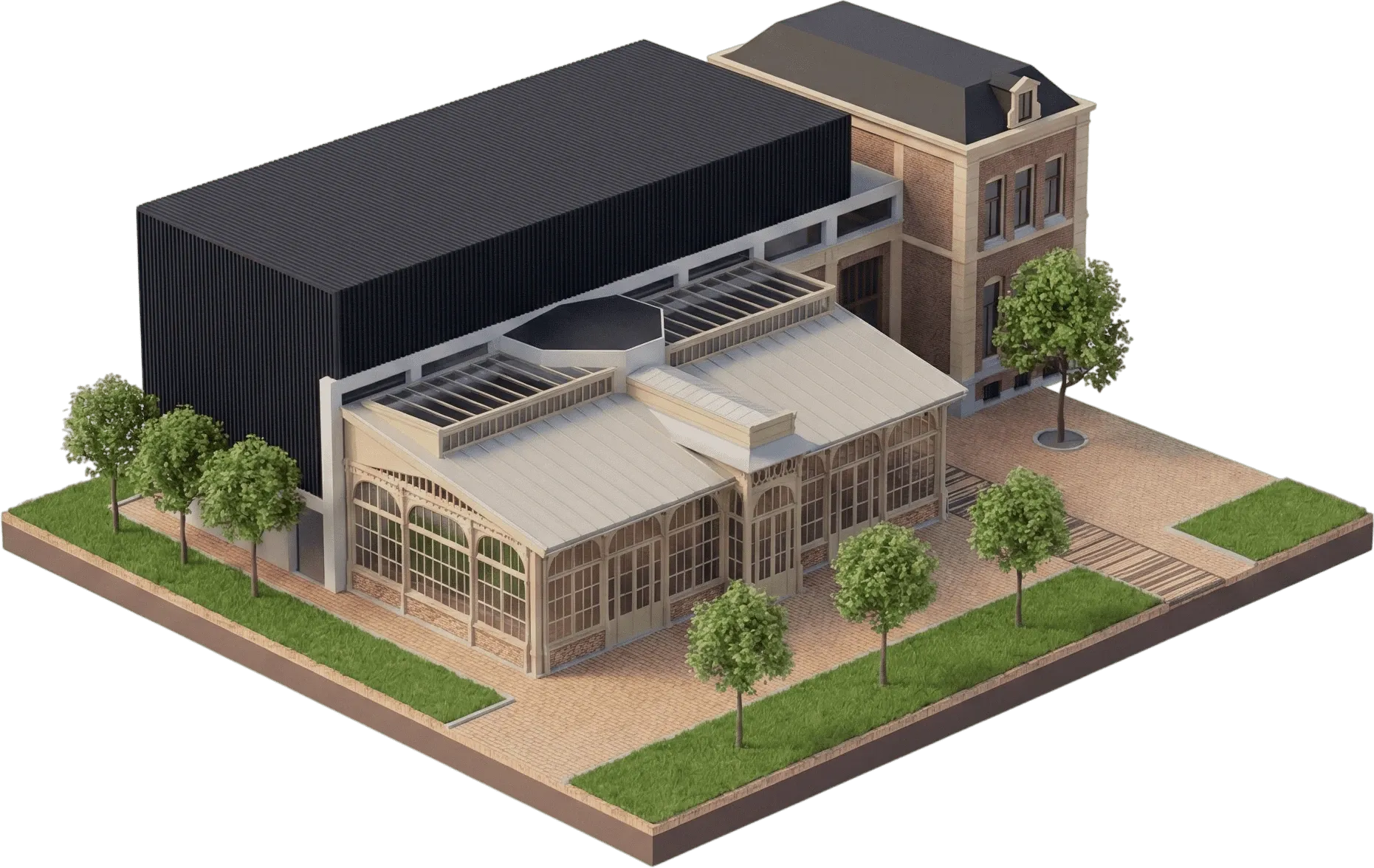
In late 2016, a significant cultural initiative was taking shape on the Zeeburgerdijk in Amsterdam. Located in the Hugo Olijfveldhuis, The Black Archives was preparing to open its doors within an estimated three months. This emerging institution aimed to provide a comprehensive library focused on Black authors and critical perspectives on colonial history, slavery, racism, and emancipation in the Netherlands.
The project was spearheaded by Mitchell Esajas, Maurice San A Yong, and Jessica de Abreu, three young professionals with Surinamese roots who had studied anthropology and history at Vrije Universiteit (VU) in Amsterdam. Their shared experiences and academic backgrounds fueled their drive to establish a space dedicated to these often-overlooked narratives.
The core mission of The Black Archives is to address gaps in public knowledge about the colonial past. Its collection, built upon 2,000 books bequeathed by sociologist Waldo Heilbron and the personal archives of Otto Huiswoud—a Surinamese figure who became active in the communist movement in early 20th-century New York—features many titles not typically found in university libraries. These resources shed light on a long tradition of Black resistance and scholarship.
Addressing Cultural Gaps and Decolonizing Knowledge in Amsterdam
The inspiration for The Black Archives emerged partly from a movement to "decolonize the university" that began at Vrije Universiteit several years prior to the archive's planned opening. Founders like Esajas noted that despite a diverse student body, the staff and curriculum did not fully reflect Dutch society. Through their collective New Urban Collective, they organized debates challenging eurocentrism in academia and promoting alternative historical viewpoints.
The decision to create the archives also stemmed from broader societal discussions and events in the Netherlands, including a report by the Children's Ombudsman on Zwarte Piet (Black Pete) and debates surrounding national identity and the country's colonial legacy. These discussions highlighted a perceived gap between stated intentions and actual experiences regarding integration and cultural representation for non-white Dutch citizens.
The founders observed a disparity in how certain historical perspectives were recognized and discussed in mainstream media and academia. They expressed a desire to create a platform that would not wait for established institutions to "decolonize," but rather proactively offer different voices and historical interpretations. Mitchell Esajas specifically referenced Life and Lessons by Marcus Garvey, highlighting the importance of intelligence, education, and universal knowledge as guiding principles for the archives. This article from NRC provides more context on the motivations behind the project: Hoe dekoloniseer je de bibliotheek?.
The establishment of The Black Archives represents a significant step in documenting and sharing overlooked aspects of Black history and the lasting impact of colonialism in the Netherlands. It offers a vital resource for both scholars and the general public seeking a deeper understanding of these complex topics.
To discover more cultural spots and museums in Amsterdam that celebrate diverse histories, explore Musemap (musemap.art). You can browse other museums in the city or use our map view to find nearby cultural experiences.