The Black Archives: Uncovering Black History in Amsterdam
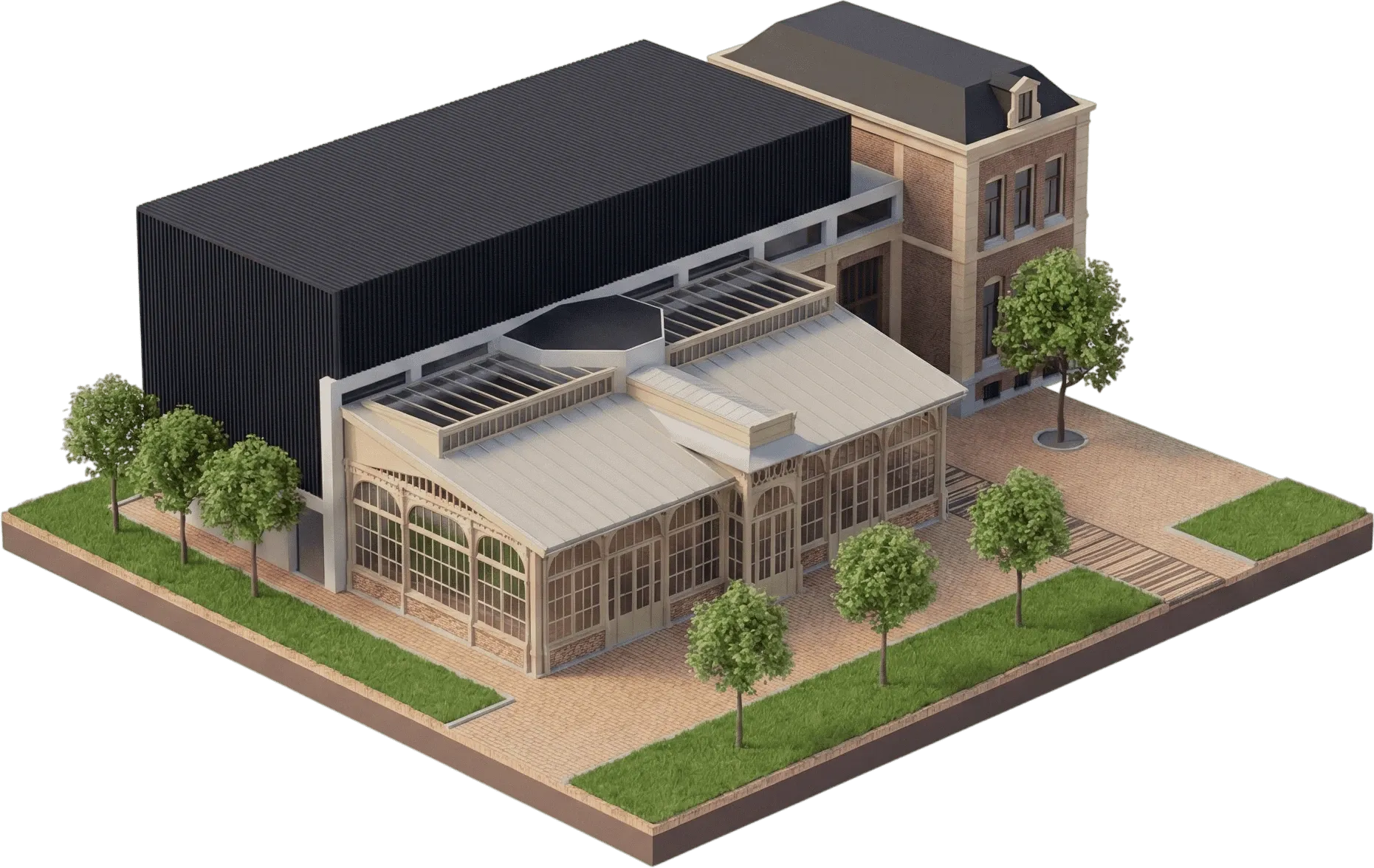
In 2017, a vital cultural initiative, The Black Archives, was taking shape in Amsterdam, aiming to become a central repository for Black history, literature, and activism within the Netherlands. Housed in the historic Hugo Olijfveldhuis in Amsterdam-Oost, the project was spearheaded by Mitchell Esajas and Jessica de Abreu, co-founders of New Urban Collective, with a vision to make this rich heritage accessible to a wider audience.
A Unique Collection Illuminating Dutch-Caribbean Narratives
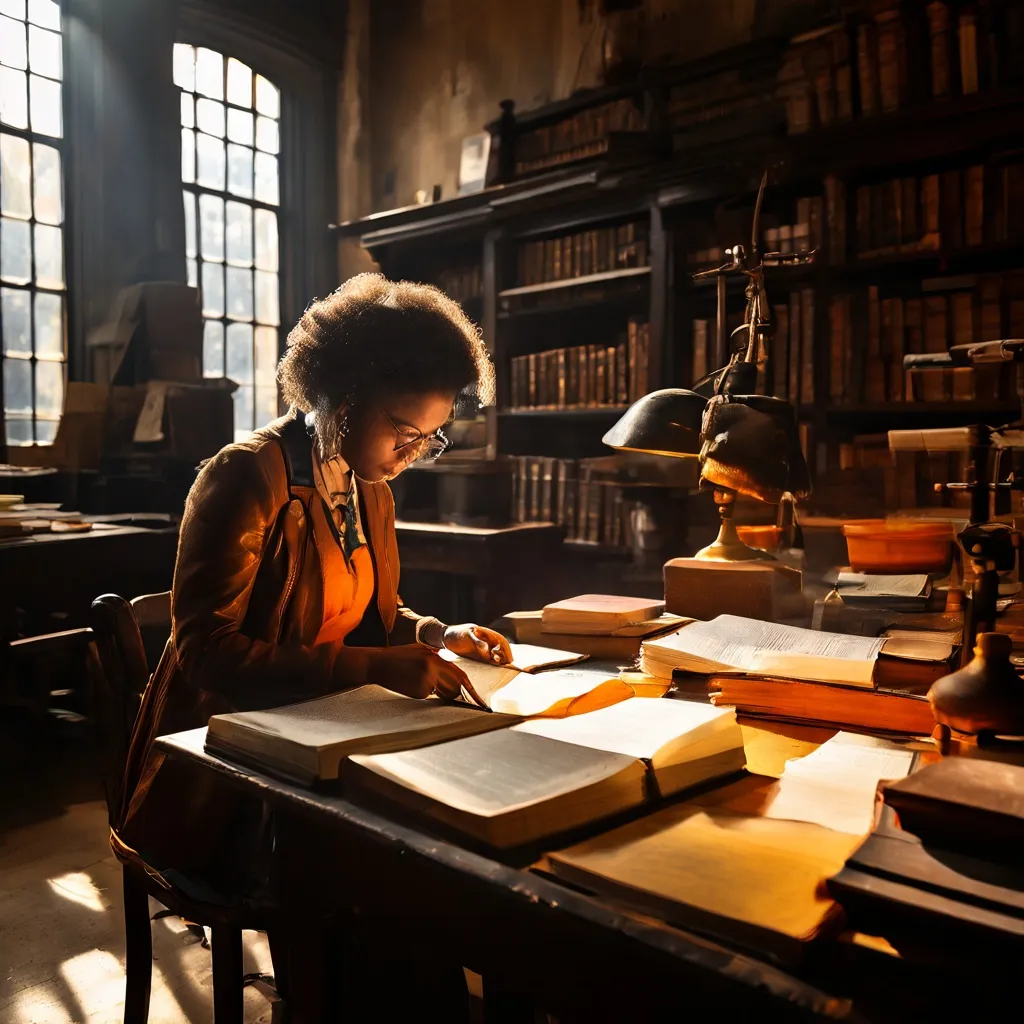
The Black Archives was envisioned to host a substantial collection of over four thousand books, archival documents, and magazines, all focused on Black history, particularly within a Dutch and Caribbean context. Among its compelling artifacts is an 1863 bill of exchange, signed by the Ministry of Colonies in The Hague, documenting compensation paid to a Scottish slave owner following the abolition of slavery in Suriname and the Dutch Antilles. This document starkly illustrates the close ties of this history to individuals, as highlighted by a student whose ancestors had been enslaved on the plantation referenced in the bill.
The collection also includes items that shed light on historical perceptions, such as children's books like "Tien kleine negertjes" (Ten Little N-words) and "De negerkoning" (The Negro King), which feature stereotypical illustrations prevalent in earlier times. Beyond these, the archives boast correspondence between the Vereniging Ons Suriname and the American Black Panther Party, demonstrating solidarity in their respective struggles for civil rights and Surinamese independence. Primary source materials also highlight visits to the Netherlands by prominent Afro-American leaders like W.E.B. Du Bois, C.L.R. James, and James Baldwin.
Local history is also richly represented, with magazines from Surinamese community organizations active in the Netherlands during the 1970s. These publications provide insights into the challenges and communal support systems for migrants. The archives also contain newspaper articles from 1974 detailing the squatting of the Gliphoeve flat in the Bijlmer, a pivotal moment in Amsterdam's urban and social history linked to the need for housing for Surinamese immigrants. A significant portion of the collection originates from the private library of the late UvA sociologist Waldo Heilbron. Key historical figures like the Surinamese communist Otto Huiswoud, a co-founder of the American Communist Party who met figures like Lenin and Frantz Fanon, and his wife Hermina, are also represented through their documents and books.
Fostering Understanding and Dialogue for Visitors
The Black Archives was established with a mission to offer a critical perspective on colonialism and challenge one-dimensional historical narratives. It provides a vital space for researchers, students, and the general public to immerse themselves in Black history, fostering a deeper understanding of the past without oversimplification. At its inception, the founders aimed to open the archives to the public on November 25th, Suriname's Independence Day, a date chosen to honor the legacy of activists like Huiswoud.
Beyond serving as a research hub, The Black Archives also planned to develop exhibitions for a broader audience, expanding on the vision of Waldo Heilbron, who had once hoped to establish a small museum in the same building. Collaborations were already underway with institutions such as the Tropenmuseum and the Amsterdam Museum, with potential future partnerships with the University of Amsterdam, all while maintaining its independence as a grassroots organization.
The Black Archives represents a crucial addition to Amsterdam's cultural landscape, providing invaluable resources for understanding complex histories. To explore more cultural institutions like The Black Archives across Amsterdam and beyond, visit Musemap (musemap.art) and browse museums or discover new places on the map.