The Black Archives Opens in Amsterdam, Illuminating Black Dutch History
In May 2017, a vital new cultural institution, The Black Archives, opened its doors in Amsterdam, dedicated to showcasing the rich and often overlooked history, literature, and activism of Black people in the Netherlands. Founded by Mitchell Esajas, Miguel Heilbron, and Jessica de Abreu, the archive aims to fill a critical gap in educational institutions and traditional museums.
Uncovering Hidden Narratives in Amsterdam
The founders established The Black Archives with a clear mission: to ensure that the stories of Black communities in the Netherlands are not forgotten. They observed that the contributions and experiences of people of African descent, whether from Suriname, the Antilles, or the African continent, were insufficiently represented in public discourse. The initiative seeks to provide historical context that can help individuals, especially Black Dutch citizens, connect with their identity and understand their place in society.
A Growing Collection and Unique Documents
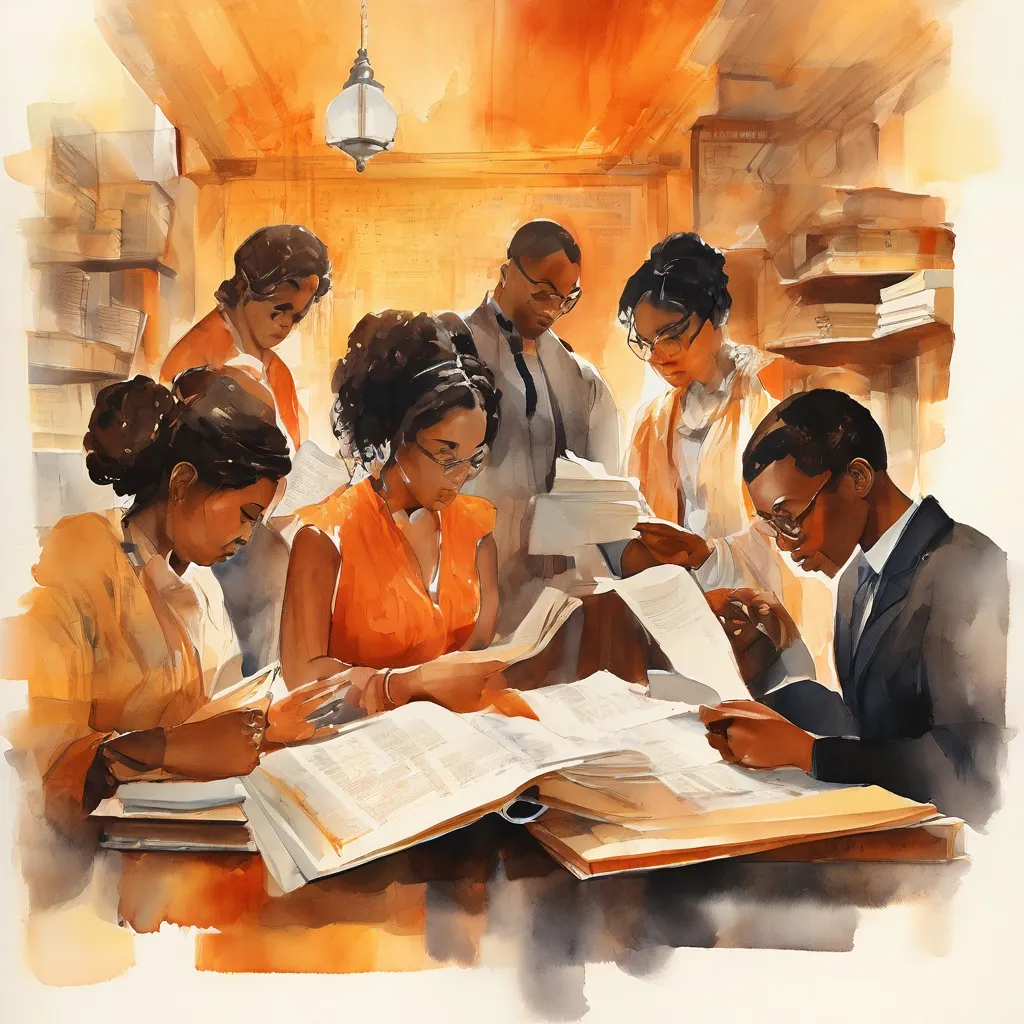
The foundation of The Black Archives' collection originated from the extensive library of Waldo Heilbron, comprising approximately three thousand books. These texts predominantly focus on Black literature, colonialism, slavery, racism, and Black resistance movements. After relocating to the Vereniging Ons Suriname building on Zeeburgerdijk, the archive expanded further, incorporating unique historical documents.
Among its notable holdings are original bills of exchange from the period immediately following the abolition of slavery. These documents reveal the financial compensation arrangements made for slave traders who "lost" their enslaved people, offering a stark reminder of historical injustices.
The Vereniging Ons Suriname: A Legacy of Activism
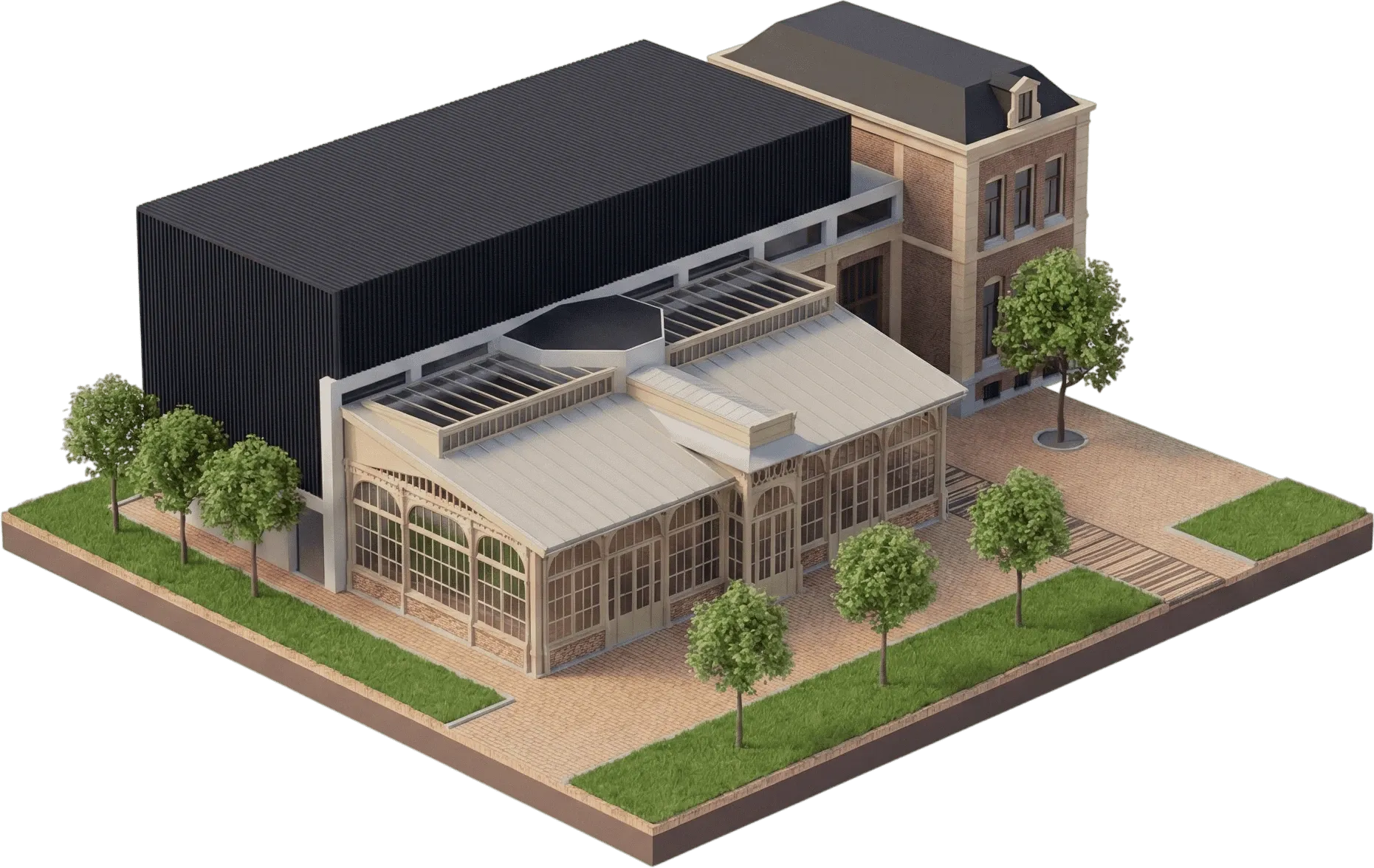
The Black Archives is housed within the historic building of the Vereniging Ons Suriname, an organization with its own significant legacy. Founded in 1919 as a social club for Surinamese individuals in the Netherlands, it evolved into a politically engaged association after World War II. Key figures like former chairman Otto Huiswoud, who championed the independence of Suriname and other Dutch colonies in the 1950s and 60s, shaped its direction.
The presence of The Black Archives here underscores a longer tradition of resistance and political consciousness within the Surinamese community in the Netherlands. The institution plans to host an exhibition about Otto Huiswoud in the coming autumn, further highlighting these historical connections.
Engaging Visitors and Future Plans
The Black Archives is committed to making its resources accessible to everyone, regardless of background. While initially open by appointment, there were hopes to establish fixed opening hours in the autumn of 2017. The archives aim to engage the public through a diverse program, including monthly lectures, film screenings, workshops, and exhibitions. These activities are designed to provide an honest and comprehensive understanding of Black history and contemporary issues in the Netherlands.
For more information about The Black Archives, visit their page through the New Urban Collective network here.
The establishment of The Black Archives marks a significant step in enriching Amsterdam's cultural landscape and ensuring a more inclusive representation of history. To discover more cultural spots and museums in the city, explore Musemap (musemap.art) or browse museums and search for other interesting places in the area.