This exhibition by Argentinian-Dutch artist Aimée Zito Lema delves into historical moments of resistance within the Oude Kerk, drawing parallels between the 1566 iconoclasm and a recent legal dispute. The work incorporates photography, sculpture, textile art, poetry, and an installation with basins, exploring how memory functions for individuals and groups.
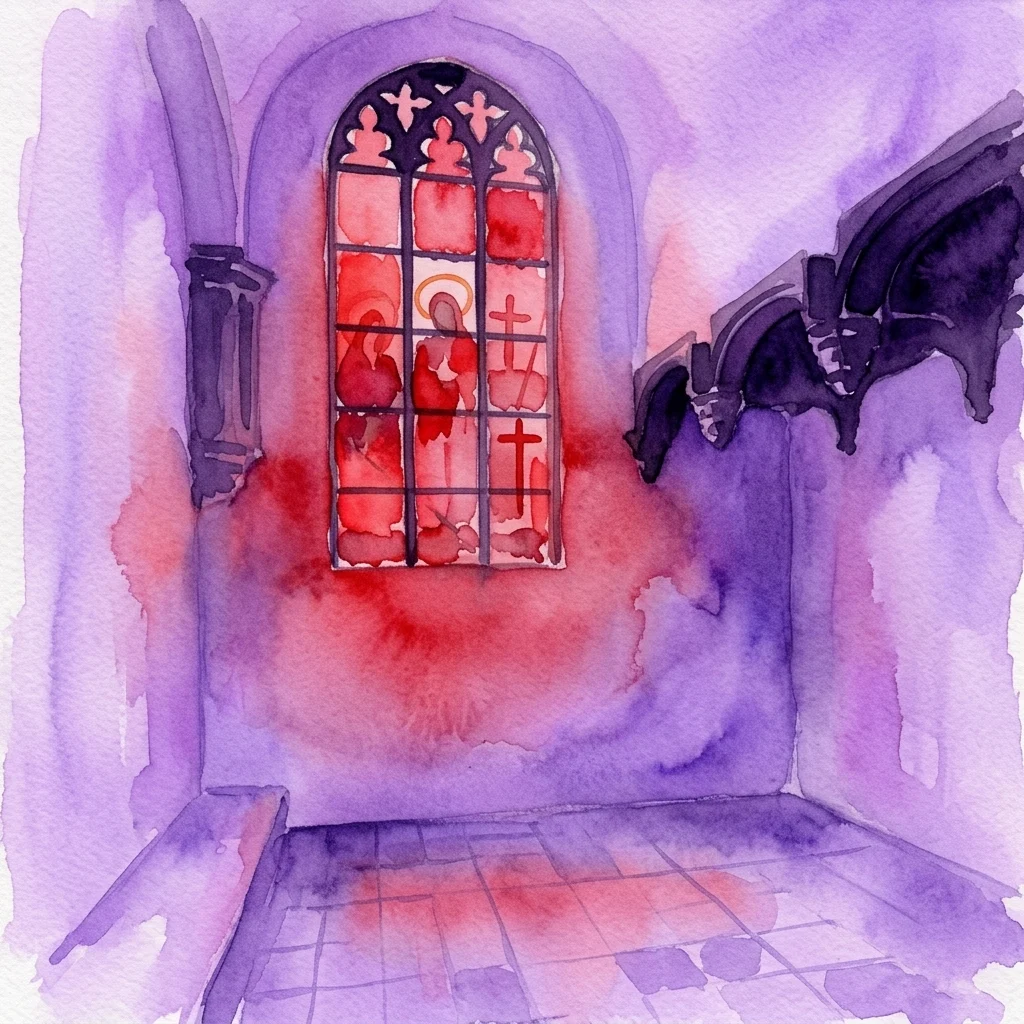
Argentinian-Dutch artist Aimée Zito Lema immersed herself in the archives of the Oude Kerk to create 'Here Is Where We Meet,' an exhibition focusing on historical moments of resistance. The work is inspired by two key events: the iconoclasm that occurred in the church on August 23, 1566, and a protracted legal case concerning the placement of a red window by Giorgio Andreotta Calò in the Holy Sepulchre Chapel, which concluded with a State Council ruling on March 17, 2020. The traces of these conflicts serve as the foundational material for Zito Lema's new work, which comprises photography, sculptures, textile pieces, poetry, and an installation featuring basins.
The installation's visual language, employing elements like construction lamps and scaffolding, evoked the perpetual restoration work within the church, symbolizing both change and resistance to change. Visitors encountered water basins holding photographs and construction elements, heard spoken poems, and discovered sculptures incorporating paper photographs throughout the church. Two large textile works hung in the high choir. Together, these components reflected on the workings of memory for both individuals and collective groups. The exhibition also featured a small presentation of work by Argentinian artist León Ferrari (1920–2013) in the College Chamber, establishing a connection to Zito Lema's practice. Growing up with Ferrari's work and revisiting it during the first lockdown, Zito Lema explored questions about the relationship between imagery and language in the context of resistance, leading her to this parallel with his art. Ferrari's poems, collages, and letters, which warned of 'cruelty intimately mixed with the kindness that covers it,' reveal recognizable aspects of the artist's personal life, his relationship with religion, and the geopolitical developments of his era.