This exhibition at the Luther Museum explores living Lutheran heritage from across the Netherlands, showcasing unique objects, personal stories, and inspiring traditions. It delves into the history and values of the Lutheran community, demonstrating what it means to be Lutheran then and now.
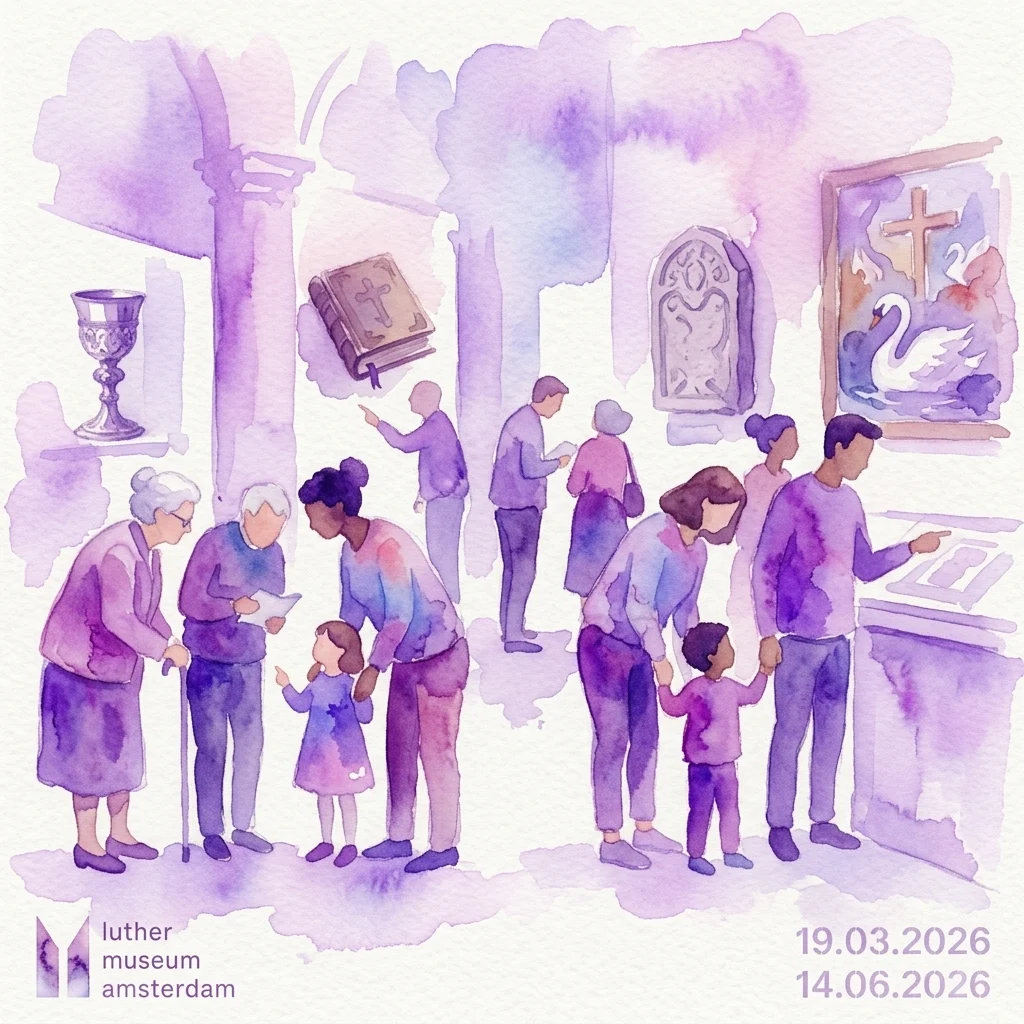
Opening in March 2026, 'Onder de Zwaan' at the Luther Museum is the result of a co-creation project with the Dutch Lutheran community, bringing together heritage objects and stories. The exhibition narrates the distinctive history of the Lutheran minority in the Netherlands, their cultural and societal values, and their connection to 'The Story of the Netherlands'. It promises to be one of the most diverse exhibitions at the museum, featuring items from the 16th century to the present day, representing all societal strata. Notable objects include a letter from Luther, a golden lectern associated with a friend of Rembrandt, a baptismal record from Suriname, the baptismal bowl of Thorbecke, a damask cloth from the Housewives' Days, and a contemporary altar cloth by Koen Taselaar.
The exhibition also gives voice to the people behind these objects, with Lutherans from all over the country sharing their diverse experiences within this undogmatic faith community. A comprehensive public program complements the exhibition, featuring podcast episodes, interactive workshops, a 'Freedom Meal', and a 'Harvesting Stories' day with a live podcast recording, Lutherana appraisal sessions, and an Oral History project. Visual artist Helmut Smits contributes 15 new photo collages that update the heritage for the year 2026, presenting them as if they are everyday objects.
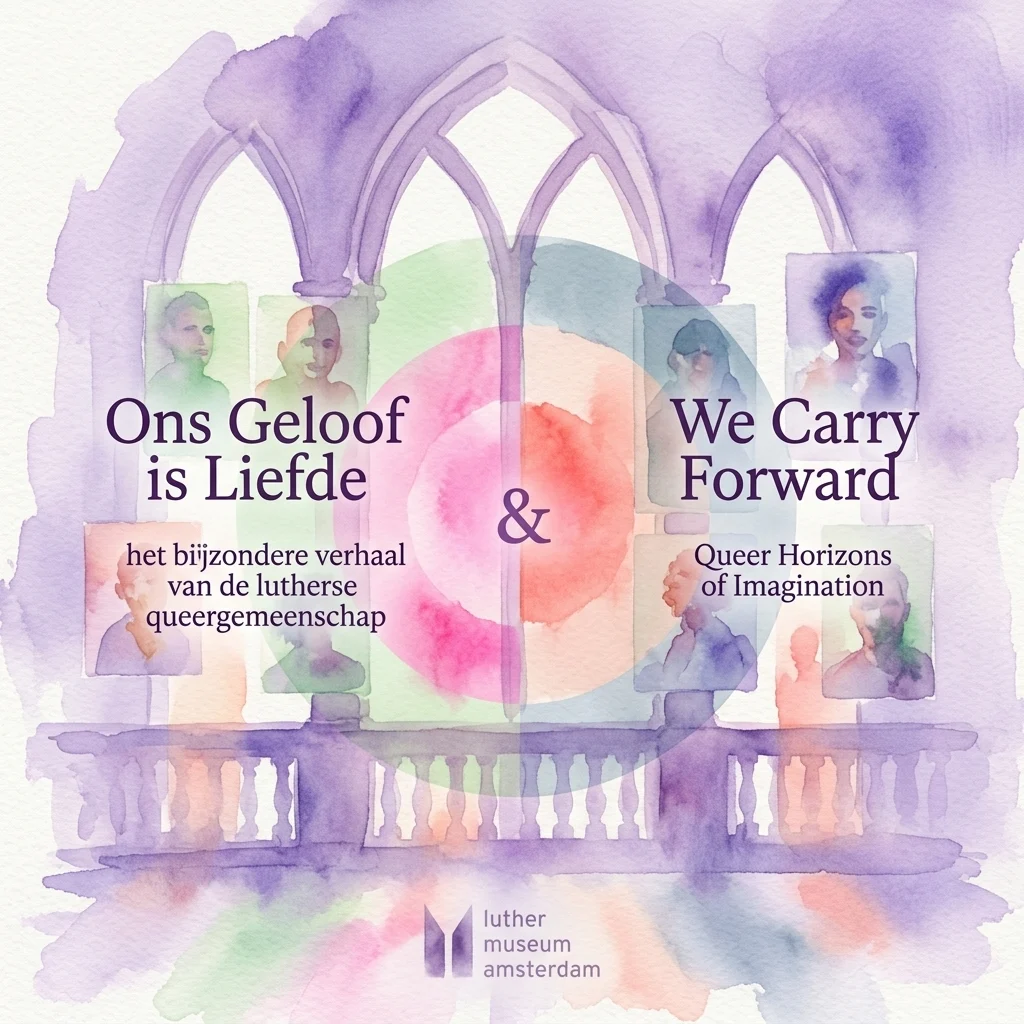
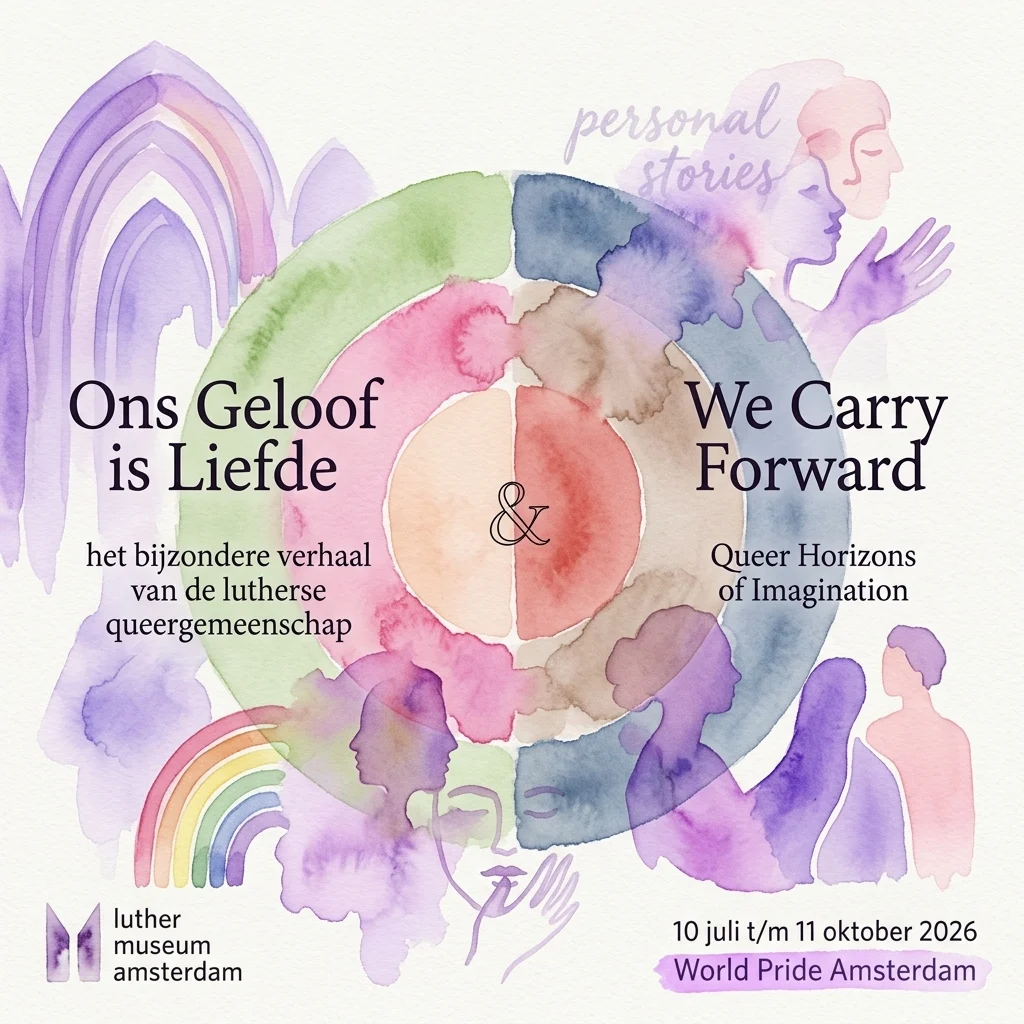
The exhibition's title, 'Onder de Zwaan' (Under the Swan), references the swan as the symbol of the Lutheran community in the Netherlands, a historical 'geuzenteken' or token of defiance. This symbol's origin traces back to a prophecy by Maarten Luther concerning Jan Hus. The exhibition highlights the significant, though often overlooked, contributions of Lutherans to Dutch society, including their roles in trade, politics, art, and emancipation, mentioning figures like Thorbecke and Domela Nieuwenhuis. It also touches upon the community's progressive stances on LGBTQ+ inclusion and female clergy, as well as their engagement with the colonial past and their tradition of welcoming refugees.
'Onder de Zwaan' ultimately questions what we preserve and why, defining heritage through the unique history of the Lutheran community. It showcases objects that represent a living community and its stories, emphasizing the value of the individuality and identity of minorities for society as a whole. The exhibition concludes with a Bach Week, focusing on forgotten female composers and new compositions, celebrating the enduring legacy of Lutheranism.