Discovering the Legacy of Bruges’s 19th-Century Artists at O.L.V.-kerk Museum
Bruges has long been celebrated as a cradle of artistic innovation. While many visitors flock to the city to admire its medieval masterpieces, a major research project has recently shed new light on how local talents expanded their horizons far beyond Flanders during the nineteenth century.
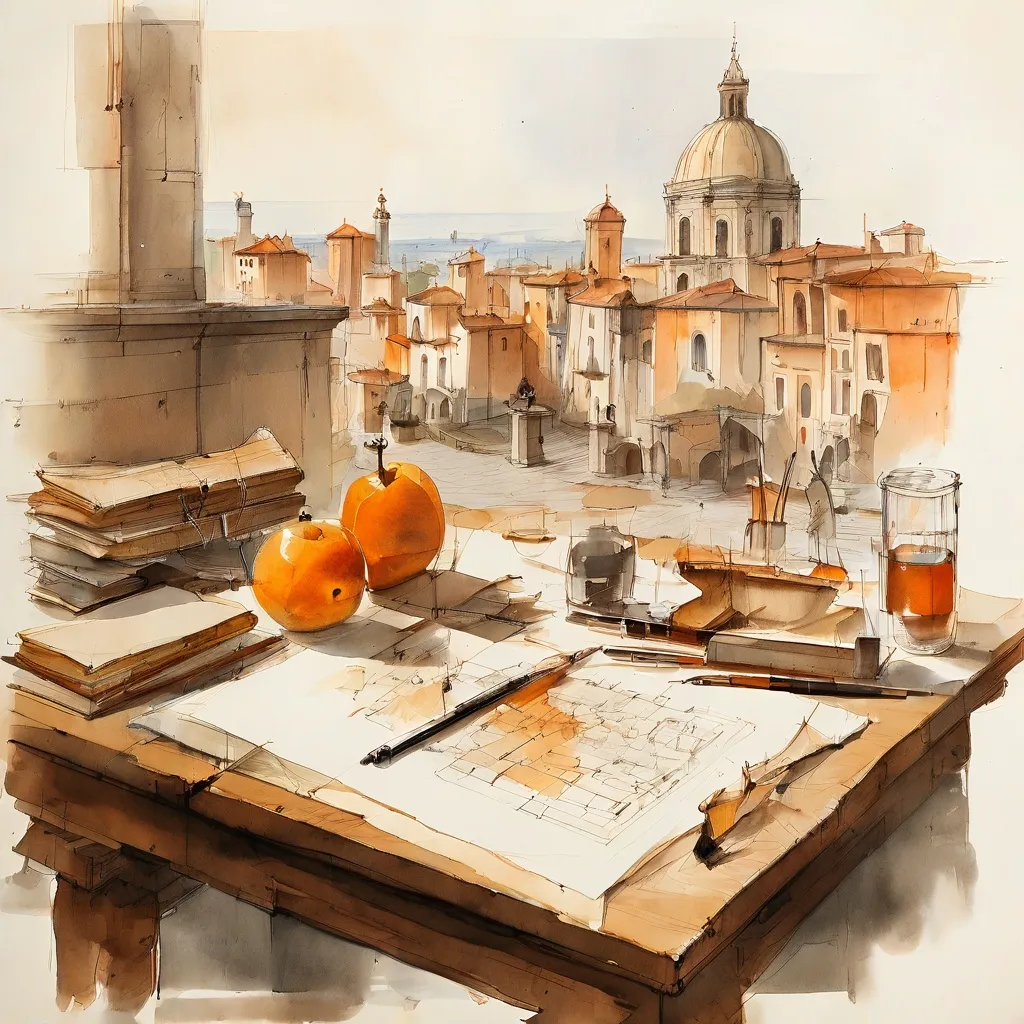
The Apprentice-Master II research project, which concluded its two-year run in May 2026, meticulously traced the journeys of creators who trained at the Bruges Academy. After finishing their local education, many of these promising figures traveled abroad to refine their craft, with many journeying to Rome—then the undeniable epicenter of the European art scene.
Exploring the Historic Art Trails of Bruges and Beyond
Led by researcher Thijs Dekeukeleire and educational officer Marie Vandeghinste, the initiative brought together a wide array of local and international institutions, including Ghent University, the University of Antwerp, and the Royal Library of Belgium. Together, they mapped out the cultural exchange between Flanders and southern Europe.
Over its two-year span, the project generated several key public and academic outcomes:
- Public Crowdsourcing: A collaborative indexing effort alongside the Bruges City Archive to digitize historical records.
- Educational Masterclasses: Specialized drawing courses and practical workshops designed to keep traditional academic techniques alive.
- Academic Exchange: An international symposium hosted at the Academia Belgica in Rome to discuss historical artistic networks.
- Digital Preservation: The publication of hundreds of academic drawings, now accessible to the public via the museum group's online collection.
Enhancing Your Visit to the O.L.V.-kerk Museum in Bruges
For anyone planning a trip to the O.L.V.-kerk Museum (Church of Our Lady), this academic deep-dive adds a rich layer of context to the local galleries. The museum is celebrated for housing Michelangelo's breathtaking Madonna and Child, alongside ornate painted tombs, significant paintings, and the final resting places of Mary of Burgundy and Charles the Bold.
By understanding the rigorous training and international ambitions of the city's 19th-century painters and sculptors, visitors can better appreciate how Bruges maintained its standing as a vital hub of European art history across the centuries. The transition from local apprentice to international master is a story woven directly into the fabric of the city's historic churches and galleries.
To help guide your journey through these historic streets, Musemap (musemap.art) offers curated insights into the region's top cultural landmarks. You can easily browse museums in Bruges or plot your walking route using our interactive Bruges culture map to make the most of your visit.