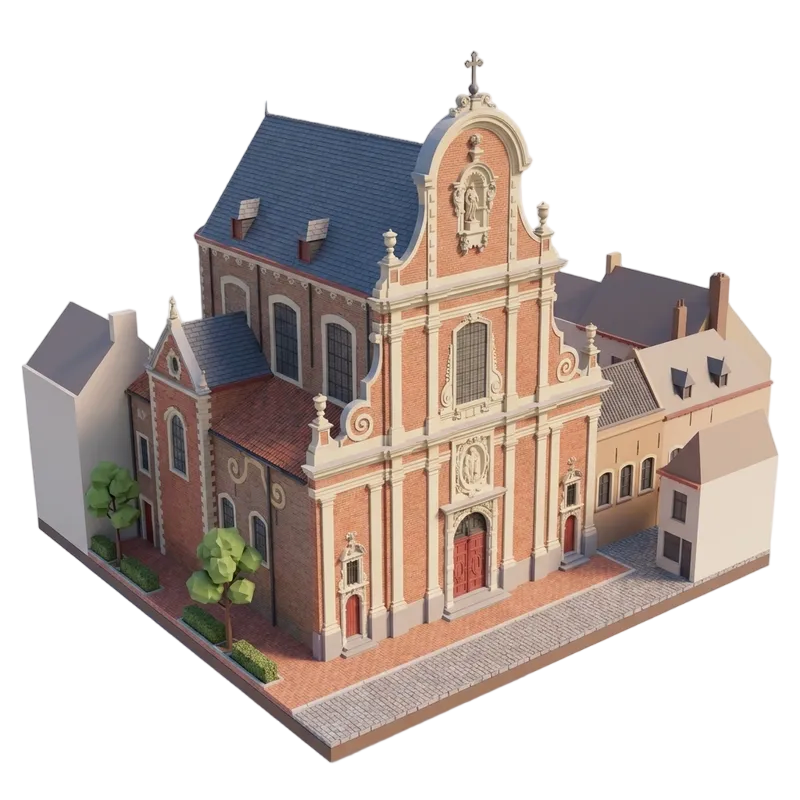
New Melodies for the Bruges Belfry Carillon: Temporary Silence Near O.L.V.-kerk Museum
The historic center of Bruges is preparing for a temporary shift in its famous acoustic atmosphere. If you are planning a walk through the city to visit local landmarks like the O.L.V.-kerk Museum, you will notice a quieter backdrop over the coming weeks. The automatic carillon of the iconic Belfry is scheduled to go silent from March 5th until April 4th, 2026, while experts perform a traditional update to its musical repertoire.
What Visitors in Bruges Should Expect During the Tuning Period
While the automatic hourly chimes will pause for this maintenance, the city will not be entirely without bell music. Visitors can still experience live performances by the city carillonneur, Wim Berteloot.
These live concerts will take place on Wednesdays, Saturdays, and Sundays from 11:00 to 12:00. However, please note that no live music will play during the week immediately preceding Easter, traditionally known as the silent week.
The Centuries-Old Craft of Adjusting the Carillon
Updating the melodies is a labor-intensive, hands-on task. Since the early 19th century, the Belfry's automatic tunes have been changed once every two years.
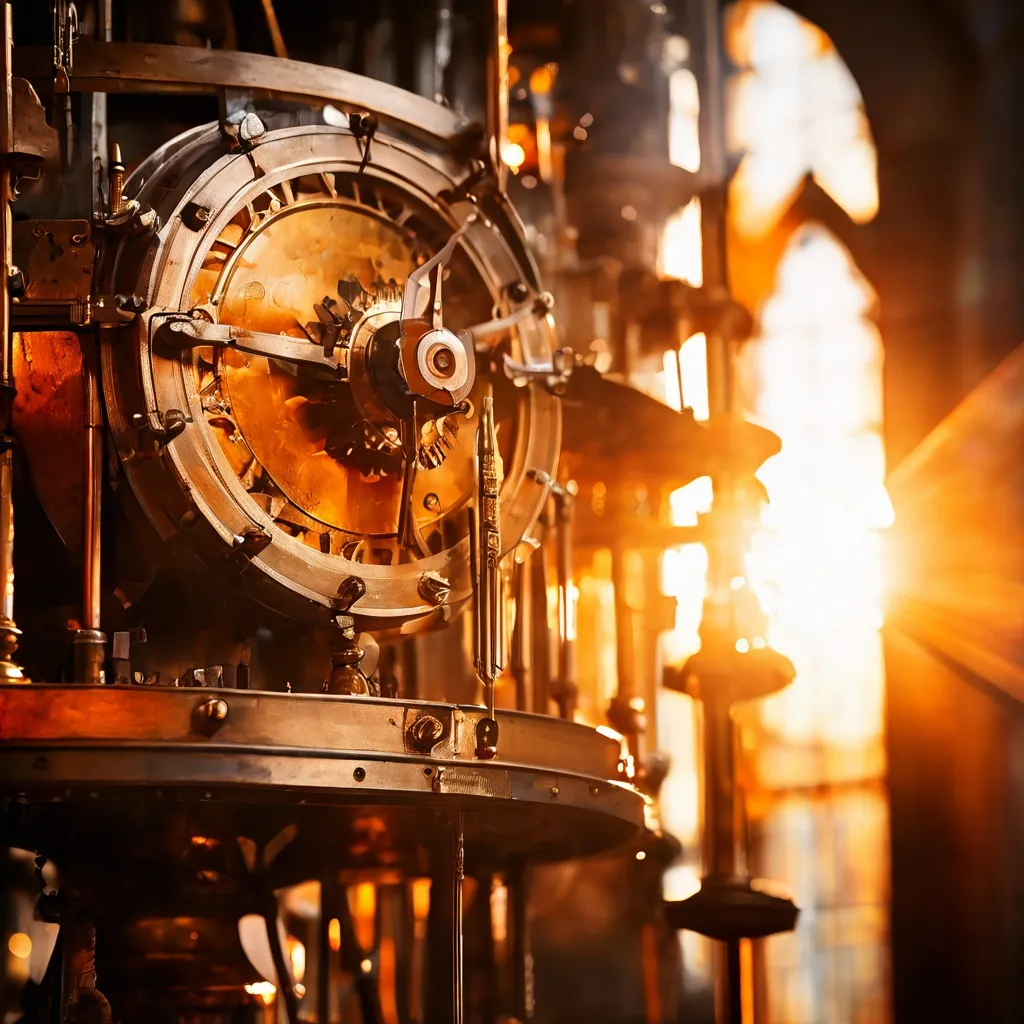
This mechanical system relies on a massive brass carillon drum studded with pins. To program new music, technicians must manually adjust and reposition these pins. During this month-long maintenance window, workers will also clean the drum chamber and thoroughly inspect the pins to ensure the mechanism continues to function flawlessly.
A Fresh Soundtrack for Your Next Bruges Walk
Starting on Easter Sunday, April 5th, 2026, the Belfry will debut four new musical selections. The pieces have been chosen to play at different intervals throughout the hour:
- On the hour: Allegretto by Johan A.W. Wagenaar (1862–1941), a classical piece from the Romantic period.
- Quarter past the hour: The main theme of BRUSK, a composition by Patrick Hamilton created specifically for the opening of the nearby BRUSK art hall.
- On the half hour: Grandfather’s Clock by Henry Clay Work (1832–1884), a widely recognized international melody.
- Quarter to the hour: Andante from Symphony 94 (also known as the Surprise Symphony) by Joseph Haydn (1732–1809), selected to highlight the resonance of the carillon's heaviest bass bell.
Whether you are admiring Michelangelo's sculpture inside the O.L.V.-kerk Museum or wandering the winding canals, keeping track of these timing changes will help you catch your favorite melodies. To help coordinate your cultural itinerary, Musemap (musemap.art) offers curated insights into the city's top heritage sites. You can easily browse local museums or check the Bruges culture map to navigate your way through these historic neighborhoods.