Jean-Auguste-Dominique Ingres Portrait of Bruges Artist Joseph Ducq Identified by Musea Brugge
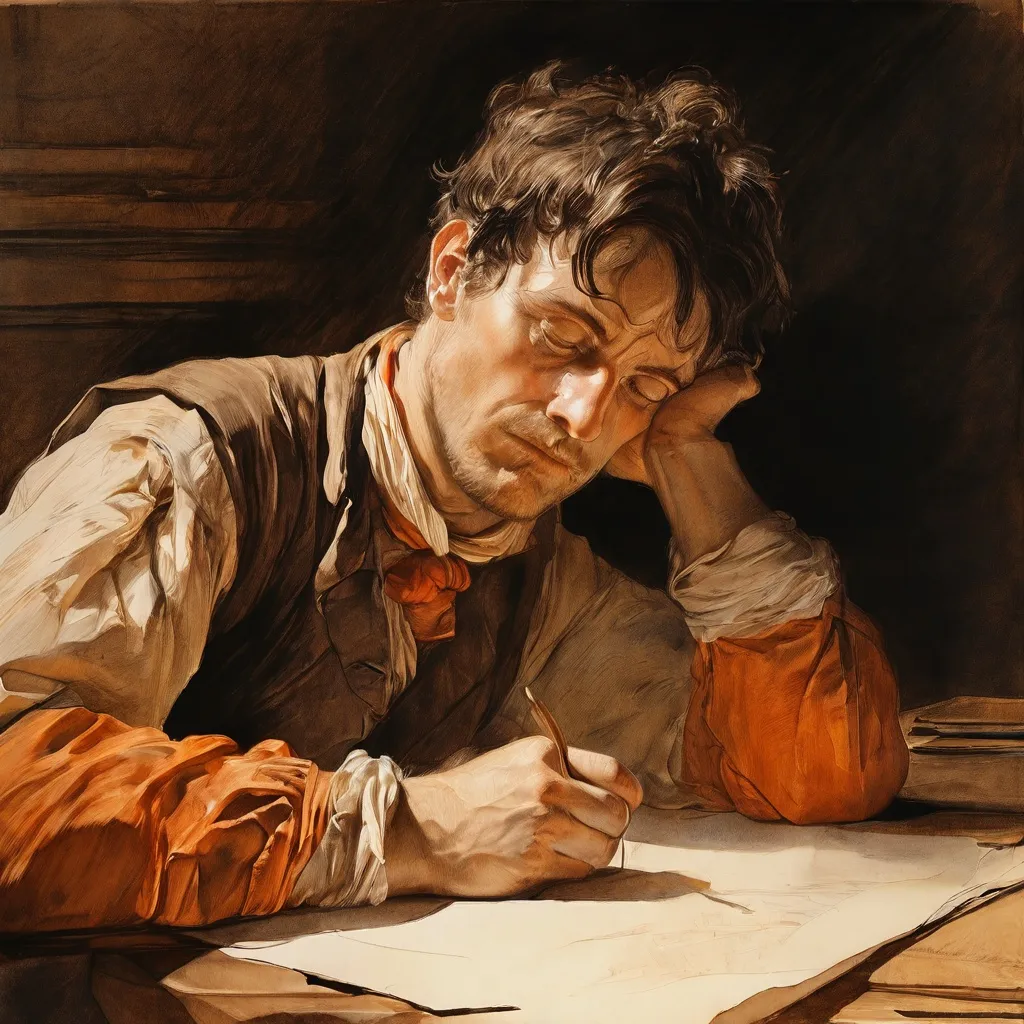
A major breakthrough in art history has occurred in Bruges, where researchers have successfully uncovered the identity of an anonymous subject in a portrait drawing by French master Jean-Auguste-Dominique Ingres. The mystery, which persisted for decades, highlights the deep historical connections between local painters and the wider European art scene during the nineteenth century.
The drawing, created by Ingres in 1813, was long believed to depict a local politician named Charles-Bernardin-Ghislain Coppieters-Stochove—an identification proposed in 1980. However, meticulous collection research led by Dr. Thijs Dekeukeleire has corrected this history. The subject is actually Joseph Ducq (1762–1829), a notable painter, neoclassical draftsman, and a former director of the Bruges Academy.
The breakthrough came when researchers compared the Ingres drawing to a lithograph print of Ducq created by his student, Adriaan Wulffaert, which is preserved in the local print room. The similarity between the two portraits left no doubt about the subject's true identity.
Unlocking the International Legacy of Bruges Artists
This research is part of a broader initiative called Apprentice-Master II, which aims to map out the international travels and careers of Bruges artists during the long nineteenth century. Like many of his peers, Ducq trained locally before traveling to major cultural hubs like Paris and Rome to refine his skills.
While residing in Rome, Ducq became part of an active community of French and Flemish creators, where he developed a friendship with Ingres. The portrait was likely a parting gift to Ducq before his return to Flanders. Today, the original drawing is part of a private collection in Canada, but this identification cements its connection to the city's artistic lineage.
What This Means for Visitors to Bruges
For those exploring the cultural landscape of the city, this discovery enriches the understanding of local heritage. It shows that artists from this historic city were not isolated figures but active participants in the grand European Neoclassical movement.
The ongoing research into these historical networks will soon find a home in the city's upcoming research centre BRON, located in the Bruges Museum Quarter. This new facility will work alongside other venues to dive deeper into the stories behind the city's extensive collections.
When planning your cultural itinerary, Musemap (musemap.art) can help you navigate the historic heart of the city. To plan your next stops and uncover masterpieces ranging from classical sculptures to neoclassical works, you can browse local museums, use the interactive map view, or check the latest listings via the Bruges museum search.