New BRON Research Centre Opens to Advance Art and Heritage Studies in Bruges
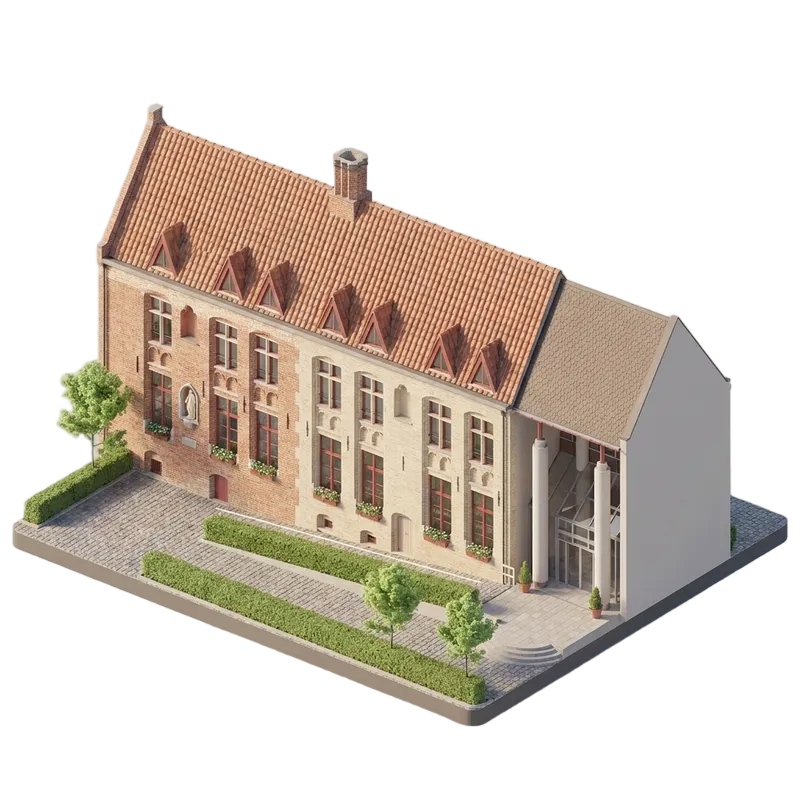
The cultural landscape of Bruges has reached a significant milestone with the opening of BRON, a new scientific research centre dedicated to the study of the city's extensive art and historical collections. Operating under the umbrella of Musea Brugge—which includes the Volkskundemuseum—the new facility is poised to become the intellectual core of the Bruges Museum Quarter, standing alongside the upcoming BRUSK project and its surrounding park.
The establishment of this hub highlights the city's role as a leading cultural heritage institution. It provides a collaborative environment where a dedicated team of heritage researchers works alongside visiting specialists to uncover new perspectives on historical collections.
What the New BRON Center Means for Visitors and Heritage in Bruges
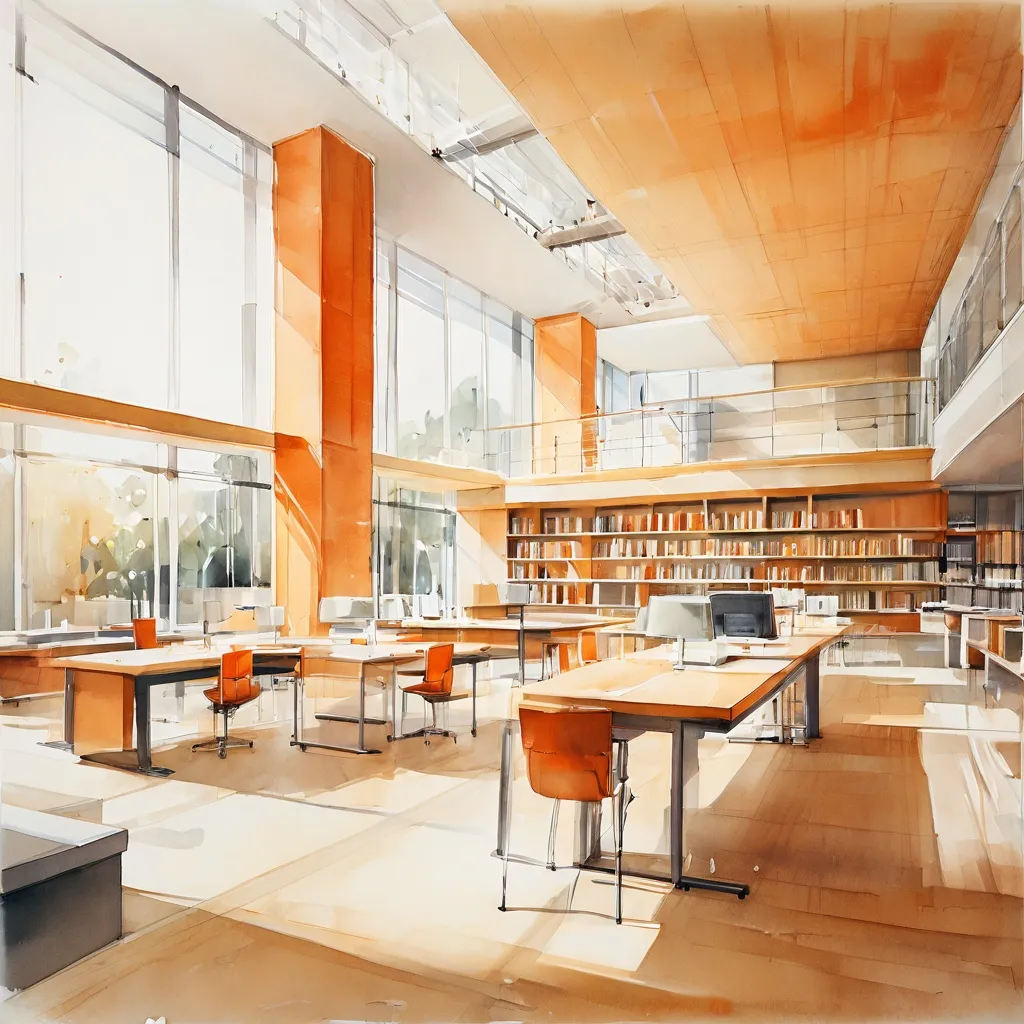
For those passionate about local history, crafts, and fine arts, the opening of BRON signals a major step forward in how the city's stories are preserved and shared. The facility brings together several critical museum resources under a single roof, including the central museum library, specialized collaborative workspaces, and offices for curators and historians.
A physical passageway connects BRON directly to the back-office areas of BRUSK. This physical link ensures that fragile items, including extensive collections of paintings and works on paper, can be easily and safely moved between climate-controlled storage areas, restoration workshops, and the research rooms.
Starting in 2027, the facilities will expand further with the public opening of the Print Room's consultation space inside BRON. Once active, this space will allow both independent scholars and curious visitors to examine a collection of 23,000 delicate works on paper in a highly controlled, professional setting.
Four Key Pillars of Local Research
The scientific efforts at the centre are organized around four core thematic areas. These research pillars directly influence the public exhibitions and educational displays that visitors experience across various local heritage sites:
- The Burgundian and Habsburg Eras: Investigating the masterpieces and historical context of the city’s golden age.
- The Long 19th Century: Exploring the cultural shifts, industrial changes, and artistic developments of the period.
- Applied Arts and Crafts: Studying traditional craftsmanship, everyday domestic objects, and historical trades—topics that closely align with the life and workspace reconstructions showcased at the nearby Volkskundemuseum.
- Contemporary Art and Culture: Keeping the city's creative narrative active by studying modern movements and artistic expressions.
Accessing the Museum Library and Digital Archives
The heart of the new facility is the revamped museum library. Rather than serving as a quiet archive for staff alone, the library is designed as an open, welcoming knowledge hub. It is a place where students, registered guides, and heritage enthusiasts can gather to read, discuss, and consult specialized literature.
For those unable to visit the physical space, key aspects of this research remain accessible from anywhere. The museum network supports this academic outreach through digital services, including searchable collection databases and interactive online narratives that explain the historical significance of individual artifacts. More details about the ongoing projects and public access guidelines can be found on the official BRON initiative page.
Over time, the findings compiled at the centre will fuel future public exhibitions, publications, and community lectures throughout the city's municipal spaces.
To coordinate your next cultural tour and discover how these historic collections come to life across the city, you can use Musemap (musemap.art) to find your way. Plan your journey by choosing to browse local museums or check for upcoming exhibitions in the heart of Bruges.