Bruges
News

New historical discovery identifies artist in portrait by Jean-Auguste-Dominique Ingres

News from Volkskundemuseum

Researchers at Musea Brugge have identified the subject of a previously anonymous portrait by French master Jean-Auguste-Dominique Ingres. The drawing, created in 1813, depicts the Bruges artist Joseph Ducq and highlights the significant international connections maintained by Bruges painters during the 19th century.

Art HistoryResearchCollectionPainting
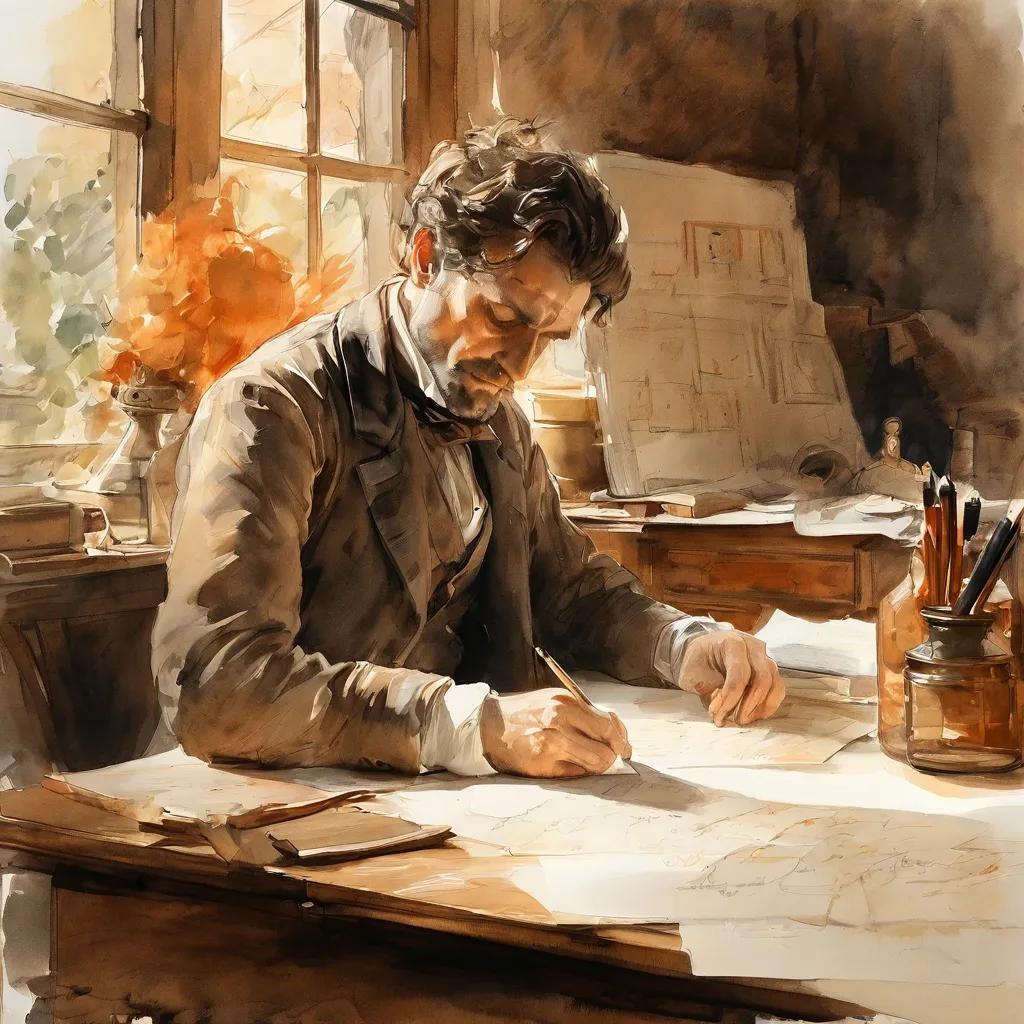
An artistic representation of an art historian examining a 19th-century portrait sketch in a studio setting at the Volkskundemuseum.

Major Art Discovery in Bruges: Musea Bruges Solves Portrait Mystery of Local Master Joseph Ducq

A fascinating historical mystery has been resolved by researchers in Bruges, providing a fresh perspective on the city's rich creative heritage and its international connections. A portrait sketched in 1813 by the celebrated French master Jean-Auguste-Dominique Ingres, which was long shrouded in anonymity, has finally been identified.

The subject of this masterful drawing is Joseph Ducq (1762–1829), an influential neoclassical painter and draftsman who once served as the director of the Bruges Academy. This identification reveals the close personal and professional bonds that existed between Flemish creators and the broader European art world during the nineteenth century.

Unlocking the History of Neoclassical Art in Bruges

For decades, the true identity of the man in the 1813 portrait was a subject of debate. In 1980, experts tentatively but incorrectly identified him as a local politician named Charles-Bernardin-Ghislain Coppieters-Stochove. Recent investigation by art historian Dr. Thijs Dekeukeleire finally solved the puzzle.

The breakthrough came directly from the archives in Bruges. A lithograph print created around 1829 by Adriaan Wulffaert, a pupil of Ducq, was found in the Print Room of Musea Brugge. When compared side-by-side with Ingres's original drawing, the striking resemblance confirmed that Wulffaert's print was based directly on the master's portrait of Ducq, likely serving as a tribute to the late artist.

The Global Journeys of Historic Flemish Artists

This identification is a key milestone for the Apprentice-Master II research project, which explores the international influence and careers of local creators during the long nineteenth century.

Ducq, like many ambitious students from the Bruges Academy, traveled to artistic epicenters such as Paris and Rome to refine his skills. It was in Rome that he integrated into a cosmopolitan community of European artists, establishing a close connection with Ingres. The portrait is believed to have been a parting gift from Ingres to Ducq just before the latter returned to his hometown to lead the academy.

While the original drawing is currently preserved in a private collection in Toronto, Canada, the discovery highlights how deeply integrated Bruges artists were into the wider European art landscape.

How to Experience Bruges Heritage Beyond the Volkskundemuseum

While the Volkskundemuseum captures the intimate, everyday domestic lives and traditional crafts of nineteenth-century Bruges residents, discoveries like this remind visitors of the city's grander international connections. For those interested in diving deeper into local archives and collection research, the city's new research centre BRON offers an incredible hub for uncovering the historical narratives that shaped this historic Flemish destination.

Whether you are wandering through the furnished rooms of local folklore or tracing the steps of classical masters, the city's cultural scene is full of hidden details waiting to be discovered. You can easily plan your next cultural journey using Musemap (musemap.art) to browse local museums, view the interactive culture map of Bruges, or see what's on for upcoming exhibitions during your visit.
Related museum topics and stories from Volkskundemuseum in Bruges
Explore connected topics from this article
Use topics from "New historical discovery identifies artist in portrait by Jean-Auguste-Dominique Ingres" to discover related museum stories, film programs, and cultural events connected to Volkskundemuseum in Bruges.
VolkskundemuseumMusea BruggeJean-Auguste-Dominique IngresJoseph DucqArt historical discoveryBruges artists19th-century artApprentice-Master research
Related visitor FAQ for this news article
Helpful answers connected to this news topic
Browse quick visitor questions shown for this article, then open the full Volkskundemuseum FAQ page in Bruges to explore broader planning information.

Who is the artist depicted in the newly identified Ingres portrait?

The man in the 1813 portrait by Jean-Auguste-Dominique Ingres has been identified as the Bruges neoclassical painter and draftsman Joseph Ducq (1762–1829).

How did the researchers at Musea Brugge identify the portrait?

Art historian Dr. Thijs Dekeukeleire identified the sitter by comparing the Ingres drawing with a lithographic print of Joseph Ducq created by his pupil, Adriaan Wulffaert, which is held in the museum's own Print Room collection.

Why is this discovery significant for art history?

The portrait is a rare depiction of a local artist from the region that became Belgium by the French master Ingres, demonstrating the intense professional bonds and international travel of 19th-century Bruges artists.

Where can the portrait be seen?

The original drawing is currently held in the private collection of Marilyn and Charles Baillie in Toronto, Canada.

Is the portrait part of a larger research project?

Yes, this discovery is part of the 'Apprentice-Master II' research project at Musea Brugge, which explores the international careers and networks of Bruges artists throughout the 19th century.

About Volkskundemuseum in Bruges

Volkskundemuseum Guide

Bruges folk heritage

HistoryLocal heritage

Planning a trip to the Volkskundemuseum helps you discover the traditional side of Bruges' local history. Use Musemap to navigate the city's rich heritage spots, and consider exploring other nearby historic houses and museums in Flanders. Always consult official sources for current opening times before setting out.

Open full Volkskundemuseum museum overview
Bruges

Find Museums in Bruges for Your Cultural Discovery

Locate venues highlighting Flemish art and medieval heritage.

Match your personal interests with historical institutions throughout the city. Identify cultural attractions that showcase centuries of craftsmanship, artistic expression, and historical significance in Bruges.

Explore Volkskundemuseum with Bruges
Guides, visitor info, and museum details in Bruges
Find everything about Volkskundemuseum in one place, including tickets, opening hours, current exhibitions, location details, visitor tips, nearby attractions, and the latest museum updates. Use these pages to plan your visit, discover what to see, and get practical information before you go.
Discover nearby museums similar to Volkskundemuseum in Bruges and plan your next cultural stop with confidence.
These recommendations prioritize real proximity to Volkskundemuseum and help you find high-fit alternatives faster across Bruges.
Use this curated list to compare museums near Volkskundemuseum without opening multiple search pages. Each card gives you fast visual context and direct access to key details so you can decide quickly. If you are building a full day in Bruges, this section helps you chain nearby visits with less planning effort.