Madrid
Madrid · Scientific Heritage

Royal Observatory of Madrid: A Historic Scientific Gem

Discover this landmark institution in Madrid, home to impressive vintage telescopes.

ScienceHistoryArchitectureLocal heritage

Explore the Royal Observatory of Madrid, a historic scientific institution founded in 1790. Discover its neoclassical architecture, learn about its continuous research in geophysics, and view its collection of historical instruments and documents. It's a UNESCO World Heritage site known for its blend of science and design.

The Royal Observatory of Madrid is a historic scientific institution and UNESCO World Heritage site featuring neoclassical architecture and a collection of historical instruments.

Royal Observatory of Madrid
Royal Observatory of Madrid: Heritage and Science

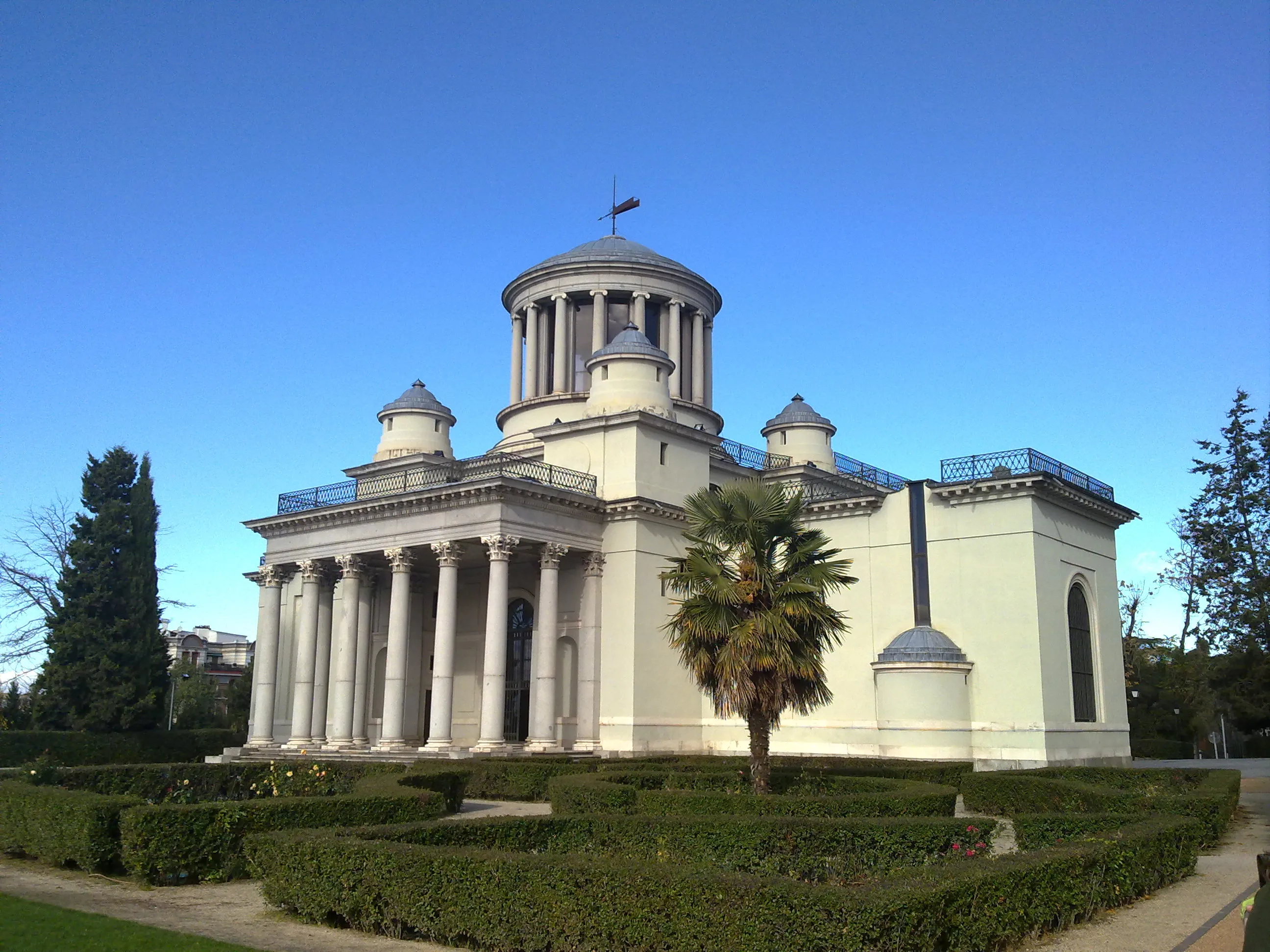
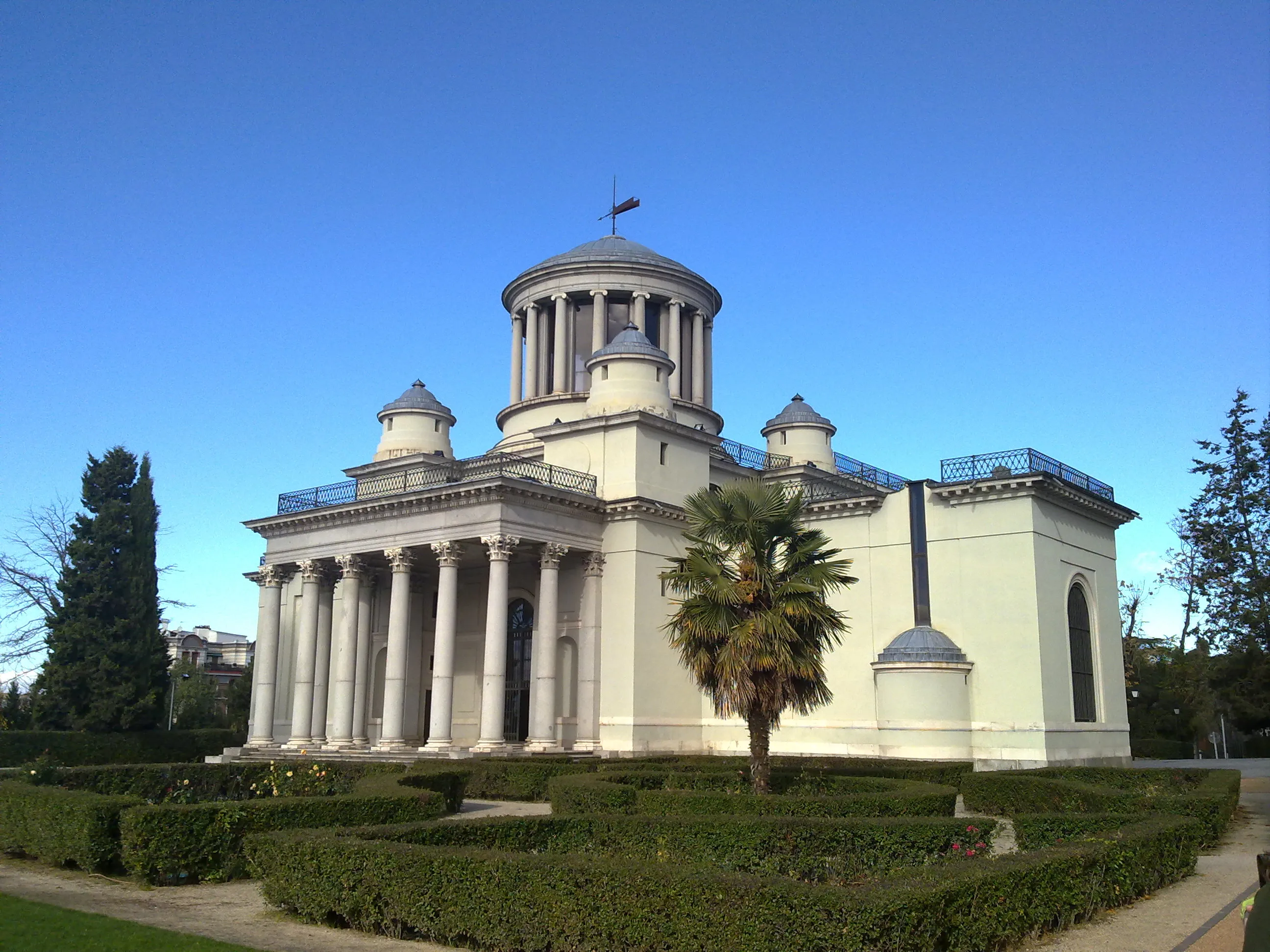
The Royal Observatory of Madrid, established in 1790, is a prominent historic institution known for its continuous scientific activity and significant architectural value. Located near Buen Retiro Park in Madrid, it serves as the seat of the Spanish National Observatory and hosts an active research group in geophysics. This UNESCO World Heritage site played a key role in the Age of Enlightenment and houses an important collection of historical scientific instruments. Designed by Juan de Villanueva, its neoclassical architecture, particularly the domed lantern, is a notable highlight.

Neoclassical building with a central dome and columns, surrounded by green hedges and trees under a clear blue sky
Royal Observatory of Madrid Location

The Royal Observatory of Madrid is located at C. de Alfonso XII, 3, in the Retiro neighborhood of Madrid. This historic scientific institution is conveniently situated near Buen Retiro Park, offering visitors an opportunity to explore its neoclassical architecture and historical instruments within a culturally rich area. Its placement also contributes to the "Paisaje de la Luz" UNESCO World Heritage site.

© OpenStreetMap contributors

C. de Alfonso XII 3

28014 Madrid

Retiro, ES

Visiting the Royal Observatory of Madrid

Planning a visit to the Royal Observatory of Madrid in the Retiro neighborhood requires advance preparation, as timed entry is in effect and reservations are recommended. Visitors can expect to spend approximately 1.5 to 2 hours exploring the site. Please note that on-site parking is not available.

Visiting the Royal Observatory of Madrid

Royal Observatory of Madrid: Scientific Heritage and Neoclassical Design

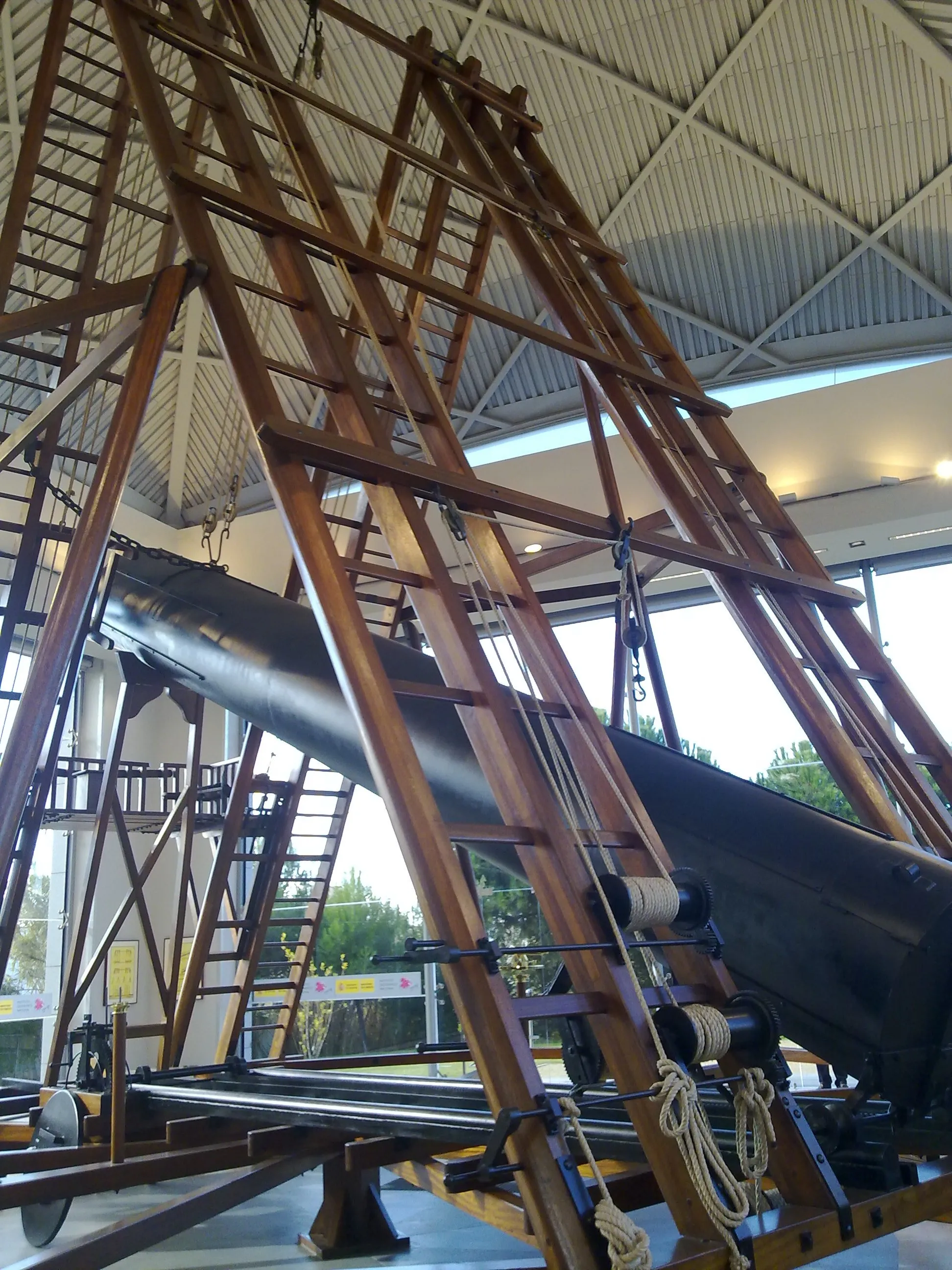
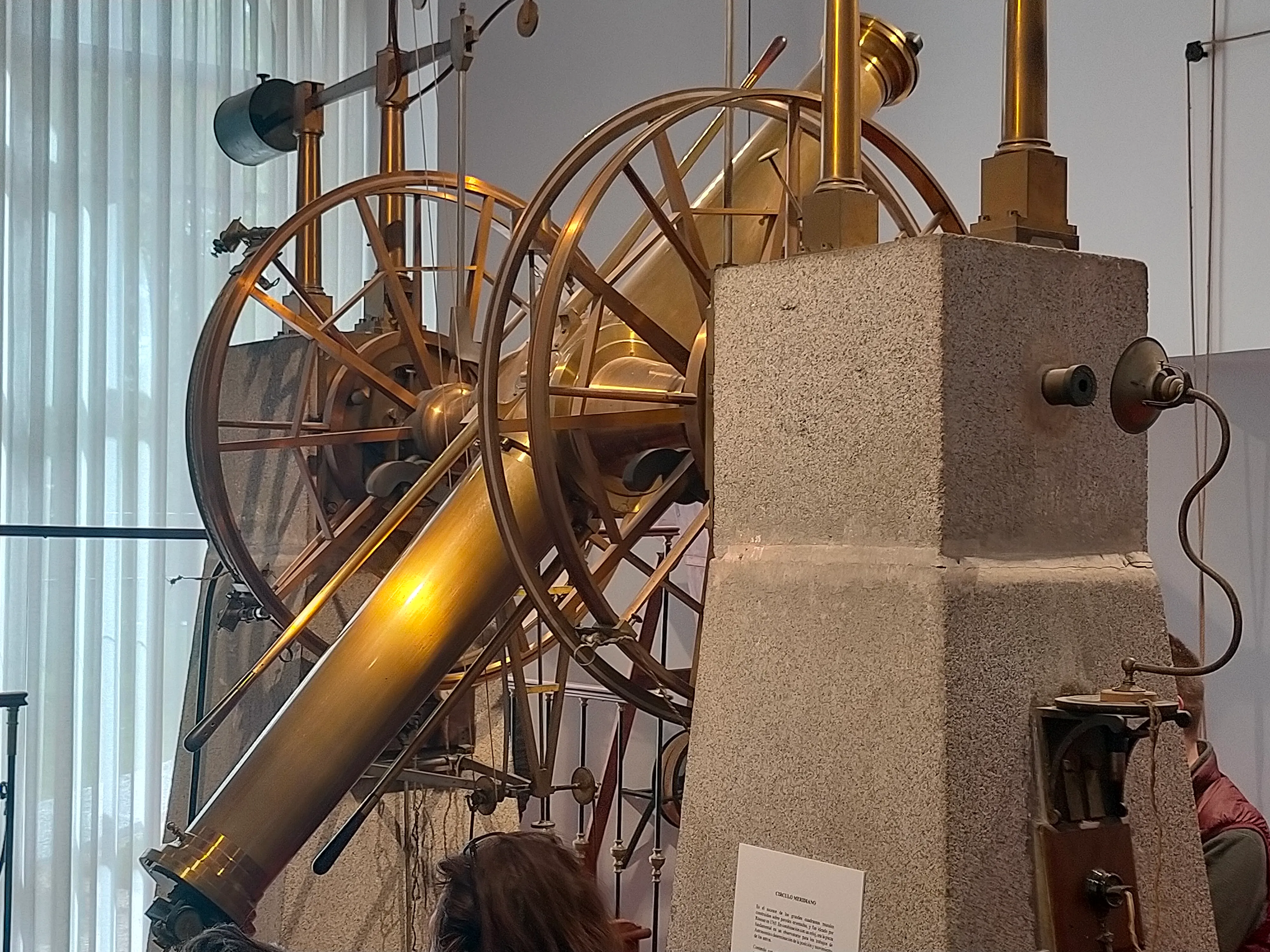
The Royal Observatory of Madrid offers a unique blend of scientific heritage and neoclassical architecture, making it a significant cultural spot in Madrid. Established in 1790, this historic institution, designed by Juan de Villanueva, played a key role in Spain's Age of Enlightenment and is now a UNESCO World Heritage site. Visitors can explore the impressive Villanueva building and discover its rich collection of historical scientific instruments, including a full-size replica of William Herschel's 25-foot telescope. The site also features a large meridian circle, which determined Spain's official time for over a century, alongside various bibliographic collections. Today, it continues its scientific legacy as an active geophysical research center, bridging centuries of astronomical and earth science exploration.

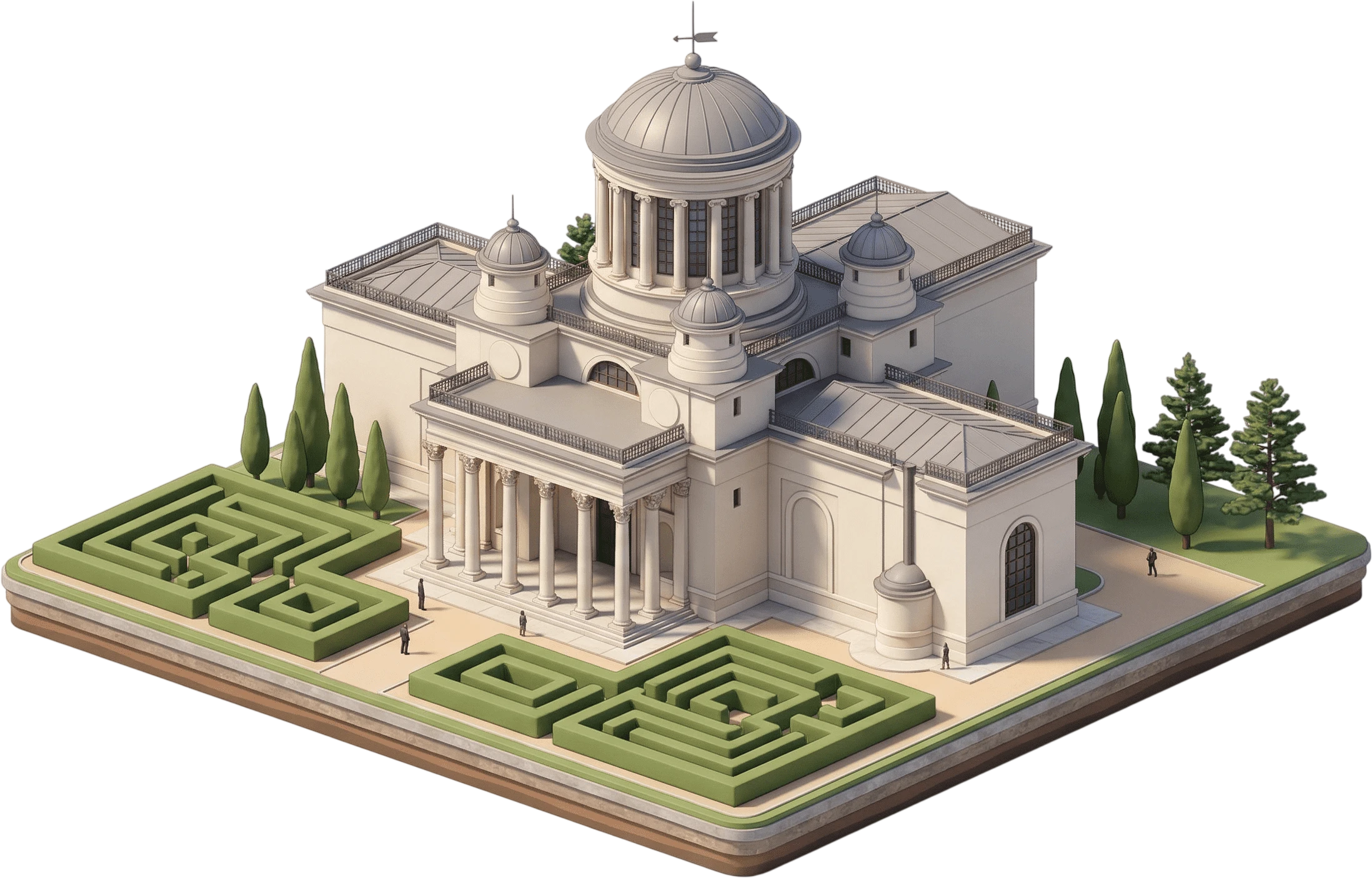
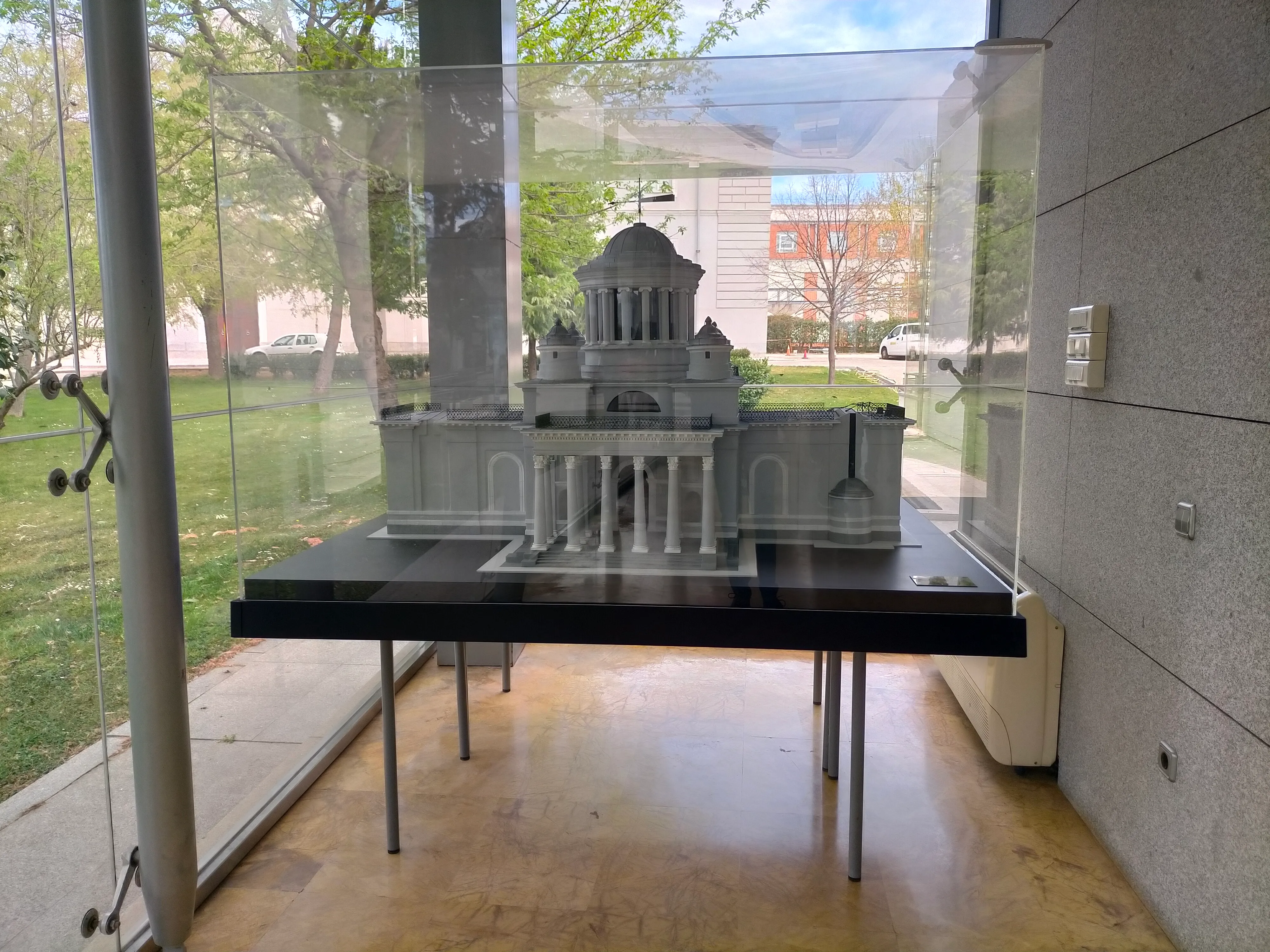
A model of the Royal Observatory of Madrid in a glass case with the building visible outside

History of the Royal Observatory of Madrid

The Royal Observatory of Madrid was established in 1790, founded as a core element of an ambitious scientific urban project in Madrid during the *Age of Enlightenment*. Designed by Juan de Villanueva in neoclassical style, its construction finished around 1808, though it was significantly damaged during the Peninsular War. Following periods of restoration, including key efforts in the mid-19th century and a comprehensive one in the 1970s, the Observatory has maintained continuous scientific activity. Its historical significance was further recognized with its designation as Spanish Cultural Heritage in 1995 and inclusion on the UNESCO World Heritage List in 2021.

  • Founded in 1790

    1790Founding

    The Royal Observatory of Madrid was founded in 1790 as part of an ambitious urban project by Jorge Juan and Charles III, intended to create an axis dedicated to science in Madrid, combining scientific institutions with neoclassical architecture.

  • Designed in neoclassical style by Juan de Villanueva

    Architecture

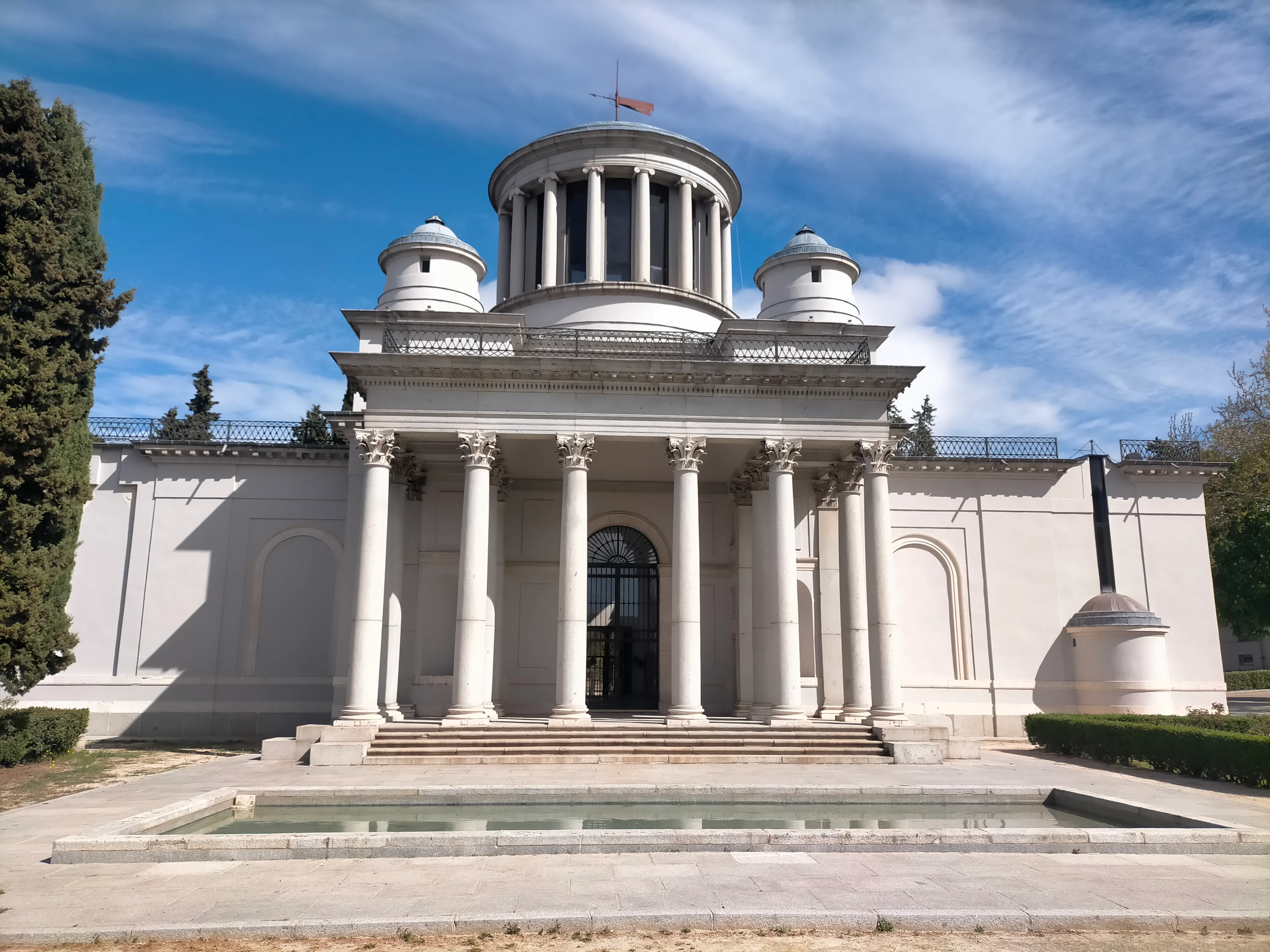
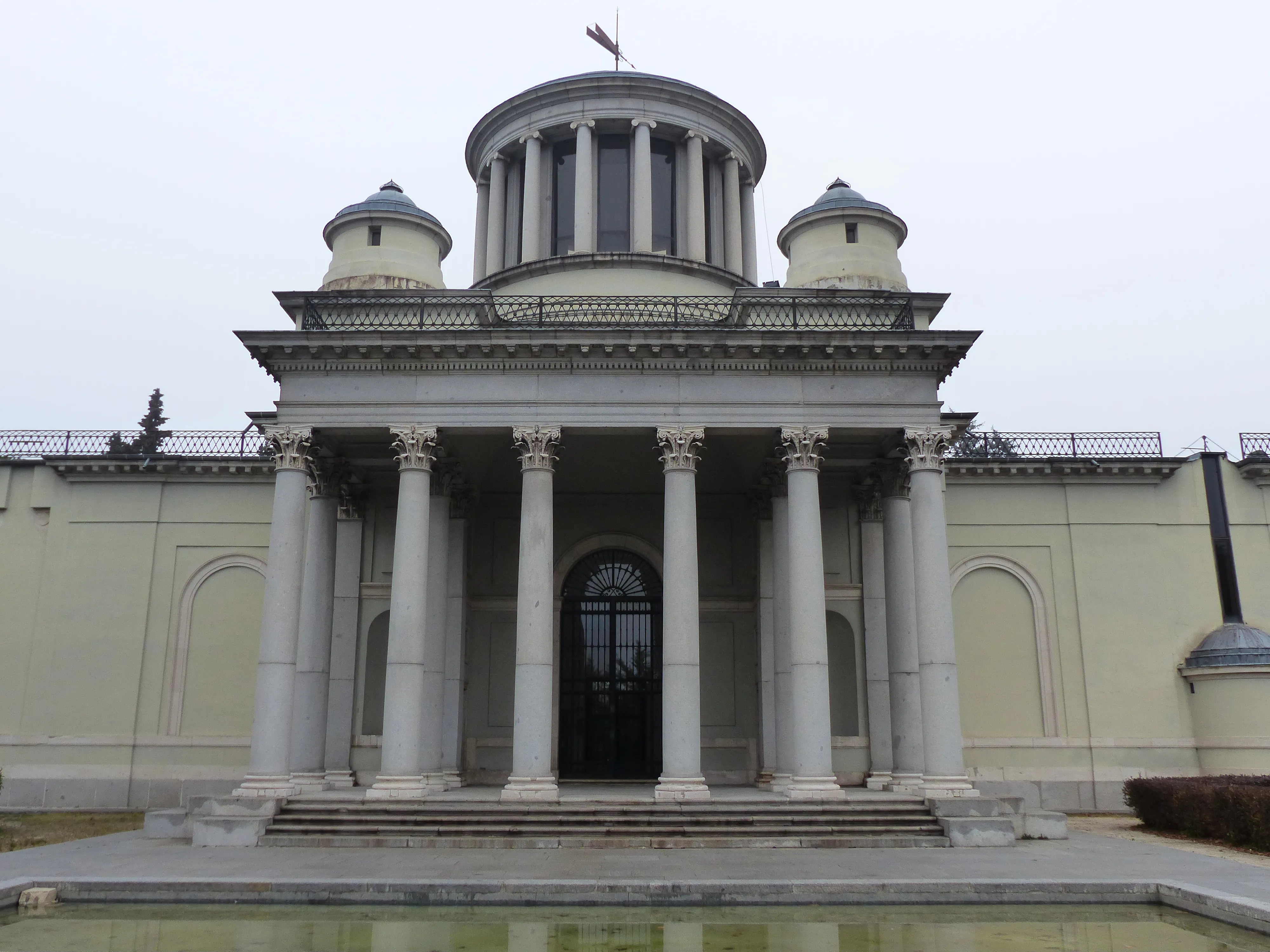
    The observatory's design by Juan de Villanueva is a prime example of Spanish neoclassical architecture, featuring a symmetrical structure with a portico, Corinthian capitals, and a central lantern surrounded by Ionic columns.

  • Part of the Age of Enlightenment in Spain

    Historical period

    The observatory's founding and its integration into an urban axis devoted to science, alongside institutions like the Prado Museum and the Royal Botanical Garden, is a significant example of the Age of Enlightenment's influence on urban planning and scientific development in Spain.

  • Building construction completed around 1808

    1808Construction

    Villanueva's building was practically finished in 1808, but its condition was severely deteriorated by the Peninsular War that began that year.

  • Occupied by Napoleon's troops during Peninsular War

    1808Historical period

    During the Peninsular War, starting in 1808, Napoleon's troops occupied the observatory premises, causing significant damage to the building and destroying William Herschel's 25-foot telescope.

  • Restoration commissioned by Isabella II

    Renovation

    Following a period of decadence after the Peninsular War, the Observatory was refounded and its Villanueva building underwent a first restoration in the mid-19th century, commissioned by architect Narciso Pascual Colomer under the reign of Isabella II.

  • Restoration by Pascual Colomer added two small domes

    Architecture

    Architect Narciso Pascual Colomer, during his restoration of the Villanueva building in the mid-19th century, added two small domes next to the main lantern on the portico-facing side.

  • Meridian circle installed for official time determination

    Collection

    In the mid-19th century, a large meridian circle was installed in the east wing of the Villanueva building, which was used for over a century to determine Spain's official time.

  • New buildings added during 19th and 20th centuries

    1801-2000Construction

    Throughout the 19th and 20th centuries, new structures were added to the Royal Observatory's premises, including a dedicated museum.

  • Replica of Herschel telescope constructed early 20th century

    1901-1930Collection

    In the early 20th century, a full-scale replica of William Herschel's 25-foot telescope was constructed at the Observatory.

  • Restoration by Antonio Fernández Alba in the 1970s

    1970-1979Renovation

    In the 1970s, Antonio Fernández Alba carried out a comprehensive restoration of the Villanueva building, an effort for which he received the National Restoration Award in 1980.

  • Designated as Spanish Cultural Heritage in 1995

    1995Heritage status

    In 1995, the Royal Observatory of Madrid was officially designated as a 'Bien de Interés Cultural' (Monument) under the Spanish Cultural Heritage system, with the reference number RI-51-0009078.

  • Rafael Bachiller appointed director in 2002

    2002Notable person

    Since 2002, Rafael Bachiller has held the position of director of the Royal Observatory of Madrid.

  • Included in UNESCO World Heritage List in 2021

    2021Heritage status

    In 2021, the Royal Observatory of Madrid was inscribed as part of the 'Paisaje de la Luz' (Landscape of Light) on the UNESCO World Heritage List.

  • Treasures historical instruments and collections

    Collection

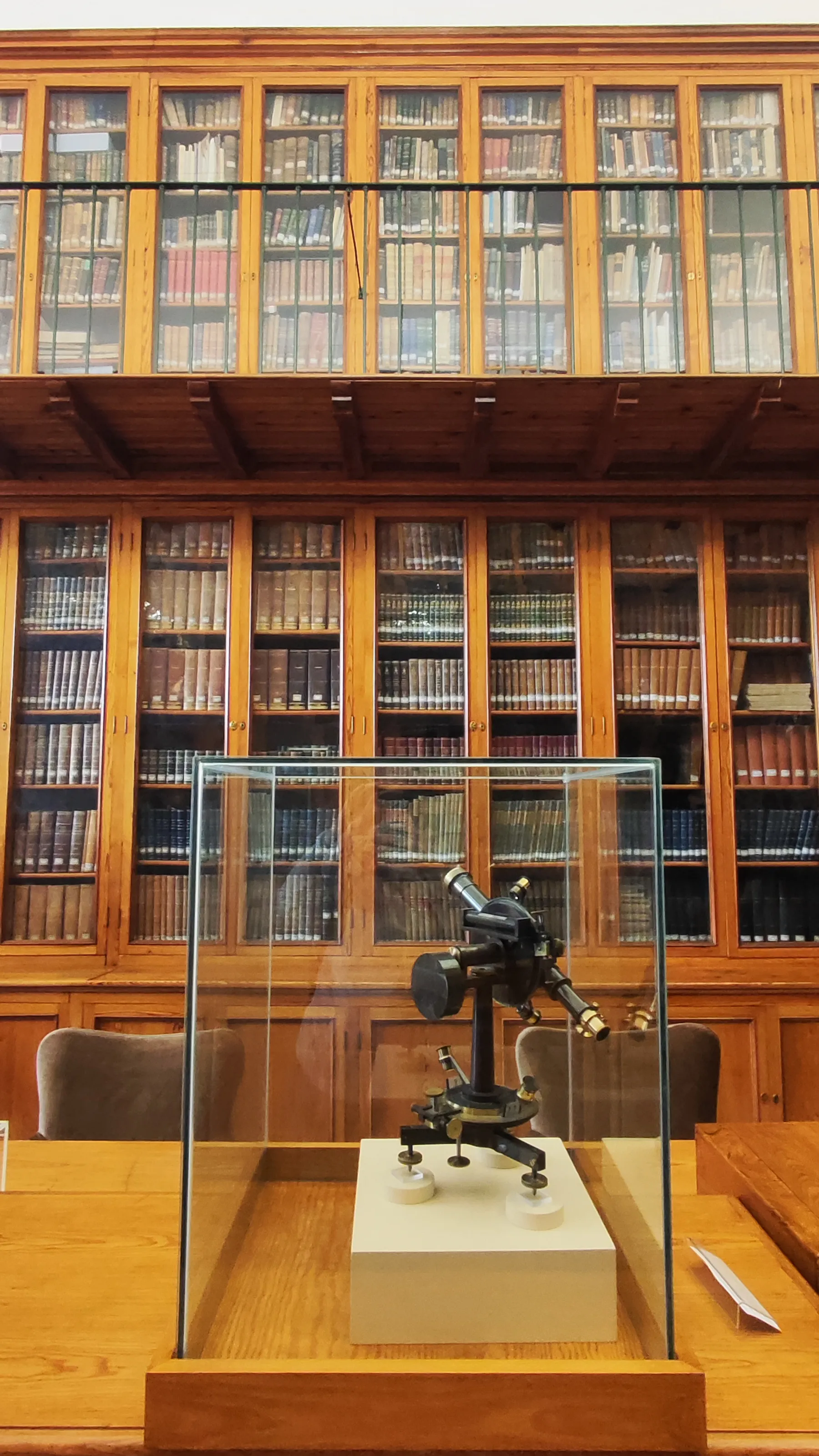
    The Observatory houses a significant collection of historical scientific instruments, alongside important bibliographic and documentary collections, reflecting its long history of scientific activity.

  • Continuous scientific activity since founding

    1790Overview

    The Royal Observatory of Madrid has maintained continuous scientific activity from its founding in 1790 to the present day, serving as the seat of the Spanish National Observatory and conducting research in geophysics.

Royal Observatory of Madrid: Answers to Your Curiosities

Planning a trip to the Royal Observatory of Madrid? Wondering where to park your time machine, or if you even need a reservation? Dive into our FAQs for all the practical details and make your visit to this historic scientific institution in Madrid as smooth as a Foucault pendulum's swing.

Is parking available at the Royal Observatory of Madrid?

No, the Royal Observatory of Madrid does not have parking facilities for visitors.

Do I need a reservation to visit the Royal Observatory of Madrid?

Yes, it is recommended to make a reservation before visiting the Royal Observatory of Madrid.

Does the Royal Observatory of Madrid require timed entry tickets?

Yes, the Royal Observatory of Madrid operates with timed entry, so visitors will need to secure a specific time slot for their visit.

How long does it take to visit the Royal Observatory of Madrid?

A typical visit to the Royal Observatory of Madrid is suggested to last between 90 and 120 minutes.

Royal Observatory of Madrid Visitor Tips

To ensure a smooth experience at the Royal Observatory of Madrid, visitors should plan for a visit duration of approximately 90 to 120 minutes. It is recommended to make a reservation in advance, as timed entry is in place. This helps manage the flow of visitors and ensures access at your chosen time.

Royal Observatory of Madrid Visitor Focus

The Royal Observatory of Madrid appeals to visitors with an interest in science, history, and architectural design. Guests can explore significant historical scientific instruments and admire the neoclassical Villanueva building. As reservations and timed entry are recommended, planning for a focused visit of 90 to 120 minutes will enhance the experience at this institution in Madrid.

Photos of the Royal Observatory of Madrid

Explore photos of the Royal Observatory of Madrid, showcasing its grand neoclassical architecture with prominent domes and columns. The gallery also features a detailed look at the historic scientific instruments, including vintage telescopes with intricate brass and wooden components, some displayed within a scholarly library setting. These images offer a visual journey through its rich scientific and architectural heritage.

Neoclassical building with a central dome and columns, surrounded by green hedges and trees under a clear blue sky
Vintage telescope in a glass case in a library with wooden bookshelves
Neoclassical building with a central dome and columns, set against a blue sky with clouds
Neoclassical building with a central dome and columns, surrounded by green hedges and trees under a clear blue sky
Neoclassical building with columns and domes, the Royal Observatory of Madrid
Large vintage telescope with wooden support structure inside a museum
A large vintage telescope with brass and wooden parts displayed on a stone pedestal inside a museum
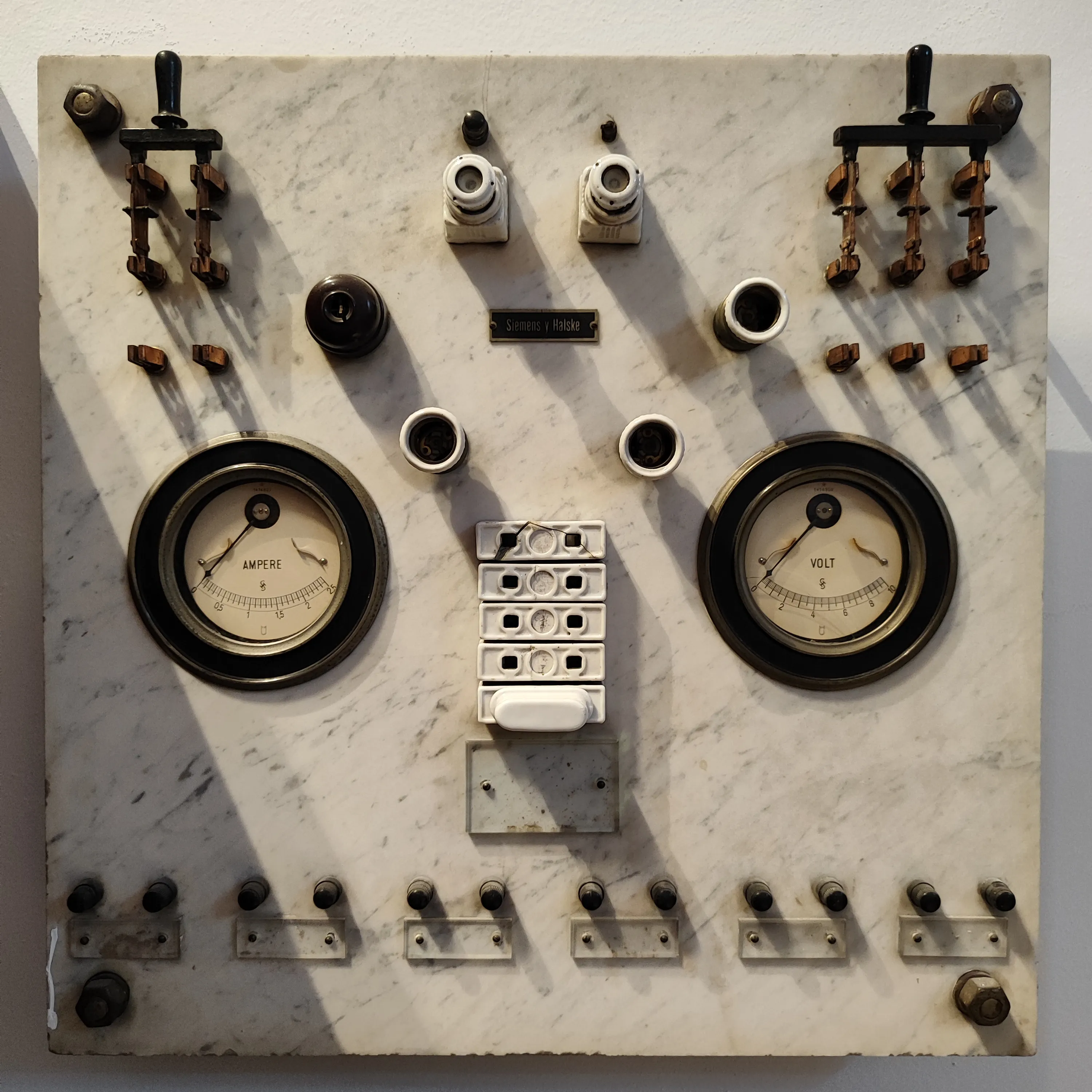
Vintage scientific control panel with gauges, switches, and dials on a marble surface
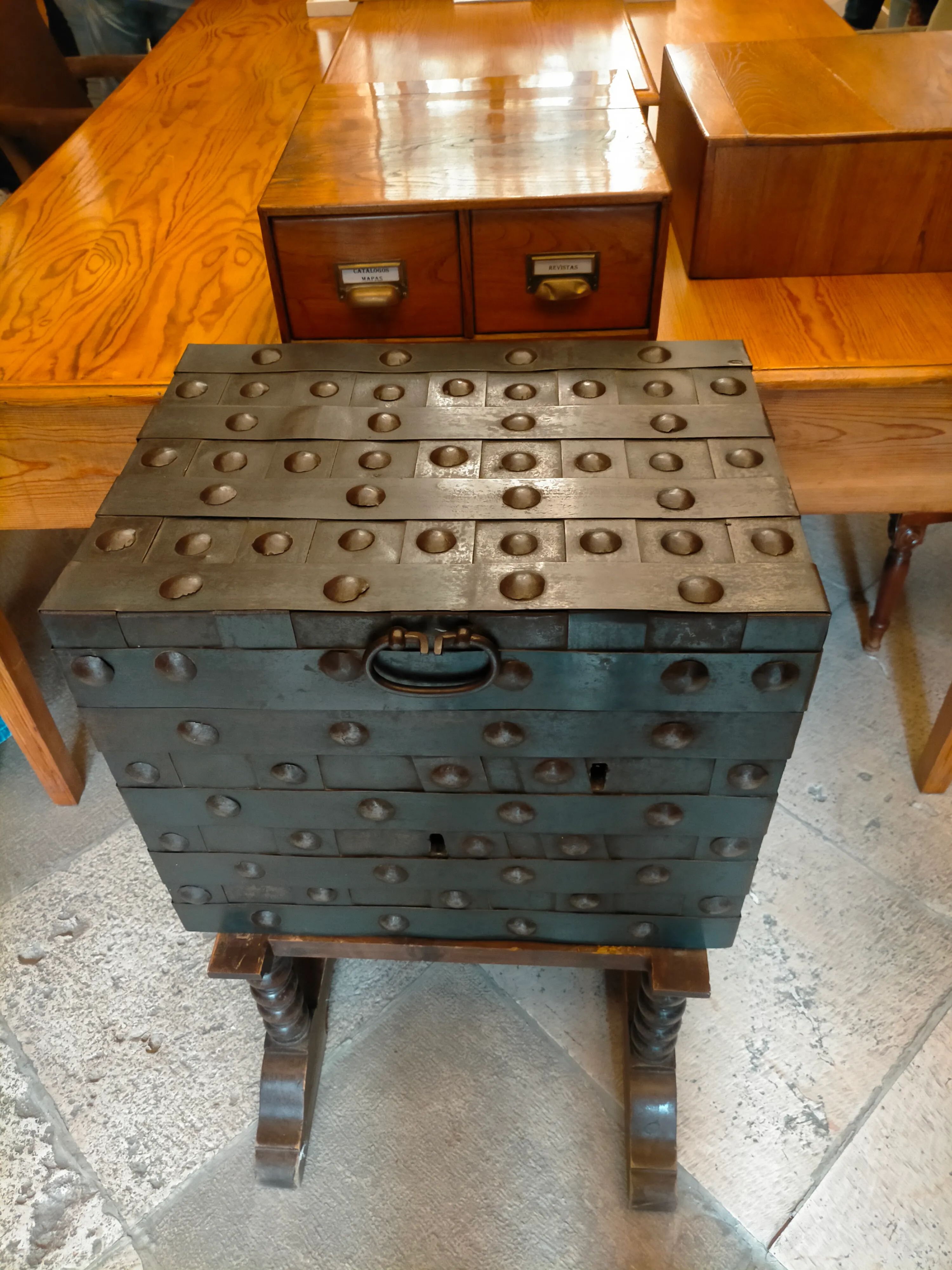
vintage metal chest with circular indentations on a wooden stand
A model of the Royal Observatory of Madrid in a glass case with the building visible outside
Madrid

Find Madrid Museums: Search for Cultural Attractions and Historical Sites

Discover art, history, and unique cultural experiences throughout Madrid.

Locate inspiring museums in Madrid that match your specific interests. Uncover a wide range of cultural institutions, from renowned art galleries to captivating historical collections. Start your discovery of Madrid's vibrant cultural landscape now.

Discover nearby museums similar to Royal Observatory of Madrid in Madrid and plan your next cultural stop with confidence.
These recommendations prioritize real proximity to Royal Observatory of Madrid and help you find high-fit alternatives faster across Madrid.
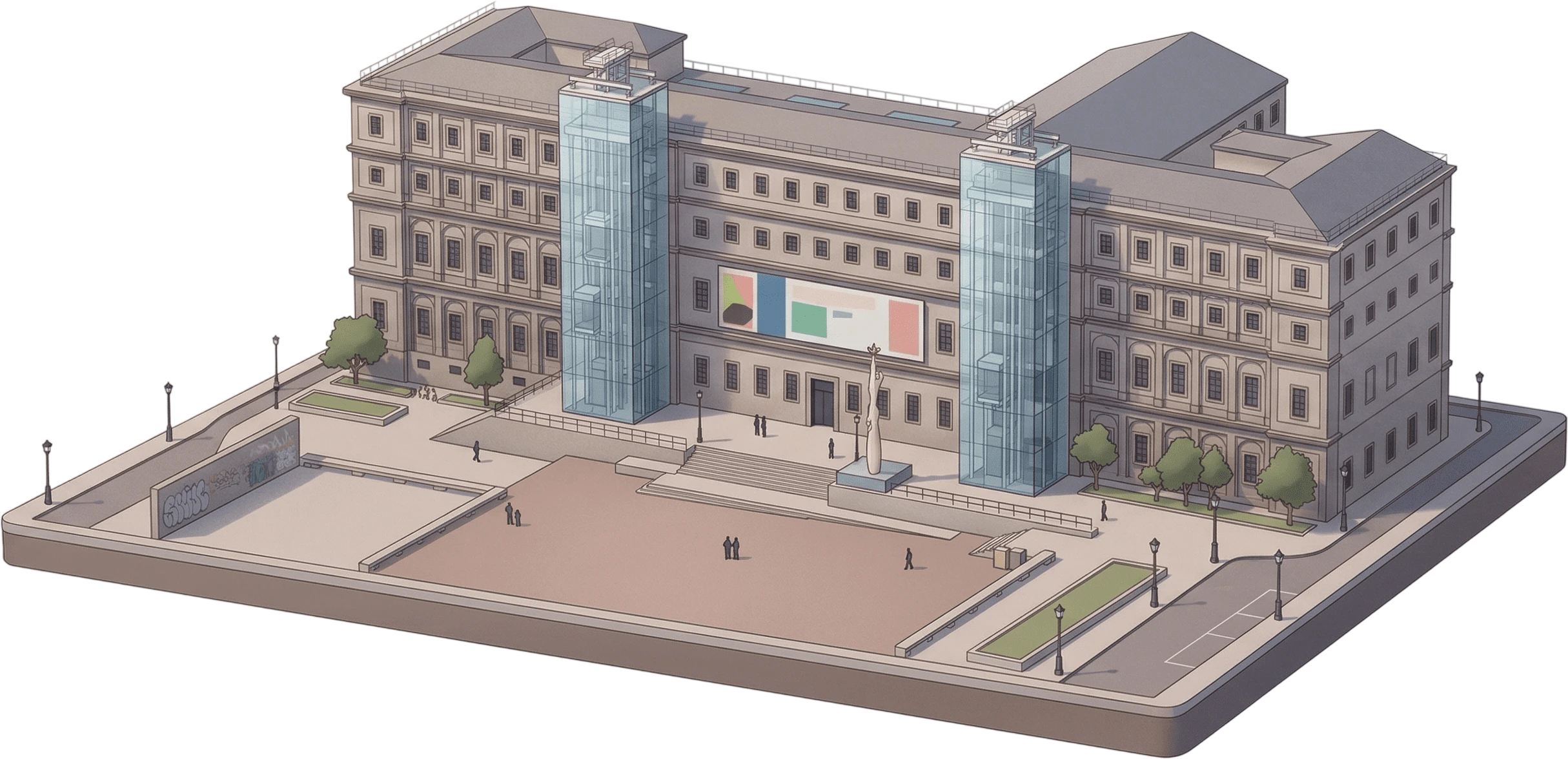
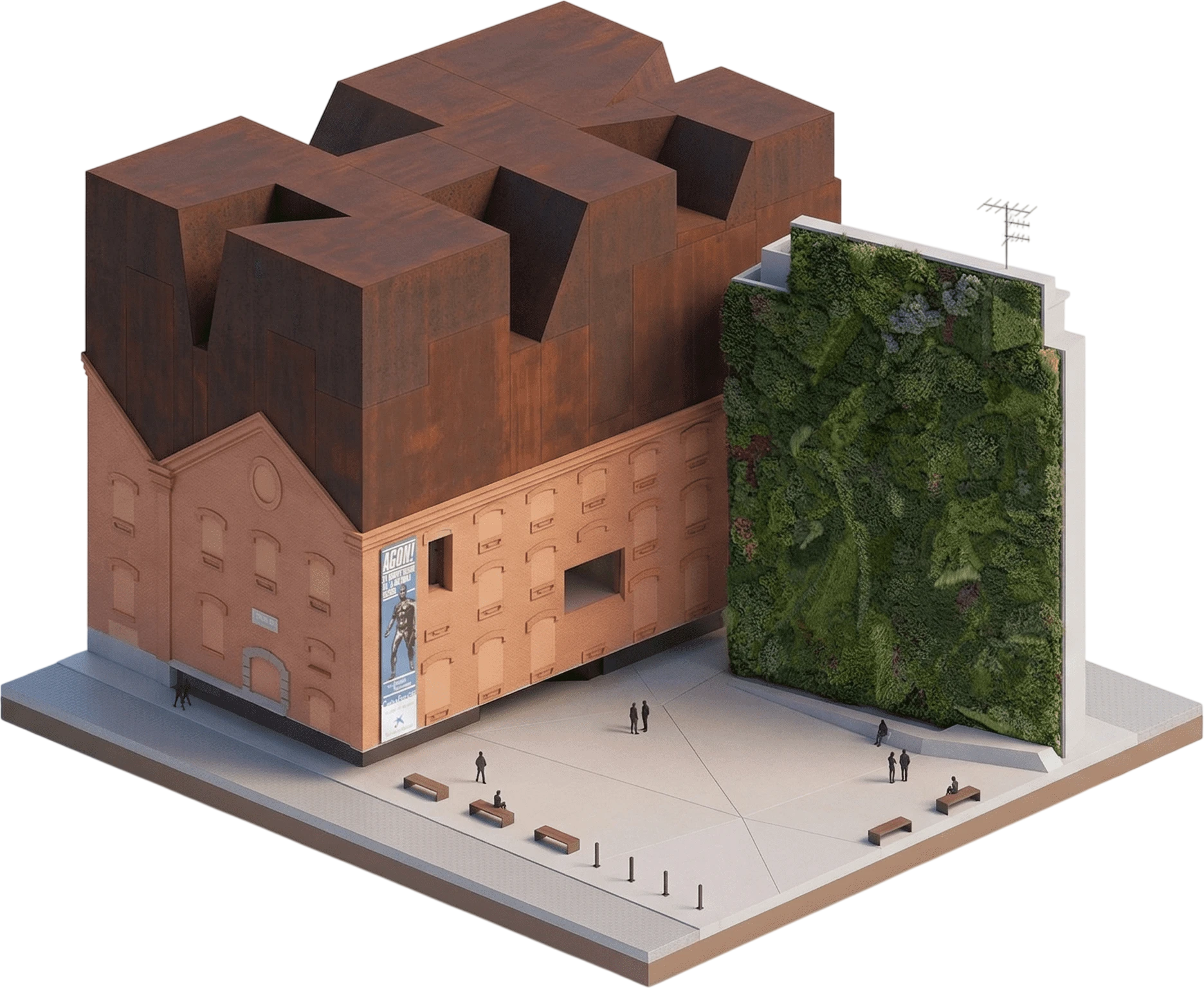
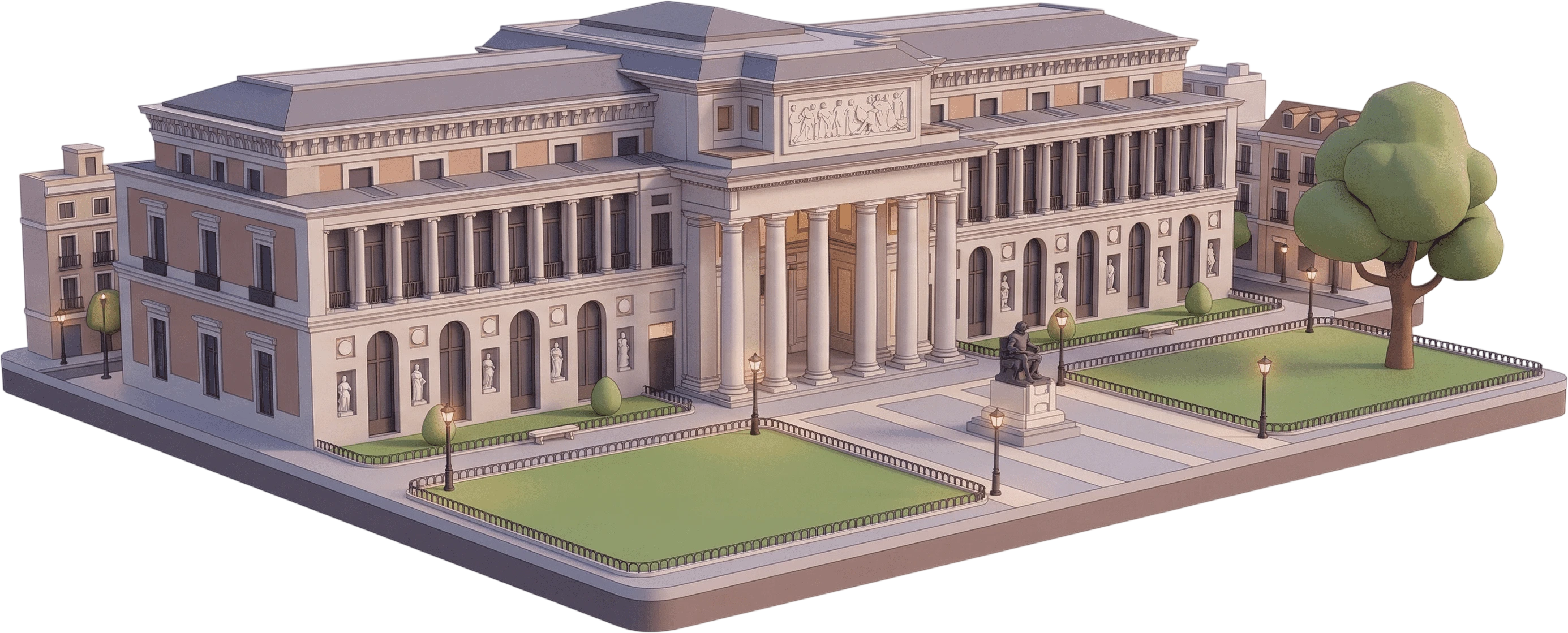
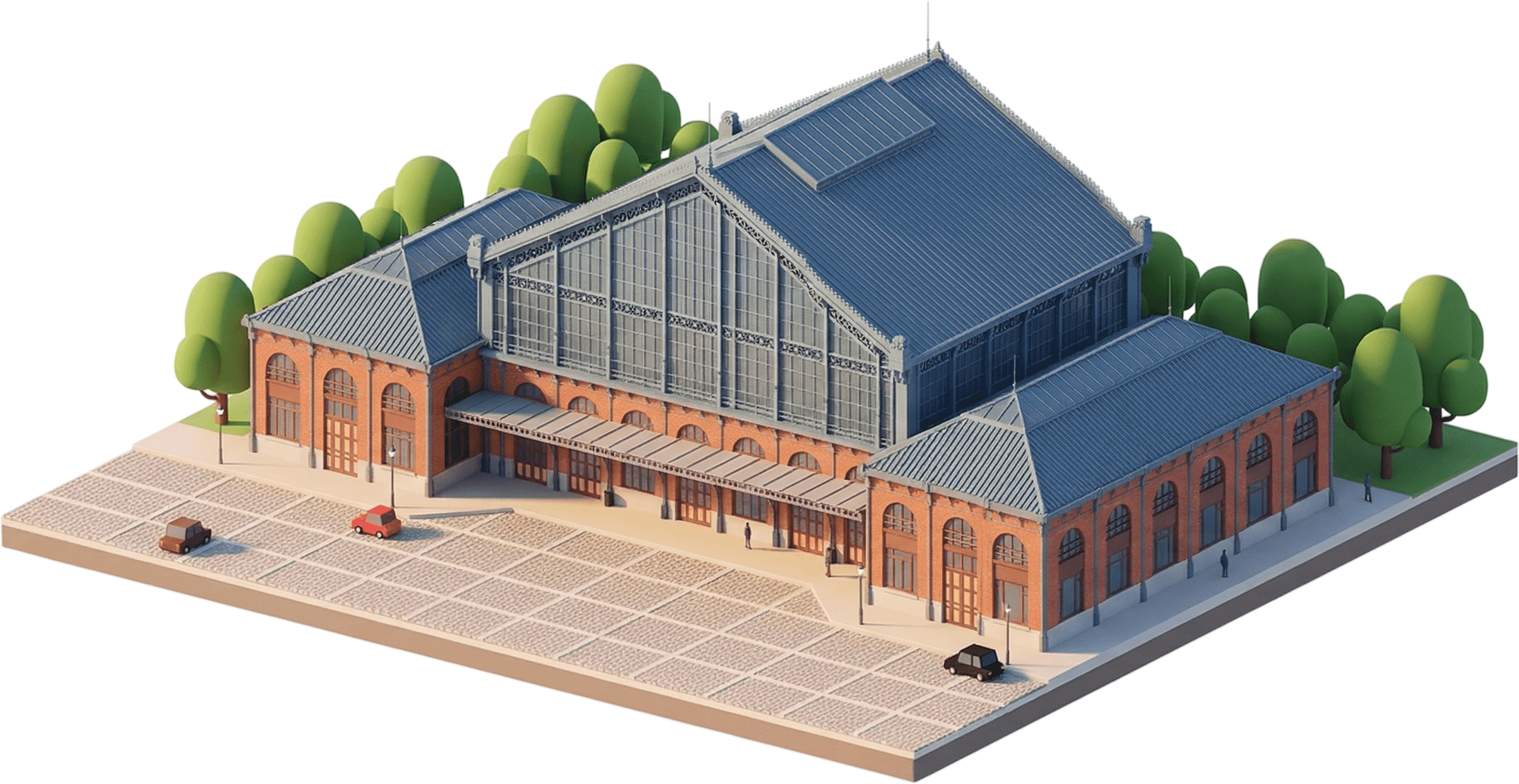
Use this curated list to compare museums near Royal Observatory of Madrid without opening multiple search pages. Each card gives you fast visual context and direct access to key details so you can decide quickly. If you are building a full day in Madrid, this section helps you chain nearby visits with less planning effort.