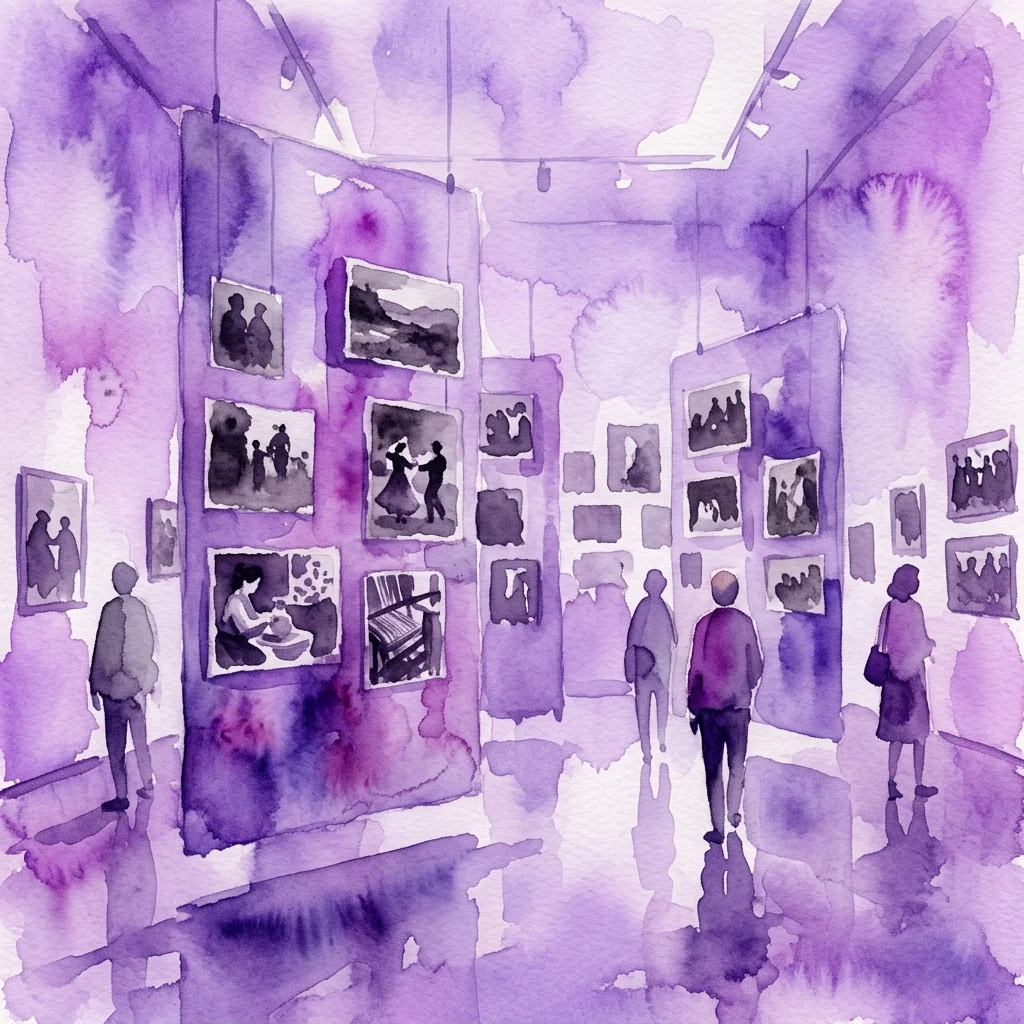
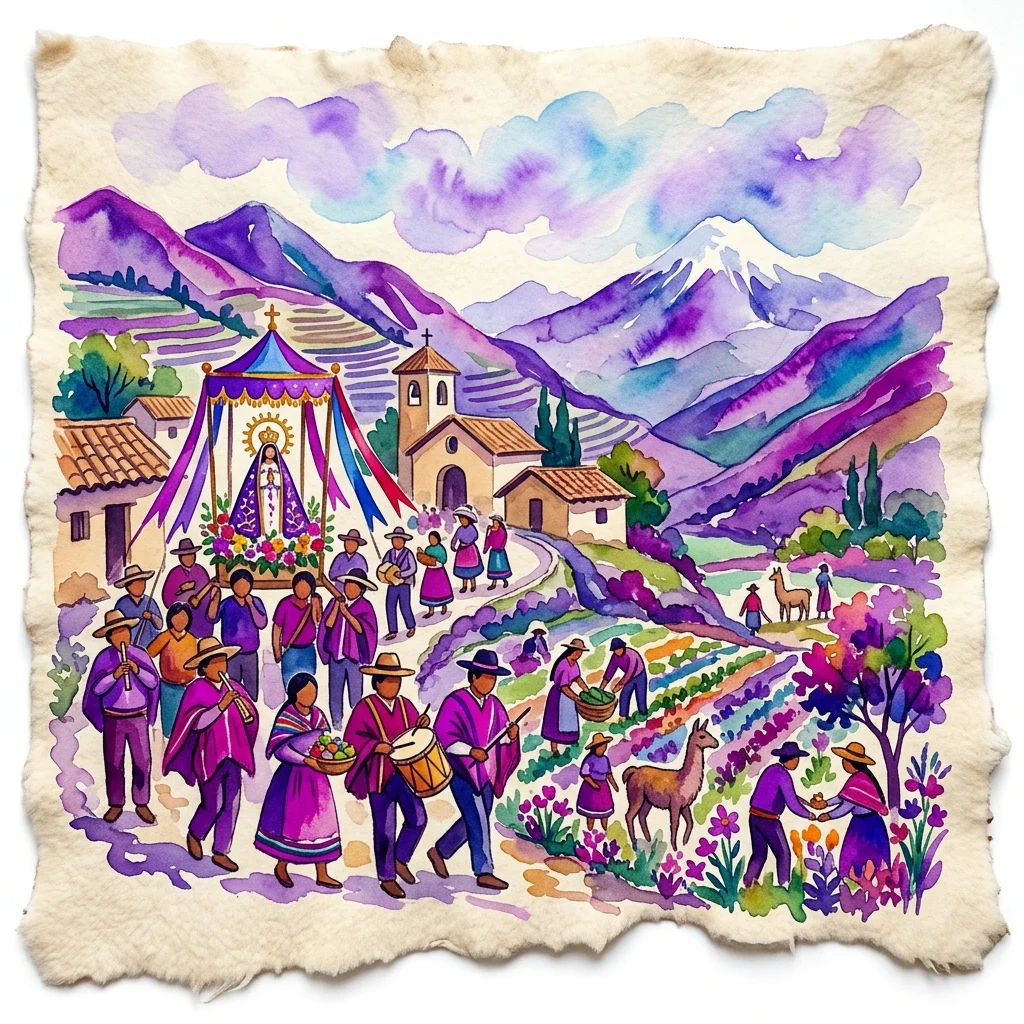
This temporary exhibition, part of the 'Antropología (In)visible' series, delves into the diverse experiences of migration and displacement. It utilizes objects and images to explore themes of waiting, rupture, and transformation, highlighting how mobility is shaped by economic, political, and colonial factors.
The 'Vitrina de Antropología (In)visible' exhibition, under the overarching theme 'Migrar. Historias de movimiento, pertenencia y transformación', examines the constant human experience of migration. It acknowledges that mobility is not uniform, being influenced by economic disparities, political decisions, colonial legacies, and administrative borders that dictate who can move, how, and under what circumstances.
The exhibition showcases various migration and displacement experiences through carefully selected objects and images. It touches upon bureaucratic hurdles, rural abandonment, forced relocations of indigenous peoples, and prolonged exile of refugee communities. These narratives underscore that migration is a complex process affecting daily life, social ties, and the sense of belonging, extending beyond mere geographical change.
Rather than focusing solely on loss, the exhibition also recognizes the adaptive processes, creativity, and reconstruction inherent in migration. These movements leave lasting imprints on lifestyles, interpersonal relationships, and identity formation. By resigning practices, preserving memories, and creating new ways of inhabiting the world, migrants contribute to multiple and evolving identities that continue to shape the present.