Pisa
Museum itinerary · Pisa

Pisa’s art on the Arno, from San Matteo to Palazzo Blu

From gold-ground panels to ink on paper

Walk from San Matteo across the Arno to Palazzo Lanfranchi and Palazzo Blu. Compare painted crosses, works on paper and a collector’s rooms in one outing.

Museum stops
3
Visits and transfers
3 hr 56 min
Suggested days
Tue, Wed, Thu, & Fri
Why these museums go together

Before leaving San Matteo, choose one detail that a worshipper could have read from a distance. Carry that question over the bridge. At the university's print collection you must come much closer to see the pressure of a line. Palazzo Blu then puts paintings back in rooms where a resident could look at them every day.

This river walk changes both medium and audience. A church panel held high above a crowd had to be legible across a nave; a print could be turned in the hand, and a palace acquired paintings for rooms of its own.

ArtHistory
Route map
© OpenStreetMap contributors

The itinerary, stop by stop

Stop 1 · 1 hr 20 min
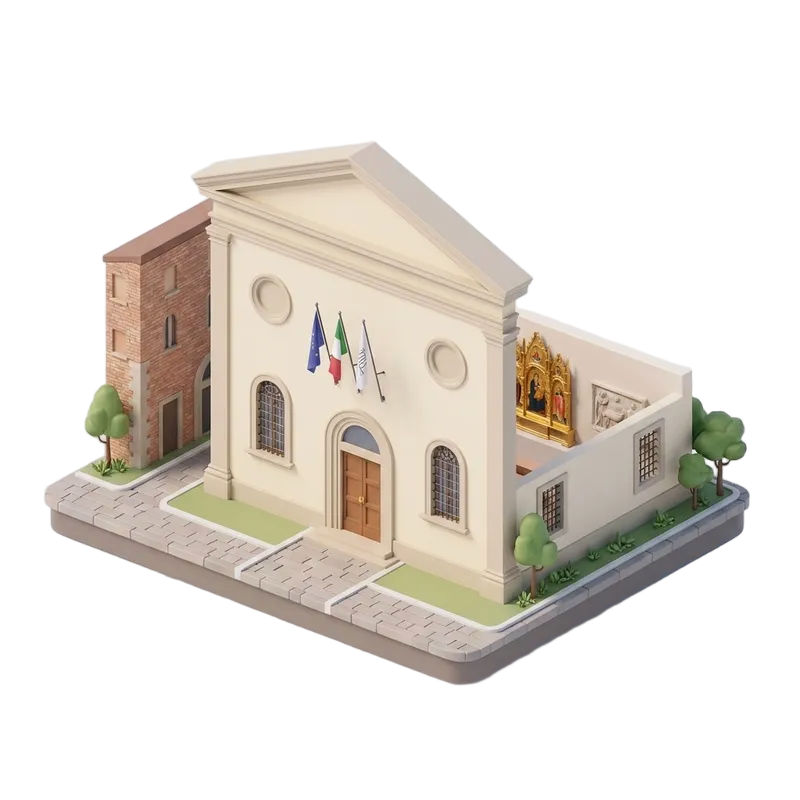
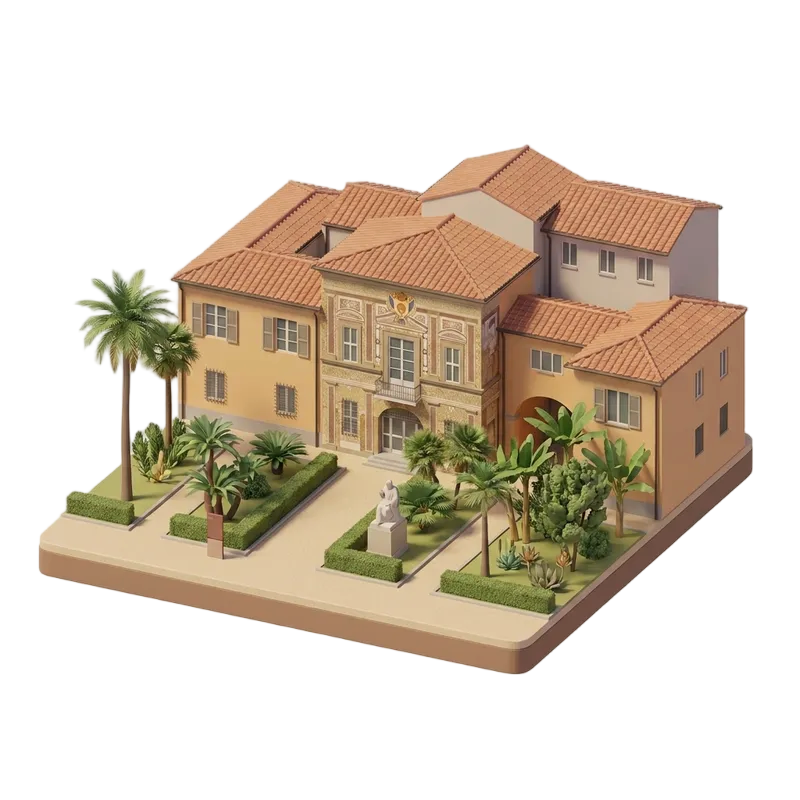
National Museum of San Matteo

The former convent is a close-up study of medieval Pisa. Compare the faces and body language on the painted crosses and look for the Gothic sculptures associated with Santa Maria della Spina. Start with the painted crosses and give yourself half an hour to see the differences among the figures rather than reacting to gold grounds as if they were all alike. Continue with a gold-ground altarpiece and the marble sculpture. Save a quarter hour for a fifteenth-century painting or a reliquary. If a named work is on loan, choose another well-lit object in its family and use the same looking exercise.

This stop gives the later Palazzo Blu pictures something specific to be compared against: the materials, light and scale of an image conceived for a church.

What to look for

Painted crosses
Find the cross associated with Giunta Pisano, also called the San Ranierino cross. View the bowed head and weight of the body from the end of the room before approaching the panel. Compare the gestures with the Pisan-Byzantine cross associated with the monastery.
Gold-ground polyptychs
Look for the polyptychs connected with Simone Martini and Francesco Traini. Pick one tier and compare the size and spacing of the saints. A frame and compartments can direct the viewer as firmly as the arrangement of figures within a single painted space.
Gothic marbles
Use the sculptures associated with Santa Maria della Spina to compare what used to be architectural ornament with a freestanding gallery view. Take a step back to read the pose before going close enough to see the cuts and folds in the stone.
Masaccio’s Saint Paul
The museum identifies Saint Paul as a surviving panel of Masaccio’s Carmine altarpiece. Look at how the figure’s weight and shadow occupy space. If the panel is temporarily away, compare a different work from the first Renaissance rooms with the gold-ground paintings you saw first.
Donatello’s San Rossore
The reliquary bust offers an approach to portraiture very different from a painted cross. Compare the tilt and proportions of the face with another devotional figure from the earlier galleries. If the bust is unavailable, look for another liturgical work whose materials invite close examination.

Walk · 6 min

Getting to Museum of Graphic Arts

Follow the walking route via Lungarno Mediceo → Ponte della Fortezza → Lungarno Galileo Galilei. The mapped distance is about 440 m, or 6 minutes on foot.

Stop 2 · 1 hr 5 min
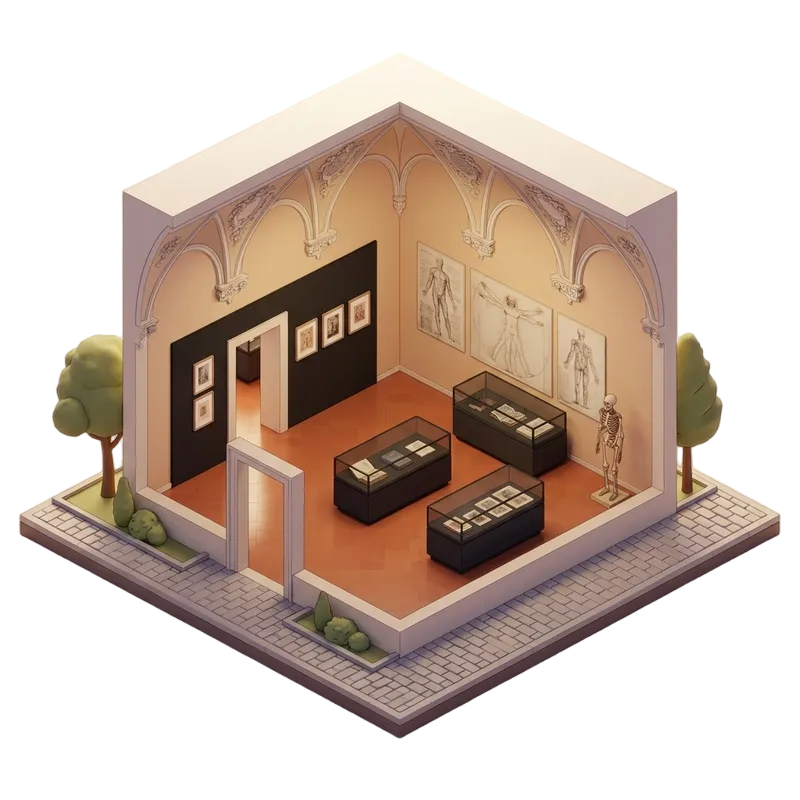
Museum of Graphic Arts

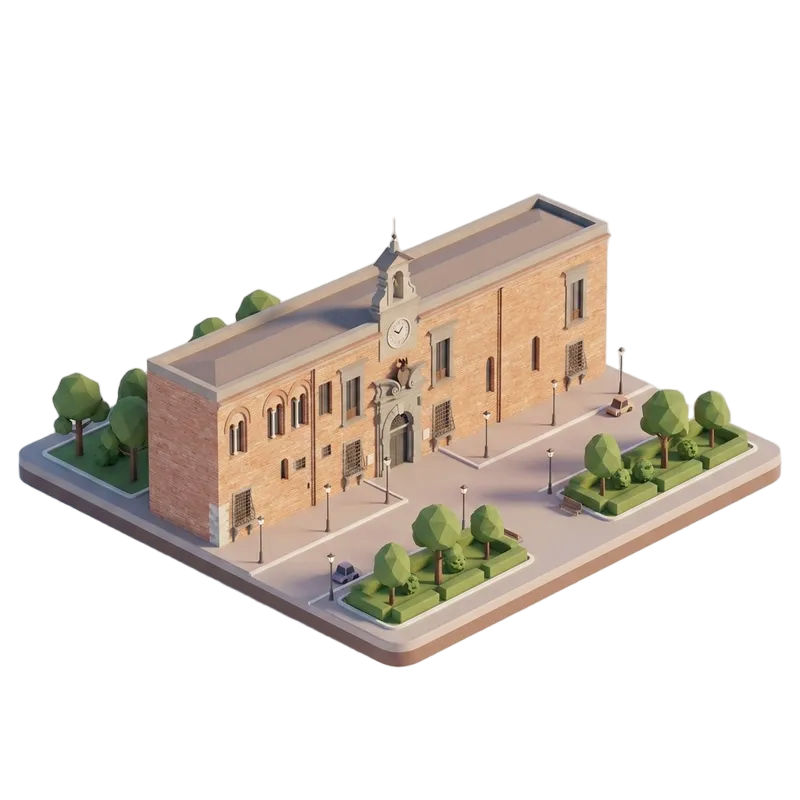
Use the current show to compare the surfaces, lines and marks of drawings or prints. The university museum’s setting in Palazzo Lanfranchi adds a second layer to the visit. Begin in the current exhibition and allow twenty minutes to compare a print or drawing at a useful viewing distance. Then go to the museum’s multimedia room to see selections from the wider holdings. Do not spend your whole first hour trying to find a named work on paper: a small set of comparable lines, textures and tonal changes makes better preparation for Palazzo Blu.

The prints show how line, repetition and surfaces make an image before the palace’s paintings and furnishings introduce colour and room scale.

What to look for

The multimedia room
The museum designed this room to keep selected sheets virtually accessible during opening hours. Use it if you cannot see a named artist’s sheet in the physical display. Zoom into a mark and then back out to the composition to understand how the image works at both scales.
The Timpanaro collection
The scientist and collector Sebastiano Timpanaro’s holdings formed an early core of the university cabinet. Look for a digitally available sheet from that collection or use a current example to see how a private interest in graphic work becomes a public collection.
Prints from the Calcografia
The museum’s collections include a substantial deposit from the Calcografia Nazionale. Many impressions were made in the nineteenth century. If a selection is available, compare the date of the impression with what the image depicts and think about why edition and paper matter to the record.
Gifts by artists
The museum lists gifts by artists including Bruno Munari, Emilio Vedova and Giuseppe Capogrossi. Consult its selection rather than assuming a named sheet is on the wall. Try tracing how an artist’s individual marks can be recognised when the colour range or format is reduced.
Palazzo Lanfranchi
Return your attention to the setting after the paper displays. Notice the difference in scale between a small mark under glass and the doorways or walls of a former residence. It sets up the next stop’s move from collected pictures to the design of interiors.

Walk · 10 min

Getting to Palazzo Blu

Follow the walking route via Lungarno Galileo Galilei → Lungarno Gambacorti. The mapped distance is about 710 m, or 10 minutes on foot.

Stop 3 · 1 hr 15 min
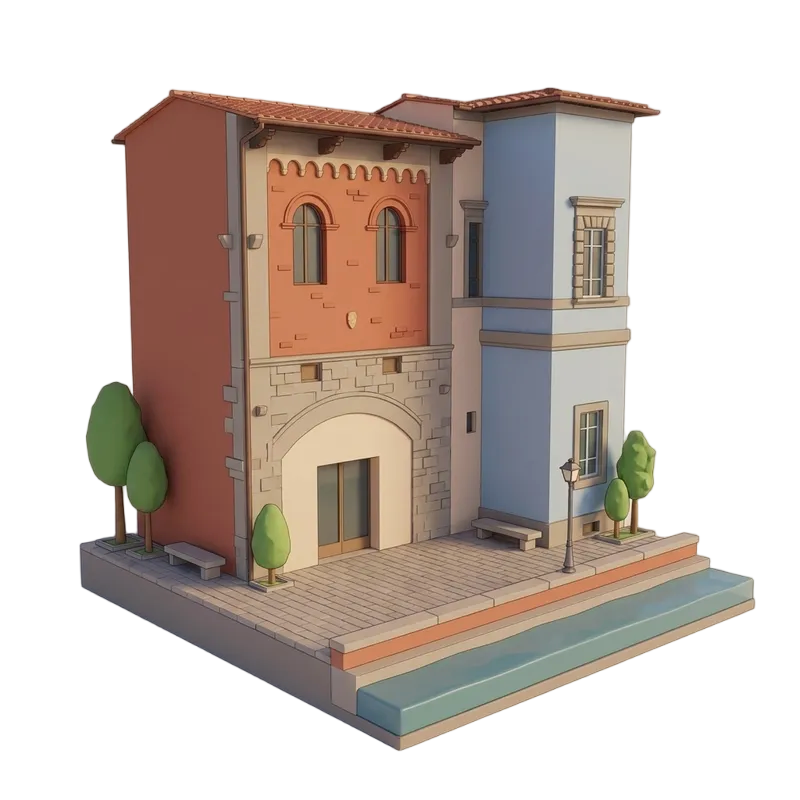
Palazzo Blu

Focus on the permanent collection and the interiors where it is displayed. After the prints, look for how brushwork and colour create depth or movement in a painted scene. Go to the second-floor chronological presentation first and give one painting the same sustained attention you gave a print. Then choose one furnished room on the first floor. End in the river-facing interiors rather than trying to squeeze in the temporary exhibition. If the collection galleries are unavailable, check with the ticket desk before choosing an alternative display.

The permanent galleries let you see how painted light works differently from graphic line, while the reconstructed residence turns the rooms into part of the argument.

What to look for

Gentileschi and painted light
Compare a painting by Orazio or Artemisia Gentileschi when displayed with a graphic work you remember from Palazzo Lanfranchi. Choose one fold or hand and see how light and colour model it without a line serving as an outline.
The Simoneschi furnishings
Look at the relationship between a painting and the furniture next to it in the first-floor residence. The furnishings come from several sources, so the room proposes one historic arrangement. It is worth noting how the placement, height and frame affect what you see.
Music Room and Dining Room
The palace highlights both of these rooms in its reconstruction of a nineteenth-century home. Choose one and compare the view from the doorway with what becomes clear when you move toward the walls. Let the room show how arrangement shapes an encounter with art.
Blue façade and restoration
After the visit look back from the riverfront. The revived historic blue façade gives the collection a place within the Arno streetscape. Contrast the shape and colour of the exterior with the marks you studied in individual prints and paintings during the two visits.

Timing, booking and admission

Set your pace

Start at San Matteo at 10:00 on Tuesday through Friday. An 80-minute first stop puts you at Palazzo Lanfranchi after 11:20, even under its later summer schedule. Break for lunch on the south bank before the furnished rooms at Palazzo Blu.

What to book ahead

Check the graphic arts exhibition before booking anything. Paper rotates, so choose a show that rewards close looking. Palazzo Blu’s temporary-show tickets and its collection admission are separate choices.

Tickets and museum passes

San Matteo is a state museum, the print collection belongs to the university and Palazzo Blu sells its own admissions. Compare the individual products for the rooms you intend to visit.

Sources and route research

Browse All Current Museum Exhibitions and Cultural Programs Throughout Pisa
A guide to exploring art and history through city exhibitions.
Connect with the vibrant cultural programming found in local galleries and museums. Discover unique exhibitions covering everything from gothic architecture to maritime heritage across the historic districts of Pisa.
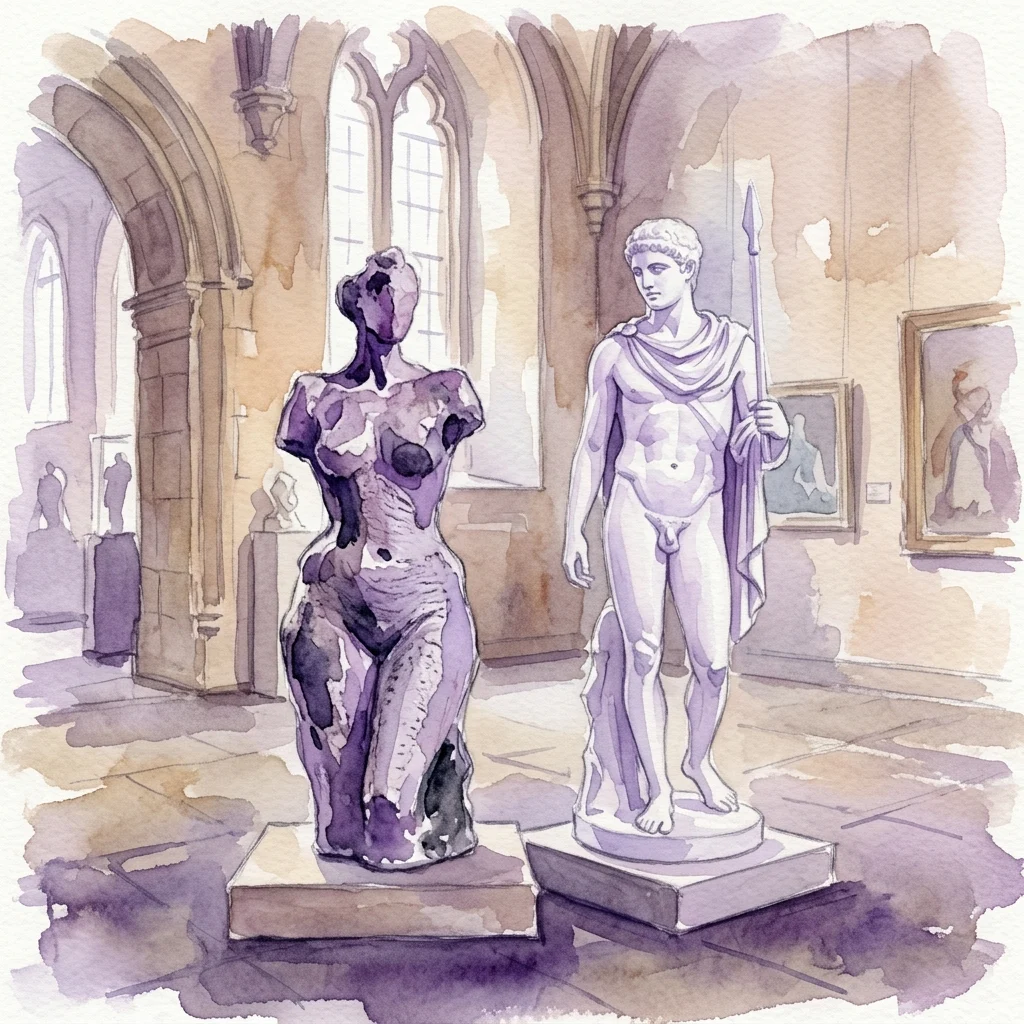
Watercolor illustration of a rough contemporary ceramic sculpture beside a classical white plaster statue of a spear-bearing male figure in a vaulted university gallery.
Gipsoteca of Ancient Art
From Dec 15, 2024

A memoria di forma Exhibition at Gipsoteca di Arte Antica in Pisa

Contemporary ceramic art dialogue featuring Caterina Sbrana and Gabriele Mallegni.

Discover hybrid ceramic and terracotta forms that reinterpret ancient sculptural techniques. This collaborative project at the Gipsoteca di Arte Antica investigates memory, transformation, and artistic regeneration through imaginative portraiture and architectural studies.

A memoria di forma
Purple watercolor illustration of abstract sculptural forms with scattered hand motifs, the artwork hero for the IN/CROCI 2.0 exhibition.
Cantiere Sanbernardo
From Feb 15, 2023

IN/CROCI 2.0: A Multidisciplinary Exhibition at Cantiere Sanbernardo in Pisa

An intersectional collective project featuring diverse performance and contemporary art.

Curated by Laura Griffa and Jennifer Telluzzi, this project uses multidisciplinary practices to reflect on complex social dynamics. The collaborative works emphasize individual and group perspectives on themes of identity and exclusion.

IN/CROCI 2.0
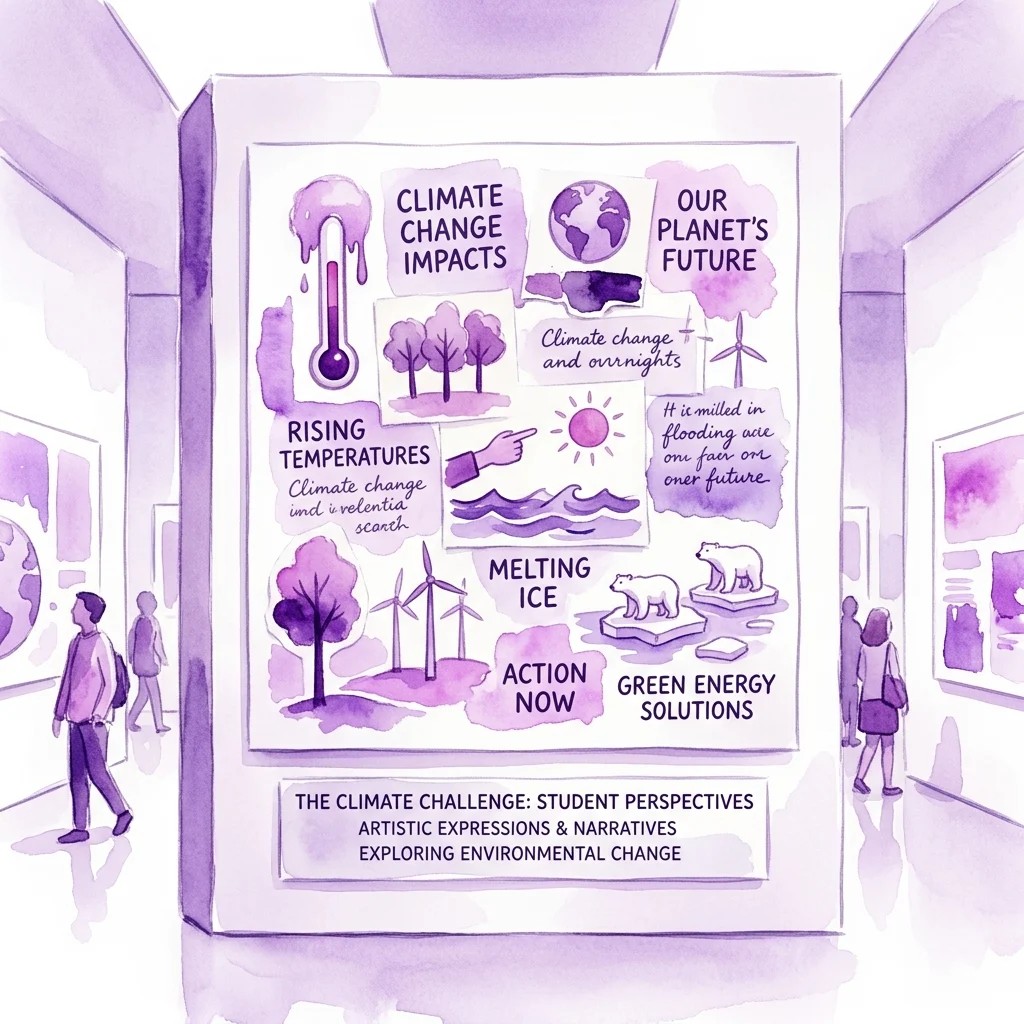
Watercolor-style illustration of a museum gallery wall displaying student artworks about climate change, featuring a thermometer, Earth, trees, a wind turbine, polar bears, and the message 'The Climate Challenge: Student Perspectives.'
Museum of Graphic Arts
From Jul 27, 2026

Climate Through the Eyes of Youth Exhibition at Museo della Grafica

Featuring award-winning student works focused on climate change and sustainability.

Discover a collection of compelling narratives and illustrations created by secondary school students. The exhibition highlights environmental themes through the lens of academic competition and creative expression.

Climate Through the Eyes of Youth
Pisa

Browse the Extensive List of Museums and Cultural Attractions in Pisa

Discover historic art collections and scientific landmarks across the city.

Review an overview of significant museum spaces and cultural sites across the city. Focus on exploring unique collections spanning from medieval religious art to specialized academic museums and maritime history.