
Pisa
Museum itinerary · Pisa

Pisa’s Palazzo Reale and Botanical Garden: A Medici Walk

Follow court patronage from a portrait gallery to the university’s living collections.

Start with the figures and fabrics of Medici court portraits, then take Via Santa Maria toward Pisa’s botanical garden. The outdoor route compares the oldest systematic beds with the Cedar Garden, historic trees and medicinal plants.

Museum stops
2
Visits and transfers
2 hr 18 min
Suggested days
Tue, Wed, Thu, Fri, & Sat
Why these museums go together

Court portraits and a botanical garden make an unexpected pairing. In Palazzo Reale, look at how the Medici and subsequent rulers presented themselves. At the Orto Botanico, follow the university’s practical arrangement of plants and finish among the older collections.

The Medici story runs quietly through both places. The palace uses portraiture and furnishings to represent a ruling house. The Botanic Garden’s history points to the study of medicinal plants with university backing from Cosimo I. Watch for the different ways the two institutions sorted knowledge: dynasties and artists indoors, related plants and their uses outdoors.

HistoryNature
Route map
© OpenStreetMap contributors

The itinerary, stop by stop

Stop 1 · 1 hr 5 min
National Museum of Palazzo Reale

Begin with the portraits and rooms that trace the building’s passage from the Medici to the Lorraine and Savoy houses. Court dress and material details reward a closer look. Take fifteen minutes to orient yourself to the former grand-ducal residence and start with the portraits; compare different rulers before moving to any decorative display. Choose a tapestry to see how the room’s treatment changes when the object occupies a whole wall. On a short visit keep the court rooms ahead of the small paintings.

This first stop shows the patronage and presentation side of Pisan institutions. The garden below looks at one form that patronage took within the university.

What to look for

Eleonora and Francesco de’ Medici
In the portrait by Bronzino, inspect the fabrics and then the controlled expression. The two convey status in different ways. Compare the composure of the faces with the amount of information the painted clothes give you about the court.
Armour of the Gioco del Ponte
Look at the protective shape of one piece and ask how it would limit or redirect a person’s movement. The local bridge contest gives the objects a specific civic setting. After the ship fittings, this is a second chance to see how equipment silently preserves the requirements of an activity.
Lorenzo the Magnificent tapestry
The royal collection includes a tapestry showing Lorenzo encouraging the arts. Read the scene both as an image and as a furnishing made for a wall. Its size, texture and carefully arranged figures help explain why woven decoration was a useful tool for a court.
Raphael’s small narrative panel
If the museum’s Miracle of the Two Hanged Men is available, see how the painter gives a small panel enough space to tell a dramatic story. If it is away, choose Rosso Fiorentino’s Rebecca at the Well if shown, or another narrative work from the private collections.

Walk · 8 min

Getting to Botanical Garden and Museum of Pisa

Walk about 500 m via Lungarno Antonio Pacinotti and Via Santa Maria, then turn into Via Luca Ghini for the garden entrance.

Stop 2 · 1 hr 5 min
Botanical Garden and Museum of Pisa

Explore the historic Botanical School sector and compare the systematic beds, then look for the old magnolia and ginkgo in the Cedar Garden. The route works in the outdoor garden while the museum rooms are closed. Take the map or note the signs at Via Luca Ghini. Begin in the Botanical School and then compare the older trees in the Cedar Garden. On a cooler day follow with the Myrtle Garden and the other outdoor sectors rather than making the trip depend on greenhouse access. If maintenance blocks a sector, keep the classification beds and choose another open collection to contrast with them.

The labels, beds and tracks make the university’s arrangement of living material visible. Notice which collections group plants by family and which group them by use or environment.

What to look for

The Botanical School
In the oldest part of the garden, look at the way the systematic beds establish relationships. Follow two labels and compare visible traits such as leaf shape or growth habit. The useful discovery here is how the beds help you notice family resemblance.
Old magnolia and ginkgo
In the Cedar Garden, compare the strongly different branching and leaves of the old magnolia and ginkgo. Consider what the size of these specimens tells you that a label, seed or botanical illustration could never make clear on its own.
The Myrtle Garden
Look for the historic myrtle and the collection of medicinal plants. Ask how an arrangement grouped by practical uses would feel different from the family-based order of the Botanical School. Check the labels rather than inferring that any plant is safe to touch or use.
Aquatic plants and Chilean palms
In the New Garden, choose the aquatic collection or the older Chilean wine palms depending on the day’s access. Compare the water plants’ display with the size and spacing of the palms. On maintenance days treat this sector as optional.
Mediterranean plants in Del Gratta
Use this sector to see a collection organised around an environment rather than a single plant family. Look for repeated traits across different plants and ask which help deal with dry conditions. This is a good last comparison before heading back to Via Luca Ghini.
Timing, booking and admission

Set your pace

Start at 10:00 Tuesday–Thursday or Saturday. On Friday the palace opens in the afternoon, so start there at 14:00 and reach the garden well before its 16:00 winter last entry. At a 10:00 morning start, leave Palazzo Reale around 11:05 and aim for the garden by 11:15. Finish around 12:20. On Friday, move the same sequence to 14:00 and aim for the garden before 15:20. In winter, keep the garden’s 16:00 last entry as a hard constraint. If the palace visit runs late, trim the court display and protect the outdoor circuit.

What to book ahead

Check Palazzo Reale’s day-specific opening before leaving home. Confirm any same-day garden closures for palm treatments or weather. The route assumes the grounds are open and has no need for the temporarily closed indoor Botanical Museum. Make sure any pass or admission you pick is valid for the outdoor garden.

Tickets and museum passes

Allow for separate admissions or check current Pisa Card coverage. The outdoor Orto is the second stop. The indoor Botanical Museum is temporarily closed following the August 2026 earthquake.

Sources and route research

Browse All Current Museum Exhibitions and Cultural Programs Throughout Pisa
A guide to exploring art and history through city exhibitions.
Connect with the vibrant cultural programming found in local galleries and museums. Discover unique exhibitions covering everything from gothic architecture to maritime heritage across the historic districts of Pisa.
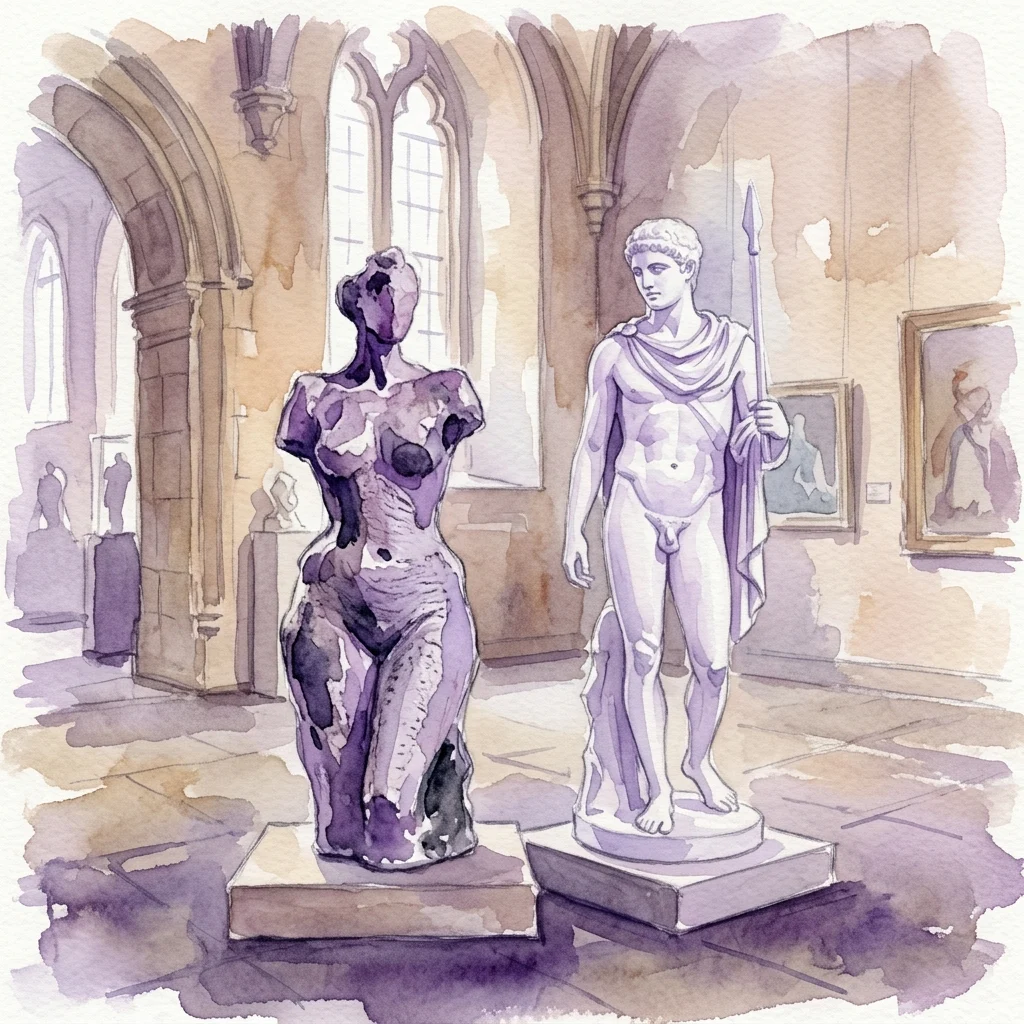
Watercolor illustration of a rough contemporary ceramic sculpture beside a classical white plaster statue of a spear-bearing male figure in a vaulted university gallery.
Gipsoteca of Ancient Art
From Dec 15, 2024

A memoria di forma Exhibition at Gipsoteca di Arte Antica in Pisa

Contemporary ceramic art dialogue featuring Caterina Sbrana and Gabriele Mallegni.

Discover hybrid ceramic and terracotta forms that reinterpret ancient sculptural techniques. This collaborative project at the Gipsoteca di Arte Antica investigates memory, transformation, and artistic regeneration through imaginative portraiture and architectural studies.

A memoria di forma
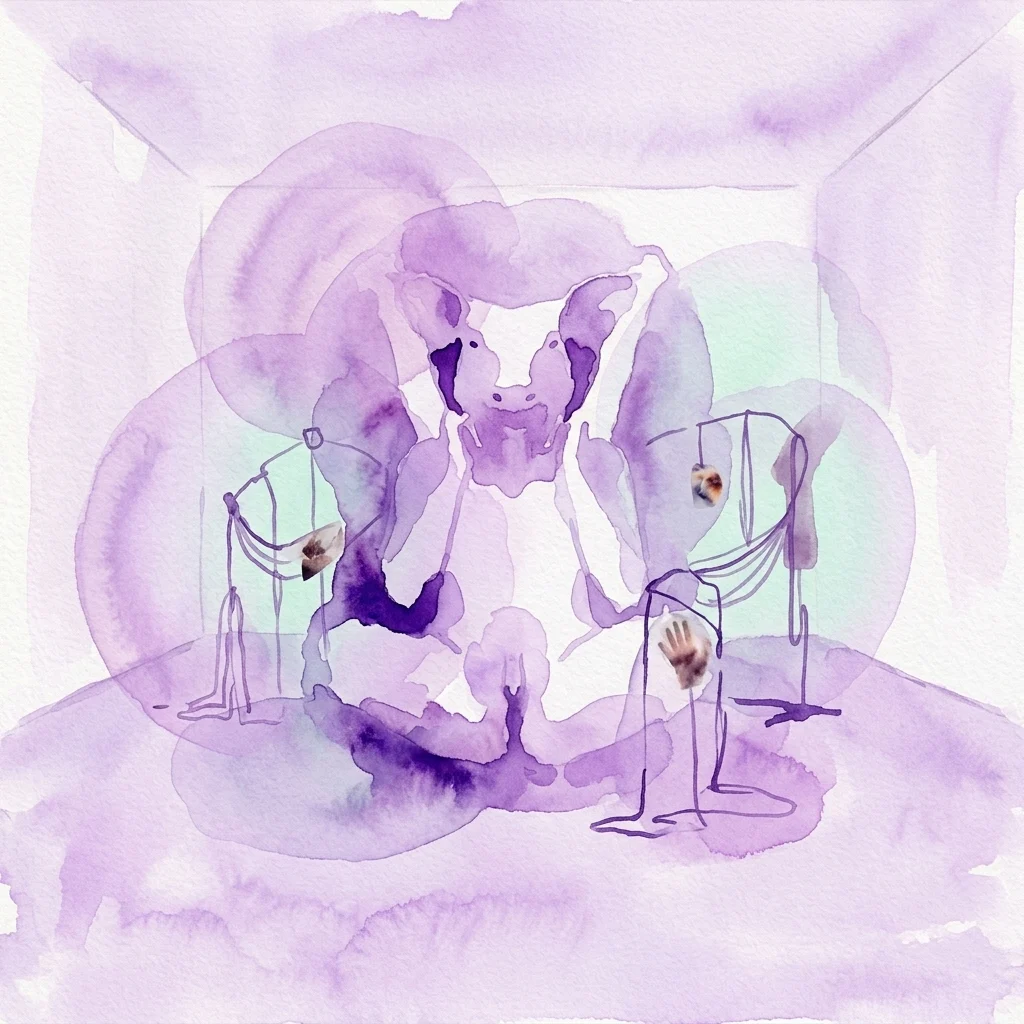
Purple watercolor illustration of abstract sculptural forms with scattered hand motifs, the artwork hero for the IN/CROCI 2.0 exhibition.
Cantiere Sanbernardo
From Feb 15, 2023

IN/CROCI 2.0: A Multidisciplinary Exhibition at Cantiere Sanbernardo in Pisa

An intersectional collective project featuring diverse performance and contemporary art.

Curated by Laura Griffa and Jennifer Telluzzi, this project uses multidisciplinary practices to reflect on complex social dynamics. The collaborative works emphasize individual and group perspectives on themes of identity and exclusion.

IN/CROCI 2.0
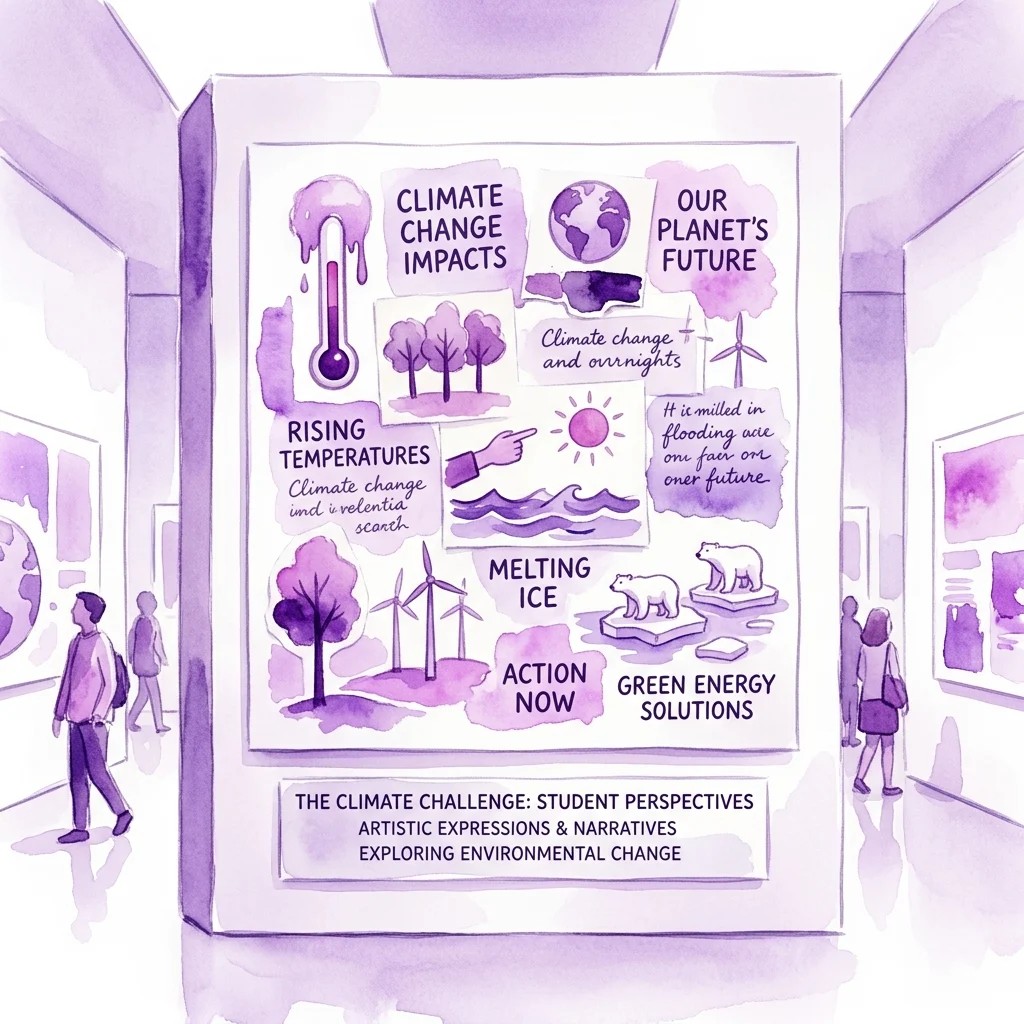
Watercolor-style illustration of a museum gallery wall displaying student artworks about climate change, featuring a thermometer, Earth, trees, a wind turbine, polar bears, and the message 'The Climate Challenge: Student Perspectives.'
Museum of Graphic Arts
From Jul 27, 2026

Climate Through the Eyes of Youth Exhibition at Museo della Grafica

Featuring award-winning student works focused on climate change and sustainability.

Discover a collection of compelling narratives and illustrations created by secondary school students. The exhibition highlights environmental themes through the lens of academic competition and creative expression.

Climate Through the Eyes of Youth
Pisa

Browse the Extensive List of Museums and Cultural Attractions in Pisa

Discover historic art collections and scientific landmarks across the city.

Review an overview of significant museum spaces and cultural sites across the city. Focus on exploring unique collections spanning from medieval religious art to specialized academic museums and maritime history.