
Pisa
Museum itinerary · Pisa

A day in Pisa from the Medici court to the cathedral workshops

Four stops between the Arno and Piazza del Duomo

Start at Palazzo Reale, walk through Pisa’s botanical garden and finish with the Sinopie and Opera del Duomo museums. Plan lunch before the cathedral square.

Museum stops
4
Visits and transfers
4 hr 26 min
Suggested days
Tue, Wed, Thu, & Sat
Why these museums go together

The Leaning Tower is easy to spot. The work that made Pisa a court, a centre of study and a cathedral city takes more looking. Begin with the faces of its rulers, step into the university garden and arrive at the square ready to look past the marble façades.

Four kinds of evidence survive here. Portraits show how rulers wanted to be seen. Ordered plant beds record how scholars classified nature. The sinopie preserve decisions made before painting, and the Opera museum keeps finished objects removed from the monuments.

ArtNatureHistory
Route map
© OpenStreetMap contributors

The itinerary, stop by stop

Stop 1 · 1 hr
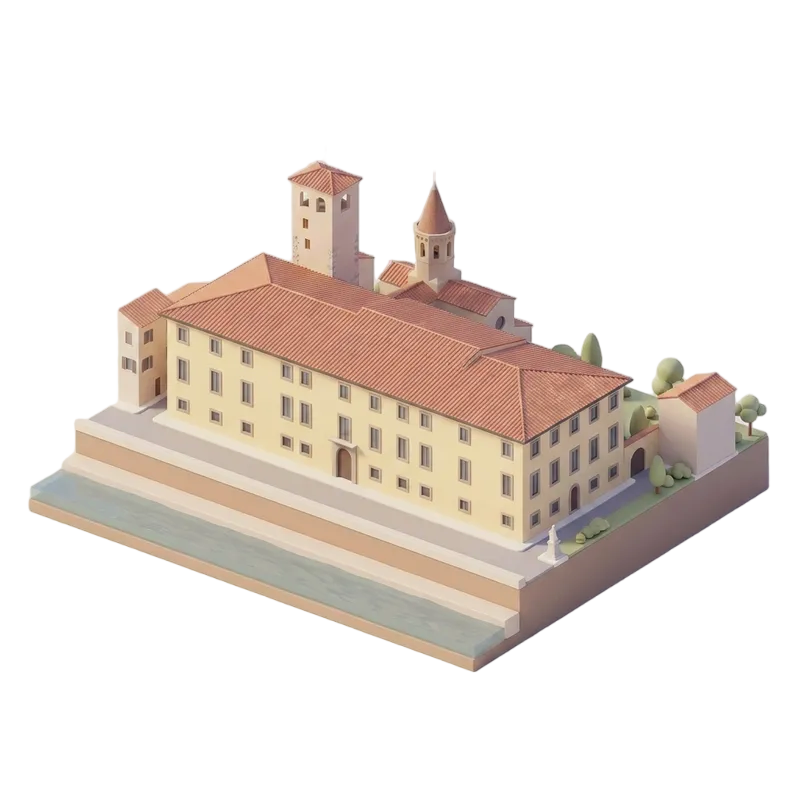
National Museum of Palazzo Reale

Begin with the portraits and rooms that trace the building’s passage from the Medici to the Lorraine and Savoy houses. Court dress and material details reward a closer look. Take fifteen minutes to orient yourself to the former grand-ducal residence and start with the portraits; compare different rulers before moving to any decorative display. Choose a tapestry to see how the room’s treatment changes when the object occupies a whole wall. On a short visit keep the court rooms ahead of the small paintings.

This first stop shows the patronage and presentation side of Pisan institutions. The garden below looks at one form that patronage took within the university.

What to look for

Eleonora and Francesco de’ Medici
In the portrait by Bronzino, inspect the fabrics and then the controlled expression. The two convey status in different ways. Compare the composure of the faces with the amount of information the painted clothes give you about the court.
Armour of the Gioco del Ponte
Look at the protective shape of one piece and ask how it would limit or redirect a person’s movement. The local bridge contest gives the objects a specific civic setting. After the ship fittings, this is a second chance to see how equipment silently preserves the requirements of an activity.
Lorenzo the Magnificent tapestry
The royal collection includes a tapestry showing Lorenzo encouraging the arts. Read the scene both as an image and as a furnishing made for a wall. Its size, texture and carefully arranged figures help explain why woven decoration was a useful tool for a court.
Raphael’s small narrative panel
If the museum’s Miracle of the Two Hanged Men is available, see how the painter gives a small panel enough space to tell a dramatic story. If it is away, choose Rosso Fiorentino’s Rebecca at the Well if shown, or another narrative work from the private collections.

Walk · 6 min

Getting to Botanical Garden and Museum of Pisa

Follow the walking route via Via Santa Maria → Via Luca Ghini. The mapped distance is about 500 m, or 6 minutes on foot.

Stop 2 · 1 hr 5 min
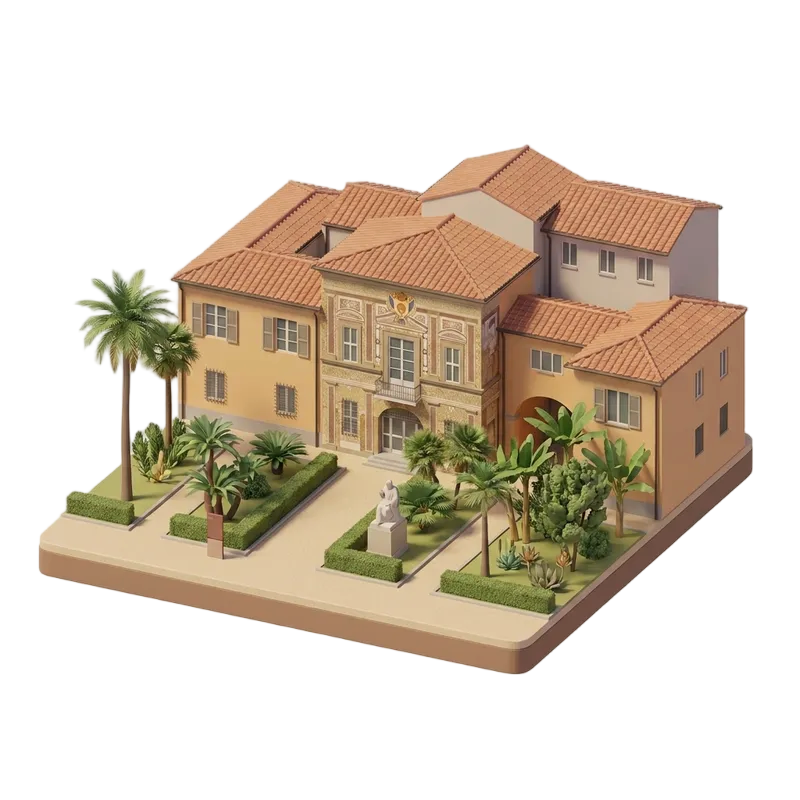
Botanical Garden and Museum of Pisa

Explore the historic Botanical School sector and compare the systematic beds, then look for the old magnolia and ginkgo in the Cedar Garden. The route works in the outdoor garden while the museum rooms are closed. Take the map or note the signs at Via Luca Ghini. Begin in the Botanical School and then compare the older trees in the Cedar Garden. On a cooler day follow with the Myrtle Garden and the other outdoor sectors rather than making the trip depend on greenhouse access. If maintenance blocks a sector, keep the classification beds and choose another open collection to contrast with them.

The labels, beds and tracks make the university’s arrangement of living material visible. Notice which collections group plants by family and which group them by use or environment.

What to look for

The Botanical School
In the oldest part of the garden, look at the way the systematic beds establish relationships. Follow two labels and compare visible traits such as leaf shape or growth habit. The useful discovery here is how the beds help you notice family resemblance.
Old magnolia and ginkgo
In the Cedar Garden, compare the strongly different branching and leaves of the old magnolia and ginkgo. Consider what the size of these specimens tells you that a label, seed or botanical illustration could never make clear on its own.
The Myrtle Garden
Look for the historic myrtle and the collection of medicinal plants. Ask how an arrangement grouped by practical uses would feel different from the family-based order of the Botanical School. Check the labels rather than inferring that any plant is safe to touch or use.
Aquatic plants and Chilean palms
In the New Garden, choose the aquatic collection or the older Chilean wine palms depending on the day’s access. Compare the water plants’ display with the size and spacing of the palms. On maintenance days treat this sector as optional.
Mediterranean plants in Del Gratta
Use this sector to see a collection organised around an environment rather than a single plant family. Look for repeated traits across different plants and ask which help deal with dry conditions. This is a good last comparison before heading back to Via Luca Ghini.

Walk · 6 min

Getting to Museo delle Sinopie

Follow the walking route via Via Luca Ghini → Via Roma → Piazza del Duomo. The mapped distance is about 440 m, or 6 minutes on foot.

Stop 3 · 50 min
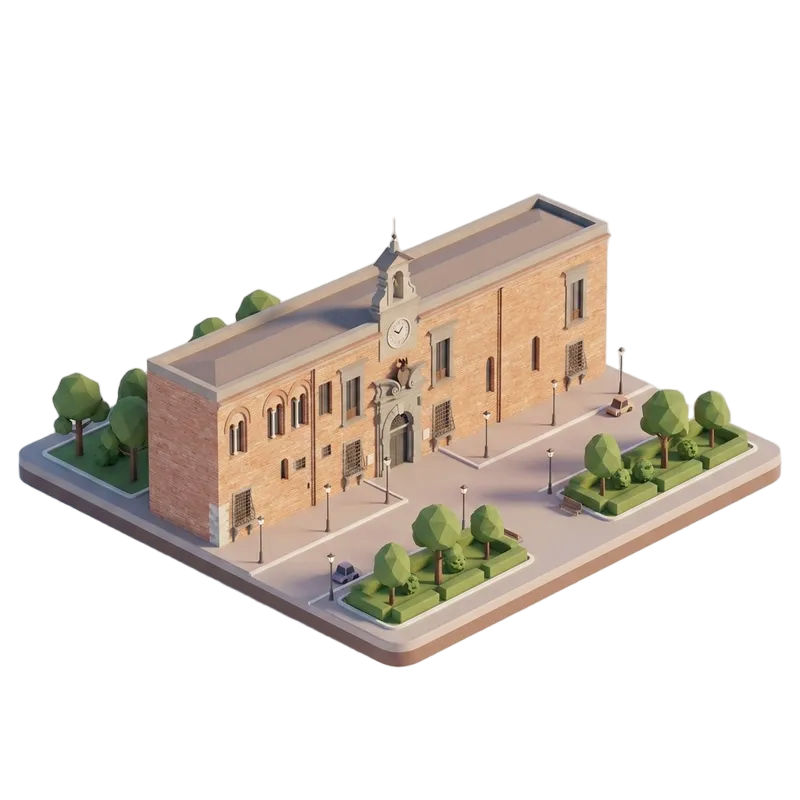
Museo delle Sinopie

Look for the red-earth underdrawings transferred from the Camposanto after the wartime fire. Their loose construction lines make the process of scaling an image to a monumental wall visible. Give the first ten minutes to the technique: establish why the colour looks faint and why the scale is so large. Next study the Triumph of Death cycle and one of the later narratives. Finish by comparing two renditions of a face or hand. Do that from several steps back before moving close enough to read the explanations. If a section is unavailable, choose another sinopia with both figures and architecture and make the same comparison.

What to look for

Triumph of Death and the Thebaid
In the cycle associated with Buffalmacco, find a dense group of figures before tracing the outer limits of the scene. Look for places where single strokes mark motion and where tightly repeated contours hold a crowd together. Try reading the image across its full width.
Saint Ranieri in outline
Andrea Bonaiuti’s scenes about Pisa’s patron give you a way into the local story. Follow a repeated figure between episodes and look at how the artist signals that the setting has changed. You can follow the narrative even where detail is lost.
The story of Job
In the drawings associated with Taddeo Gaddi’s Job cycle, examine the contrast between active gestures and spaces left open around the figures. This gives you a simpler test for seeing how painters used distance and empty wall to organise a complex story.
Benozzo Gozzoli’s Old Testament
Choose a section from this later cycle and compare how architectural lines divide the action with the earlier drawings. Pick a single alteration or loose contour and ask what other solution the painter might have tried before committing to the final surface.

Walk · 4 min

Getting to Museo dell'Opera del Duomo

Follow the walking route via Piazza del Duomo → Piazza Arcivescovado. The mapped distance is about 250 m, or 4 minutes on foot.

Stop 4 · 1 hr 15 min
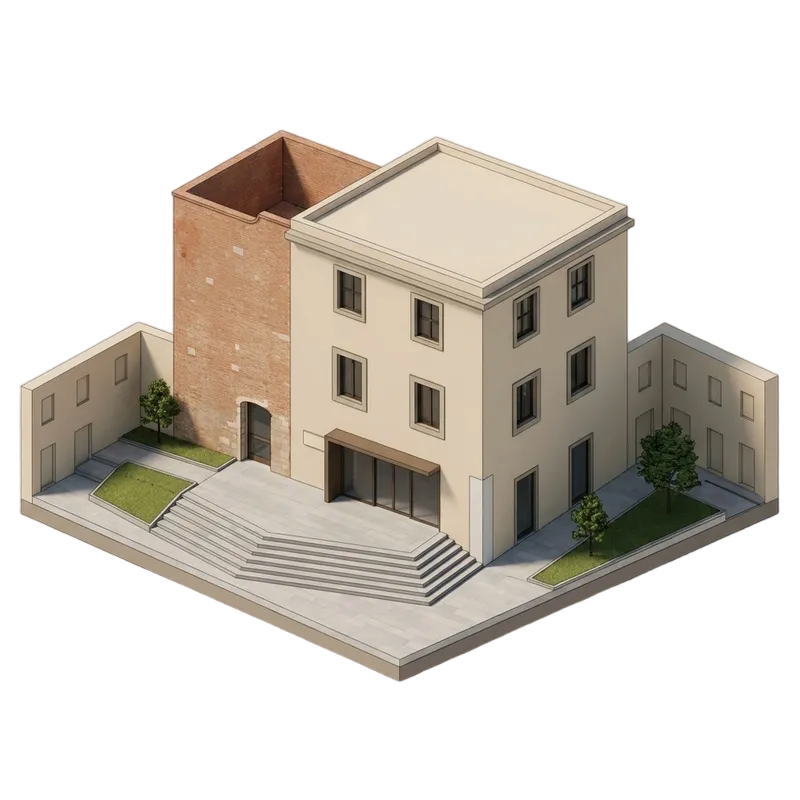
Museo dell'Opera del Duomo

The museum brings original cathedral works into viewing distance. Look for the bronze Porta di San Ranieri by Bonanno Pisano and compare its small narrative panels with the monumental church exterior. Begin with work that could be read from a distance: carved figures and the cathedral door. Continue to the griffin and think about how a piece from outside Italy acquired a prominent place on a Pisan building. Give the final twenty minutes to smaller treasury objects. If the bronze is unavailable, use the wooden crucifix to compare silhouette and detail, then step outside and read those features at architectural scale.

What to look for

Porta di San Ranieri
Stand where you can see several of Bonanno Pisano’s bronze panels at once. Trace the change from the broad gesture of an individual figure to the overall sequence. The doors make a narrative read in episodes, rather like the frescoes you encountered across the square.
The Islamic bronze griffin
Look for the surface decoration and lettering, then picture the animal high on the cathedral roof. The museum holds the original and a copy stands on the building. Keeping those two viewing positions in mind explains why a piece so detailed also has such a strong silhouette.
Burgundian wooden crucifix
The museum identifies this large wooden work as Burgundian. Compare the outline of the cross and body from farther away with details of carving you can see up close. The difference gives a useful way of judging how a sculptor planned for the church interior.
Ivory Madonna and Child
Giovanni Pisano’s small ivory gives you a scale different from the portal. Notice the angle of the bodies and the folds that make the scene legible in little space. If it is off display, compare one of the small enamel or ivory objects in the treasury.
Cathedral treasury and the cloister
Give a miniature or enamel reliquary several minutes before leaving the treasury. In the cloister, let your eyes adjust back to stone, courtyard proportions and the cathedral square outside. This makes a useful closing comparison between work designed for the hand and work designed for the building.
Timing, booking and admission

Set your pace

Book the morning around Palazzo Reale. Tuesday, Wednesday, Thursday and Saturday allow a 09:30 start; Friday normally opens in the afternoon. Spend an hour in the garden, then allow 45 minutes for lunch near Via Santa Maria before the two museums on the square.

What to book ahead

Check the garden’s seasonal last entry and any sector closures. Choose an Opera ticket listing both cathedral museums. A timed tower climb would need its own place in the day.

Tickets and museum passes

The state palace, university garden and cathedral complex have different ticket arrangements. Check exactly what a city pass includes before buying it for this particular combination.

Sources and route research

Browse All Current Museum Exhibitions and Cultural Programs Throughout Pisa
A guide to exploring art and history through city exhibitions.
Connect with the vibrant cultural programming found in local galleries and museums. Discover unique exhibitions covering everything from gothic architecture to maritime heritage across the historic districts of Pisa.
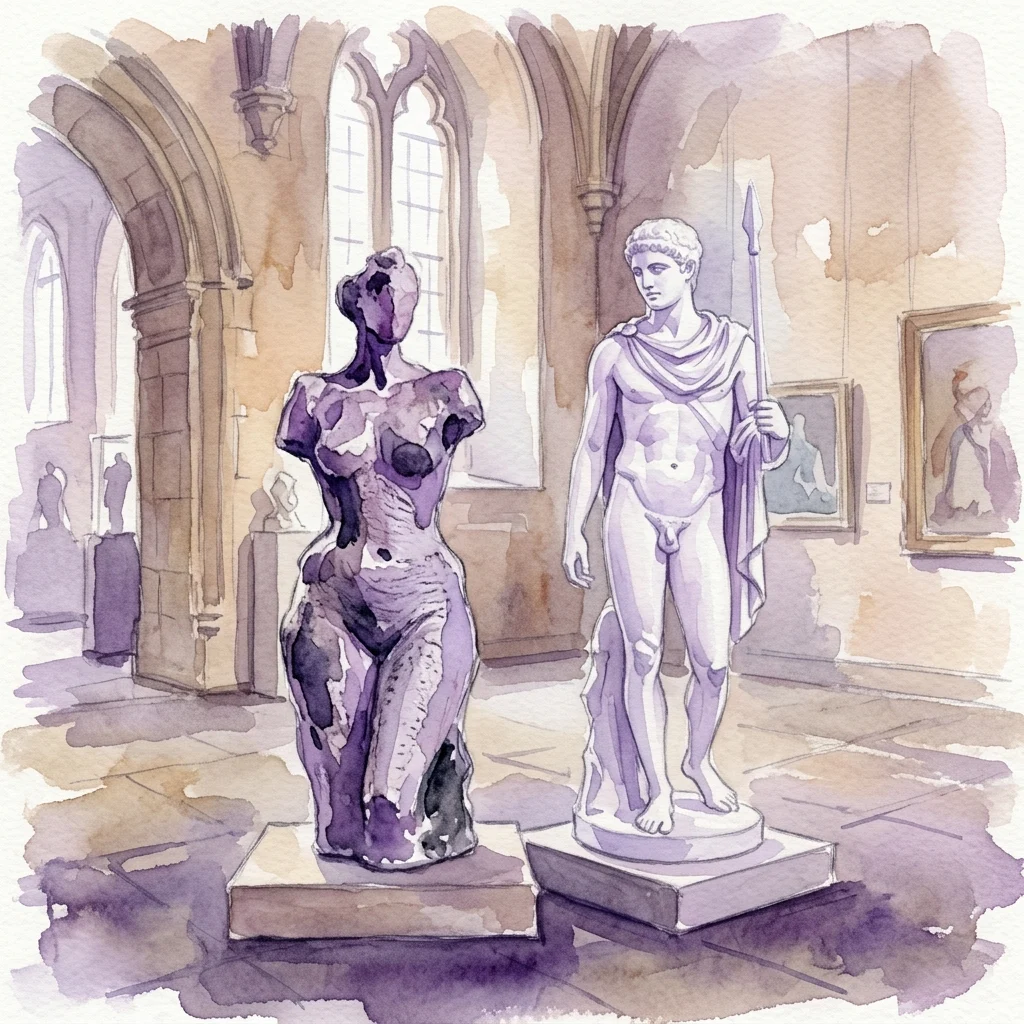
Watercolor illustration of a rough contemporary ceramic sculpture beside a classical white plaster statue of a spear-bearing male figure in a vaulted university gallery.
Gipsoteca of Ancient Art
From Dec 15, 2024

A memoria di forma Exhibition at Gipsoteca di Arte Antica in Pisa

Contemporary ceramic art dialogue featuring Caterina Sbrana and Gabriele Mallegni.

Discover hybrid ceramic and terracotta forms that reinterpret ancient sculptural techniques. This collaborative project at the Gipsoteca di Arte Antica investigates memory, transformation, and artistic regeneration through imaginative portraiture and architectural studies.

A memoria di forma
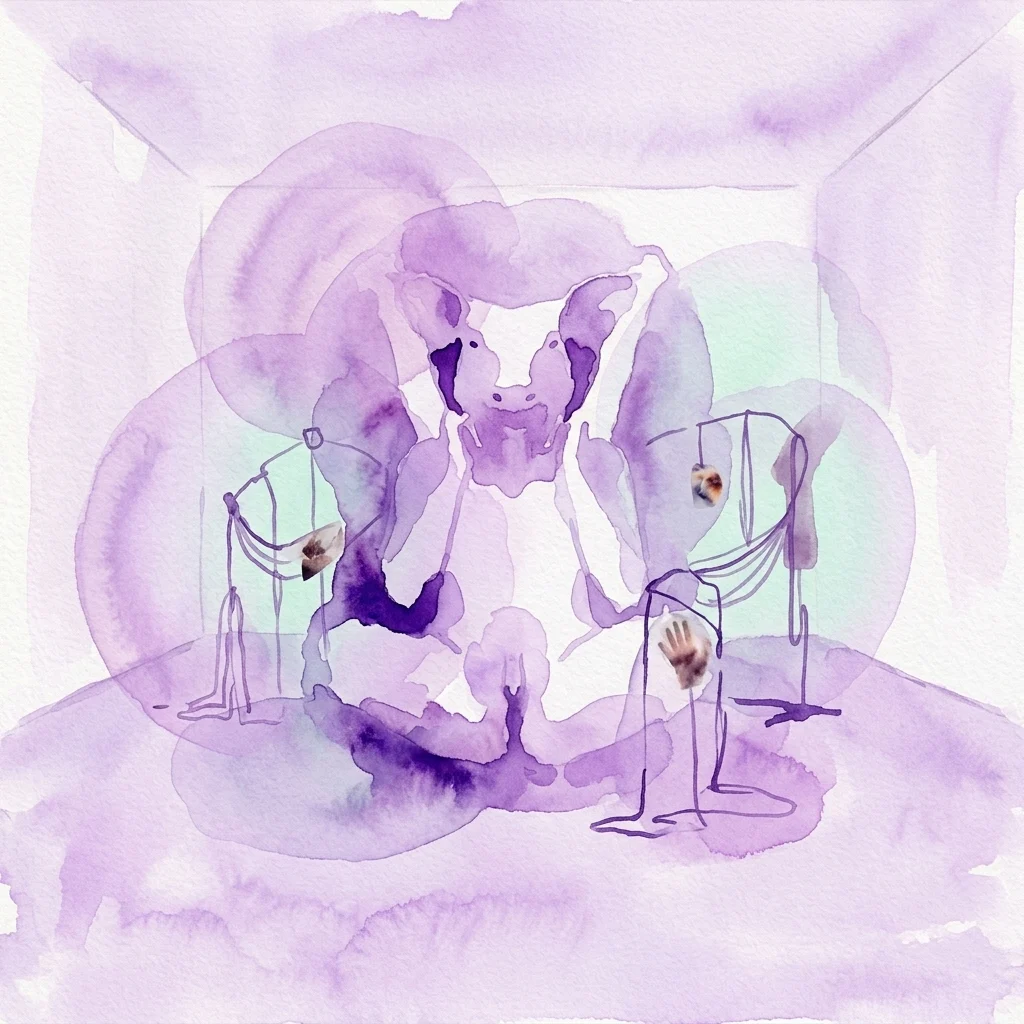
Purple watercolor illustration of abstract sculptural forms with scattered hand motifs, the artwork hero for the IN/CROCI 2.0 exhibition.
Cantiere Sanbernardo
From Feb 15, 2023

IN/CROCI 2.0: A Multidisciplinary Exhibition at Cantiere Sanbernardo in Pisa

An intersectional collective project featuring diverse performance and contemporary art.

Curated by Laura Griffa and Jennifer Telluzzi, this project uses multidisciplinary practices to reflect on complex social dynamics. The collaborative works emphasize individual and group perspectives on themes of identity and exclusion.

IN/CROCI 2.0
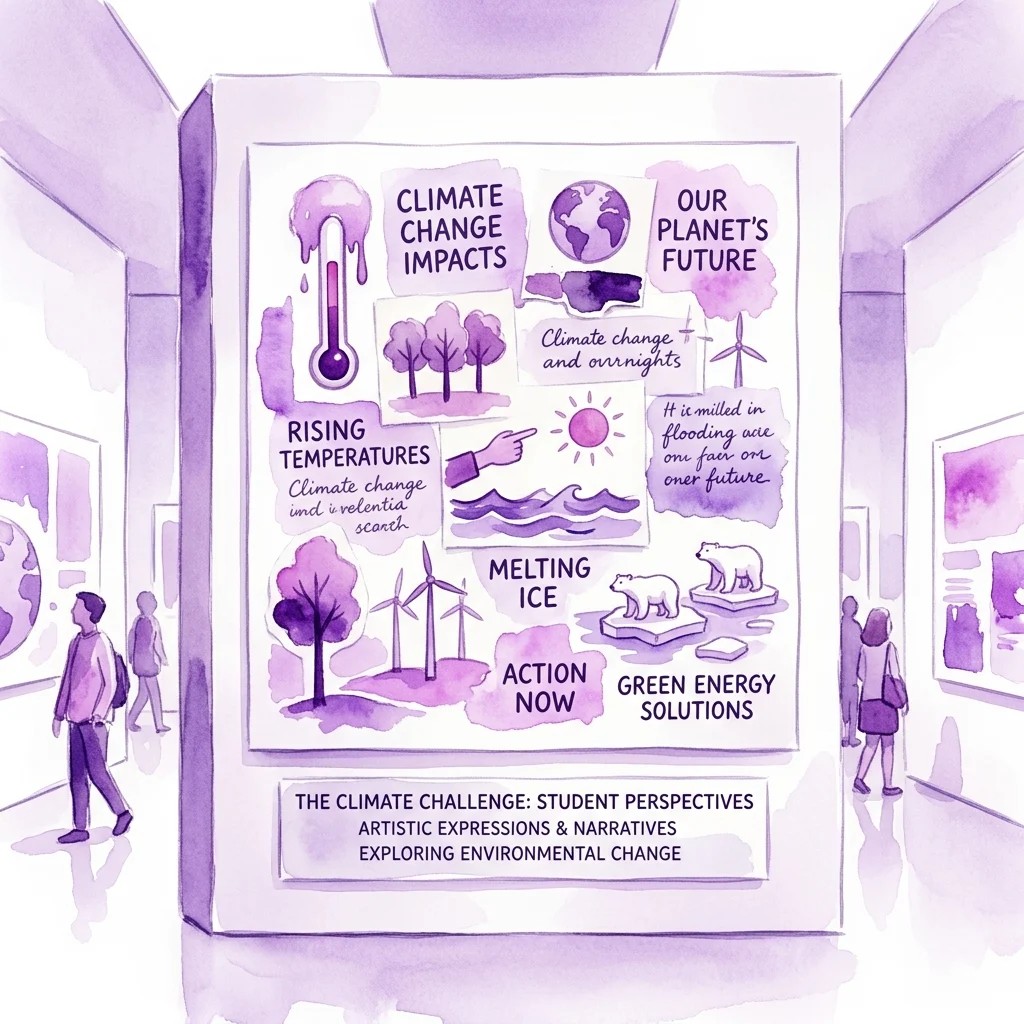
Watercolor-style illustration of a museum gallery wall displaying student artworks about climate change, featuring a thermometer, Earth, trees, a wind turbine, polar bears, and the message 'The Climate Challenge: Student Perspectives.'
Museum of Graphic Arts
From Jul 27, 2026

Climate Through the Eyes of Youth Exhibition at Museo della Grafica

Featuring award-winning student works focused on climate change and sustainability.

Discover a collection of compelling narratives and illustrations created by secondary school students. The exhibition highlights environmental themes through the lens of academic competition and creative expression.

Climate Through the Eyes of Youth
Pisa

Browse the Extensive List of Museums and Cultural Attractions in Pisa

Discover historic art collections and scientific landmarks across the city.

Review an overview of significant museum spaces and cultural sites across the city. Focus on exploring unique collections spanning from medieval religious art to specialized academic museums and maritime history.