The National Museum of Agriculture in Prague has opened a new exposition detailing the history of agriculture from prehistory to the present day. Visitors can explore unique collection items, learn about farm animals, historical farming techniques, and the annual cycle of agricultural work.
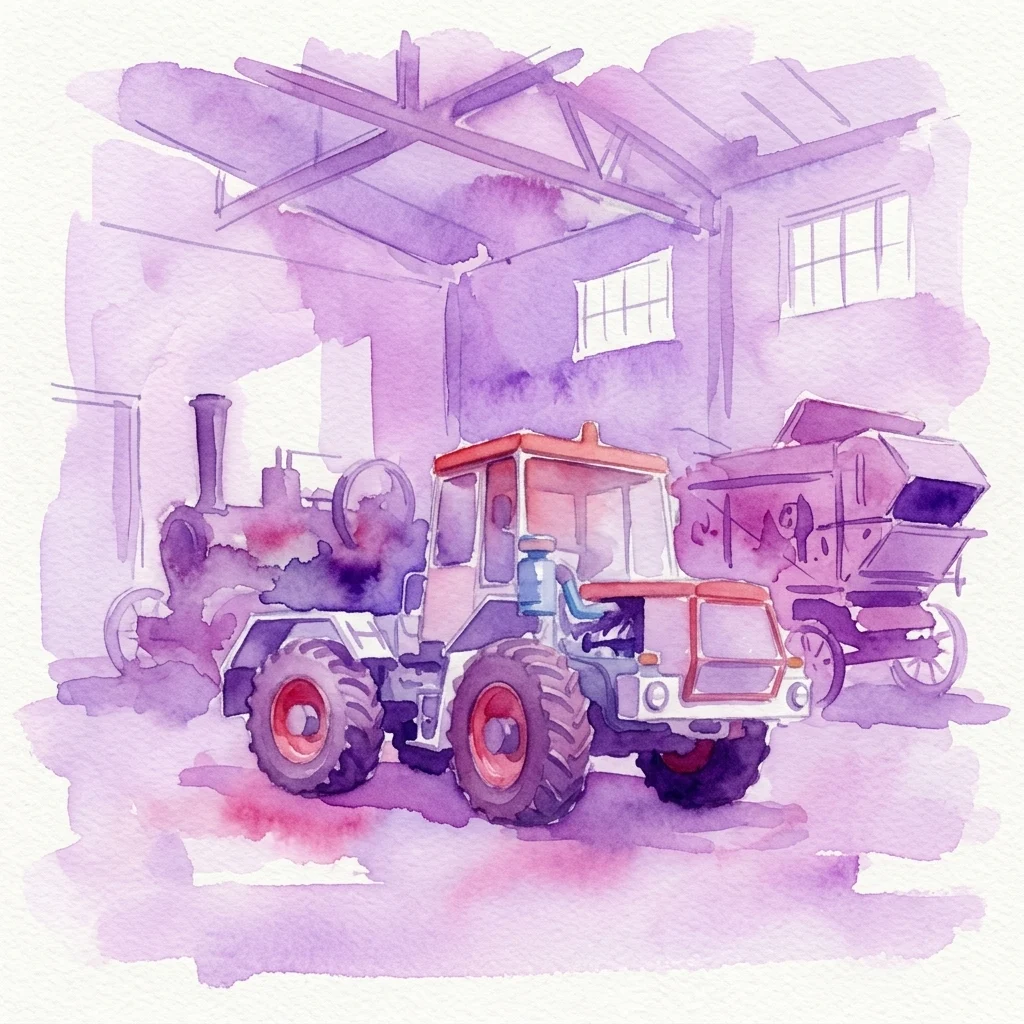
Opened in mid-March, the new Agriculture Exposition at the National Museum of Agriculture in Prague offers a comprehensive journey through the evolution of farming. The exhibition showcases a diverse range of collection items, including numerous specimens of farm animals, and recounts the stories of our ancestors and the history of agriculture, including the cycle of the business year. Key highlights include 'César the bull', a significant breeding male from the first Czech insemination station, and an original plough from the Veverka cousins, pioneers of 19th-century agricultural technology and innovation. A symbolic timeline guides visitors through agricultural development from the Neolithic period to modern times, emphasizing its foundational role in society and its impact on other industries. The exposition's central theme is the depiction of agricultural work across the seasons, reflecting the farmer's year and the regular cycle of sow and harvest. Younger visitors can engage with interactive elements, such as exploring a granary, a shed with a sheep and goat, and a yard with animals, as well as participating in bread and meat-making activities. This new exposition forms a conceptual core for the museum building in Letná, linking exhibits on nature with those focused on food and life, and was created to celebrate the one-hundredth anniversary of the National Museum of Agriculture.