Individual AdmissionFree

The Katyń Museum in Warsaw is a crucial institution of national memory, dedicated to preserving the truth about the 1940 Katyń crime. It commemorates the mass executions of Polish officers and intelligentsia by the NKWD, offering visitors a space for reflection on a pivotal moment in Polish history and the victims of totalitarianism.
Dedicated to the victims of the 1940 Katyń crime, this museum in Warsaw's Citadel serves as a national institution for historical memory and education.
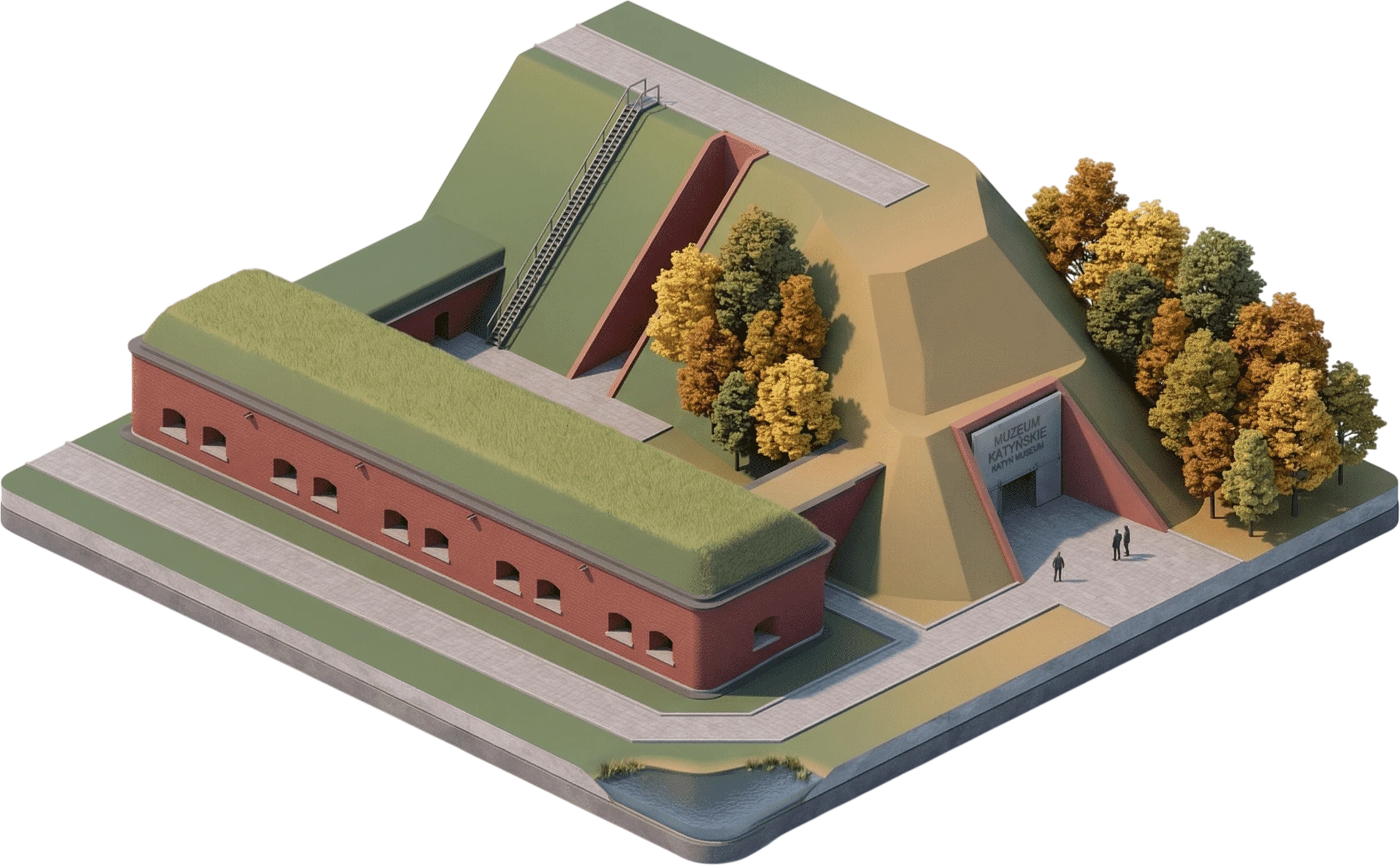
The Katyń Museum in Warsaw's Citadel is a significant institution dedicated to Poland's national memory, commemorating victims of the 1940 Katyń crime. This act involved the mass execution of Polish officers and intelligentsia by Soviet authorities. Beyond exhibitions, the museum serves a vital educational and research role, ensuring the tragic fate of thousands is remembered. Its permanent exhibition, housed within the austere Warsaw Citadel, uses symbolic elements to convey the gravity of these historical events. The museum offers a place for quiet reflection on history, responsibility, and the importance of memory.
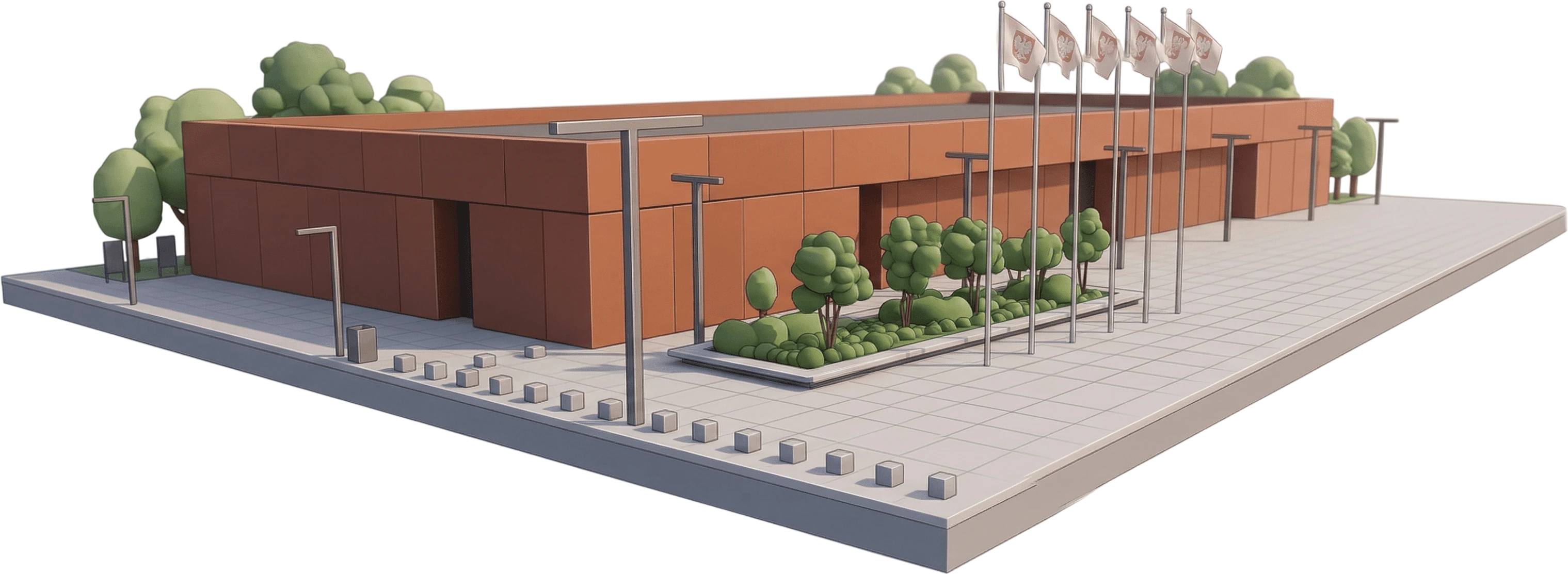
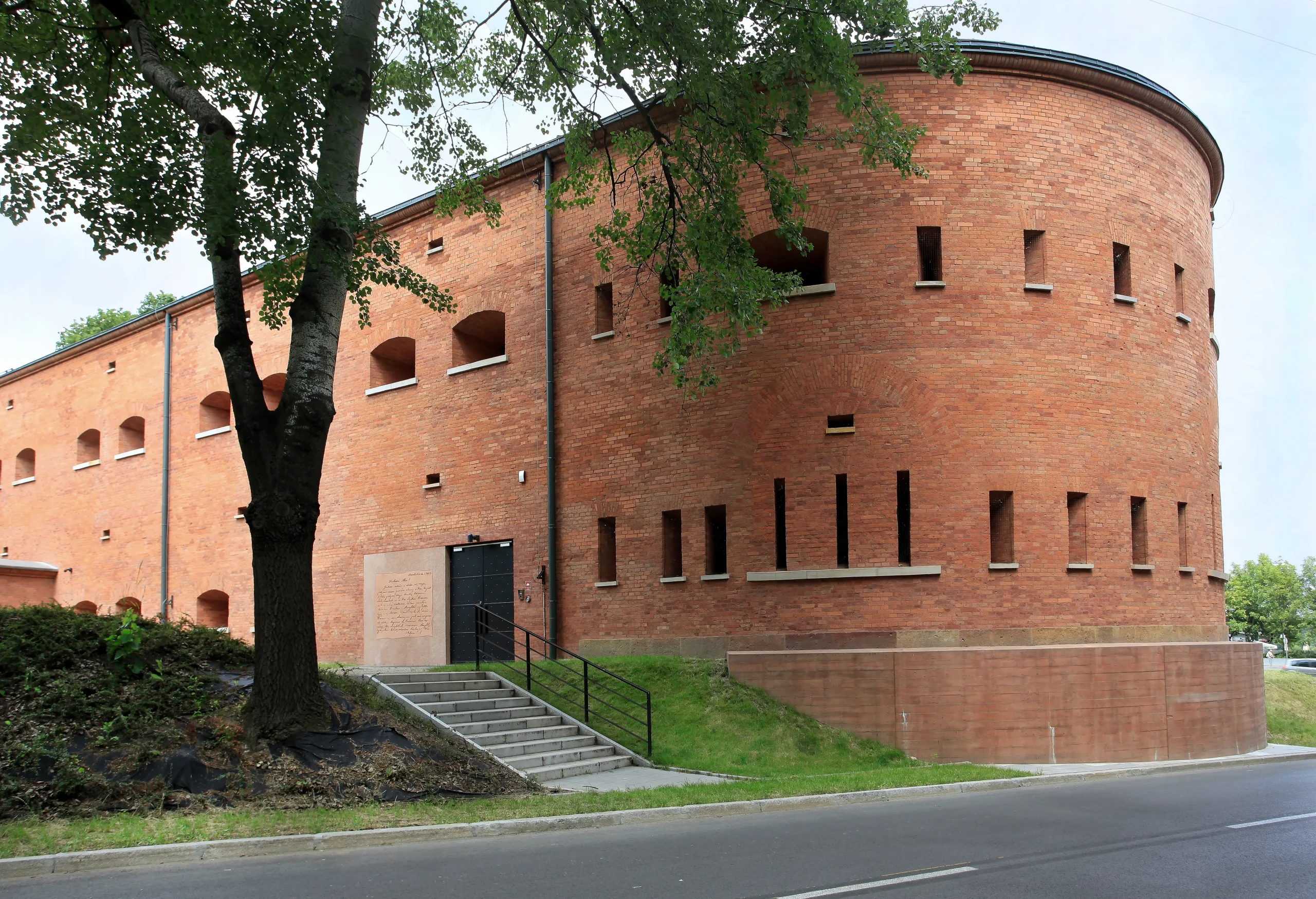
The Katyń Museum is situated at Jana Jeziorańskiego 4, within the historic Cytadela Warszawska (Warsaw Citadel) in Warszawa. This significant setting offers visitors a poignant backdrop for exploring the memorial dedicated to the Katyń massacre. Its placement within the citadel grounds helps contextualize the historical importance of the site for those interested in Poland's past.
Jana Jeziorańskiego 4
01-521 Warszawa
Cytadela Warszawska, Mazowieckie, PL
A visit to the Katyń Museum typically lasts between 90 to 120 minutes. It is recommended to make a reservation in advance to ensure your entry. For those arriving by car, paid parking facilities are available within the Cytadela Warszawska complex in Warszawa.

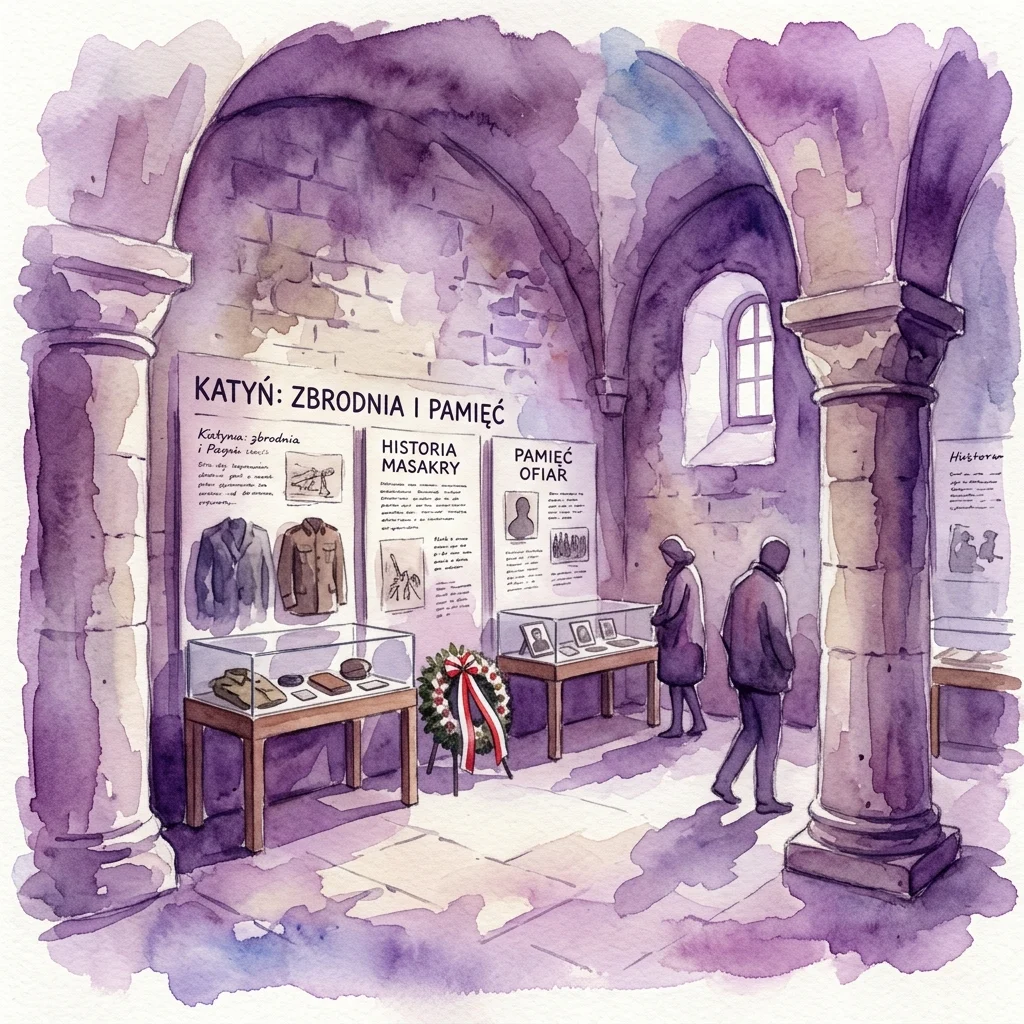
The Katyń Museum, situated within the Warsaw Citadel, serves as a national institution commemorating the victims of the 1940 Katyń crime, the mass execution of Polish officers and intelligentsia by the NKWD. Visitors experience a profound journey through a modern exhibition where the fortress's austere architecture and symbolic elements convey the gravity of these historical events. The permanent display fosters quiet reflection on history, responsibility, and the enduring importance of memory in comprehending 20th-century dramas. Beyond its exhibits, the museum also plays a vital educational and research role, ensuring the tragic fate of Polish citizens is remembered and understood. It prompts contemplation on totalitarianism's victims and the pursuit of historical truth.
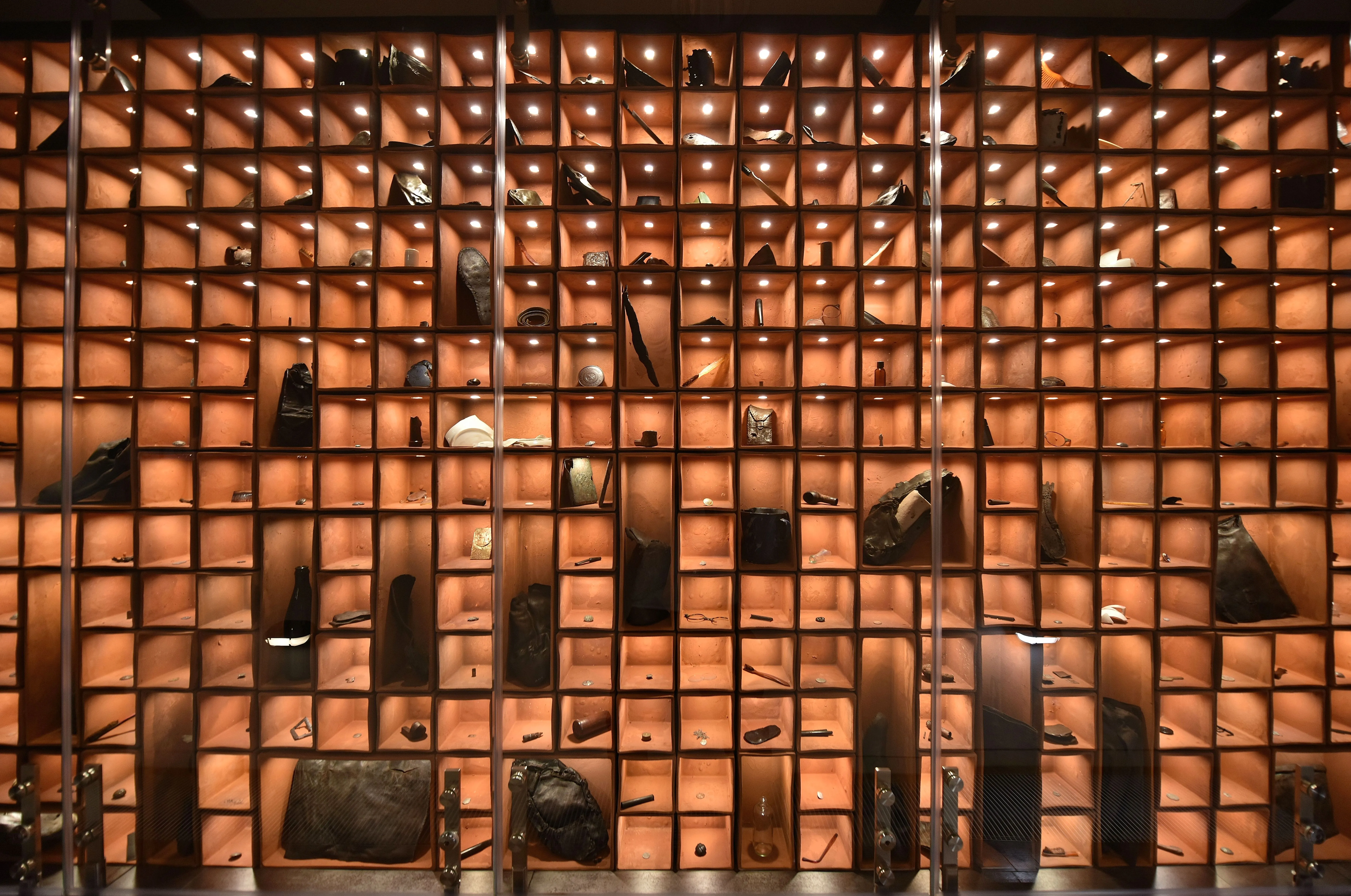
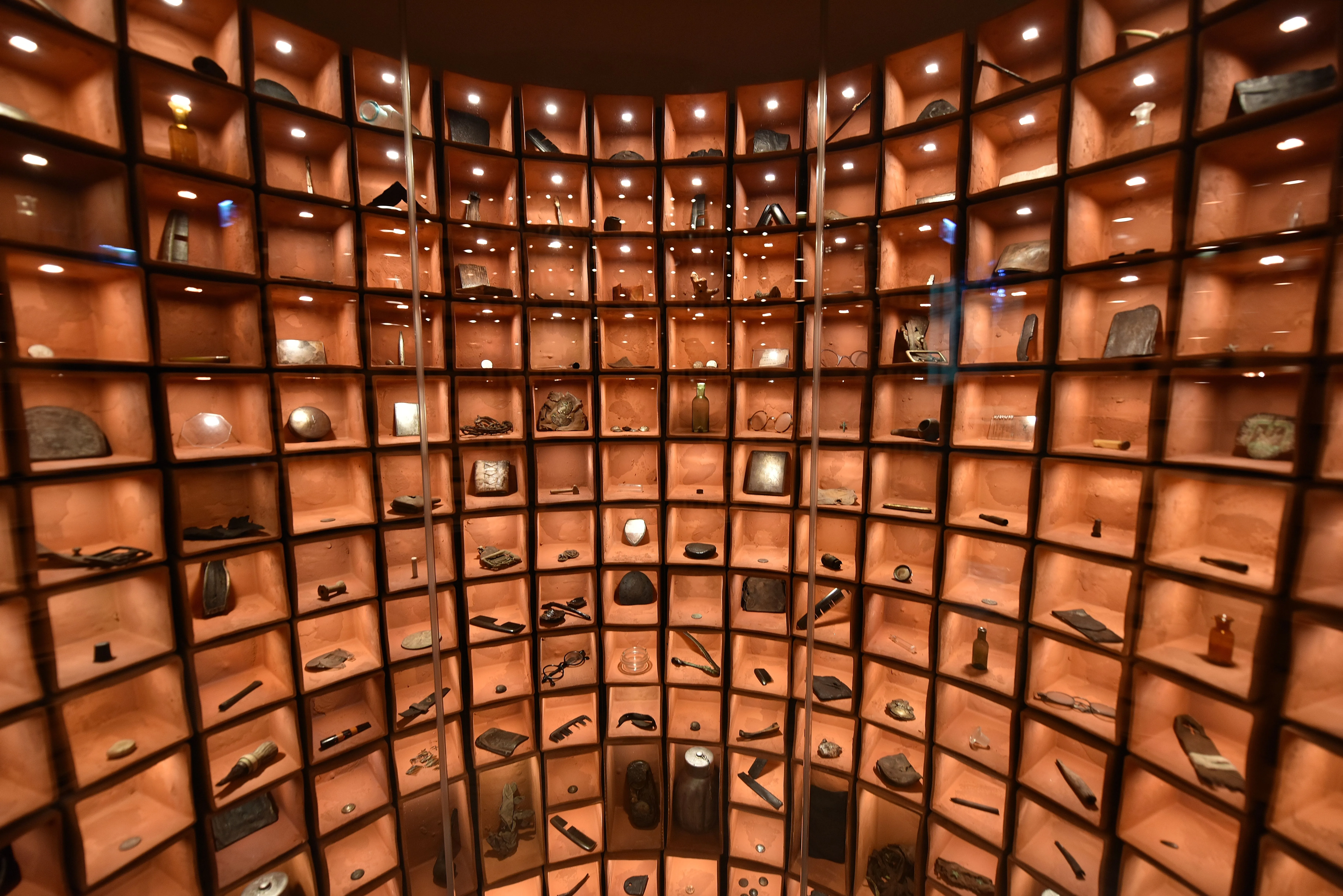
A profound historical journey into the Katyń massacre.
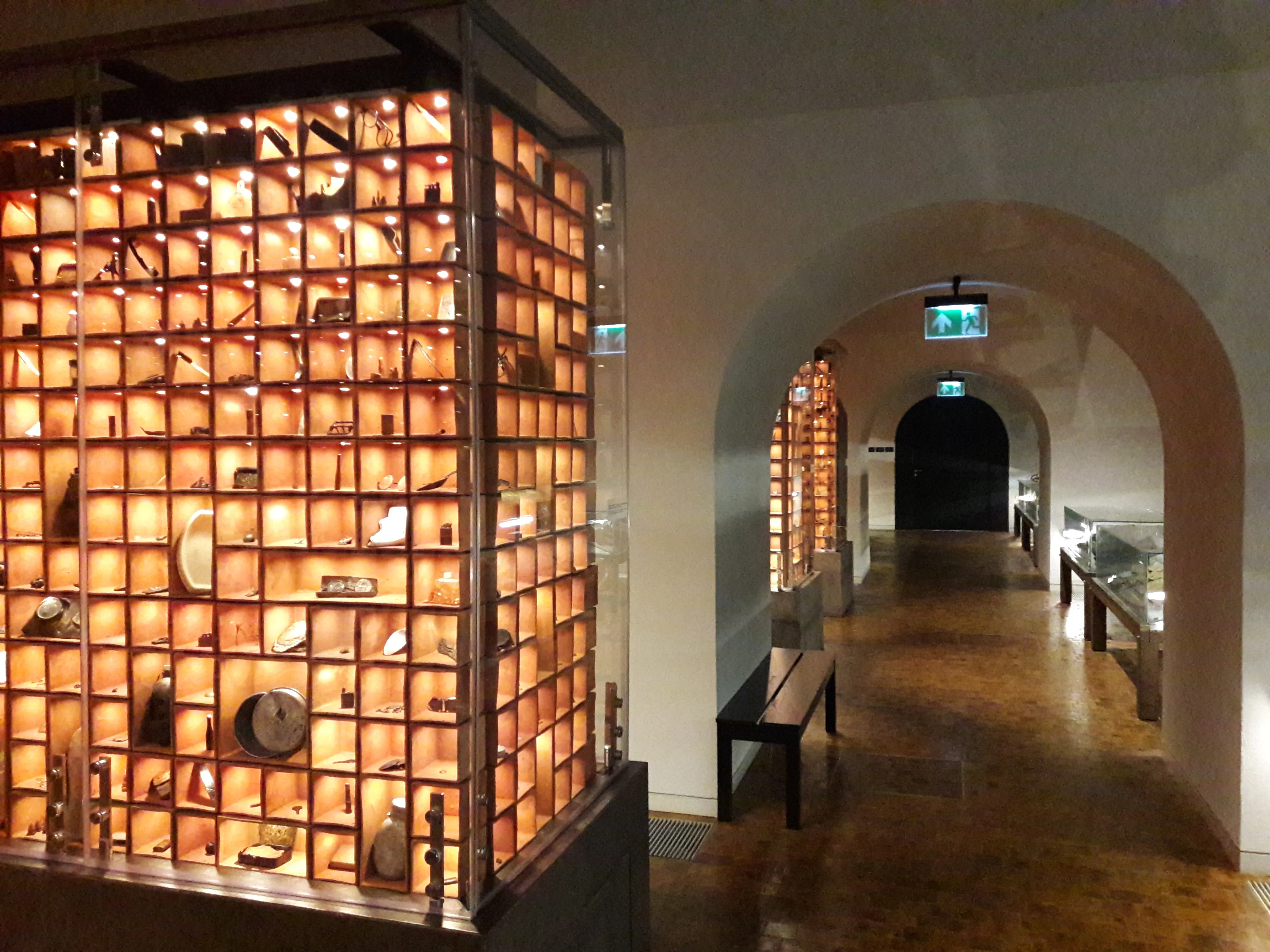
This permanent exhibition at the Katyń Museum details the massacre's chronology and its profound impact. Discover compelling historical narratives and view poignant artifacts belonging to the victims, preserved as vital evidence.
Witness Testimony Exhibition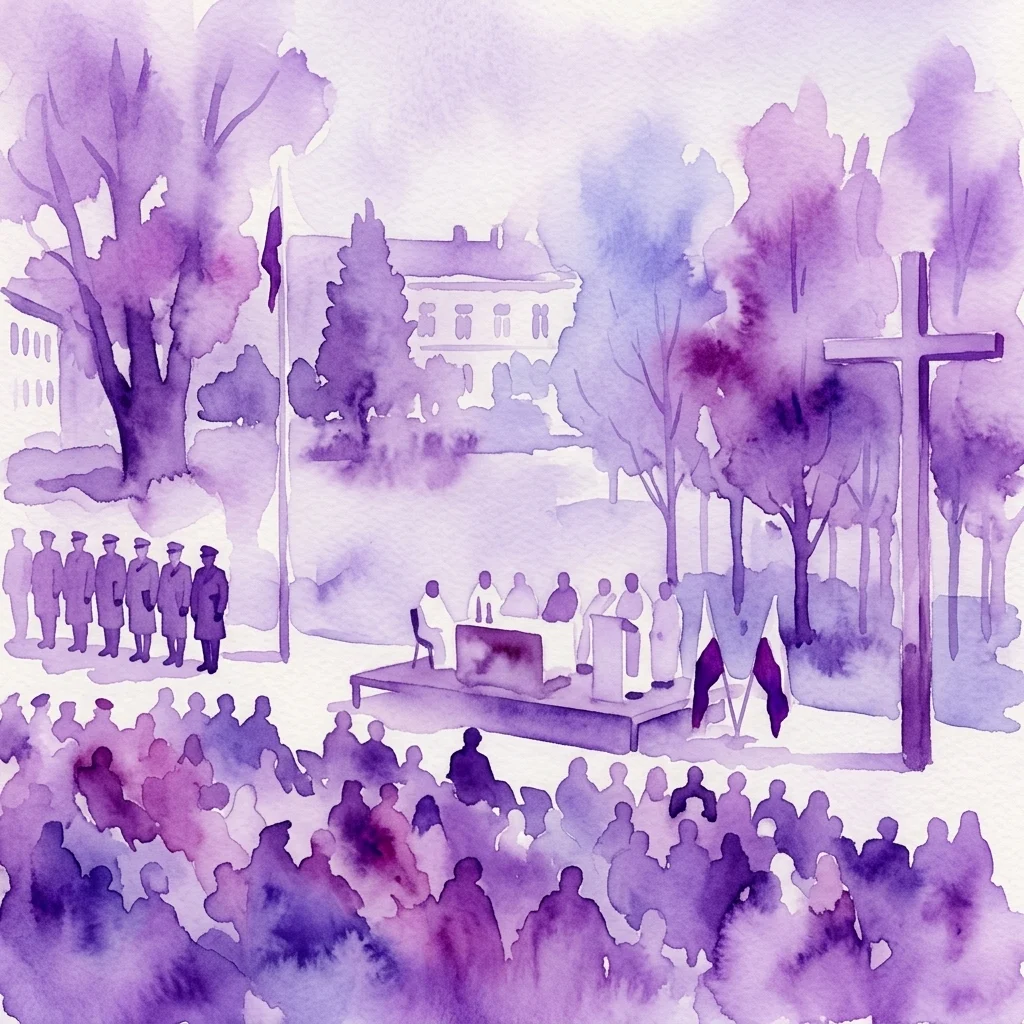
A powerful commemoration featuring official addresses and significant art.
Explore the significant event commemorating the 86th anniversary of the Katyń crime at Katyń Museum. This solemn gathering included a field mass, speeches from dignitaries, and the unveiling of Jan Lebenstein's poignant 'Figura totemiczna nr 107' painting.
Katyń Remembrance EventThe Katyń Museum was established in 1993 in Warsaw, dedicated to commemorating the victims of the **Katyń crime**. It gathers objects, documents, and personal effects from the massacre site, serving as a vital institution for national memory. The museum's architectural significance was also recognized with a nomination for the European Union Prize for Contemporary Architecture in 2017.
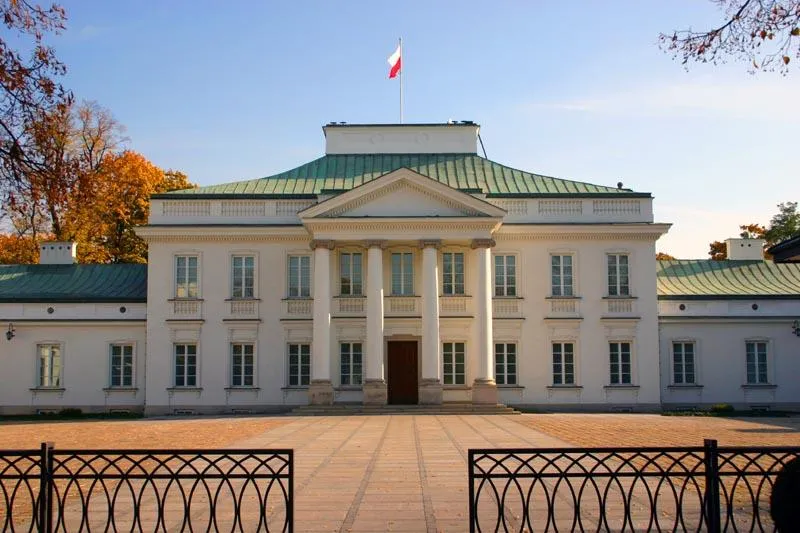
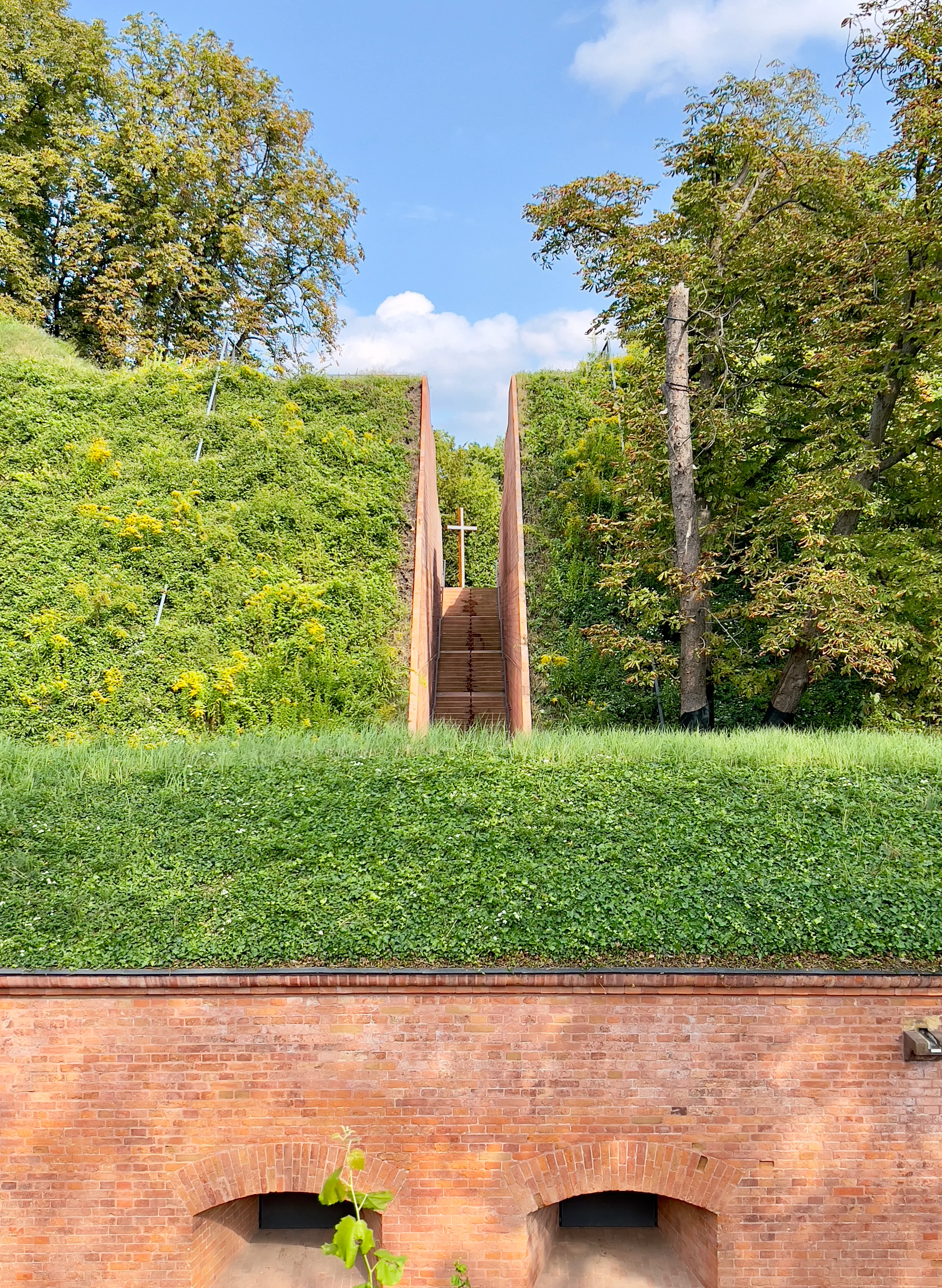
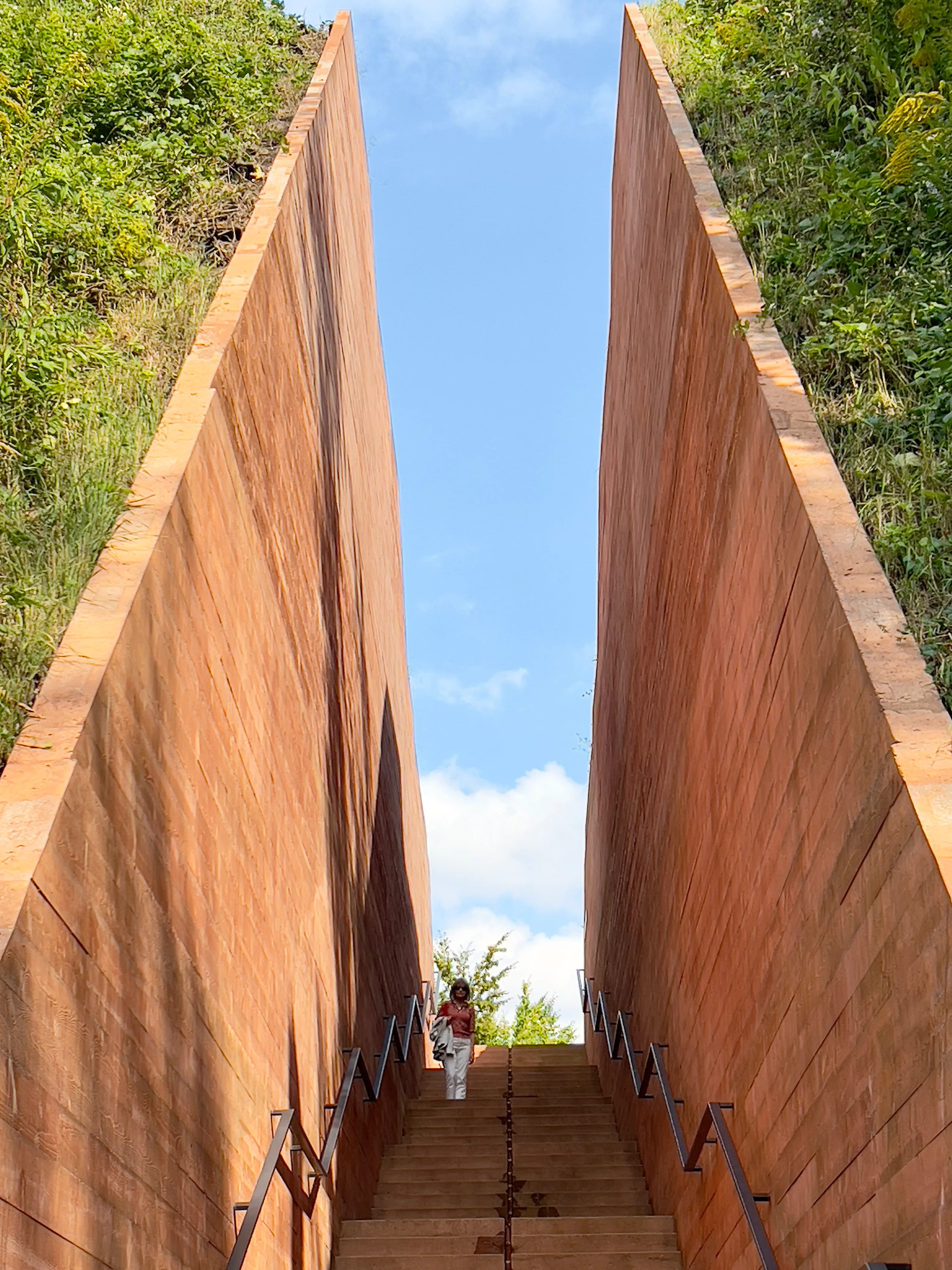
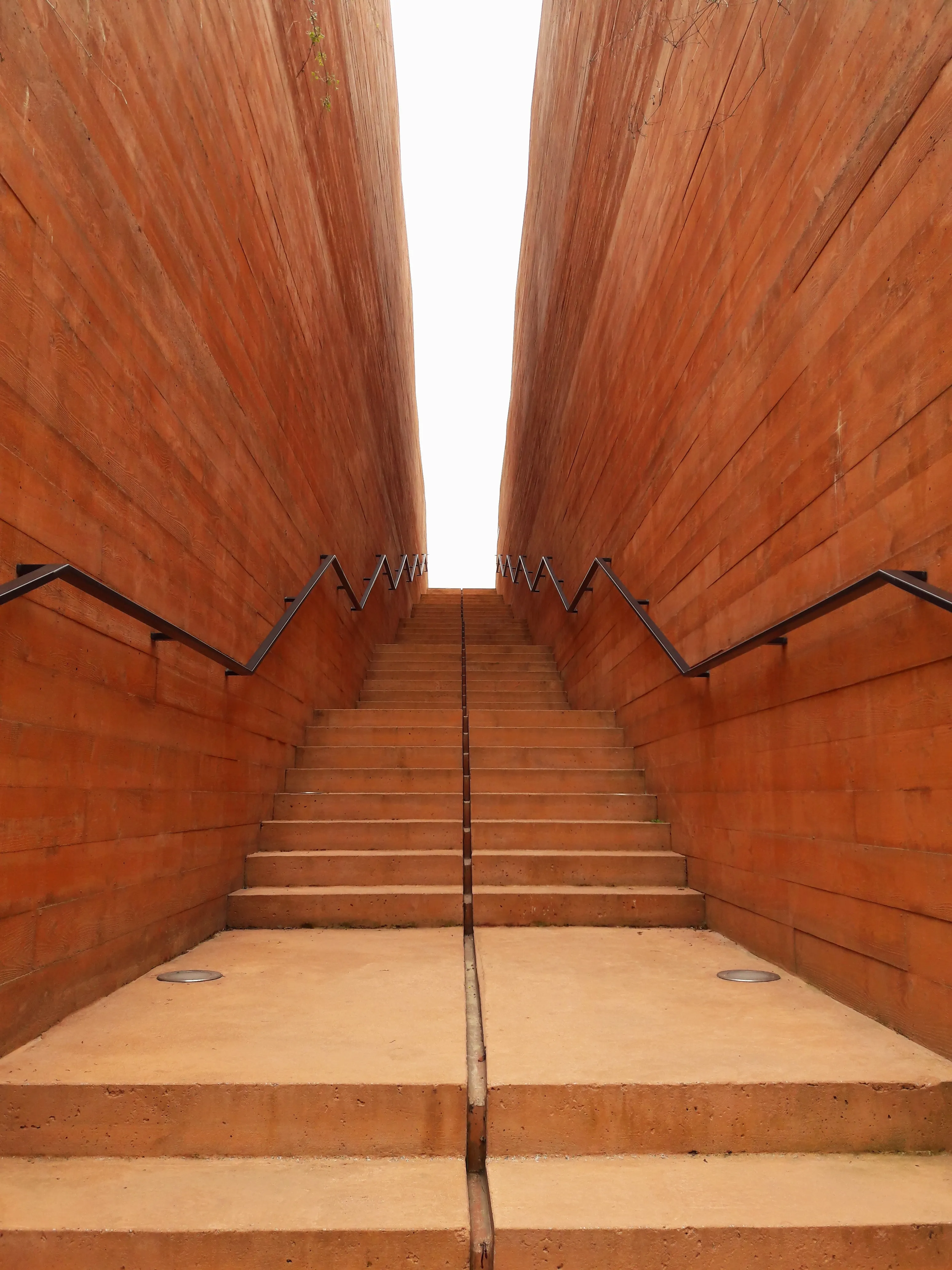
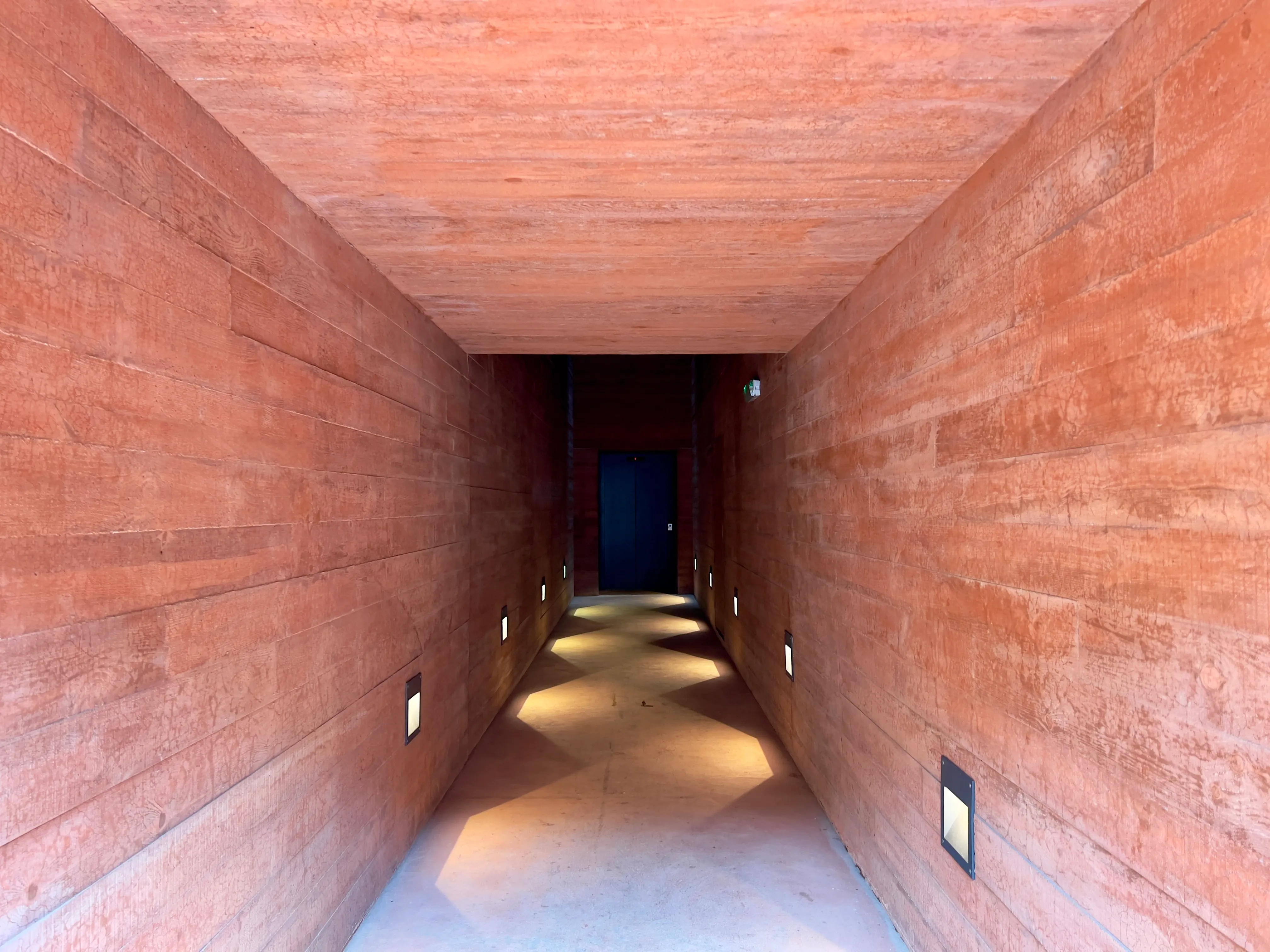
Explore the Katyń Museum photo gallery to preview the solemn atmosphere and significant exhibits dedicated to the 1940 Katyń crime. Images showcase the austere architecture of the Warsaw Citadel in Warsaw, including red brick facades and outdoor memorials featuring steel walls and poignant crosses. Inside, visitors can expect to see dimly lit exhibitions with illuminated display cases, presenting personal effects and artifacts that silently tell the story of Polish officers.
Uncover Warsaw's rich history, profound art, and compelling cultural narratives.
Easily discover unique museums and cultural institutions across Warsaw. Tailor your exploration by selecting themes and interests that matter to you. Find diverse collections and immersive exhibits awaiting your visit.