Exhibitions Adult (Weekdays)PLN 48.00
Grants access to all permanent exhibitions and current temporary exhibition

The Copernicus Science Centre invites visitors to explore science through 400 interactive exhibits, engaging workshops, and a state-of-the-art planetarium. Discover construction challenges, participate in mini-labs, and experience captivating shows that unveil the mysteries of the universe.
Discover science through 400 interactive exhibits, workshops, and a planetarium featuring films, shows, and concerts at this dynamic center.
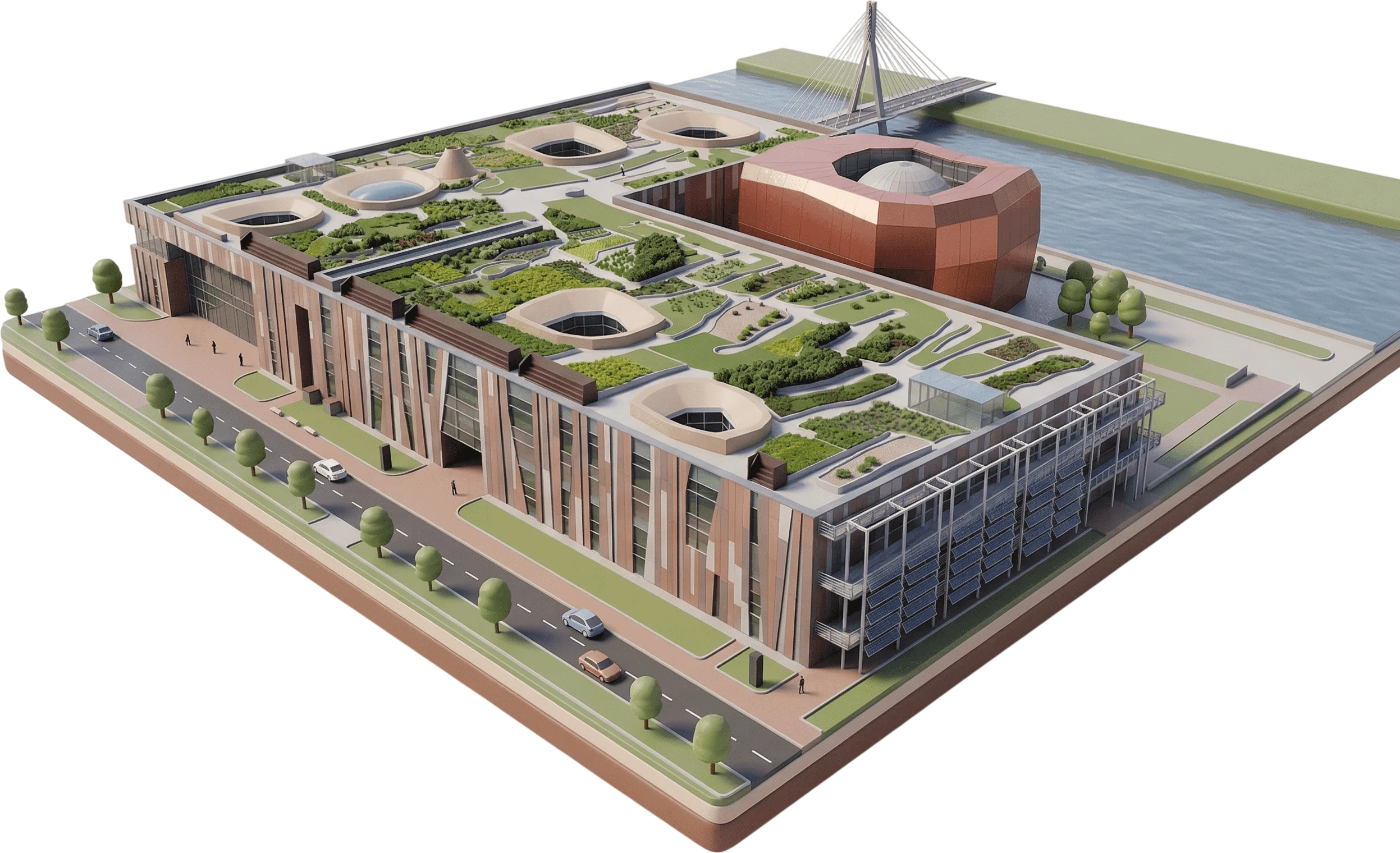
The Copernicus Science Centre in Warsaw is dedicated to inspiring scientific curiosity and knowledge. It offers over 400 interactive exhibits for hands-on experiences and construction challenges. Visitors can also explore workshops, mini-labs, a theatre, and a state-of-the-art planetarium featuring diverse films and immersive shows.
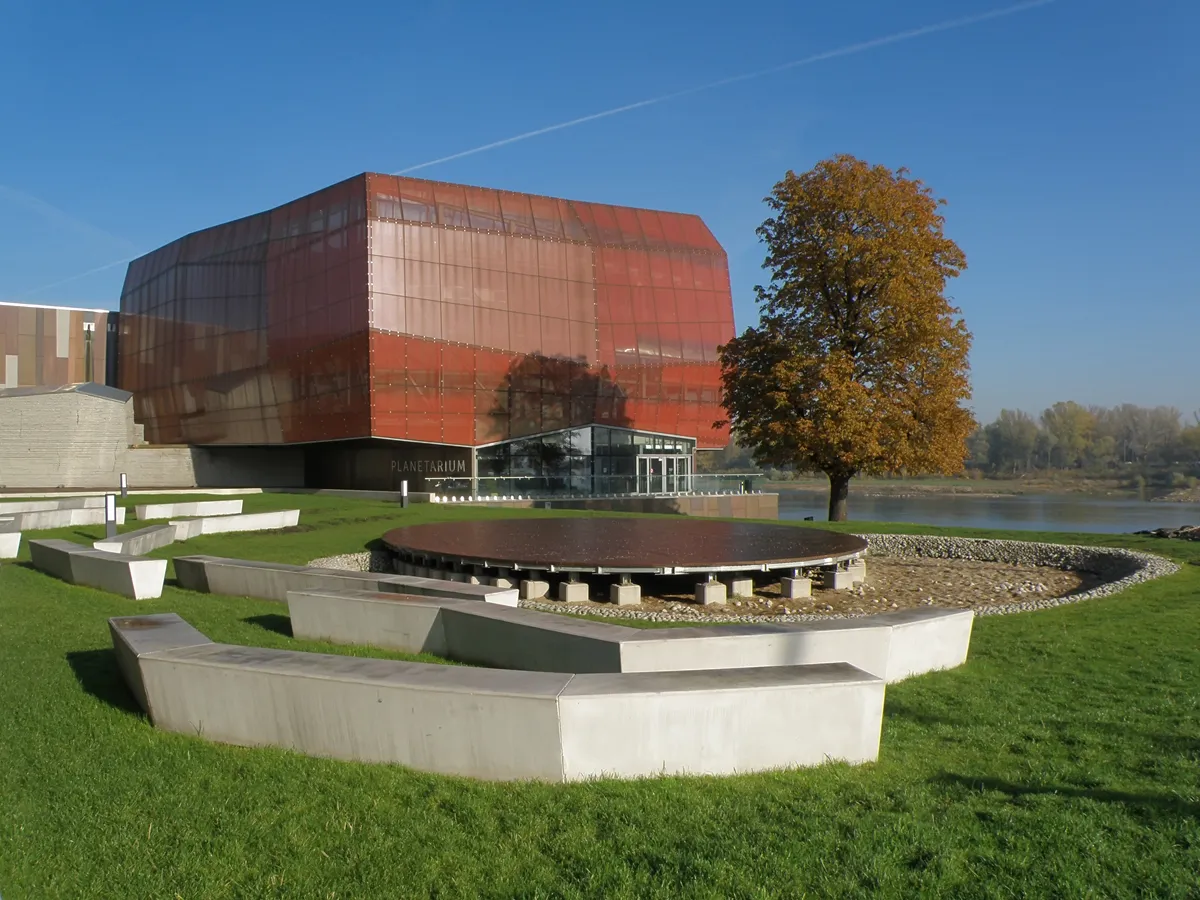
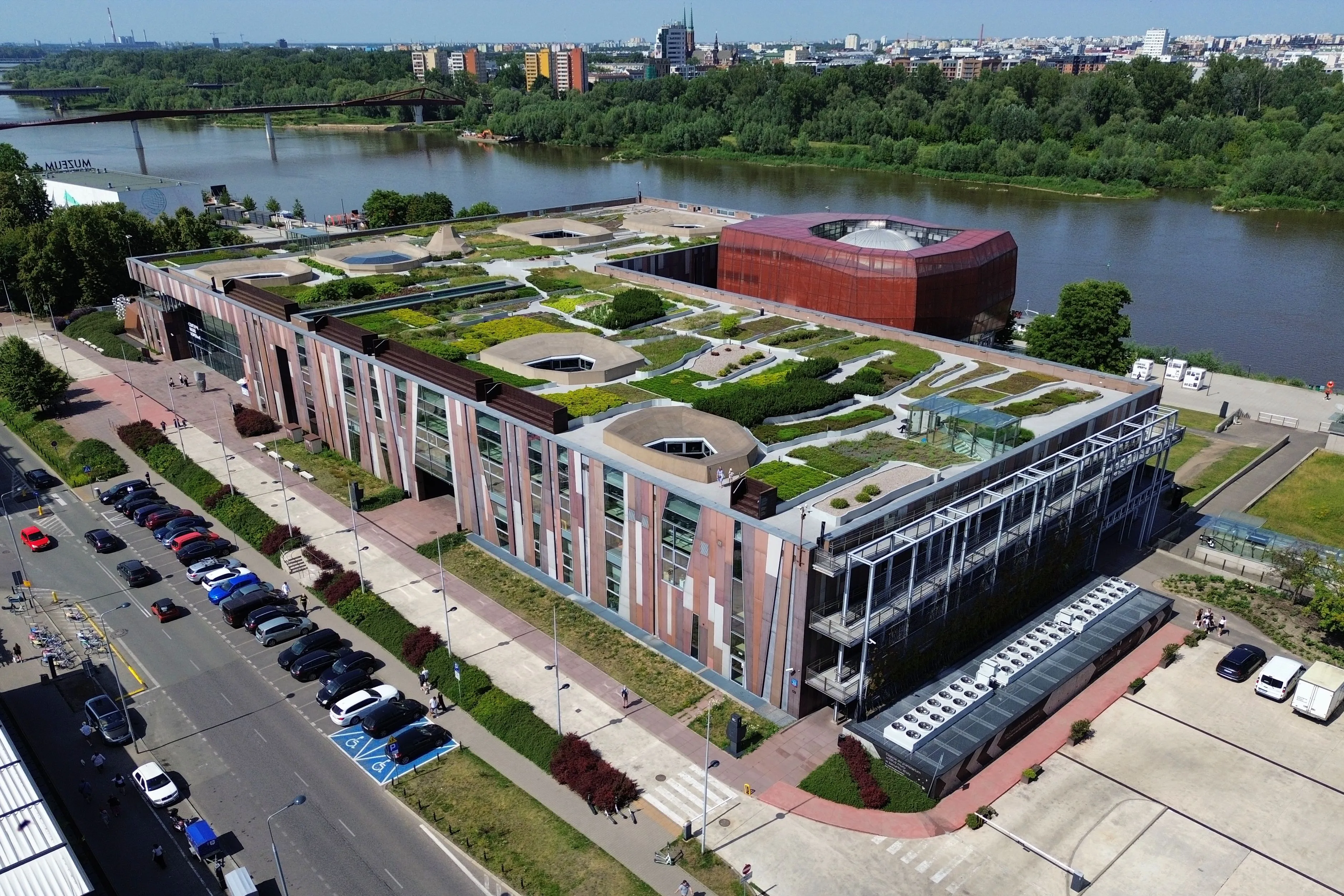
The Copernicus Science Centre is situated at Wybrzeże Kościuszkowskie 20, 00-390, in Warsaw, Poland. This location in Warsaw places the large hands-on science centre conveniently for visitors looking to explore the city's educational attractions.
Wybrzeże Kościuszkowskie 20
00-390 Warsaw
Mazowieckie, PL
To plan your visit to the Copernicus Science Centre in Warsaw, anticipate spending approximately 2 to 3 hours exploring the interactive exhibits. Reservations are recommended, and timed entry is in effect to manage visitor flow. Paid parking is available for those arriving by car.

The Copernicus Science Centre, located in Warsaw, is a dynamic institution fostering scientific curiosity and knowledge through engaging interactive experiences. It features over 400 interactive exhibits across various scientific fields, inviting visitors of all ages to explore, experiment, and tackle construction challenges. Beyond the main galleries, the center offers practical workshops, mini-labs, and a theatre for deeper learning. A state-of-the-art planetarium further enriches the experience, presenting a diverse program of science-themed films, immersive live shows, and musical concerts that provide unique opportunities to explore the cosmos and scientific phenomena. This vibrant hub encourages active discovery and understanding of the world.
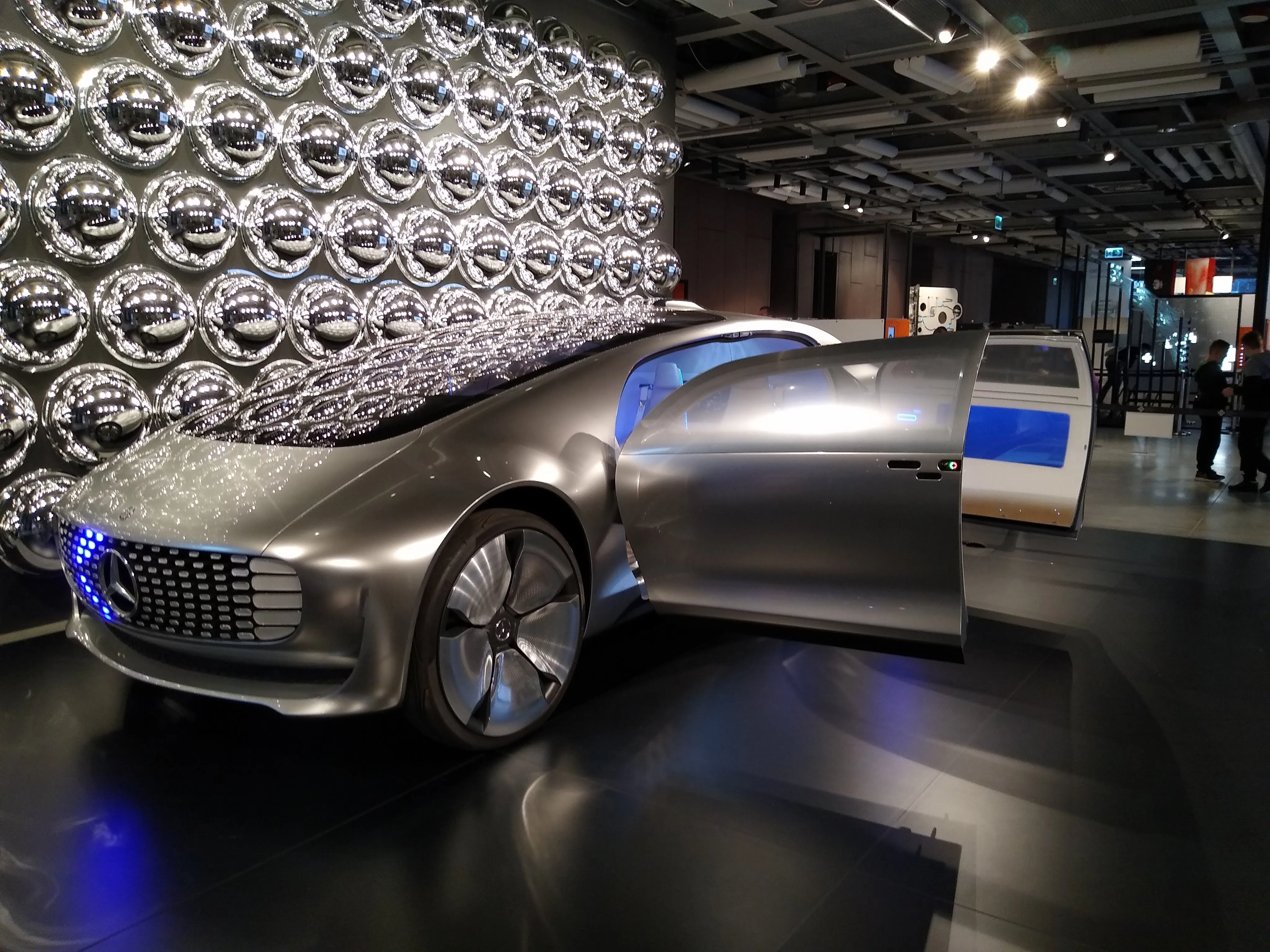
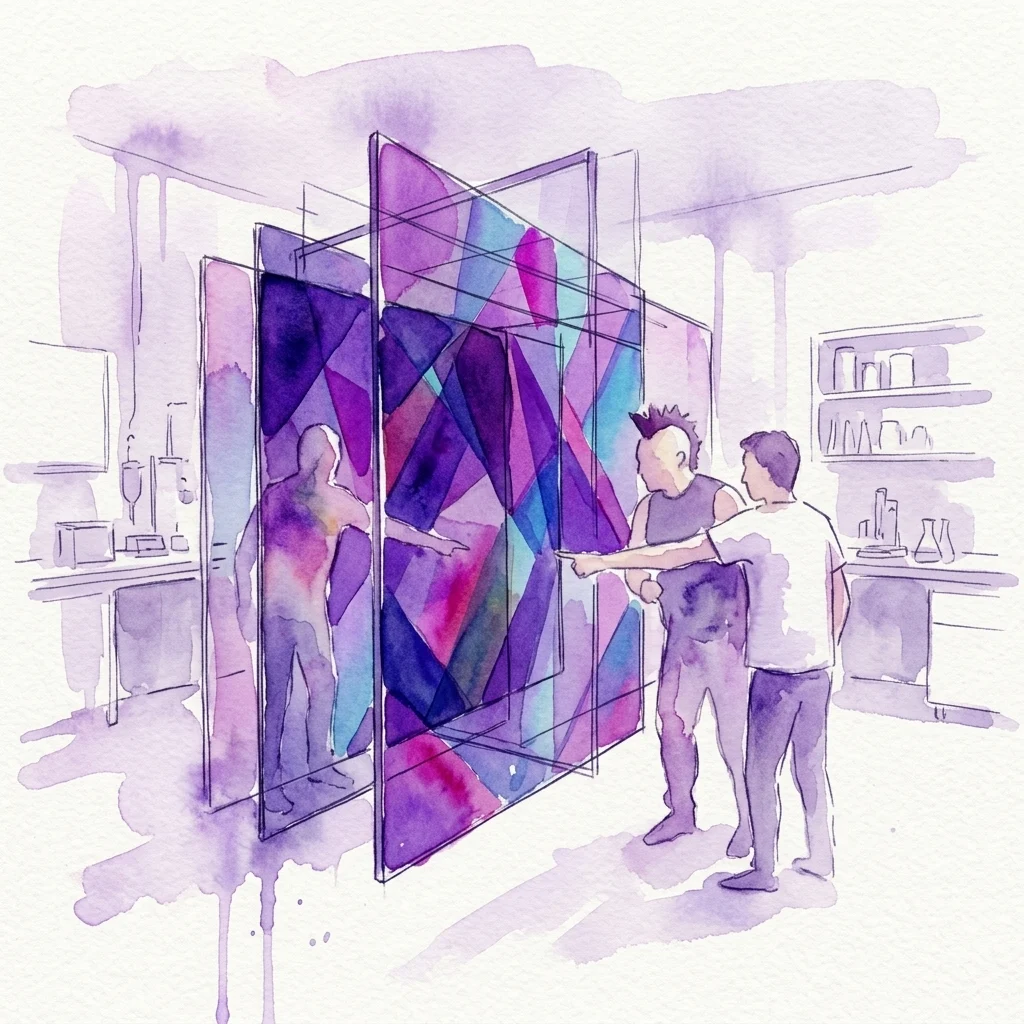
Engage with experimental exhibits where engineering meets creative design.
Observe the development process behind interactive installations featuring polarizing filters and thin-film interference. Your engagement helps refine these scientific concepts before they reach their final form.
Science and Design Prototyping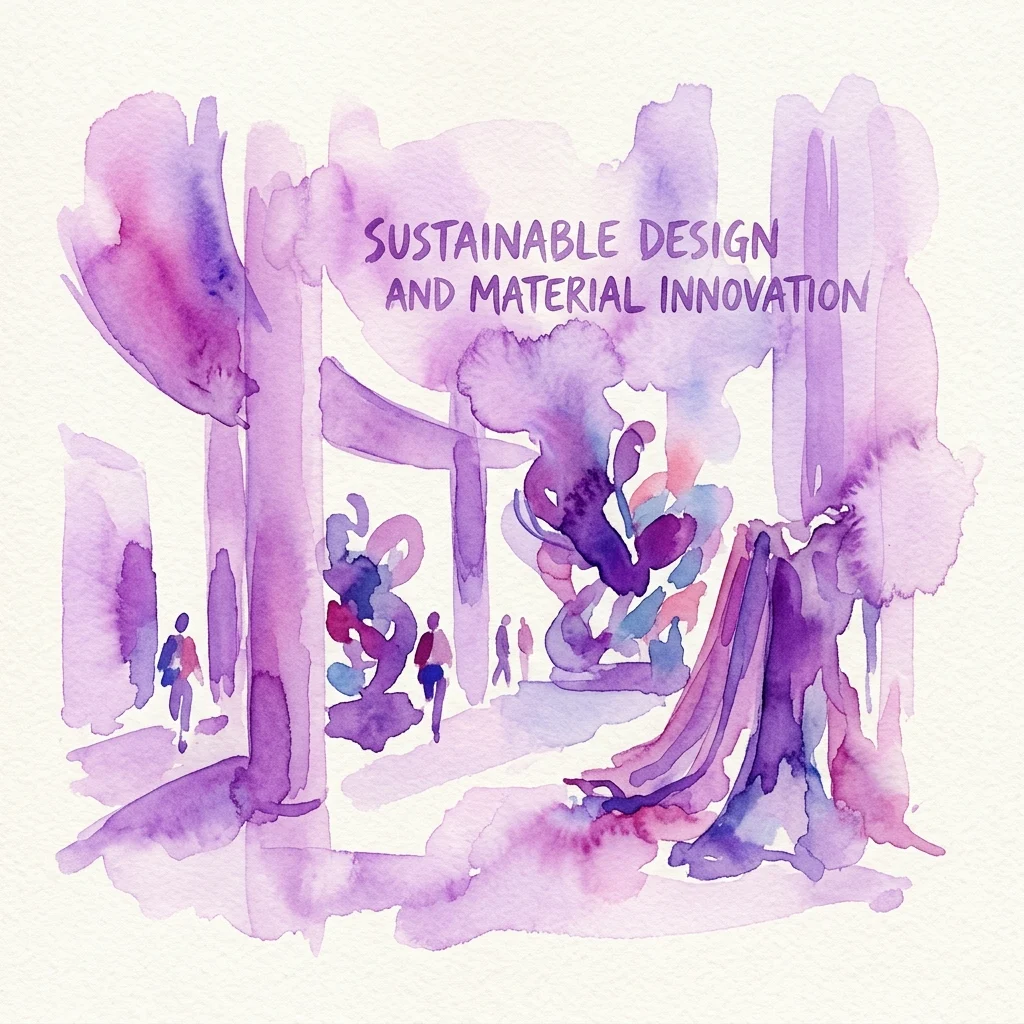
Explore sustainable engineering and future-focused material innovations.
This exhibition explores the relationship between limited natural resources and manufactured goods. It questions sustainability and closed-loop systems, showcasing experimental samples and prototypes from diverse contributors. Engage with ideas shaping future materials and environmental responsibility.
Festiwal Przemiany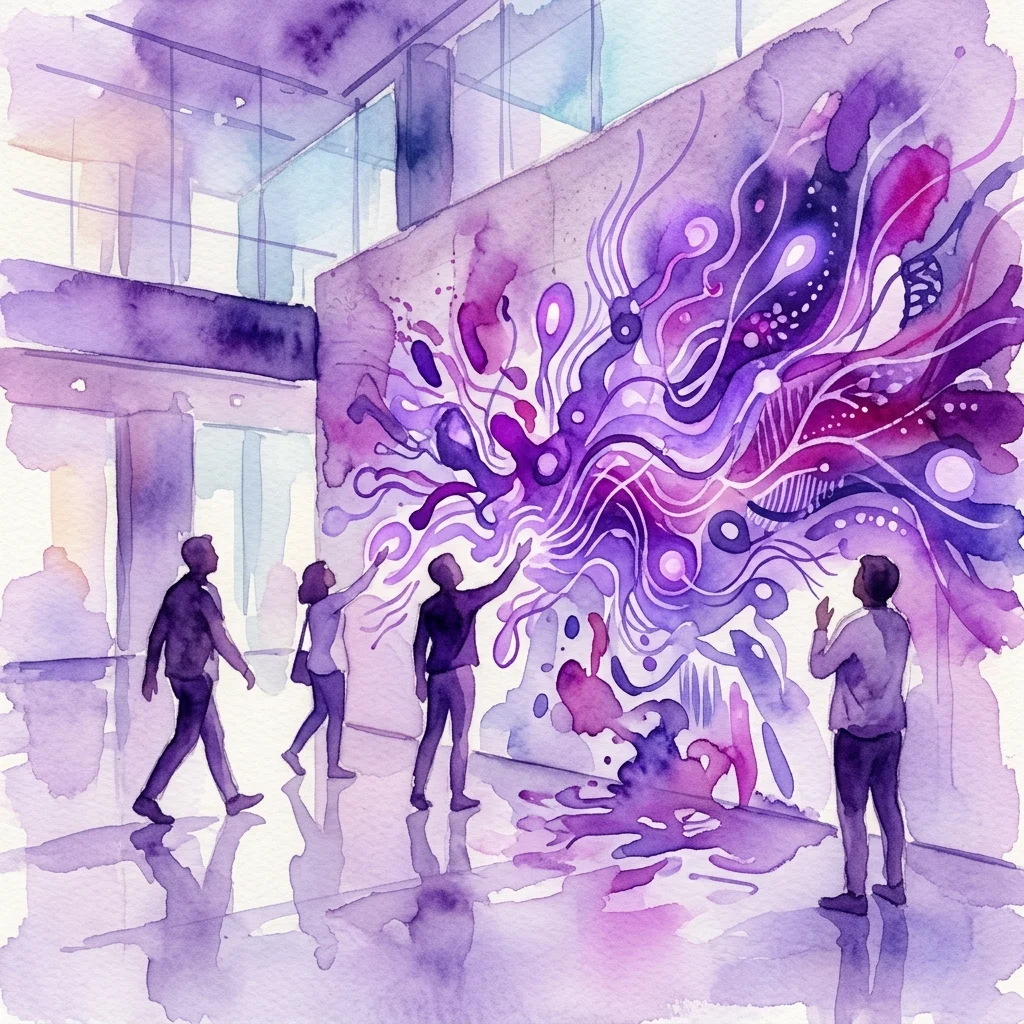
Art, technology, and visitor participation explore human and material flows.
Engage with "Przepływy," a responsive installation where your interaction actively shapes the visual and auditory landscape. Explore the intricate relationships between people and the material world in this unique art and technology blend.
Przepływy Exhibition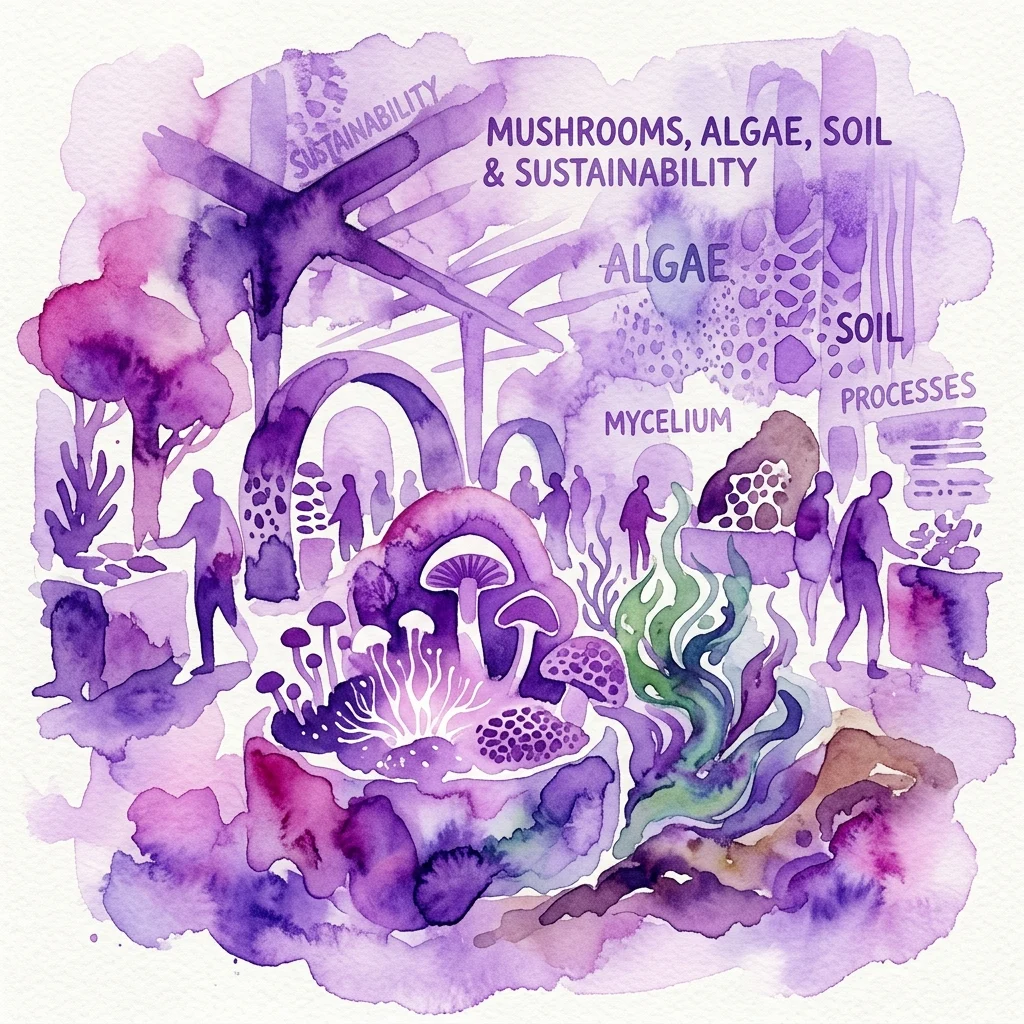
Showcasing innovative materials for a more sustainable future.
Explore a unique archive of ecological and non-toxic materials, blending advanced technology with traditional craftsmanship. This collection features sustainable innovations derived from organic sources like fungi, algae, and human hair, fostering responsible material practices.
Future Materials Bank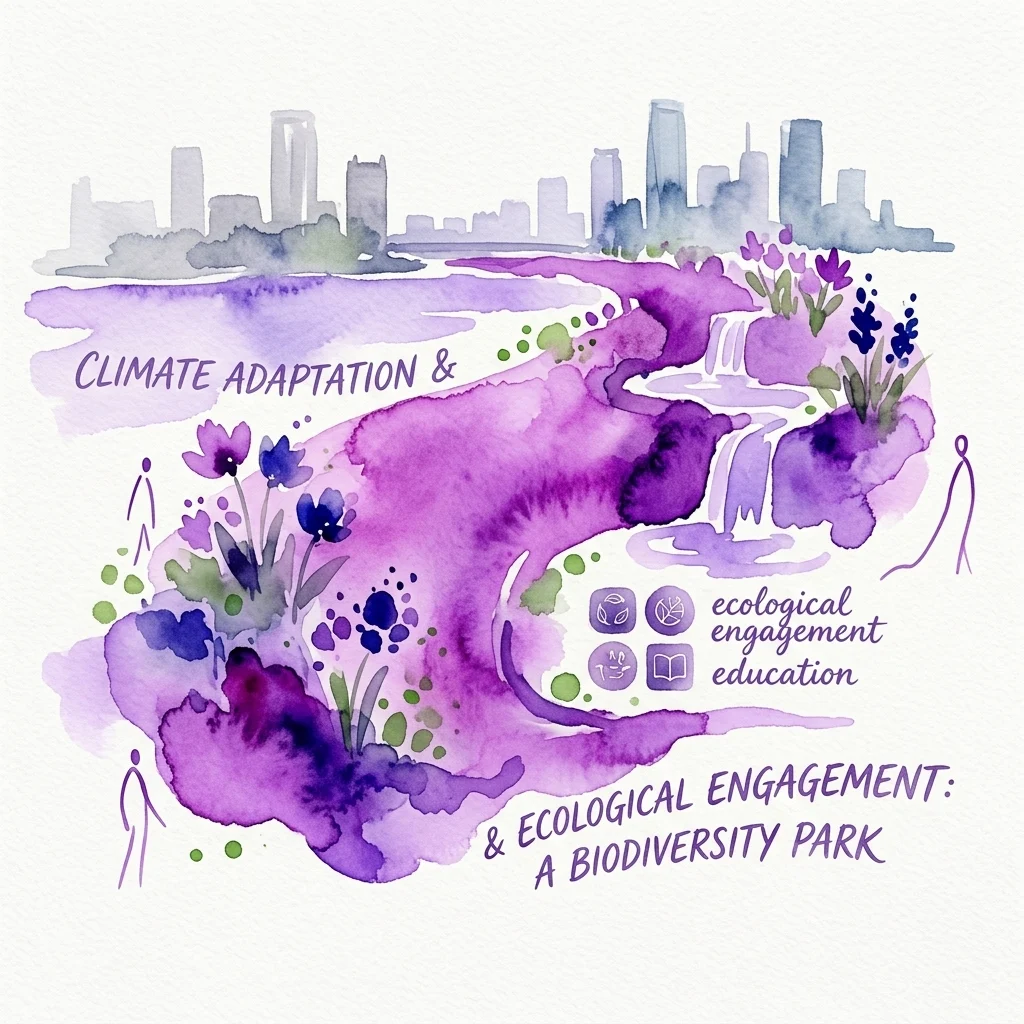
Planned opening 2028 near Copernicus Science Centre for environmental learning.
Explore the vision for Warsaw's Biodiversity Park, a new green space opening in 2028. This project focuses on climate change adaptation, enhancing urban biodiversity, and providing engaging environmental education adjacent to the Copernicus Science Centre.
Biodiversity Park Project
Exploring environmental challenges through science, art, and virtual reality.
This exhibition delved into the climate crisis, featuring expert lectures, engaging panel discussions, and hands-on workshops. Discover insights from leading scientists and explore innovative solutions for environmental sustainability.
View Exhibition Details
Discussing climate crisis solutions and the future of energy policy.
This significant event, part of Festiwal Przemiany 2021, featured leading experts discussing the complex challenges of energy transition. It examined scientific, technical, social, and cultural impacts, offering insights into climate crisis solutions.
Energy Transformation Debate
Expert panel analyzing societal transformations to confront global warming challenges.
This panel discussion from Festiwal Przemiany 2021 explores how economic systems and societal values must evolve to tackle the climate crisis. Hear from experts on corporate responsibility, development measures, and the psychological aspects of change. Gain perspective on global inequalities and the concept of a just transition.
Climate Crisis DiscussionThe Copernicus Science Centre was officially established in 2005 in Warsaw, following initial development in 2004. Construction began in 2008, leading to the opening of the first exhibition module in November 2010. Throughout 2011, the "Heavens of Copernicus" planetarium and numerous specialized laboratories and galleries also premiered, cementing its status as a **major European science museum** known for interactive discovery.
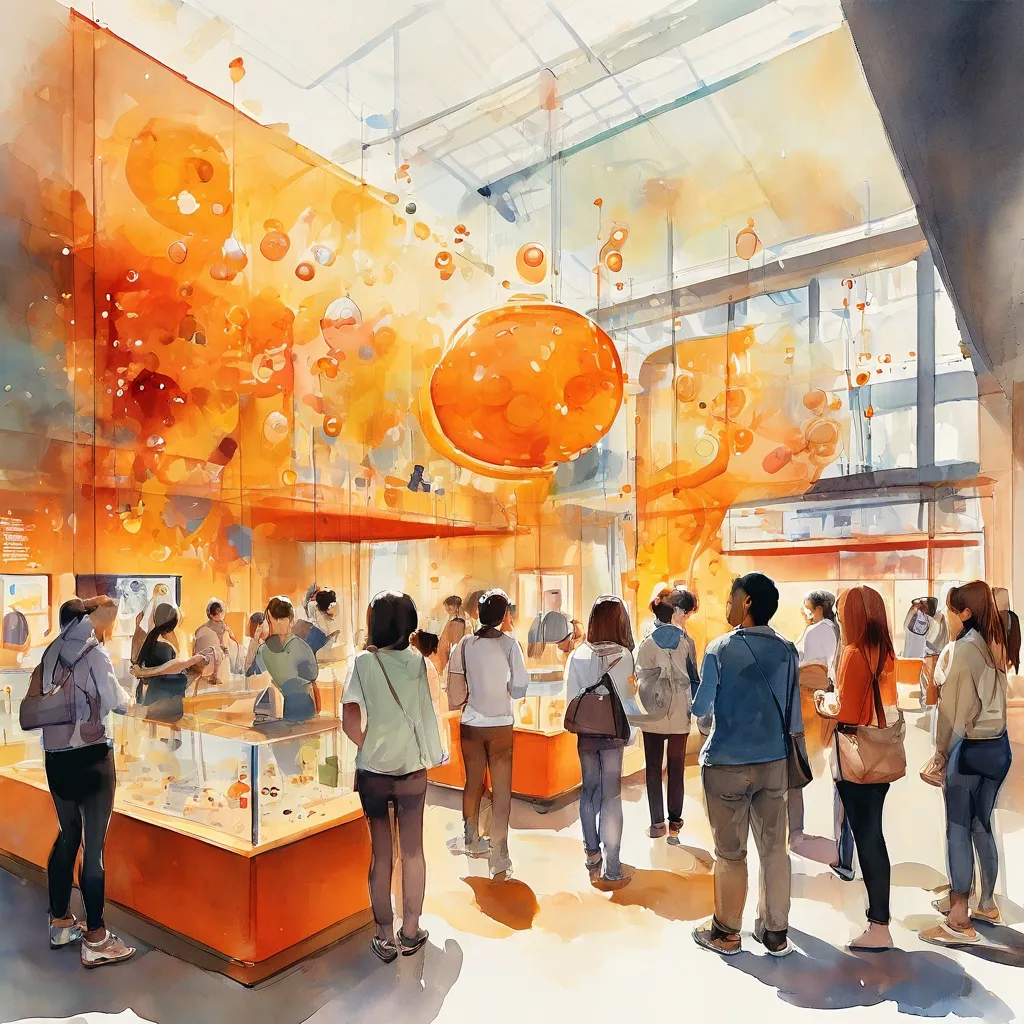
To ensure a smooth and enjoyable experience at the Copernicus Science Centre, it's highly recommended to purchase your tickets ahead of time. Popular periods like long weekends and summer holidays often see high demand, and on-the-day ticket availability can be limited.
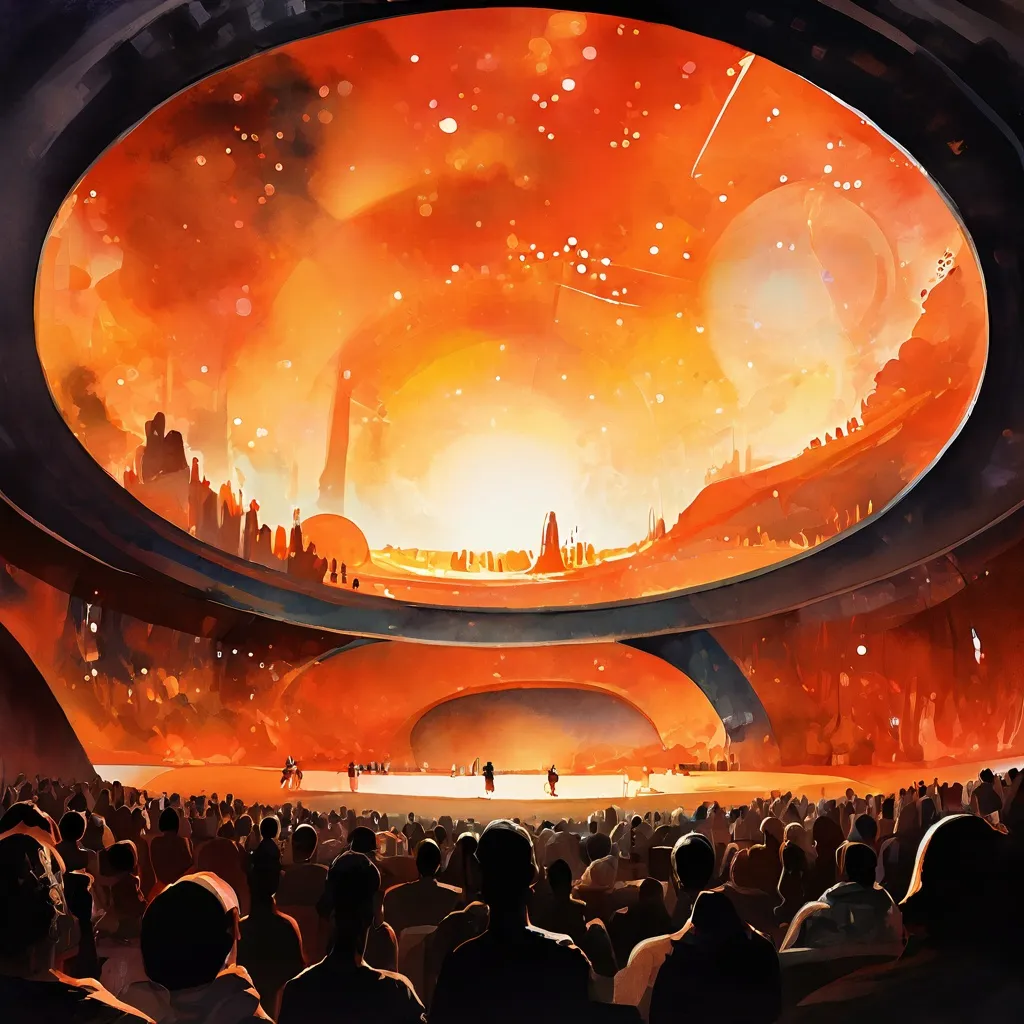
The Copernicus Science Centre Planetarium is hosting a special screening of the documentary 'Shifting Baselines' on May 11th, as part of the 23rd Millennium Docs Against Gravity festival. Following the film, attendees can engage in a Q&A session with the director, Julien Elie.

The Copernicus Science Centre anticipates high visitor numbers during the upcoming May long weekend. To ensure a smooth and enjoyable experience, visitors are strongly advised to plan their visit in advance and purchase tickets online. Advance booking is the most reliable way to secure entry and avoid potentially long queues or disappointment due to tickets selling out.
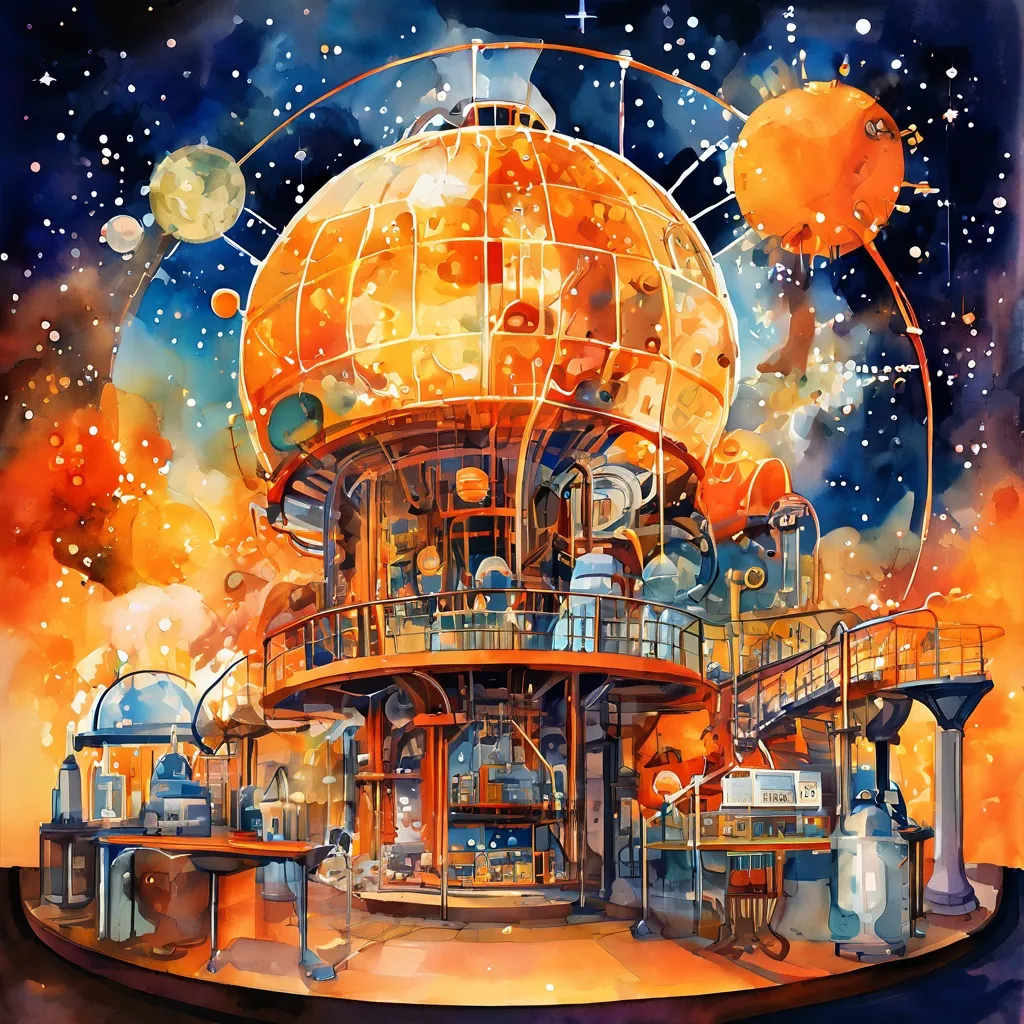
Experience more of the Copernicus Science Centre with a new combined ticket option. This package allows visitors to enjoy both the interactive exhibitions and an engaging show at the Planetarium at a reduced price compared to purchasing separate tickets. It's a great way to double the unforgettable experiences.
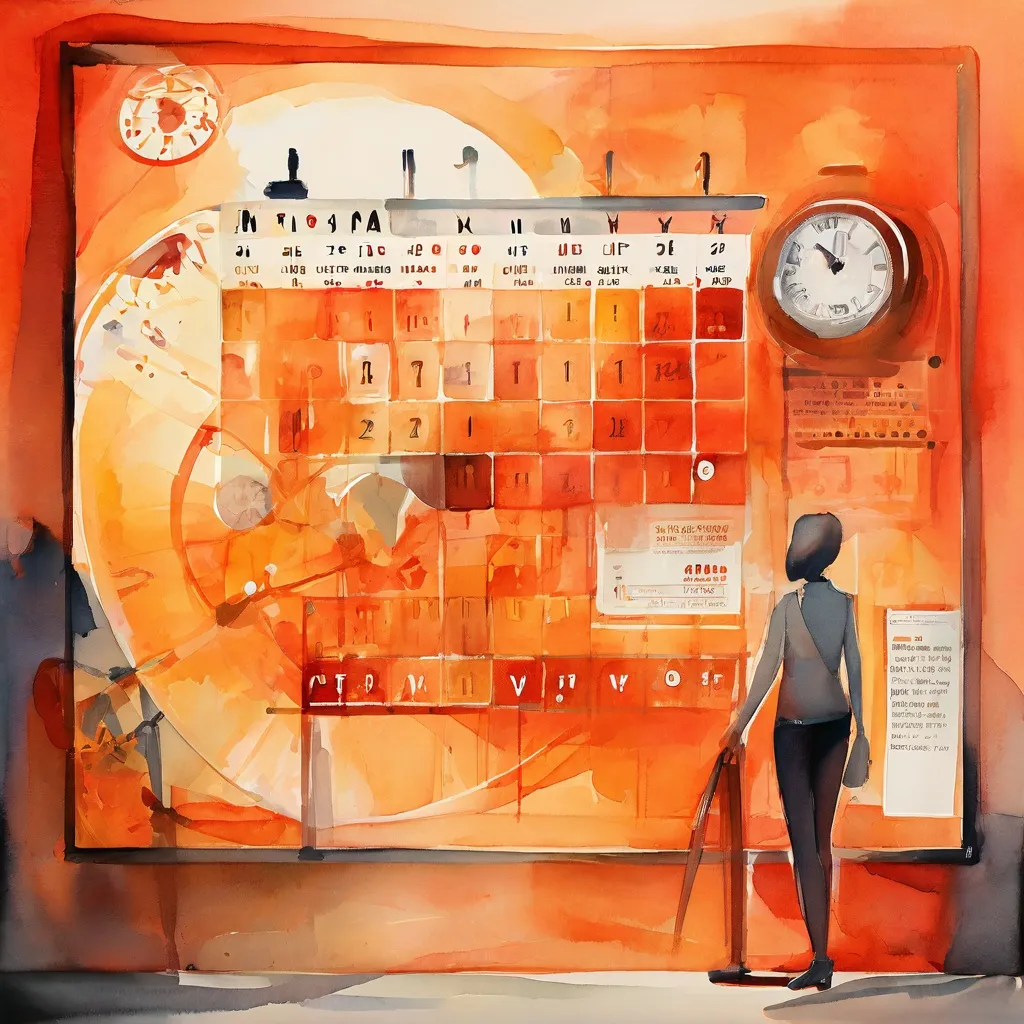
On Friday, May 22, 2026, the Copernicus Science Centre will have limited availability of certain attractions due to preparations for the Przewroty Award gala. Visitors should be aware that 'The Future Is Today' exhibition and the Air Fountain exhibit will be closed. Loud rehearsals may also occur throughout the day.
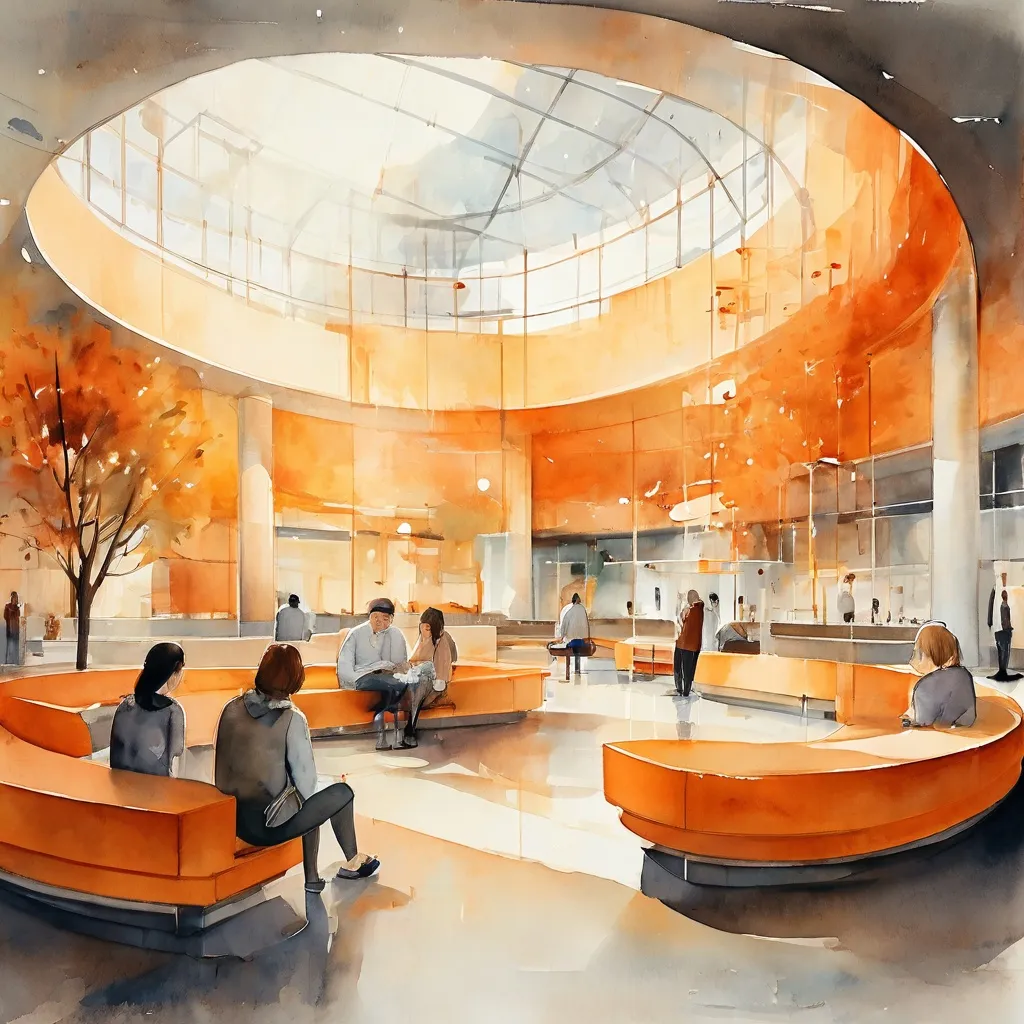
The Copernicus Science Centre is continuing its 'Quiet Hours' initiative in 2026, dedicating specific times each month to create a more accessible and comfortable environment for visitors with sensory sensitivities, including those on the autism spectrum. During these designated periods, loud exhibits and intense lighting will be modified or switched off, allowing more guests to enjoy the science centre experience.
Copernicus Science Centre now offers combined tickets, allowing visitors to save money when visiting both the Exhibitions and the Planetarium. This integrated ticket option provides a more affordable way to experience the full range of scientific discovery available at the centre.

Visitors heading to the Copernicus Science Centre should be aware of upcoming traffic disruptions due to preparations for the Polish Armed Forces Day celebrations. Certain streets will experience closures in early August 2025. It is advisable to check current public transport updates and consider using the Warsaw Metro for easier access.
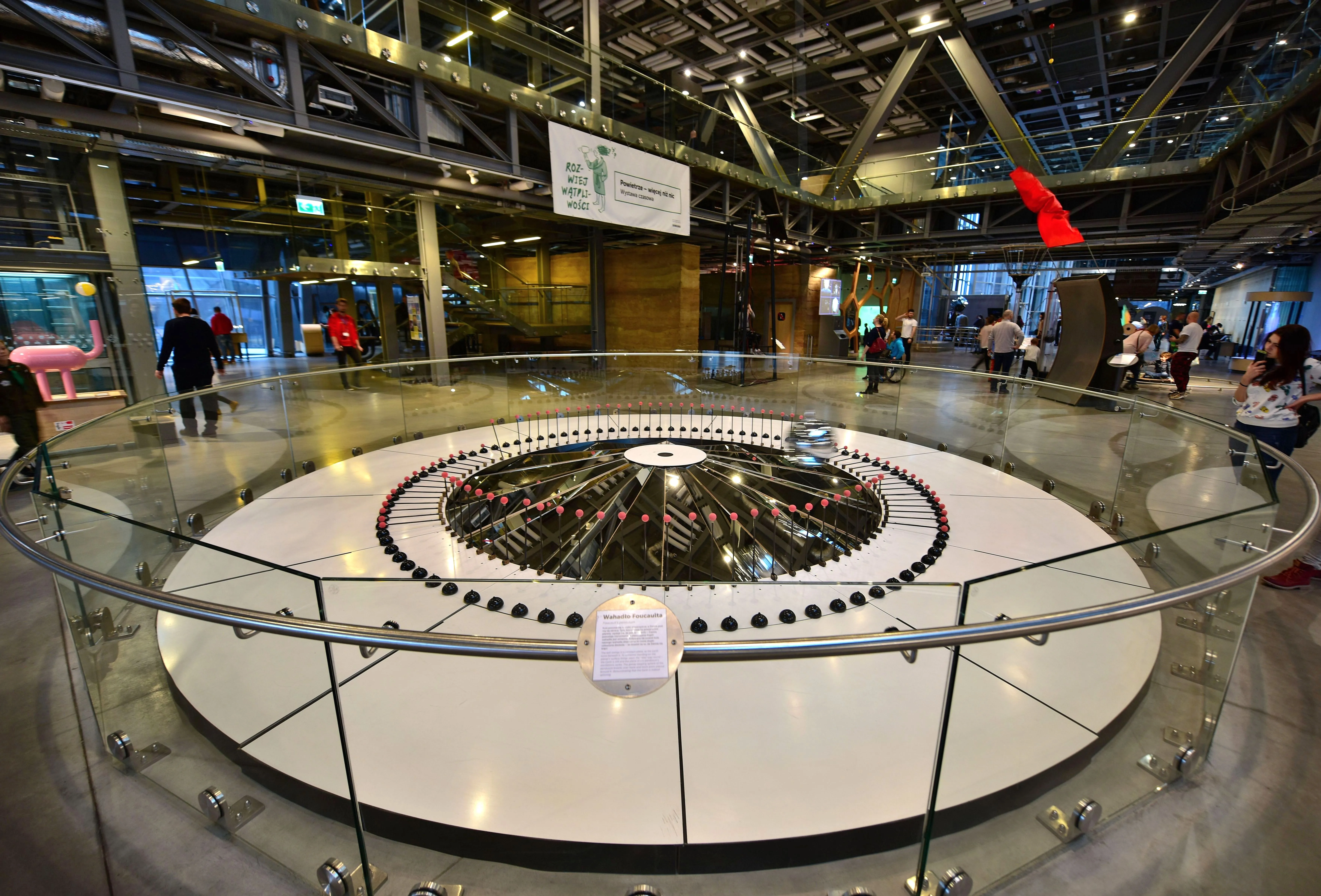
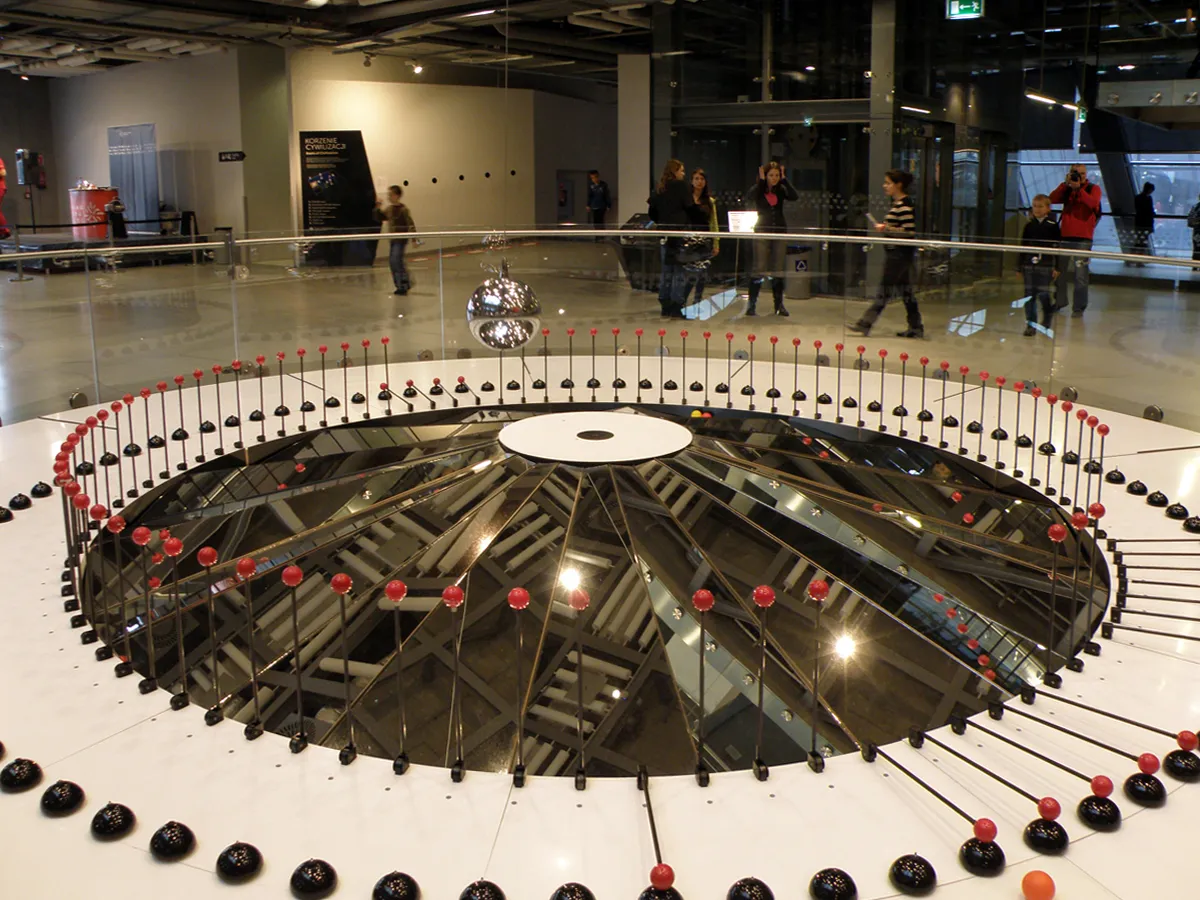
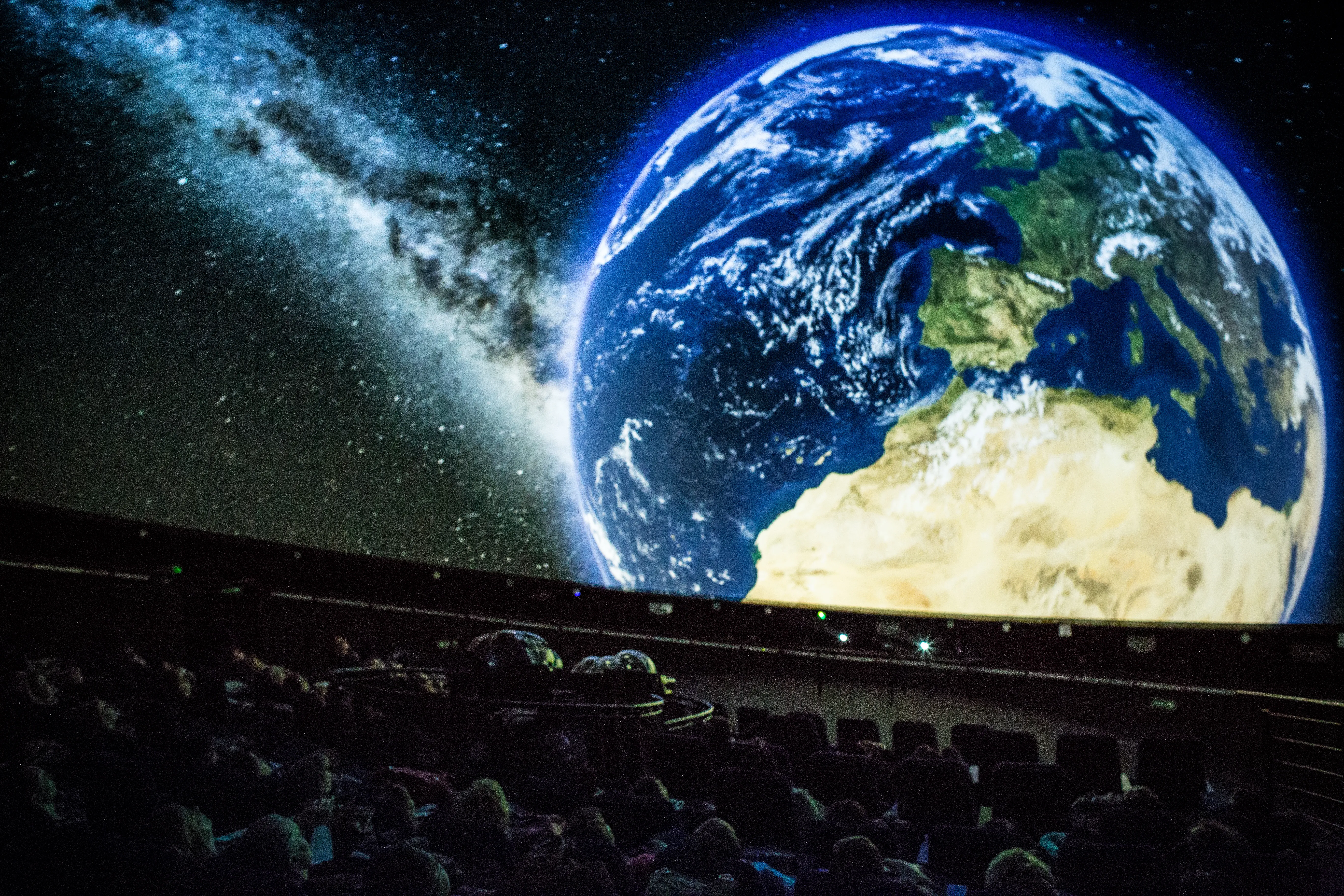
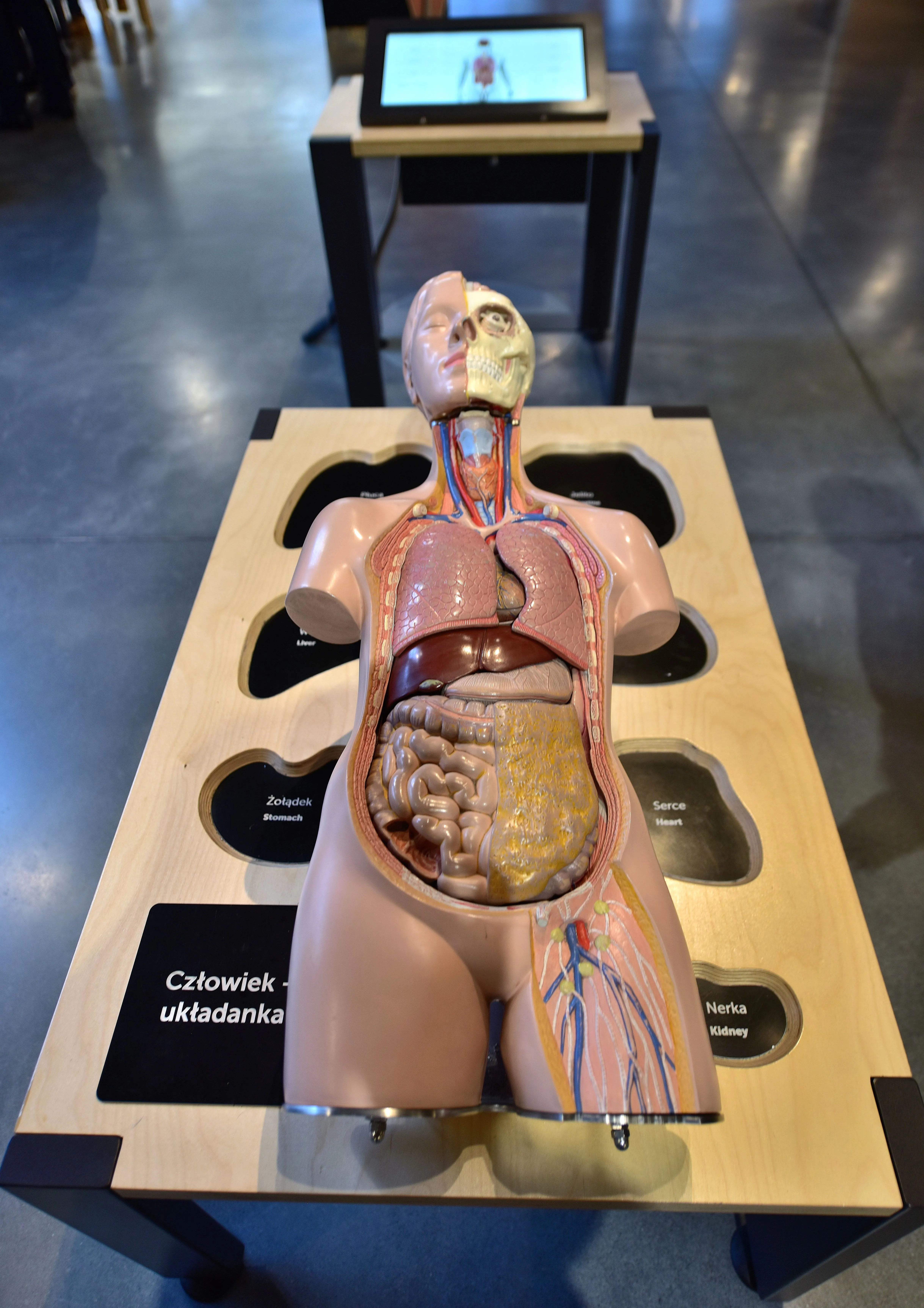
Explore a visual journey through the Copernicus Science Centre in Warsaw, showcasing its dynamic atmosphere and interactive exhibits. The gallery highlights hands-on experiences across various scientific fields, inviting visitors to engage with experiments and construction challenges. You'll see glimpses of the vibrant learning spaces and the immersive Planetarium, reflecting the center's commitment to scientific discovery.


Uncover Warsaw's rich history, profound art, and compelling cultural narratives.
Easily discover unique museums and cultural institutions across Warsaw. Tailor your exploration by selecting themes and interests that matter to you. Find diverse collections and immersive exhibits awaiting your visit.