Amsterdam
News

Exploring the Christian Cabbala of Johannes Reuchlin

News from Embassy of the Free Mind

Delve into the groundbreaking work of Johannes Reuchlin, a Renaissance humanist who explored Christian interpretations of Jewish Kabbalah. Discover his key publications and their influence on bridging mystical traditions.

ResearchPhilosophyHistoryMysticism
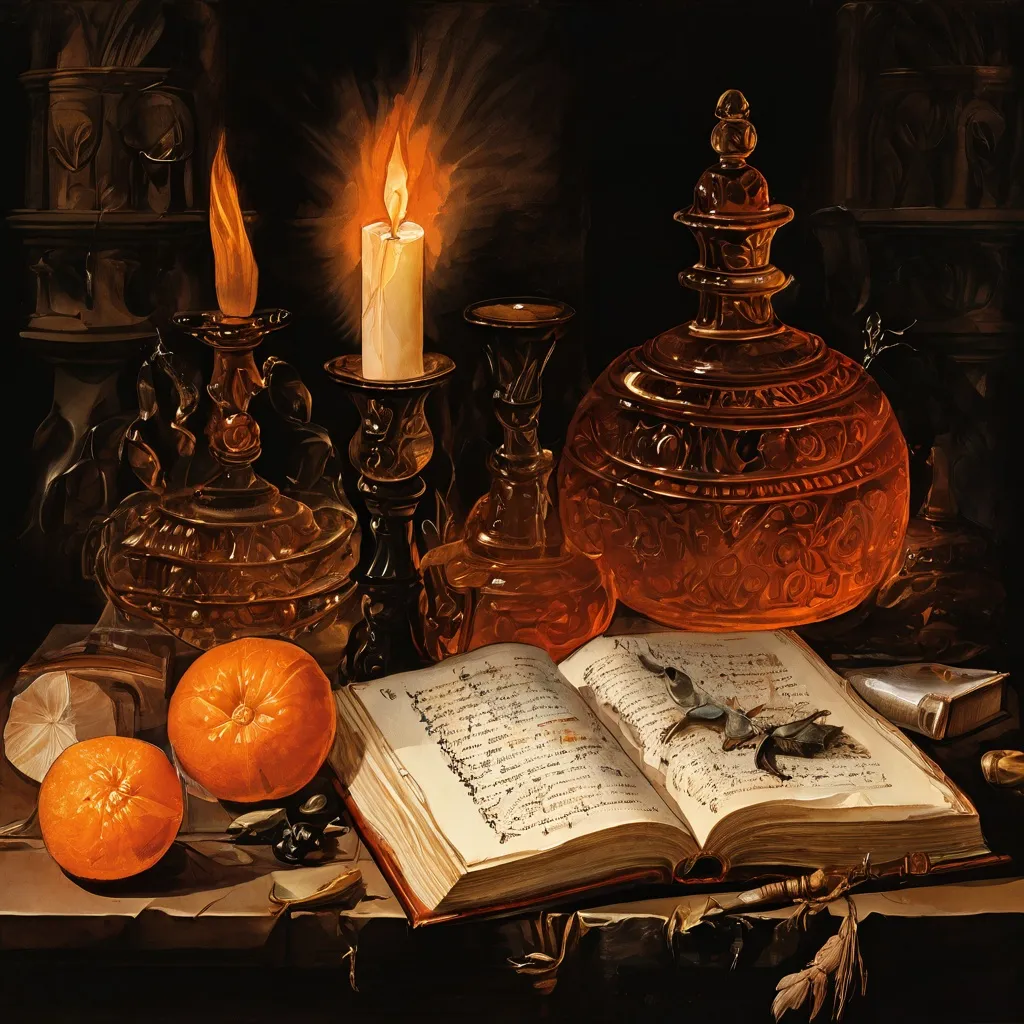
A scholarly illustration depicting an ancient title page from Johannes Reuchlin's work on Christian Cabbala, surrounded by manuscripts and illuminated by soft, warm light, at the Embassy of the Free Mind.

Unpacking Johannes Reuchlin's Legacy at Amsterdam's Embassy of the Free Mind

The Embassy of the Free Mind, a notable cultural institution in Amsterdam, highlights the intellectual contributions of Johannes Reuchlin (1455–1522), a pivotal figure in the early modern period. Known as an influential Christian Cabbalist, Reuchlin's work bridged philosophical, spiritual, and humanist traditions, a focus central to the museum's mission.

Reuchlin's diverse career saw him serve as a diplomat, philosopher, humanist, and Cabbalist. He gained renown for his courageous defense of Jewish literature against the Inquisition. His professional life also included roles as a private tutor to nobles, a judge, and ultimately, a Professor of Hebrew and Greek at the University of Tübingen in 1521.

Exploring Renaissance Humanism and Mysticism in Amsterdam

Reuchlin's engagement with Jewish Kabbalah began during a trip to Italy in 1490, where he met Giovanni Pico della Mirandola, another Christian Cabbalist. Like Mirandola, Reuchlin sought to find confirmations of Christian mysticism within Jewish Kabbalistic teachings.

His early exploration into this field led to the 1494 publication of "De verbo mirifico" (The wonder-working word) in Basel. This work features three dialogues between fictional characters, where Reuchlin introduced his efforts to create a distinct Christian Cabbala. A key concept presented was the idea that inserting the letter "S" into the Hebrew name of God, YHWH (Tetragrammaton), forms the name of Jesus (Yehoshua), thus identifying Jesus as the true Messiah. This innovative theory marked a significant contribution to Christian Cabbalistic thought.

Two decades later, after extensive study of Jewish Kabbalistic manuscripts, particularly the works "Ginnat Egoz" and "Sha’arei Orah" by Spanish Cabbalist Joseph ben Abraham Gikatilla, Reuchlin published "De arte Cabalistica" (On the Cabalistic Art) between 1503 and 1507. Dedicated to Pope Leo X, this book also employed a conversational format, involving a Jewish kabbalist, a Muslim, and a philosopher. In this later work, Reuchlin openly aligned with the Jewish Kabbalistic viewpoint, emphasizing the deep connections between central Kabbalistic ideas and the philosophical insights of the German humanist and mystic Nicholas of Cusa.

This examination into Reuchlin's work was authored by Kyra Gerber, a PhD candidate at the University of Amsterdam and a researcher for the Ritman Research Institute. Her studies focus on Jewish mysticism, Hebrew language prints, and 19th-century Jewish intellectual history.

To delve deeper into the philosophical and mystical traditions housed at the Embassy of the Free Mind, visitors can explore more about museums in Amsterdam or discover other current insights and research featured on Musemap (musemap.art).
Related museum topics and stories from Embassy of the Free Mind in Amsterdam
Explore connected topics from this article
Use topics from "Exploring the Christian Cabbala of Johannes Reuchlin" to discover related museum stories, film programs, and cultural events connected to Embassy of the Free Mind in Amsterdam.
Johannes ReuchlinChristian CabbalaEmbassy of the Free MindRenaissance humanismJewish mysticismDe verbo mirificoDe arte CabalisticaKabbalah historyearly modern philosophymystical traditions
Related visitor FAQ for this news article
Helpful answers connected to this news topic
Browse quick visitor questions shown for this article, then open the full Embassy of the Free Mind FAQ page in Amsterdam to explore broader planning information.

Who was Johannes Reuchlin and what is Christian Cabbala?

Johannes Reuchlin (1455–1522) was a significant Renaissance humanist, philosopher, and diplomat who is noted for his work in Christian Cabbala, an attempt to find Christian mysticism within Jewish Kabbalistic traditions.

What were Reuchlin's main contributions to Christian Cabbala?

Reuchlin's key contributions include his publications 'De verbo mirifico' and 'De arte Cabalistica,' where he explored the connections between Hebrew mysticism and Christian theology, notably suggesting a link between the divine name YHWH and Jesus.

How did Reuchlin engage with Jewish literature?

Reuchlin was a vocal defender of Jewish literature against the Inquisition and studied original Kabbalistic manuscripts, such as those by Joseph ben Abraham Gikatilla, to understand and integrate their concepts into his own theological framework.

What is the significance of Reuchlin's 'De verbo mirifico'?

'De verbo mirifico' (1494) was Reuchlin's first major work on Christian Cabbala, presenting dialogues that explored his theories, including the similarity he perceived between the Hebrew names for God and Jesus.

How did Reuchlin's views on Kabbalah evolve?

In his later work, 'De arte Cabalistica' (1503/7), Reuchlin demonstrated a deeper engagement with Kabbalistic thought, identifying with the Jewish mystical tradition and noting its affinities with the philosophy of Nicholas of Cusa.

Where can I learn more about Johannes Reuchlin's work?

The Embassy of the Free Mind often features articles and collections related to philosophical and mystical traditions. Further research into Renaissance humanism and Kabbalah will provide deeper insights into Reuchlin's legacy.

About Embassy of the Free Mind in Amsterdam

Embassy of the Free Mind, Amsterdam

Explore wisdom traditions

HistoryArt

This page provides a comprehensive overview of the Embassy of the Free Mind in Amsterdam, helping you understand its unique focus on philosophical and spiritual traditions. Whether you're interested in historical manuscripts or contemporary thought, Musemap offers more details to plan your visit. Explore other unique museums and libraries in Amsterdam for a deeper cultural experience.

Open full Embassy of the Free Mind museum overview
Amsterdam

Find Museums in Amsterdam: Explore Diverse Cultural Attractions by Interest

Discover unique art, history, and science museums in the city.

Navigate Amsterdam's extensive cultural offerings to find the perfect museum for your next visit. Explore different themes and historical periods to enrich your understanding of art and heritage. Locate institutions that spark your curiosity and delve into their unique exhibits.

Explore Embassy of the Free Mind with Amsterdam
Guides, visitor info, and museum details in Amsterdam
Find everything about Embassy of the Free Mind in one place, including tickets, opening hours, current exhibitions, location details, visitor tips, nearby attractions, and the latest museum updates. Use these pages to plan your visit, discover what to see, and get practical information before you go.
Discover nearby museums similar to Embassy of the Free Mind in Amsterdam and plan your next cultural stop with confidence.
These recommendations prioritize real proximity to Embassy of the Free Mind and help you find high-fit alternatives faster across Amsterdam.
Use this curated list to compare museums near Embassy of the Free Mind without opening multiple search pages. Each card gives you fast visual context and direct access to key details so you can decide quickly. If you are building a full day in Amsterdam, this section helps you chain nearby visits with less planning effort.