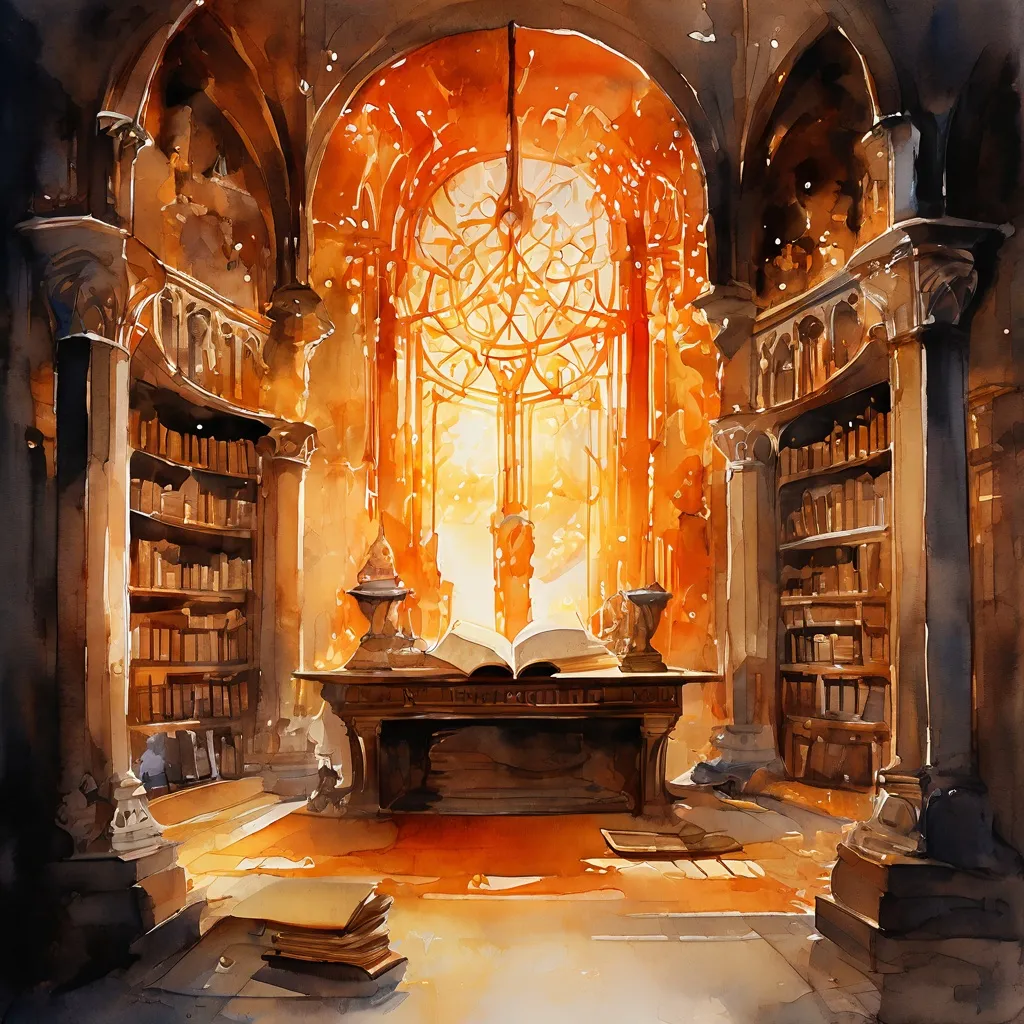
Unraveling Esoteric Mysteries: The 'Dweller of the Threshold' at Amsterdam's Embassy of the Free Mind
The Embassy of the Free Mind, a unique cultural institution in Amsterdam dedicated to philosophical, spiritual, and humanist traditions, recently explored a fascinating concept from Western initiatory literature: the "Dweller of the Threshold." This intriguing figure, often described as a formidable guardian encountered by those on a spiritual quest, forms the basis of a new article examining its recurring manifestations in esoteric texts.
Authored by Corey Andrews, a PhD candidate at the University of Amsterdam and a researcher with the Ritman Research Institute, the article delves into how this motif, or a similar challenging experience, appears in foundational works of Western esotericism. The insights draw from the extensive collection and research focus of the Embassy of the Free Mind.
The Enigma of Abrupt Endings in Esoteric Texts
Andrews' research highlights a peculiar literary device often used in initiatory literature: abrupt endings. Rather than concluding with a definitive resolution, several significant texts conclude suddenly, leaving the reader with an unfinished narrative. This stylistic choice, Andrews suggests, serves as a deliberate challenge, mirroring the encounter with the "Dweller of the Threshold" where the initiate must confront and overcome obstacles independently.
Examples of this phenomenon are observed across centuries of esoteric writing:
- The Chymical Wedding of Christian Rosenkreuz (1616), a foundational Rosicrucian narrative, ends with a sudden truncation, leaving the protagonist's journey incomplete in the published account.
- Goethe's long Christmas poem, The Mysteries (1784), concludes similarly, with a vivid description fading into an unresolved disappearance.
- A particularly striking instance is found in Sir Edward Bulwer-Lytton's 1842 classic, Zanoni: a Rosicrucian Tale. Lytton explicitly frames parts of his narrative as derived from an "unintelligible cipher" and includes intentional "erasures in the manuscript," halting a crucial dialogue at a peak of instruction.
Further research by Andrews led to Carlos Gilly’s work, which cites the 17th-century German alchemist Georg von Welling, who noted how "the author sometimes breaks off abruptly in the greatest of secrets." This sentiment reinforces the idea that such literary gaps are intentional, designed to prompt deeper reflection. Readers interested in this fascinating historical context can explore Carlos Gilly’s article on ‘The Emergence of the Geheime Figuren’. Even Carl Jung’s seminal work, The Red Book, reportedly concludes with an abrupt, unfinished sentence in its epilogue.
The Reader's Journey: Confronting the Unknown
Andrews interprets these abrupt endings as more than mere stylistic quirks. They represent a metaphorical threshold, a point where the author steps back, requiring the reader or initiate to take the next imaginative and intellectual leap alone. This personal confrontation with the unknown is likened to facing the Dweller, an internal challenge to overcome and assimilate knowledge independently, much like Pontius Pilate's unanswered question to Christ, "What is Truth?"
This topic was also the subject of a lecture given by Andrews at the Embassy of the Free Mind, connecting this academic research directly to the museum's public engagement. Those interested in a deeper dive can access a recorded lecture on the topic, with the password "Psycopter."
Ultimately, the article suggests that true understanding in esoteric traditions often requires a brave "jump into the unknown," a personal engagement beyond the written word. This perspective aligns with the Embassy of the Free Mind's mission to foster free inquiry and encourage visitors to explore profound questions.
To delve further into similar thought-provoking subjects, consider visiting the Embassy of the Free Mind and exploring its extensive collections, or discover more museums in Amsterdam. For the latest happenings and events, check what's on at cultural spots throughout the city, powered by Musemap (musemap.art).