Rare Waite-Smith Tarot Cards from Robert Gilbert's Collection Explored at Embassy of the Free Mind in Amsterdam
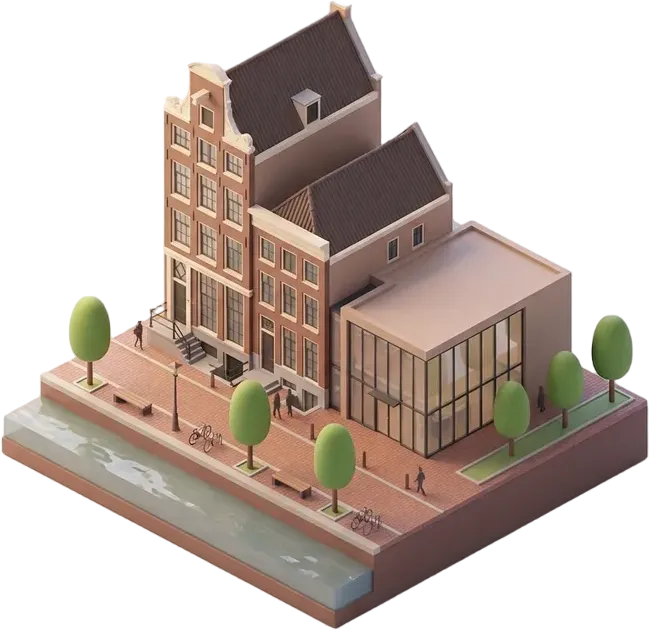
The Embassy of the Free Mind in Amsterdam continues to be a hub for deep dives into esoteric history, exemplified by recent research into the unique tarot card collection of Robert Gilbert. Post-doctoral researcher Augusto Waga has been exploring Gilbert's extensive archives, specifically focusing on early editions of the iconic Waite-Smith tarot deck, and uncovering potential secrets within its material history.
A Glimpse into Tarot History in Amsterdam
Robert Gilbert, renowned as a scholar, bookseller, antiquarian, and the official biographer of occultist Arthur Edward Waite (1857-1942), left behind a significant legacy housed at the Embassy of the Free Mind. His collection includes early works by Waite, whose influence ranged from romantic poetry to mystical esotericism and contributions to the Hermetic Order of the Golden Dawn. Among the most cherished items are Gilbert’s Waite-Smith tarot decks, first launched in 1909 with illustrations by Pamela Colman Smith (1878-1951) and published by Rider. Several rare, well-preserved early printings of these decks are part of this remarkable collection.
Unraveling the Mystery of the Two of Cups
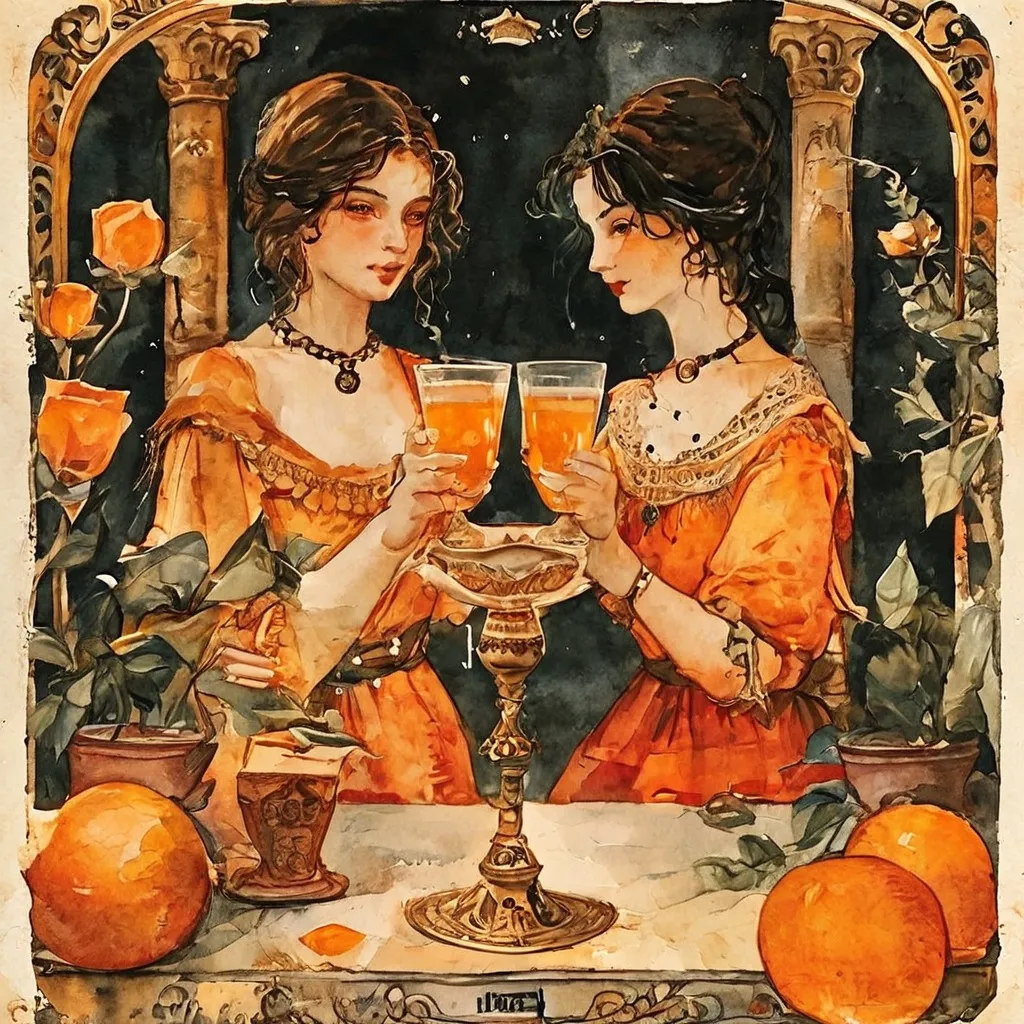
A particular focus of Waga's research involves two distinct black-and-white "Two of Cups" cards found within Gilbert's collection. These unusual cards present an intriguing puzzle regarding their origin. Their production through lithography suggests they might be preliminary drafts or prototype models intended for later printing, a hypothesis supported by their shared back patterns with the "Pam-A" version (referring to the 1910 edition). The way Gilbert organized these cards alongside older decks also provides historical evidence for their potential rarity. Tarot expert Frank-Jensen has previously suggested the existence of black-and-white prototype cards, further reinforcing this theory.
Material Clues and Historical Context
The investigation extends beyond iconography to the physical attributes of the cards themselves. Finger marks on the back of the cards offer valuable clues, a common occurrence with historical decks due to shuffling. However, unlike many oracular cards, these particular "Two of Cups" cards display almost entirely intact edges. This pristine condition could indicate they were prototypes shown repeatedly but not extensively used for readings, or perhaps handled during the lithographic impression process, which would account for the fingerprints. Although the exact history remains challenging to fully ascertain since Gilbert sold his collection to the Embassy of the Free Mind in the 2000s, these material details provide crucial insights into their past.
The Enduring Significance for Esoteric Studies
This collection holds immense importance for researchers delving into the history of cartomancy, tarot, and broader esotericism, as well as the specific evolution of the Waite-Smith deck. While challenges exist in classifying these historical documents without extensive resources, the study of editorial patterns allows researchers to date and interpret these significant cultural artifacts.
For those interested in the profound intersections of philosophy, spirituality, and occult traditions, the Embassy of the Free Mind in Amsterdam offers a unique opportunity for discovery. To delve deeper into similar profound collections, consider exploring more about Amsterdam's museums or browsing the latest exhibitions on Musemap (musemap.art).