Amsterdam
News

Exploring 'The Unknown World': A Deep Dive into 19th-Century Mysticism

News from Embassy of the Free Mind

The Embassy of the Free Mind highlights 'The Unknown World,' a rare 19th-century magazine focused on esotericism, alchemy, and occult sciences. This article explores its founder Arthur Edward Waite, its unique content, and its significance in the study of hidden knowledge.

PublicationHistoryEsotericismResearch
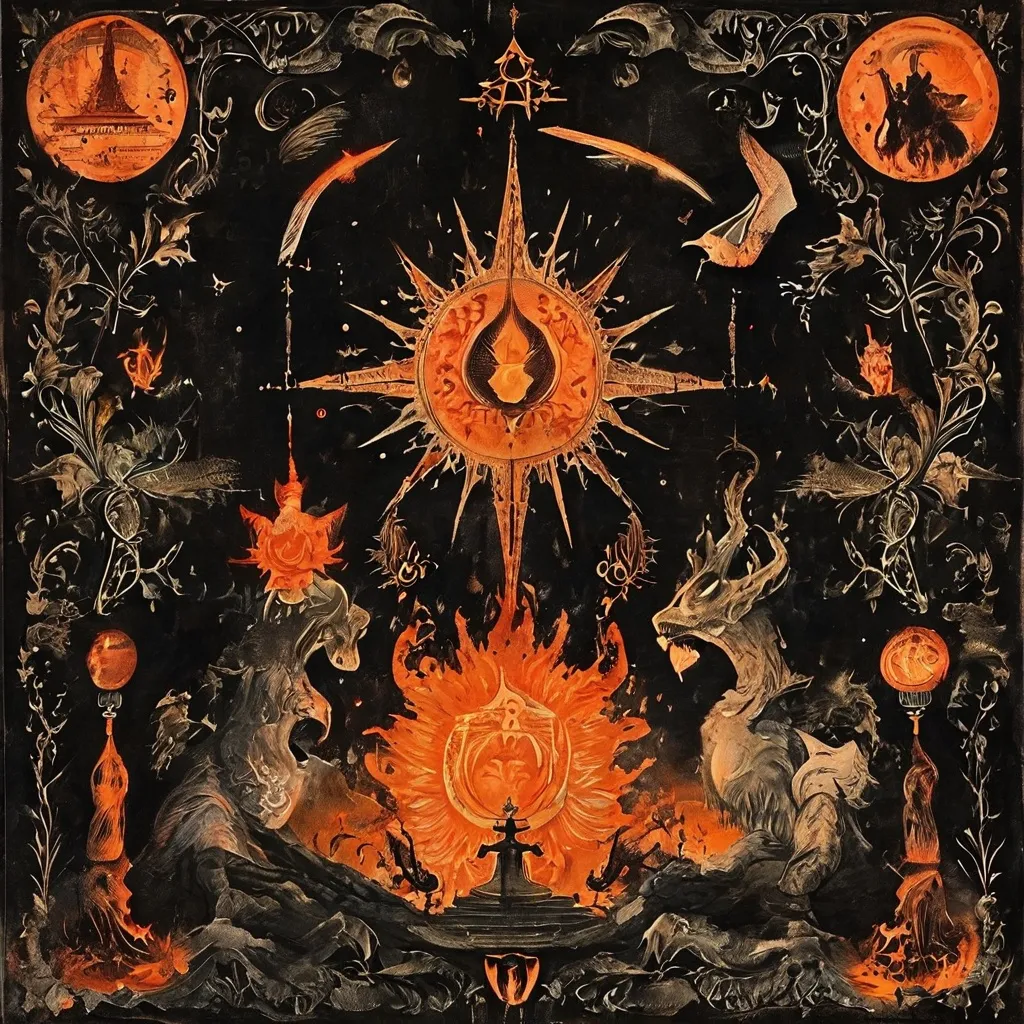
An antique magazine cover for 'The Unknown World,' featuring mystical symbols and occult illustrations, representing the Embassy of the Free Mind's exploration of esoteric knowledge.

Exploring The Unknown World: Mysticism and Occult Sciences at the Embassy of the Free Mind in Amsterdam

The Embassy of the Free Mind in Amsterdam regularly delves into its extensive collection of historical texts and manuscripts, unearthing fascinating insights into philosophical, spiritual, and humanist traditions. A recent focus has shed light on The Unknown World, a significant 19th-century magazine dedicated to esotericism, mysticism, alchemy, and the occult sciences. This exploration offers visitors a unique glimpse into the museum's commitment to understanding hidden knowledge.

Unveiling a Historical Esoteric Publication

The Unknown World was established in the late 19th century by Arthur Edward Waite (1857-1942), a notable British poet and scholarly mystic. Launched in 1894, the magazine was a short-lived but impactful periodical, publishing only eleven issues before ceasing production in 1895. Its ambition, clearly stated from its first edition, was to investigate and represent "those mysteries which are called transcendental, occult, and mystic."

The publication's subtitle—'A Magazine Devoted to the Occult Sciences, Magic, Mystical Philosophy, Alchemy, Hermetic Archaeology, and the Hidden Problems of Science, Literature, Speculation, and History'—underscored its broad scope. The Unknown World claimed to be the first periodical to encompass the entire spectrum of occult sciences, including subjects like White and Black Magic, Necromancy, Divination, Astrology, Alchemy, Witchcraft, Rosicrucianism, and Hermetic Philosophy.

Inside the First Edition

Among the valuable items housed in the Embassy of the Free Mind's collection is the very first edition of The Unknown World, notably with pages that remain uncut. This inaugural issue spanned forty-eight pages and featured a diverse range of articles. Topics included philosophical discussions such as 'The Threefold Division of Mysticism' and 'The Place of Evil in God’s Order: A Presentation of Christian Theosophy', alongside explorations of specific esoteric practices like 'What is Alchemy?' and 'The Hermetic Doctrine of Paracelsus'.

Other articles delved into historical and literary connections, examining 'The Theosophical Revival,' 'Mysticism in Poetry' (with a focus on Alfred Tennyson), 'The Rosicrucian Mystery,' and 'Francis Bacon and the Mystics,' which presented Bacon as a full-blown occultist. The collection reveals the depth and breadth of esoteric thought being explored during this period.

Artistic Contributions and Digital Access

While Arthur Edward Waite likely authored many of the initial pieces, the British theosophist A.P. Sinnett contributed an article on Theosophy. A crucial figure in the magazine's visual identity was Isabelle de Steiger (1836-1927), an English painter, theosophist, and occultist. She created most of the striking drawings that appeared in The Unknown World, many of which are featured in this study. De Steiger also contributed significantly through translation work, such as passages from Karl von Eckartshausen's mystical text The Cloud Upon the Sanctuary.

The Embassy of the Free Mind has made a digitized copy of The Unknown World accessible through its digital collection, allowing interested readers to view the images and access the entire catalog directly here.

Enduring Legacy in Amsterdam

The Unknown World, despite its brief run, represents an important early effort to systematically study and disseminate knowledge about these currents of what was then considered 'forbidden knowledge' through a periodical. The Embassy of the Free Mind views such publications as foundational models for its own initiatives, like the Codex, which aim to continue exploring and sharing insights into esoteric wisdom. By honoring these historical journals, the museum reinforces its commitment to preserving and making accessible the rich legacy of mystical and occult traditions for visitors in Amsterdam and beyond.

To discover more about the historical archives and exhibitions available, explore other museums in Amsterdam or view the cultural landscape on the city map via Musemap (musemap.art).

Related museum topics and stories from Embassy of the Free Mind in Amsterdam
Explore connected topics from this article
Use topics from "Exploring 'The Unknown World': A Deep Dive into 19th-Century Mysticism" to discover related museum stories, film programs, and cultural events connected to Embassy of the Free Mind in Amsterdam.
Embassy of the Free MindThe Unknown World magazineArthur Edward Waitemysticismoccult sciencesesotericism19th-century magazinesalchemyHermetic philosophyhidden knowledgedigital collection
Related visitor FAQ for this news article
Helpful answers connected to this news topic
Browse quick visitor questions shown for this article, then open the full Embassy of the Free Mind FAQ page in Amsterdam to explore broader planning information.

What is 'The Unknown World' magazine?

'The Unknown World' was a short-lived 19th-century magazine founded by Arthur Edward Waite, dedicated to exploring esotericism, mysticism, alchemy, and various occult sciences.

Who was Arthur Edward Waite?

Arthur Edward Waite was a prominent British poet and scholar, known for his work in occultism and mysticism, and he founded 'The Unknown World' magazine.

What kind of topics were covered in 'The Unknown World'?

The magazine covered a wide range of subjects including White and Black Magic, Divination, Astrology, Alchemy, Hermetic Philosophy, Rosicrucianism, and Mystical Poetry.

How long did 'The Unknown World' magazine run?

The magazine was published for only 11 issues, running from 1894 to 1895, making it a brief but significant publication in the history of esoteric literature.

Where can I find more information or view 'The Unknown World'?

The Embassy of the Free Mind has digitized copies of 'The Unknown World,' which can be accessed through their digital collection for viewing and research.

What is the connection between 'The Unknown World' and the Embassy of the Free Mind?

The Embassy of the Free Mind, with its extensive collection of esoteric texts, found 'The Unknown World' to be a significant historical publication that aligns with its own mission to explore hidden knowledge.

About Embassy of the Free Mind in Amsterdam

Embassy of the Free Mind, Amsterdam

Explore wisdom traditions

HistoryArt

This page provides a comprehensive overview of the Embassy of the Free Mind in Amsterdam, helping you understand its unique focus on philosophical and spiritual traditions. Whether you're interested in historical manuscripts or contemporary thought, Musemap offers more details to plan your visit. Explore other unique museums and libraries in Amsterdam for a deeper cultural experience.

Open full Embassy of the Free Mind museum overview
Amsterdam

Find Museums in Amsterdam: Explore Diverse Cultural Attractions by Interest

Discover unique art, history, and science museums in the city.

Navigate Amsterdam's extensive cultural offerings to find the perfect museum for your next visit. Explore different themes and historical periods to enrich your understanding of art and heritage. Locate institutions that spark your curiosity and delve into their unique exhibits.

Explore Embassy of the Free Mind with Amsterdam
Guides, visitor info, and museum details in Amsterdam
Find everything about Embassy of the Free Mind in one place, including tickets, opening hours, current exhibitions, location details, visitor tips, nearby attractions, and the latest museum updates. Use these pages to plan your visit, discover what to see, and get practical information before you go.
Discover nearby museums similar to Embassy of the Free Mind in Amsterdam and plan your next cultural stop with confidence.
These recommendations prioritize real proximity to Embassy of the Free Mind and help you find high-fit alternatives faster across Amsterdam.
Use this curated list to compare museums near Embassy of the Free Mind without opening multiple search pages. Each card gives you fast visual context and direct access to key details so you can decide quickly. If you are building a full day in Amsterdam, this section helps you chain nearby visits with less planning effort.