Amsterdam
News

Uncovering the Engraver of Jacob Böhme's Mystical Works

News from Embassy of the Free Mind

An article delves into the historical mystery surrounding the engraver of Jacob Böhme's influential works. Discover how a rediscovered diary revealed the identity of Michael Andreae and the complex story behind the recutting and reception of these significant mystical prints.

Art HistoryMysticismEngravingsResearchJacob Böhme
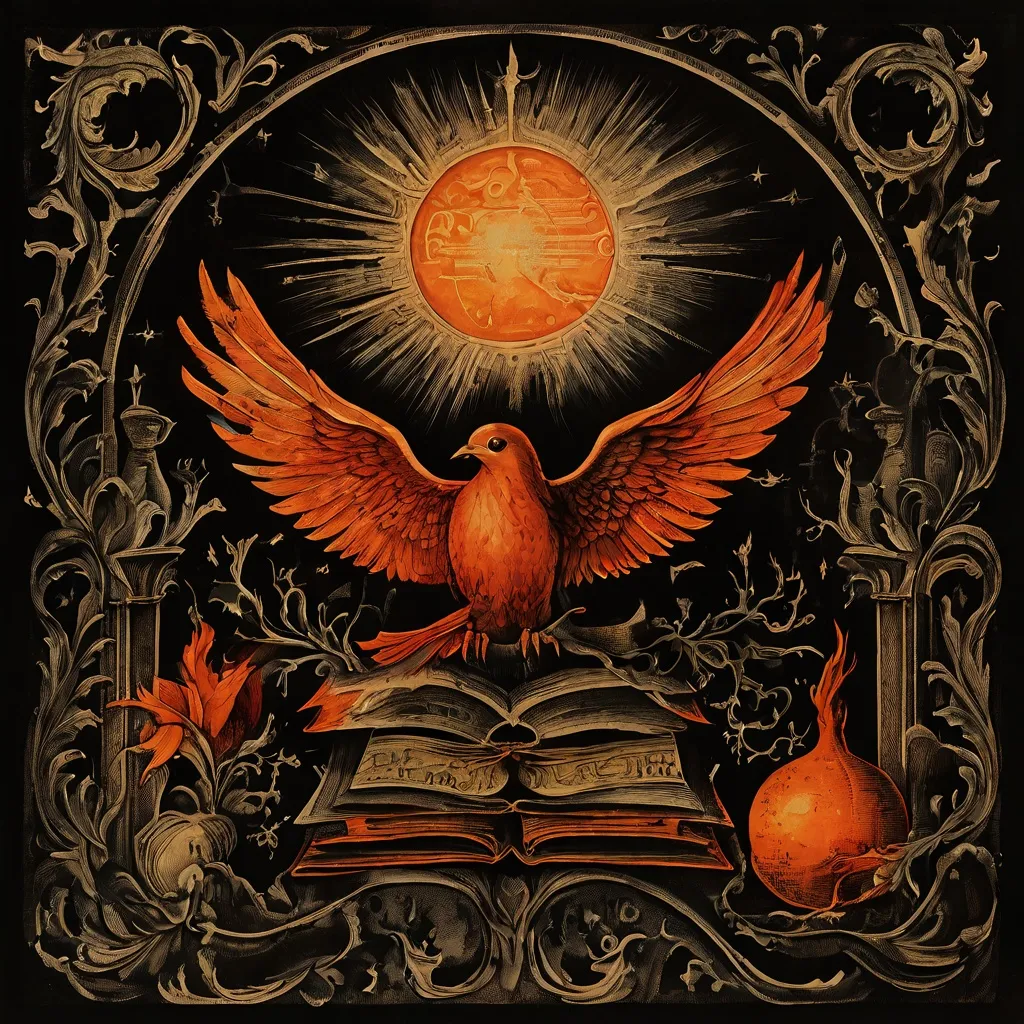
A detailed engraving of a mystical scene with symbolic imagery, reflecting the theme of Jacob Böhme's works at the Embassy of the Free Mind.

Unraveling the Mystery of Jacob Böhme's Engravings at Amsterdam's Embassy of the Free Mind

The Embassy of the Free Mind in Amsterdam continues its mission to illuminate philosophical and mystical traditions through in-depth research into its unique collection. A recent exploration delves into the intriguing history of the engravings that accompanied the first collected German works of Jacob Böhme (1575-1624), initially published in Amsterdam in 1682. This research uncovers the identity of the talented engraver and sheds light on the curious fate of his intricate copper plates.

The Enigmatic Illustrations of Böhme's Works

In 1682, the significant collected works of mystic Jacob Böhme saw their German debut, printed in Amsterdam. This thirteen-volume set featured 22 symbolic engravings, crafted to visually complement Böhme’s profound treatises. The entire project was spearheaded by Johann Georg Gichtel, a dedicated follower of Böhme's philosophy, who had settled in Amsterdam in exile. Despite Gichtel's considerable efforts in contracting printers like Lucas Bijsterus and David van Hoogenhuijsen, and even financing the printing press itself, neither the publishers nor the engraver of these distinctive prints were credited in the final volumes. For centuries, the identity of the artist behind these technically accomplished and insightful works remained a subject of speculation among historians and art experts.

An Engraver's Identity Revealed from Archival Records

The answer to this long-standing puzzle was discovered within the Embassy of the Free Mind's own Bibliotheca Philosophica Hermetica (BPH) collection. A manuscript diary belonging to Johann Heinrich Potthoff, detailing his 1730 visit to Johan Willem Überfeld in Leiden, proved to be the key. Überfeld, who had been part of Gichtel's inner circle since 1685, revealed the engraver's name to Potthoff: Michael Andreae (circa 1628-1720). Andreae was identified as a German, an "alchemist" and a highly skilled calligrapher and engraver who also belonged to the Dutch community of Böhme enthusiasts centered around Gichtel.

The Shifting Fortunes of Michael Andreae's Art

Interestingly, Gichtel's initial appreciation for Andreae's work reportedly waned over time, with Gichtel later questioning Andreae's "inner knowledge" and accusing him of misleading others. This shift in opinion had significant consequences. By 1730, when Überfeld was preparing a new edition of Böhme’s works, he opted to exclude Andreae’s engravings. His rationale was that the prints were too influenced by Andreae's personal vision, would incur additional costs, and could even be detrimental to "untrained and weak minds."

However, this decision was met with considerable disappointment from buyers. A year later, in 1731, a separate volume containing Andreae's prints, complete with his explanations, was published. This subsequent publication notably included a foreword cautioning readers that the illustrations were "nicht von dem Autoris Geist" (not from the author's mind). A closer examination of the 1730 edition's prints revealed a remarkable detail: they were not the original copper plates from 1682 but careful recuttings with subtle differences in shading and even spelling. This suggests the original plates, once inventoried in 1693, were no longer available, leading researchers to suspect Überfeld may have deliberately destroyed them due to his strong disapproval of Andreae's artistic interpretation.

This ongoing research at the Embassy of the Free Mind highlights the fascinating intricacies of historical documentation and the human stories behind significant cultural works. Visitors keen to explore the rich heritage of philosophical and spiritual thought can discover similar intriguing narratives within the museum's extensive collections.

To learn more about the unique treasures housed within this institution, consider visiting the Embassy of the Free Mind or exploring other museums in Amsterdam through Musemap (musemap.art). You can also browse the full range of cultural spots in Amsterdam for further discovery.
Related museum topics and stories from Embassy of the Free Mind in Amsterdam
Explore connected topics from this article
Use topics from "Uncovering the Engraver of Jacob Böhme's Mystical Works" to discover related museum stories, film programs, and cultural events connected to Embassy of the Free Mind in Amsterdam.
Jacob Böhme engravingsMichael AndreaeEmbassy of the Free Mindmystical art17th-century engravingsBöhme's worksJohann Georg Gichtelart history researchAmsterdam printing historysymbolic illustrationsmusemap.art
Related visitor FAQ for this news article
Helpful answers connected to this news topic
Browse quick visitor questions shown for this article, then open the full Embassy of the Free Mind FAQ page in Amsterdam to explore broader planning information.

Who was originally responsible for the engravings accompanying Jacob Böhme's works?

The engravings for Jacob Böhme's collected works, first published in 1682, were created by Michael Andreae, a German alchemist and engraver, as revealed by a historical diary.

Why were the engravings for Jacob Böhme's works initially not included in the 1730 edition?

In the 1730 edition, the engraver Michael Andreae's prints were omitted because the editors felt they were too much a product of Andreae's imagination, potentially costly, and possibly harmful to untrained minds.

What happened to the copper plates of the original engravings?

It is suspected that the original copper plates were destroyed around 1730, possibly due to a significant disagreement between the editor, Johann Wilhelm Überfeld, and the engraver, Michael Andreae.

Were the prints in the 1731 edition of Böhme's works the same as the originals?

No, the prints in the 1731 edition were recut copies. While appearing similar, closer inspection reveals minor differences in detail, shading, and even spelling, indicating they were not the original plates.

What is the significance of Michael Andreae's engravings for Jacob Böhme's writings?

Andreae's engravings are significant for their artistic merit and their symbolic representation of Böhme's complex mystical ideas, though their creation and reception involved considerable controversy among Böhme's followers.

Where can I find more information about Jacob Böhme and his followers at the Embassy of the Free Mind?

The Embassy of the Free Mind regularly features articles and collections related to philosophical, spiritual, and humanist traditions, including mystical thinkers like Jacob Böhme. Check their 'News & Articles' section for more.

About Embassy of the Free Mind in Amsterdam

Embassy of the Free Mind, Amsterdam

Explore wisdom traditions

HistoryArt

This page provides a comprehensive overview of the Embassy of the Free Mind in Amsterdam, helping you understand its unique focus on philosophical and spiritual traditions. Whether you're interested in historical manuscripts or contemporary thought, Musemap offers more details to plan your visit. Explore other unique museums and libraries in Amsterdam for a deeper cultural experience.

Open full Embassy of the Free Mind museum overview
Amsterdam

Find Museums in Amsterdam: Explore Diverse Cultural Attractions by Interest

Discover unique art, history, and science museums in the city.

Navigate Amsterdam's extensive cultural offerings to find the perfect museum for your next visit. Explore different themes and historical periods to enrich your understanding of art and heritage. Locate institutions that spark your curiosity and delve into their unique exhibits.

Explore Embassy of the Free Mind with Amsterdam
Guides, visitor info, and museum details in Amsterdam
Find everything about Embassy of the Free Mind in one place, including tickets, opening hours, current exhibitions, location details, visitor tips, nearby attractions, and the latest museum updates. Use these pages to plan your visit, discover what to see, and get practical information before you go.
Discover nearby museums similar to Embassy of the Free Mind in Amsterdam and plan your next cultural stop with confidence.
These recommendations prioritize real proximity to Embassy of the Free Mind and help you find high-fit alternatives faster across Amsterdam.
Use this curated list to compare museums near Embassy of the Free Mind without opening multiple search pages. Each card gives you fast visual context and direct access to key details so you can decide quickly. If you are building a full day in Amsterdam, this section helps you chain nearby visits with less planning effort.