Amsterdam
News

The Birth of Italic Type at Embassy of the Free Mind

News from Embassy of the Free Mind

Discover the fascinating story behind the very first printed italic letters, which appeared in a 1500 edition of St. Catherine of Siena's letters. Explore how Francesco Griffo's innovative design for Aldus Manutius revolutionized typography and paved the way for modern pocket books.

TypographyHistoryManuscriptsPrinting
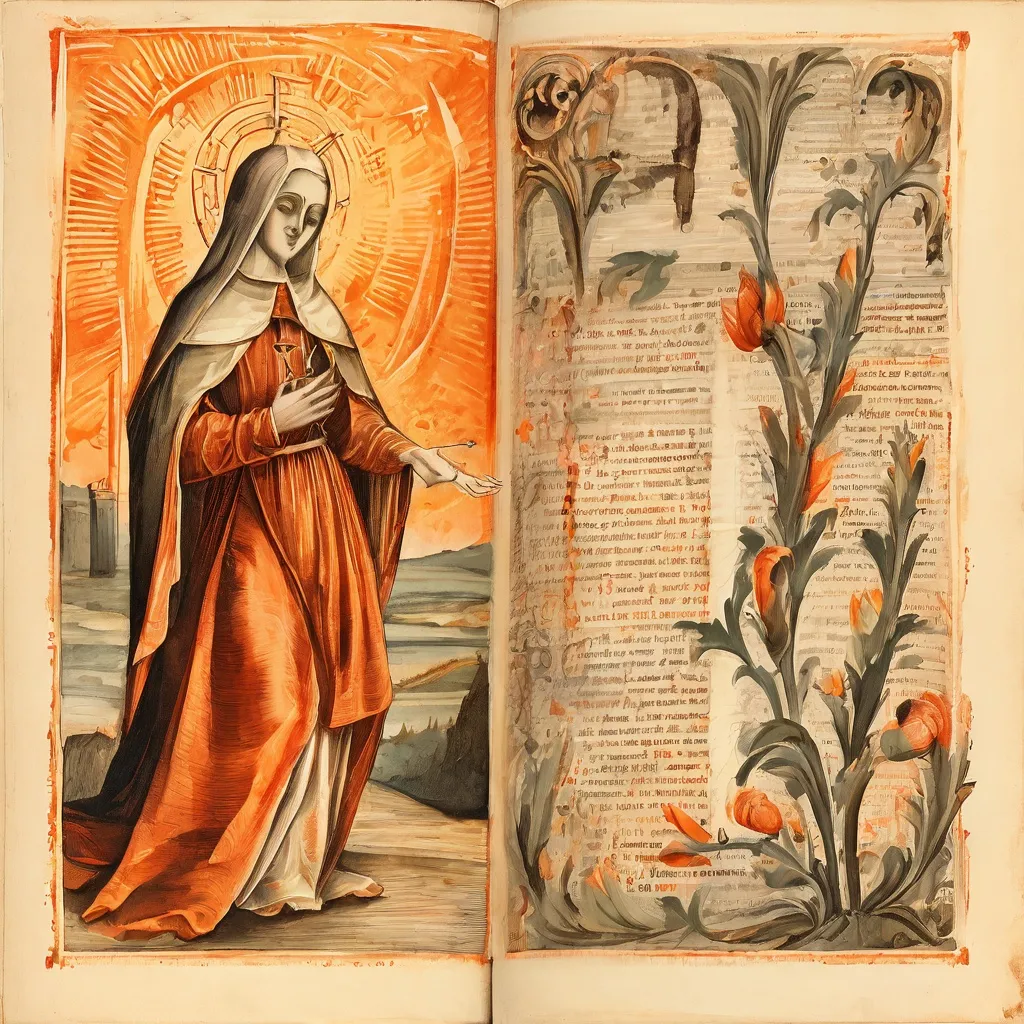
An artistic depiction of the earliest printed italic text, displayed on an aged paper with a subtle woodcut illustration of Saint Catherine of Siena, symbolizing the dawn of a new typographic era at the Embassy of the Free Mind.

Unearthing the First Printed Italics: A Glimpse into Early Typography at Amsterdam's Embassy of the Free Mind

Visitors to Amsterdam's Embassy of the Free Mind can delve into a captivating piece of printing history, highlighting the origins of italic typeface. A rare 1500 edition, held within the Bibliotheca Philosophica Hermetica, reveals the very first words ever printed in italics, subtly embedded within a woodcut.

The significant discovery is found in Saint Catherine of Siena's Epistole devotissime de Sancta Catharina da Siena, published in Venice by the renowned printer Aldus Manutius. Within an illustration depicting Saint Catherine, the Latin phrase 'iesu dolce- iesu amore' ('My Sweet Jesus, Jesus my love') appears, marking the earliest known use of italic print. This particular edition from 1500 is part of the extensive collection at the Bibliotheca Philosophica Hermetica (BPH), housed at the Embassy of the Free Mind.

Exploring Historical Typography and Rare Books in Amsterdam

Before this landmark publication, printed texts exclusively used Gothic-style fonts, common in places like Germany where printing originated. The italic script was an innovation by Italian typecutter Francesco Griffo, who sought to mimic the humanistic cursive handwriting popular in Italy during the 15th century. This new style offered faster writing and a connection to ancient Roman inscriptions, which were gaining appreciation at the time.

Initially, the italic script was still evolving, as evidenced by the lack of capital letters in these first words. However, by 1501, a full book, Virgil's works, was printed entirely in italics, complete with capital letters. This new font was revolutionary, allowing more text to fit on a single page, which reduced paper usage and facilitated the creation of smaller, more portable books – the precursors to today's pocket books. While modern printing primarily uses italics for emphasis, their original purpose dramatically transformed book production and accessibility.

The Embassy of the Free Mind's Contribution to Cultural Heritage

As a museum and library dedicated to philosophical, spiritual, and humanist traditions, the Embassy of the Free Mind in Amsterdam regularly presents rare manuscripts and books that shed light on pivotal moments in intellectual and cultural history. The presence of such a historically significant volume underscores the BPH's commitment to preserving and sharing the rich heritage of written knowledge and its evolution.

To explore more unique artifacts and delve deeper into cultural heritage, consider a visit to the Embassy of the Free Mind. You can discover more about historical innovations and significant collections through Musemap (musemap.art). Plan your visit and browse more museums in Amsterdam or view other cultural highlights on the map.
Related museum topics and stories from Embassy of the Free Mind in Amsterdam
Explore connected topics from this article
Use topics from "The Birth of Italic Type at Embassy of the Free Mind" to discover related museum stories, film programs, and cultural events connected to Embassy of the Free Mind in Amsterdam.
Embassy of the Free Mindfirst italic typeFrancesco GriffoAldus Manutius1500 booktypography historySt. Catherine of Siena lettersVenetian printingrare booksmanuscript historyBPH collectionMusemap
Related visitor FAQ for this news article
Helpful answers connected to this news topic
Browse quick visitor questions shown for this article, then open the full Embassy of the Free Mind FAQ page in Amsterdam to explore broader planning information.

What are the first words ever printed in italics?

The first words printed in italics were 'iesu dolce- iesu amore', meaning 'My Sweet Jesus, Jesus my love', found in a 1500 edition of St. Catherine of Siena's letters.

Who designed the first italic typeface?

The first italic typeface was designed in Italy by the typecutter Francesco Griffo, imitating the humanistic handwriting of the time.

Which printer first used italic type?

The renowned Venetian printer Aldus Manutius was the first to use italic type, appearing in a book from 1500 and then fully in an edition of Virgil in 1501.

What was the significance of the first italic print?

The first italic print, though rudimentary without capital letters, demonstrated a new, faster, and more compact way to print text, which later contributed to the development of pocket books.

Where can I learn more about the history of printing at the Embassy of the Free Mind?

The Embassy of the Free Mind, which holds a copy of the first edition of St. Catherine's letters, offers insights into historical printing and manuscripts through its collections and articles.

About Embassy of the Free Mind in Amsterdam

Embassy of the Free Mind, Amsterdam

Explore wisdom traditions

HistoryArt

This page provides a comprehensive overview of the Embassy of the Free Mind in Amsterdam, helping you understand its unique focus on philosophical and spiritual traditions. Whether you're interested in historical manuscripts or contemporary thought, Musemap offers more details to plan your visit. Explore other unique museums and libraries in Amsterdam for a deeper cultural experience.

Open full Embassy of the Free Mind museum overview
Amsterdam

Find Museums in Amsterdam: Explore Diverse Cultural Attractions by Interest

Discover unique art, history, and science museums in the city.

Navigate Amsterdam's extensive cultural offerings to find the perfect museum for your next visit. Explore different themes and historical periods to enrich your understanding of art and heritage. Locate institutions that spark your curiosity and delve into their unique exhibits.

Explore Embassy of the Free Mind with Amsterdam
Guides, visitor info, and museum details in Amsterdam
Find everything about Embassy of the Free Mind in one place, including tickets, opening hours, current exhibitions, location details, visitor tips, nearby attractions, and the latest museum updates. Use these pages to plan your visit, discover what to see, and get practical information before you go.
Discover nearby museums similar to Embassy of the Free Mind in Amsterdam and plan your next cultural stop with confidence.
These recommendations prioritize real proximity to Embassy of the Free Mind and help you find high-fit alternatives faster across Amsterdam.
Use this curated list to compare museums near Embassy of the Free Mind without opening multiple search pages. Each card gives you fast visual context and direct access to key details so you can decide quickly. If you are building a full day in Amsterdam, this section helps you chain nearby visits with less planning effort.