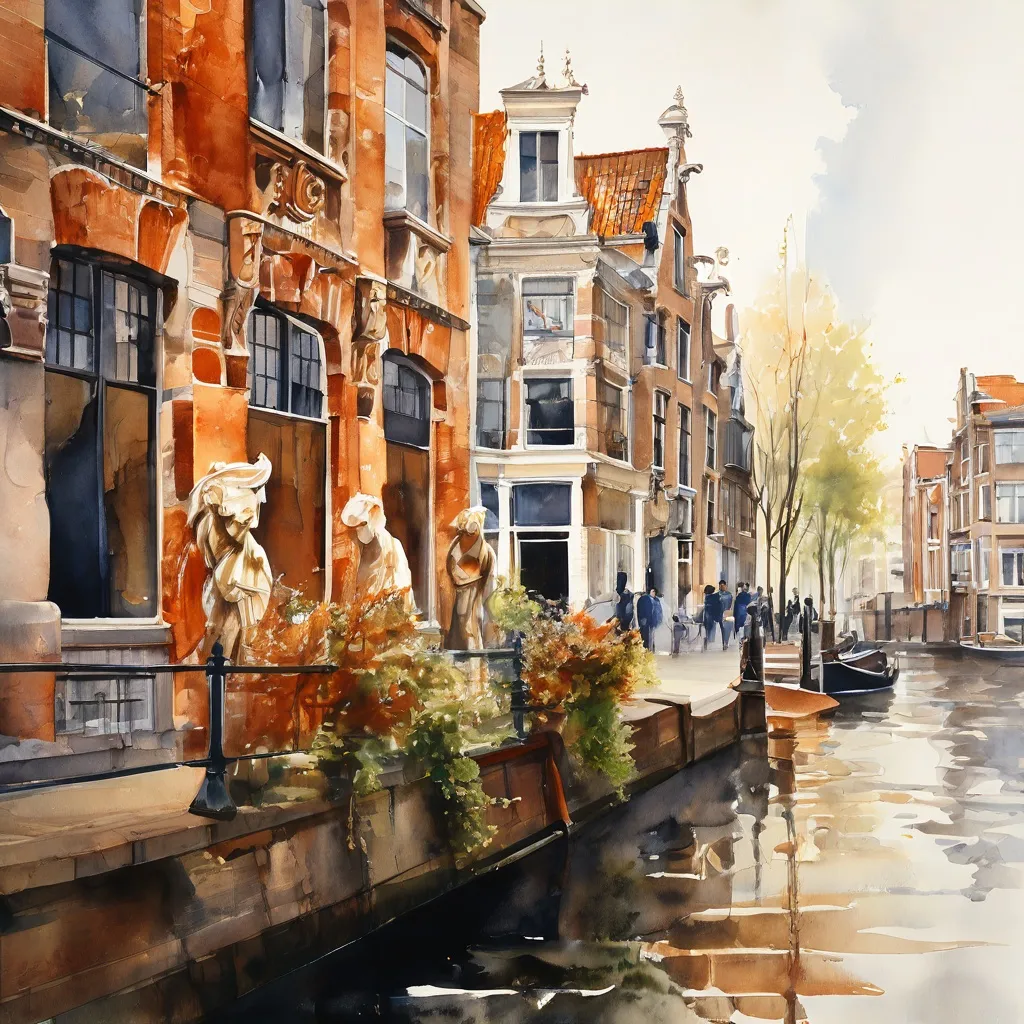
Restoration Reveals Grandeur of Amsterdam's Historic 'House with the Heads', Home to Embassy of the Free Mind
The Embassy of the Free Mind, located within the architecturally significant House with the Heads on Amsterdam's Keizersgracht, has undergone a substantial restoration. This project has aimed to rejuvenate one of the city's most distinctive canal district buildings, bringing its historical and cultural importance into renewed focus. The extensive work was highlighted in the April 2020 edition of 'Monumentaal' magazine.
A Legacy of Residents and Restoration on Keizersgracht
The House with the Heads boasts a history spanning nearly 400 years, during which it has hosted a diverse array of occupants. From De Roos art dealers in the 18th century and a secondary school in the 19th, to the city's music school and municipal heritage conservation department, the building has long served various community functions. Notably, it was also a residence for the renowned Czech philosopher Comenius. Today, it proudly houses the Embassy of the Free Mind, a museum and library dedicated to philosophical and humanist traditions, along with the extensive Bibliotheca Philosophica Hermetica.
The restoration effort received support from several foundations, including the Stichting Gansoord and the Hendrik Muller Fonds, alongside contributions from the province of North Holland and private sponsors. The comprehensive plan, which began in stages, has allowed the museum to remain open to visitors throughout the renovation period.
Iconic Architectural Details of an Amsterdam Landmark
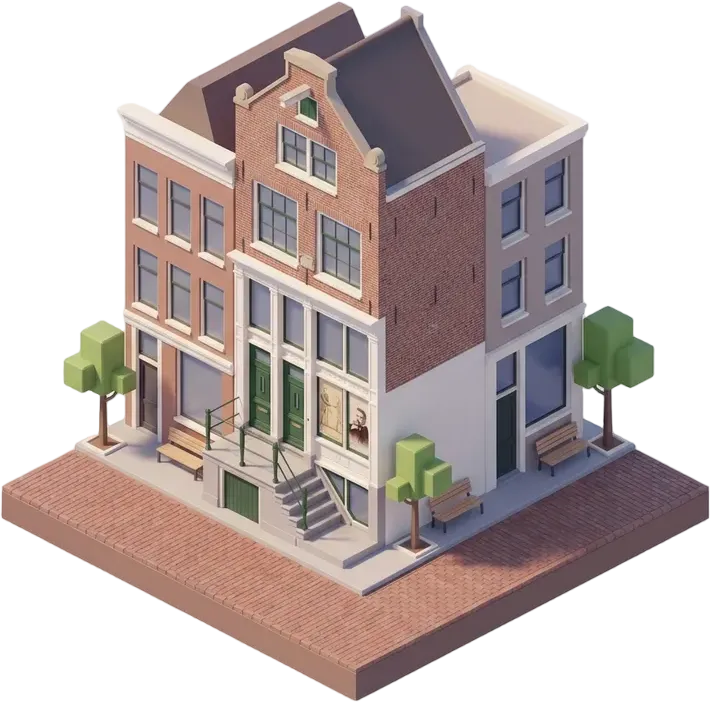
Designed by master builder Hendrick de Keyser and constructed in 1622, the House with the Heads is celebrated for its symmetrical façade, an exemplary instance of "Amsterdam Renaissance" style. This striking exterior combines red brickwork with Bentheim sandstone, adorned with intricate details like date plaques, tablets, vases, and obelisks.
Its most famous features are the six large sandstone busts, or "heads," that give the house its name. These represent Roman gods: Apollo, symbolizing the arts; Ceres, representing agriculture; Mercury, linked to merchants and Hermes; Minerva, embodying intellect and wisdom; Bacchus, associated with wine and feasts; and Diana, goddess of the hunt and birth. Other notable elements include the coat of arms of Louis de Geer, who purchased the house in 1634, and a gable stone honoring Jan Amos Comenius, a frequent guest. The busts flanking the main entrance are said to symbolize the ideal of the "Mercator Sapiens," or wise merchant.
The Multi-Stage Preservation Effort
The restoration blueprint for the House with the Heads was initially drafted in 2016 by architect Hans Vlaardingerbroek. Before physical work commenced, extensive color research was conducted by architecture historian Olga van der Klooster, utilizing historical images like watercolors by Cornelis Springer and city views by Jan Van der Heyden, alongside paint sample analysis.
While the façade was prioritized due to its prominence, the restoration campaign extends to the roof, side and rear walls, upper floors, and basement. Future plans also include the installation of a lift, ensuring the preservation of this extraordinary house for generations to come. The project aimed to restore elements such as the cross windows, including their leaded glass, which date back to the building's original construction but were removed in the early 20th century. The stone doorstep and its 17th-century balusters were also part of this detailed renovation.
Musemap (musemap.art) helps you discover culturally significant sites like the Embassy of the Free Mind, providing a deeper connection to the rich history and heritage of Amsterdam. To continue exploring the city's diverse cultural landscape, you might want to browse other museums in Amsterdam or check out what's currently on display.