Embassy of the Free Mind Explores Book Survival After Acquiring Major Amsterdam Antiquarian Collection
The Embassy of the Free Mind in Amsterdam is currently engaged in a significant undertaking: integrating the extensive collection from Wilma Schuhmacher's antiquarian bookshop. This acquisition, following Schuhmacher's passing in January 2025, has prompted reflections from the museum's librarian and book historian, Paul Dijstelberge, on the enduring journey of books through history and the unexpected factors that contribute to their survival.
The Schuhmacher Collection: A New Chapter for Amsterdam's Cultural Landscape
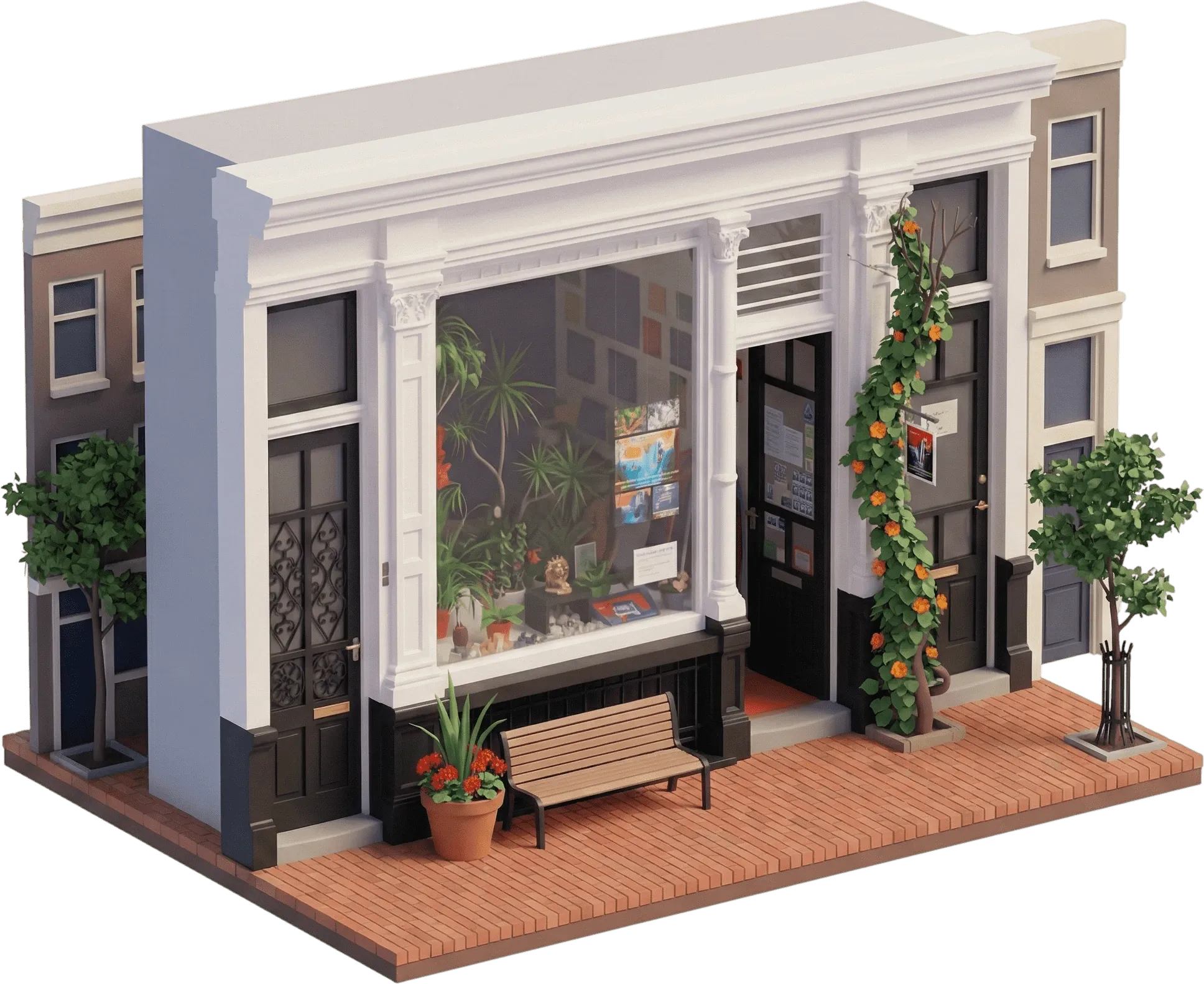
The bequeathed collection from the Schuhmacher antiquarian shop, a well-known establishment on Amsterdam’s Geldersekade, represents a vast trove of knowledge. Occupying a multi-story building, the shop housed an estimated 100,000 to 200,000 volumes collected over seven decades by Wilma Schuhmacher, whose work was highlighted in an article in NRC. The process of sifting through this immense inventory involves carefully selecting items for the Embassy's collection while managing the practicalities of clearing the entire premises. This methodical work has offered unique insights into the value and longevity of printed materials.
Unpacking History: Insights into Book Preservation and Forbidden Texts
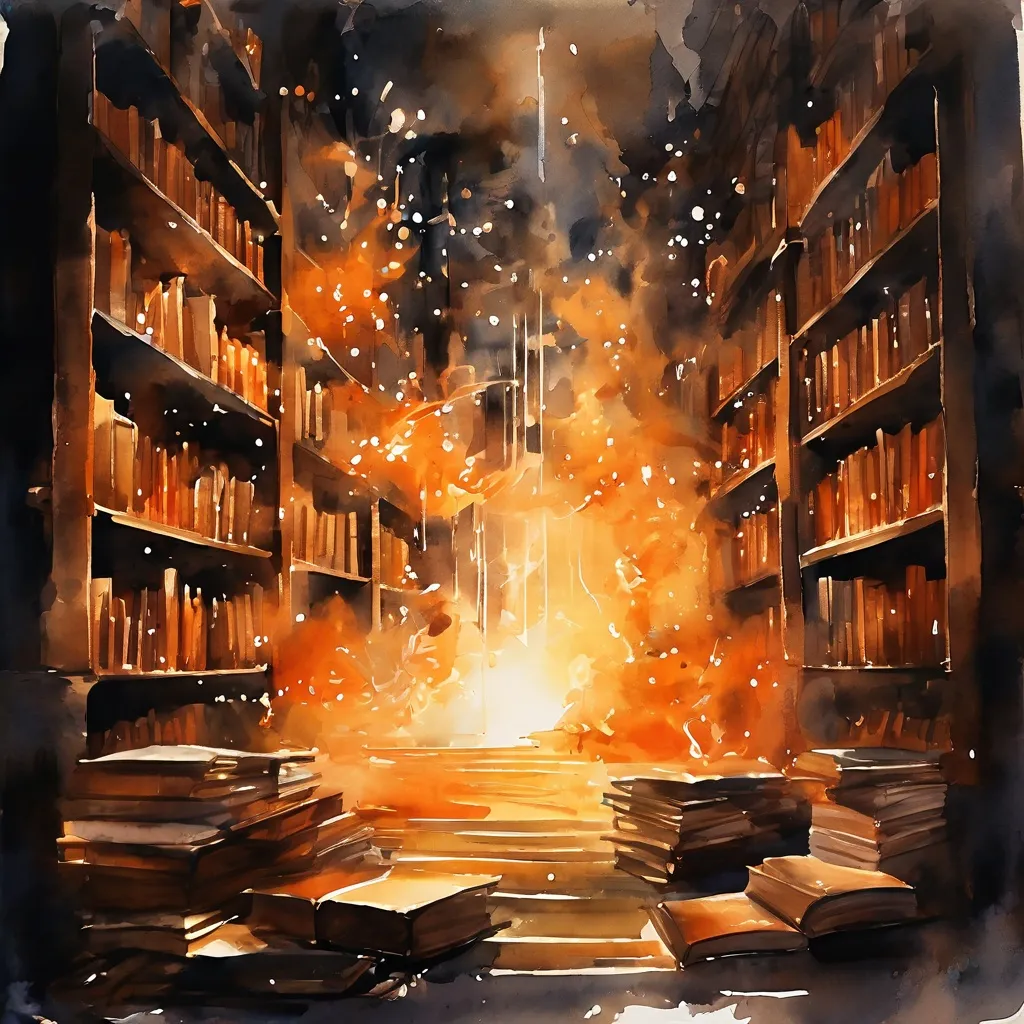
Dijstelberge’s experience with the Schuhmacher collection highlights various ways books have persisted across centuries. While some classical texts survive only through fragments or quotations, the use of parchment in the Middle Ages offered a greater chance of preservation, often simply requiring a dry storage place. The arrival of the printing press brought new challenges and paradoxes: authorities, particularly the Church, actively sought to ban certain works. However, this very act of prohibition frequently ensured their survival. Many titles listed in historical "Indexes of prohibited works" are readily found in major libraries today, contrasting with numerous less controversial books from printers' lists that have vanished entirely. This suggests that the attention generated by censorship can inadvertently become a powerful force for preservation.
This ongoing project at the Embassy of the Free Mind enriches its mission to explore philosophical, spiritual, and humanist traditions, demonstrating the dynamic history embedded within books. Visitors interested in delving deeper into Amsterdam's cultural offerings, including other unique institutions, can find more information on Musemap (musemap.art) by exploring local museums or viewing them on a map.