Discover 300 Years of Underwear Fashion at Amsterdam's Rijksmuseum
The Rijksmuseum in Amsterdam is currently hosting a special display titled "under/wear", which chronicles three centuries of undergarment trends. Running until December 9, 2024, this exhibition delves into the evolution of underclothing from the 17th to the 20th century, showcasing how these intimate garments transformed from purely functional items into significant fashion statements.
A Journey Through Undergarment History in Amsterdam
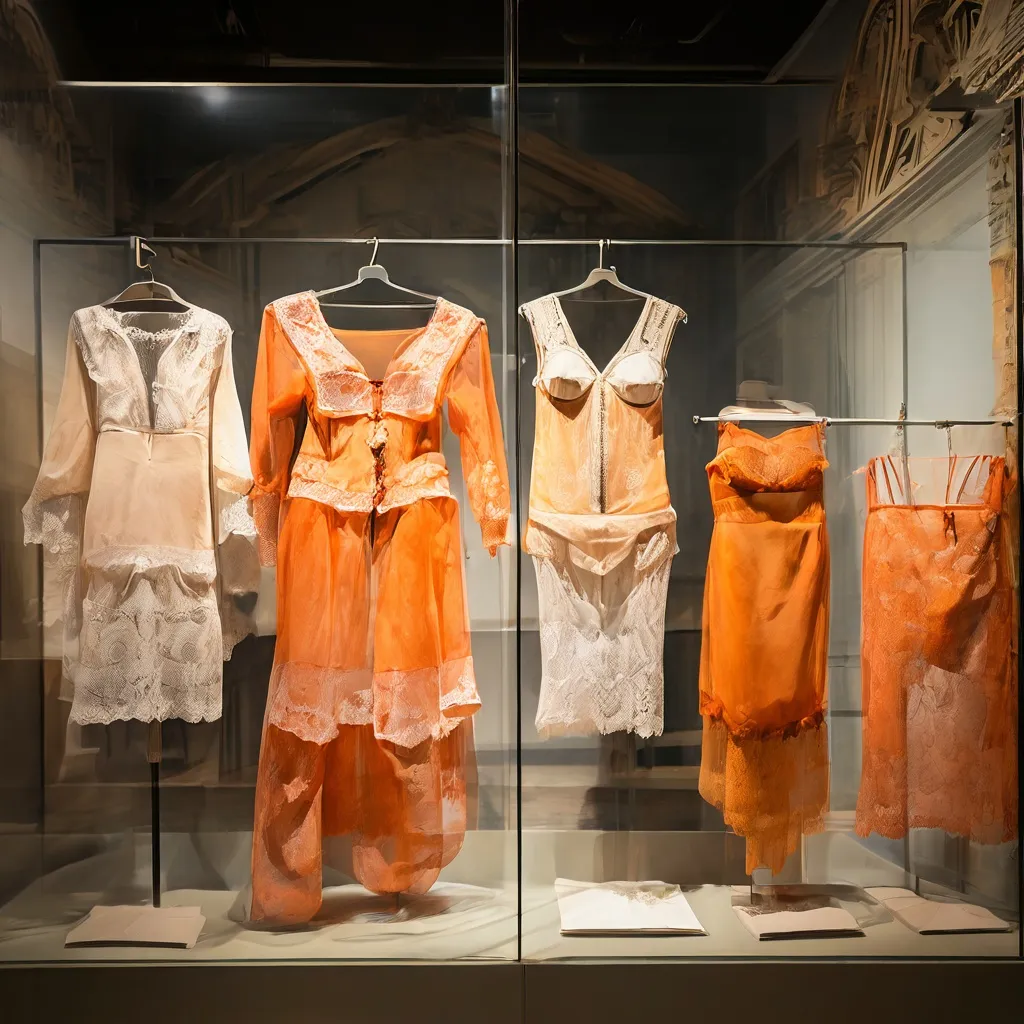
This unique exhibition at the Rijksmuseum offers visitors a rare glimpse into the hidden history of fashion. It features a diverse collection, ranging from simple linen underpants to elaborate luxury lingerie, illustrating the societal shifts and beauty ideals that influenced clothing worn closest to the body.
Rare 17th-Century Pieces on Display
Among the collection's notable items is an exceptionally preserved pair of underpants dating from 1630-1640. These belonged to Hendrik Casimir I, the Count of Nassau-Dietz and Stadtholder of Friesland. Such garments were exclusive to the wealthy in the 17th century, making their survival exceptionally rare. Most men of that era typically wore a long shirt tucked into their trousers. The preservation of these specific underpants is attributed to Hendrik Casimir's family, who kept his clothing as a memorial after his death in battle.
Shaping Beauty Standards
The display highlights how underwear played a crucial role in defining and reinforcing beauty ideals throughout the centuries. Items like corsets, crinolines, and petticoats were designed to sculpt the body, achieving desired silhouettes such as a narrow waist, specific breast contours, or a straightened back. The strategic use of hoops and panniers exaggerated wide skirts, further emphasizing the wearer's slender waist.
The Rise of Decorative Lingerie
As centuries progressed, undergarments became increasingly ornate. By the mid-19th century, a more sensual character emerged in lingerie, incorporating intricate lace, luxurious silk, and striking color combinations. An example in the exhibition is a pink 'crepe de chine' slip adorned with broad appliqué lace and matching briefs. This period also saw the widespread availability of lingerie, largely due to advancements in mass production techniques.
The overall design of the "under/wear" display was crafted by the French architectural firm, Wilmotte & Associés.
For those interested in the fascinating intersection of history, fashion, and social norms, the "under/wear" display offers a compelling experience. Musemap (musemap.art) helps you uncover cultural gems like the Rijksmuseum and its temporary exhibitions. Discover more museums in Amsterdam or explore other current events and exhibitions during your visit.