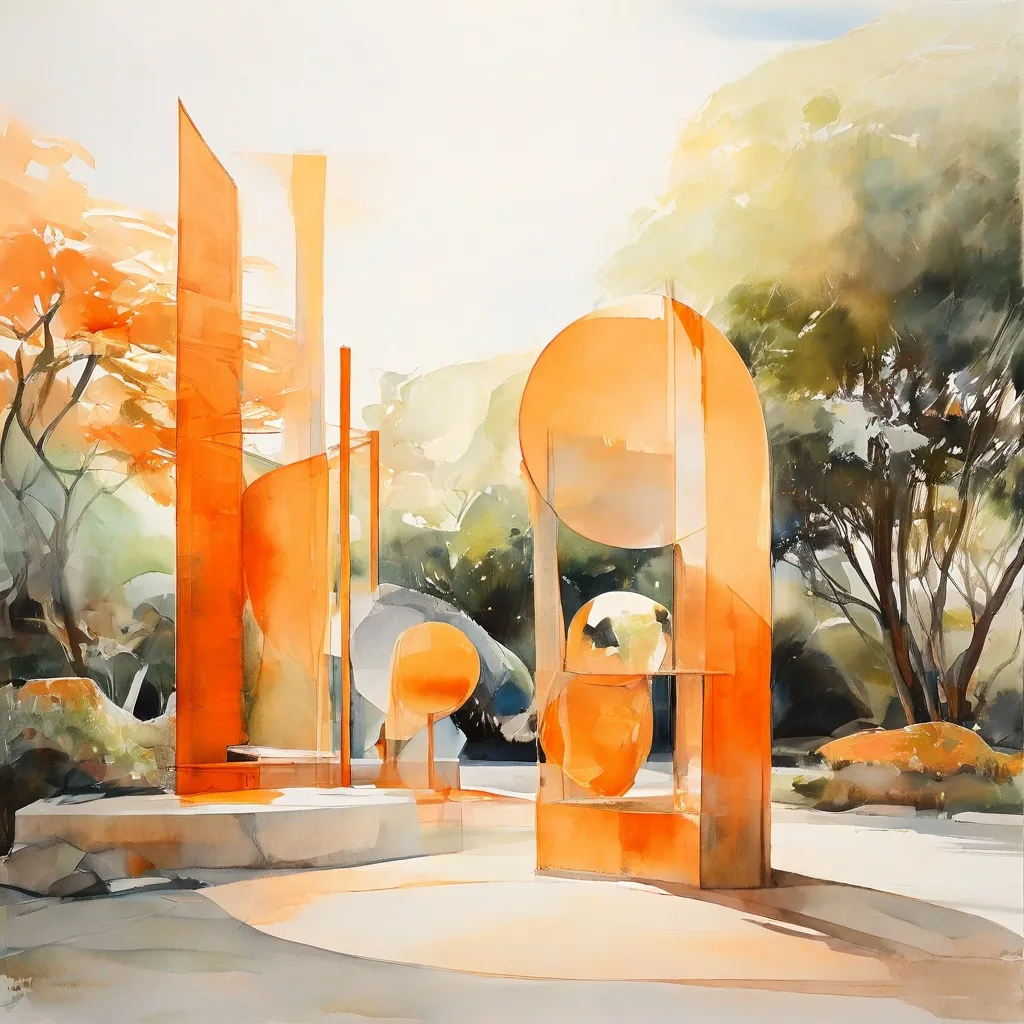
Barbara Hepworth's Monumental Sculptures Transform the Rijksmuseum Gardens in Amsterdam
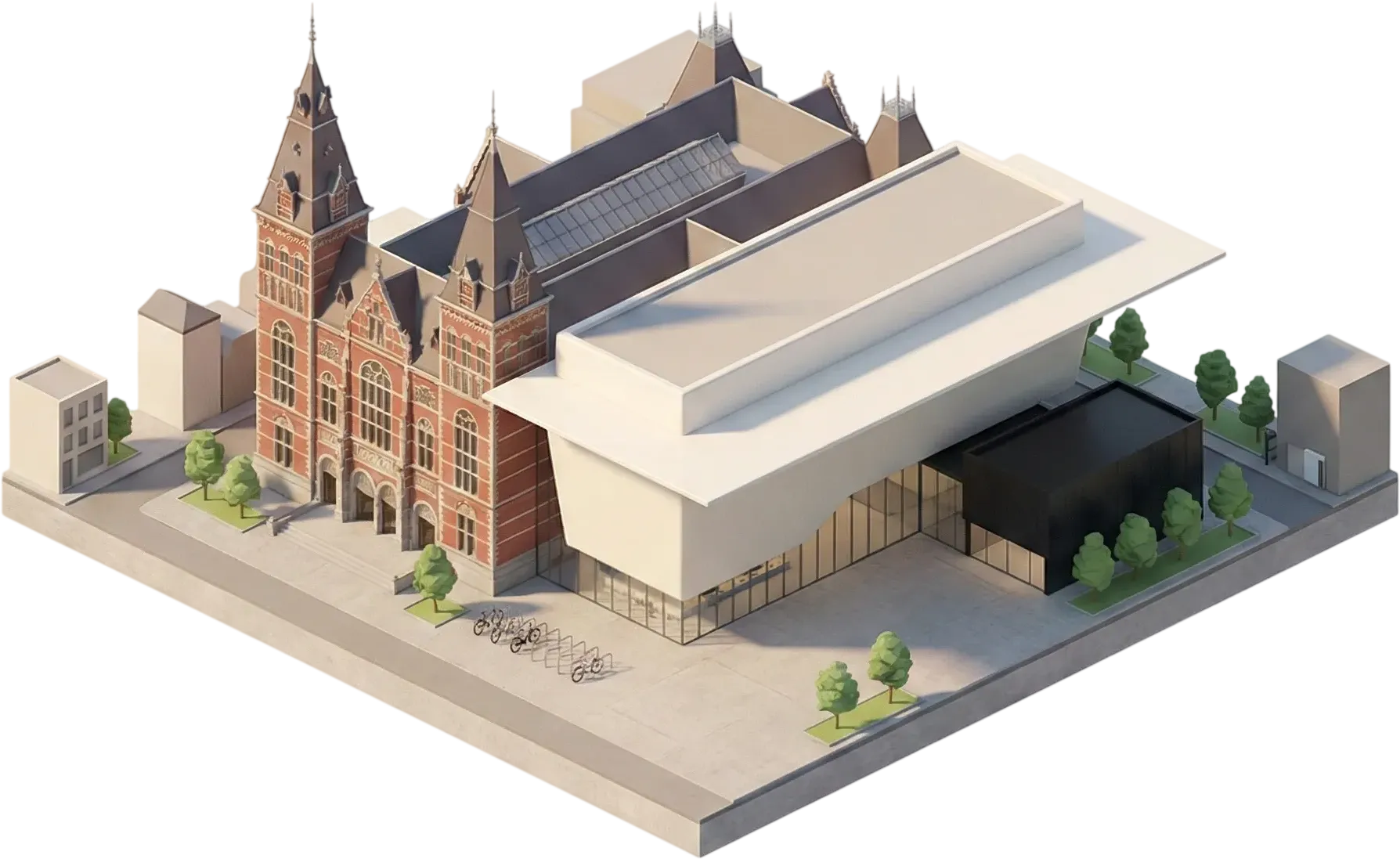
This summer, the iconic outdoor spaces of the Rijksmuseum are hosting a significant collection of works by pioneering British sculptor Barbara Hepworth (1903–1975). Running from June 3 to October 23, 2022, this marks Hepworth's inaugural solo exhibition in Amsterdam, offering visitors a unique opportunity to experience nine of her powerful, large-scale sculptures. The exhibition is free to access within the museum gardens.
The selection showcases the artist at the height of her creative period, primarily featuring monumental works from the 1960s and early 1970s. Many of these sculptures are rarely moved from their permanent homes in English public gardens and parks. Highlights include Monolith (Empyrean), dating from 1953-1954 and typically found at Kenwood House in Hampstead Heath, and figures from her 1970 The Family of Man group, on loan from Britten Pears Arts in Snape Maltings. The exhibition also features works from private collections, such as Hepworth's impressive multi-part sculpture Conversation with Magic Stones (1973), as well as Squares with Two Circles (1963) from the Kröller-Müller Museum in the Netherlands.
A Legacy of Modernist Sculpture
Barbara Hepworth is celebrated as a foundational figure in modernist sculpture, a movement that redefined artistic expression in the early 20th century. Her innovative use of materials like wood, stone, and marble, and her distinctive technique of piercing holes through solid forms, quickly brought her international acclaim. Hepworth was among a select group of female artists of her generation to achieve global success, serving as an inspiration for subsequent artists. She was firm in her preference to be identified as a "sculptor," underscoring her commitment to challenging gender norms within the art world. This exhibition contributes to the ongoing re-evaluation of women artists and their contributions.
Hepworth's Enduring Connections to the Netherlands
The exhibition highlights Hepworth's close ties to the Netherlands, notably through her friendship with Dutch painter Piet Mondrian. In 1938, Hepworth and her husband, Ben Nicholson, assisted Mondrian in moving to London. This connection is subtly echoed in Hepworth's 1966-1967 work Construction (Crucifixion), on rare loan from Salisbury Cathedral, which references Mondrian's visual style. Hepworth first exhibited in the Netherlands in 1938 at the Stedelijk Museum in Amsterdam, and Dutch museums have actively acquired her work since the 1950s. The Kröller-Müller Museum notably holds one of the world's most significant collections of her sculptures and hosted a major retrospective in 1965.
International Acclaim and Curatorial Insight
Hepworth's international reputation solidified in the post-war era, particularly through her involvement with the modernist art community in St Ives. Her global standing was cemented when she received the Grand Prix at the São Paulo Art Biennial in 1959. A smaller version of her monumental Single Form, installed at the United Nations headquarters in New York as a memorial, is also part of the Rijksmuseum exhibition, normally residing in London's Battersea Park.
The exhibition has been curated by Sophie Bowness, a distinguished British art historian and Hepworth's granddaughter, in collaboration with Ludo van Halem, Curator of 20th-Century Art at the Rijksmuseum. An accompanying catalogue, available in both Dutch and English, offers further insights into the artist's work.
This presentation of Barbara Hepworth's work continues the Rijksmuseum's annual tradition of hosting outdoor sculpture exhibitions in its gardens. This marks the ninth edition in the series, following successful exhibitions dedicated to artists such as Henry Moore, Alexander Calder, and Louise Bourgeois in previous years.
To discover more about the Rijksmuseum and other cultural highlights, explore Musemap (musemap.art) for museums in Amsterdam or find inspiration for your next visit on the city map.