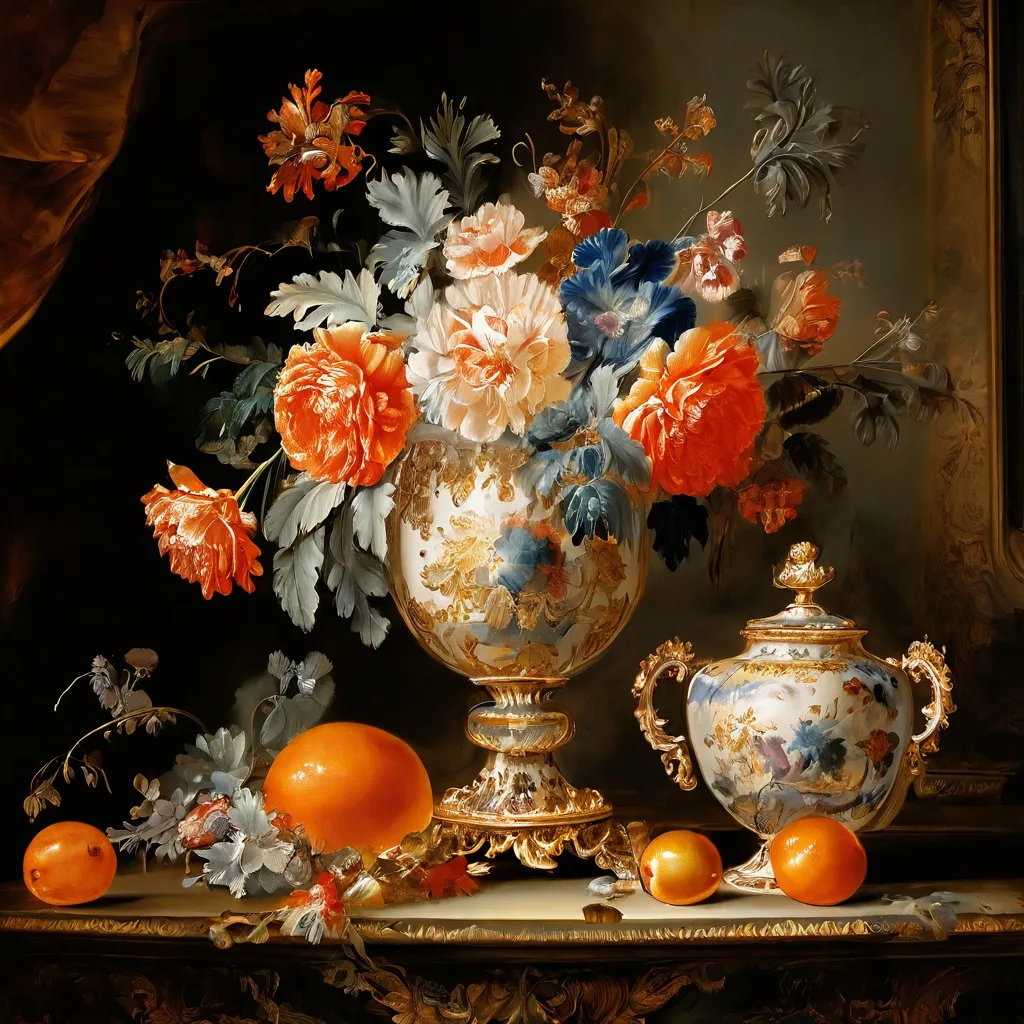
Rijksmuseum Amsterdam Features Exquisite Meissen Porcelain from Oppenheimer Collection
The renowned Rijksmuseum in Amsterdam is now showcasing a superb collection of Meissen porcelain in its Gallery of Honour. These significant pieces, recently re-acquired by the museum, were once part of the celebrated collection of Margarethe and Franz Oppenheimer. The display opened to the public on 27 April 2022, allowing visitors to experience a pivotal moment in European decorative arts history alongside a compelling story of provenance.
The Artistic Legacy of Meissen Porcelain
Meissen porcelain holds a unique place in history as the first hard-paste porcelain to be produced in Europe. Its creation in 1709 at the Dresden Royal Court, under the patronage of Augustus II the Strong, marked a turning point, as the secret of this "white gold" had previously been confined to Asia. The Oppenheimer collection is particularly notable for its exceptional quality, featuring intricate decoration and gilding that exemplify the finest 18th-century European art. Alongside the Dresden Porcelain Collection, the Rijksmuseum's Meissen holdings are considered among the world's most important.
A Collection's Tumultuous Journey
The collection's history is as compelling as its beauty. Margarethe and Franz Oppenheimer began building their significant collection of early Meissen porcelain in Berlin starting in 1902. Facing persecution from the Nazi regime, they were forced to flee Germany to Austria in 1936, taking much of their collection with them. In 1938, ahead of the Nazi annexation of Austria, they fled again, eventually settling in the United States in 1941. Before this second escape, a large portion of their Meissen collection was sold to Fritz Mannheimer, a Jewish-German banker in Amsterdam.
Following Mannheimer's death in 1939, his estate was declared bankrupt, and his collection was pressured into sale to the Nazis. After World War II, the collection was recovered and subsequently managed by the Dutch state. The majority of these objects became part of the Rijksmuseum's decorative arts collection in 1952.
Restitution and Return to Public Display
In 2016, the heirs of Margarethe and Franz Oppenheimer submitted a claim for 92 objects held by the Rijksmuseum. After a thorough investigation, the Restitutions Committee concluded that the sale to Mannheimer was involuntary due to the intense pressure of Nazi persecution. Consequently, the Minister of Education, Culture and Science approved the restitution of the objects to the heirs in December 2019.
The Rijksmuseum subsequently re-acquired these historically significant works, ensuring their continued presence in Amsterdam for public appreciation. This re-acquisition was made possible through the generous support of the Rembrandt Association, the Mondriaan Fund, the National Acquisition Fund of the Ministry of Education, Culture and Science, the VriendenLoterij, and a private donor. The museum has also actively investigated the provenance of its collection from the Second World War period, identifying works of unclear origin on the Museum Acquisitions from 1933 Onwards website.
This display in the Gallery of Honour not only celebrates the artistic merit of Meissen porcelain but also sheds light on the personal stories and complex history entwined with cultural heritage during tumultuous times.
To discover more about the Rijksmuseum and other cultural highlights, explore Musemap (musemap.art) for detailed information on museums in Amsterdam, or use the interactive map to plan your visit: browse museums or view the map.