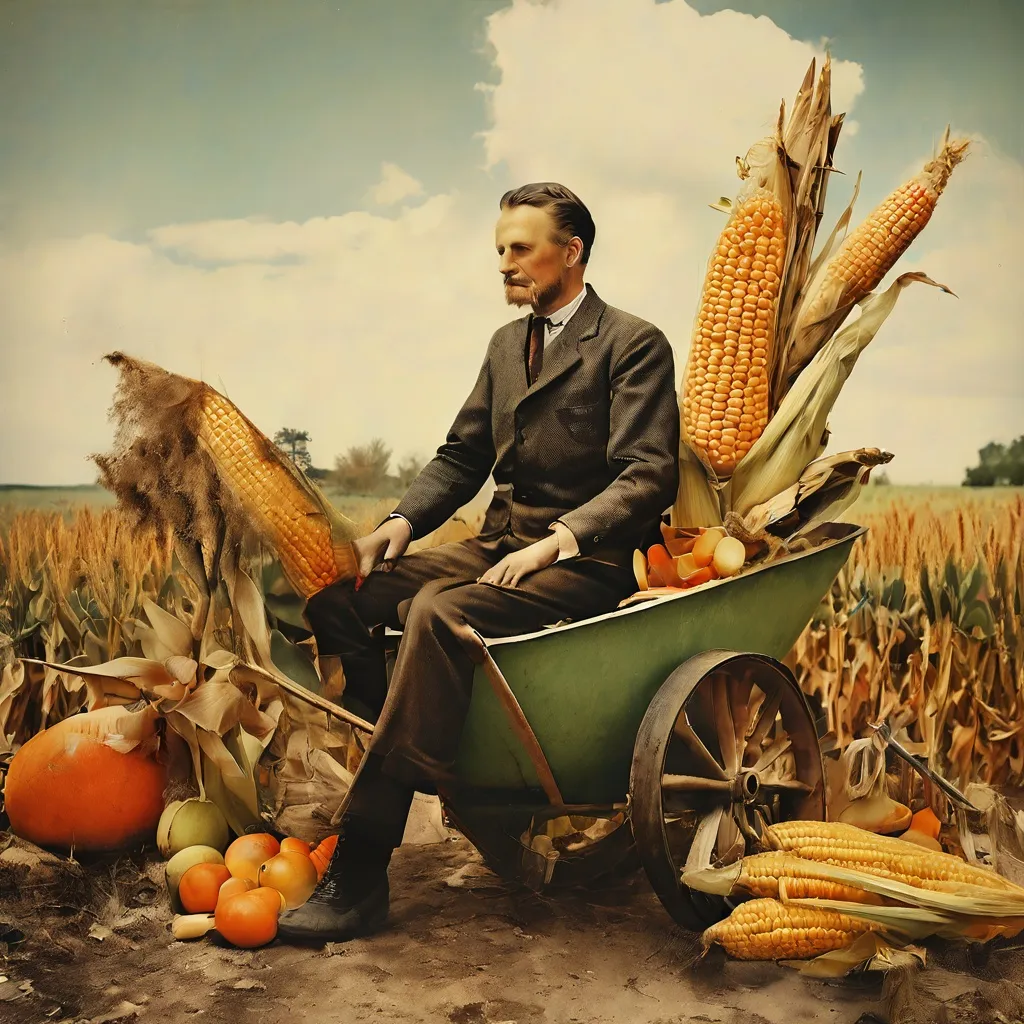
Explore Early Photo Collages and Photomontages at Rijksmuseum Amsterdam
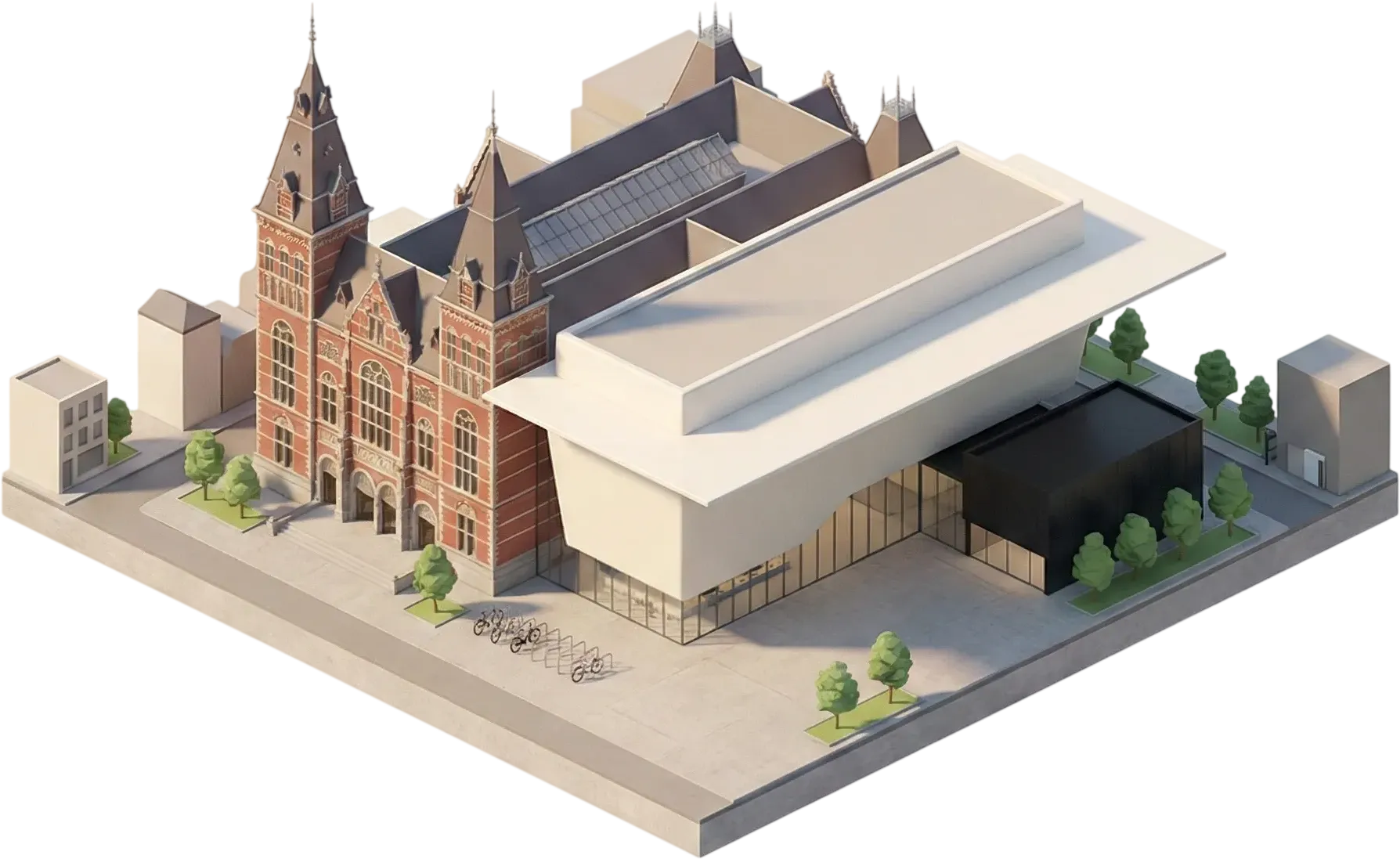
The Rijksmuseum in Amsterdam is set to unveil "FAKE! Early Photo Collages and Photomontages," an exhibition exploring the long history of image manipulation. From the early days of photography, artists and individuals have altered images, often with simple tools like scissors and glue, or through clever in-camera techniques. This showcase, featuring over 50 historical images from the museum's extensive collection, delves into how photo manipulation evolved from photography's inception right up to the Second World War. Visitors can experience the exhibition in the Photo Gallery of the Rijksmuseum from February 6 to May 25, 2026.
The Art of Illusion: From Playful Edits to Serious Statements
Early photo collages and composite images frequently depicted humorous, absurd, or seemingly impossible scenarios. While many of these were clearly not intended to be taken as reality, the exhibition highlights how the distinction between authentic and fabricated images could often be blurred, even in those times. According to Hans Rooseboom, Curator of Photography, the exhibition aims to explore this intriguing dynamic.
The exhibition covers a fascinating period from 1860 to 1940, a time when the potential for editing and combining photographs was actively explored. Techniques included physically cutting and pasting elements together, as well as more technical methods. One popular trick involved exposing different parts of a photographic plate to capture the same person twice in a single image. While often used for lighthearted visual jokes, these techniques also found application in more serious contexts.
Political Commentary Through Manipulated Images
The power of exaggerated imagery, humor, and unexpected visual combinations also played a significant role in political discourse. The exhibition includes works by notable figures like John Heartfield (Helmut Herzfeld), a renowned creator of political photo composites who actively opposed Hitler’s Nazi movement. His contributions demonstrate how manipulated photographs could serve as potent tools for protest and satire.
The Rijksmuseum’s photography collection, which forms the basis for this exhibition, has been generously supported by various partners, private donors, and institutional benefactors.
To discover more about cultural experiences and exhibitions like "FAKE!" in Amsterdam, you can explore the city's diverse offerings on Musemap (musemap.art). Consider browsing current what's on in Amsterdam or exploring other museums in Amsterdam to plan your next visit.