Beloved Dutch Characters Come to Life: Fiep Westendorp Exhibition at Rijksmuseum Amsterdam
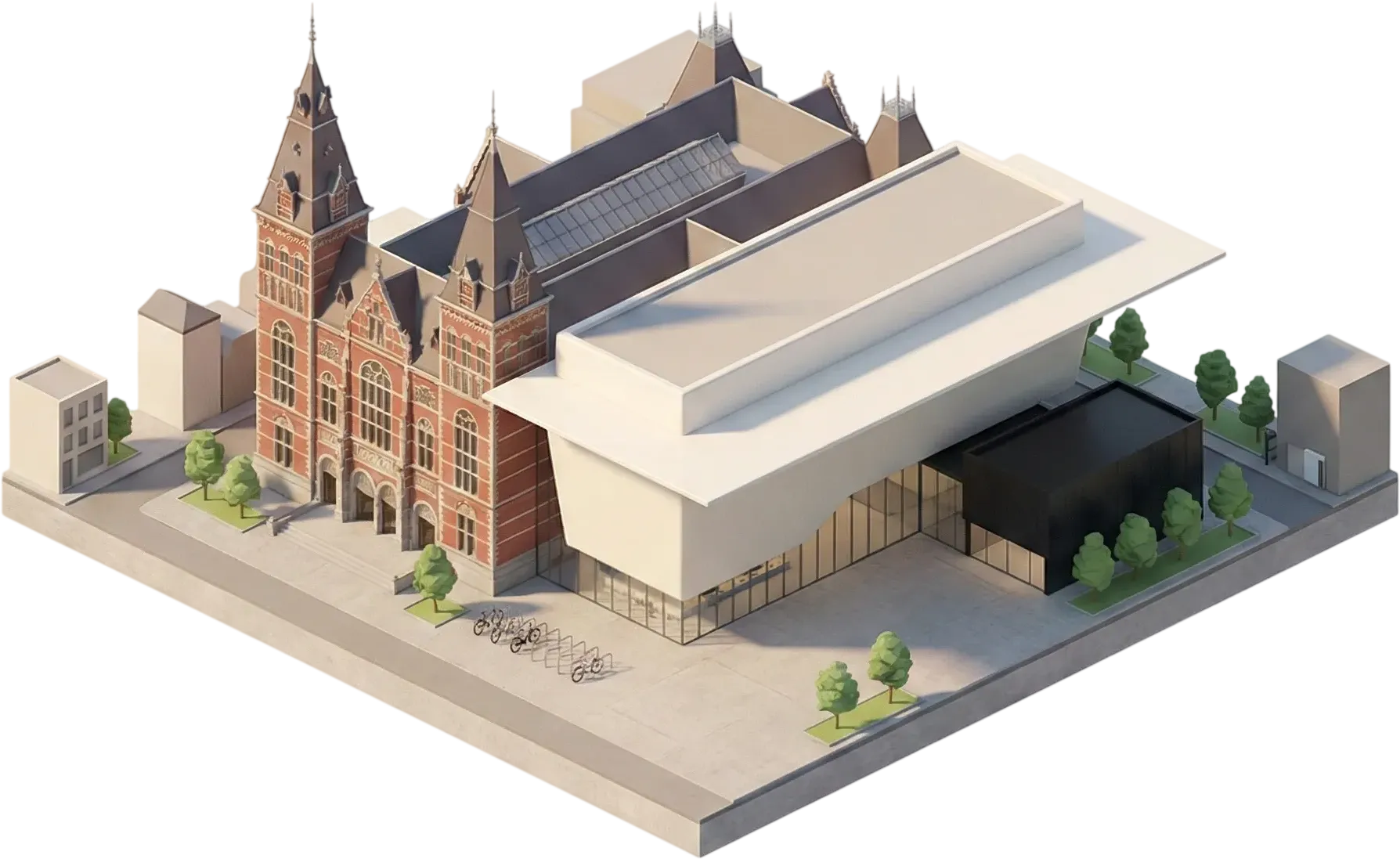
The Rijksmuseum in Amsterdam is set to host a significant exhibition celebrating the work of acclaimed Dutch illustrator Fiep Westendorp. From June 19 to September 13, 2026, visitors can explore approximately 150 original drawings by the artist, known for bringing iconic children’s book characters like Jip and Janneke, Otje, Pluk van de Petteflet, and Pim and Pom to life. This presentation offers an in-depth look at her complete body of work and intricate creative process.
Discover the Creative World of Fiep Westendorp
Fiep Westendorp (1916–2004) harbored an ambition to become an illustrator from a young age. Her artistic journey began with studies at the Royal School for Art and Technology in Den Bosch, where she was the only female student, followed by the Academy of Fine Arts in Rotterdam. Early sketchbooks on display highlight the development of her distinctive style, characterized by its quick, humorous lines and a keen insight into human nature.
The Evolution of an Iconic Style
After World War II, Westendorp established herself in Amsterdam, becoming a regular contributor to Het Parool newspaper, notably its women's page. At a time when few women worked professionally as illustrators, she stood out as a financially independent artist. The exhibition demonstrates how the technical limitations of newspaper printing and narrow column layouts shaped her design approach, leading to a simplified, pared-down aesthetic with strong lines and minimal detail that defined her clear graphic language.
Bringing Beloved Characters to Life
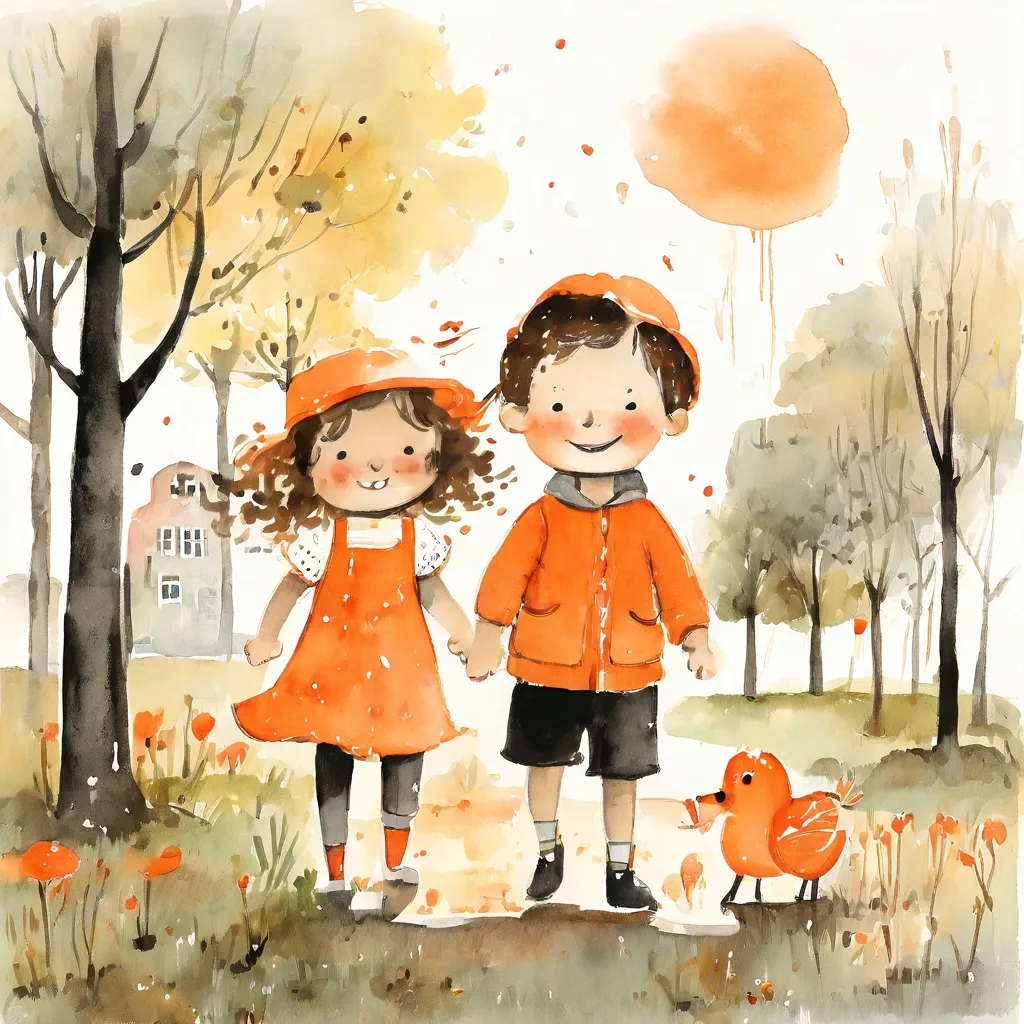
The universally recognized Dutch characters 'Jip en Jan-ne-ke' first appeared on Het Parool's children's page in 1952. Initial drawings showed the two children with more realistic proportions, a contrast to their later, more stylized forms featuring smaller bodies, short legs, large heads, and signature pointed noses. These neighbors, central to author Annie M.G. Schmidt’s stories, evolved into enduring symbols of Dutch visual culture. Later in the 1950s, the cats Pim and Pom emerged. The exhibition includes original annotated sketches of these characters from author Mies Bouhuys's stories, revealing how Westendorp imbued them with independent and spirited personalities through her illustrations.
A Legacy of Storytelling
The 1960s introduced new printing technologies that expanded Westendorp's artistic horizons. She began experimenting with various materials, adding poster paint and watercolor to her established Indian ink and collage methods. This allowed for greater precision, richer colors, and enhanced detail in her illustrations. Collaborating with Annie M.G. Schmidt, she created the vivid worlds for characters in books such as Otje, Pluk van de Petteflet, and Floddertje. Fiep Westendorp's unique visual language secured her place as one of the 20th century's most iconic Dutch illustrators, shaping imaginations across generations.
The exhibition design at the Rijksmuseum is a creation of Irma Boom Office. Support for this display has been generously provided in part by the Fiep Westendorp Foundation and the Brook Foundation, through the Rijksmuseum Fonds.
To discover more about cultural events in Amsterdam, including this special exhibition and other historical sites, explore Musemap (musemap.art). You can also browse more museums or find what's on during your visit.