Rijksmuseum Amsterdam Marks 150 Years Since Indian Indentured Labourers Arrived in Suriname with New Display
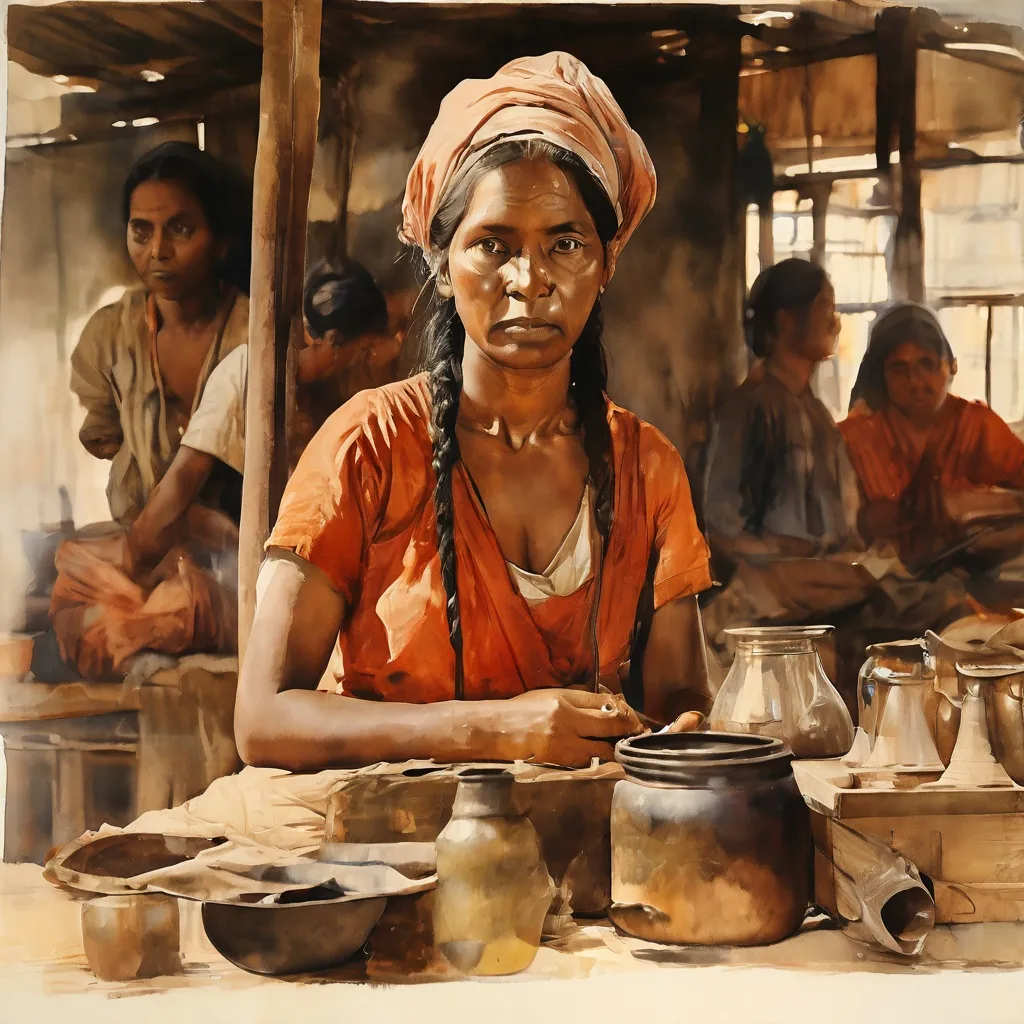
The Rijksmuseum in Amsterdam is commemorating a significant historical milestone: the 150th anniversary of the arrival of the first Indian indentured labourers in Suriname. A special display, featuring approximately 30 photographs and objects from these early generations, is now open to visitors. This presentation particularly highlights the experiences and perspectives of women within the community that formed in Suriname after the abolition of slavery.
A Glimpse into History: The Display Details
Titled "A Watchful Eye," the display is a collaborative effort between Rijksmuseum curator Eveline Sint Nicolaas and Sarojini Lewis, an artist and researcher specializing in the roles of female Indian indentured labourers in Suriname. The exhibition is housed in the print gallery of the 19th-century section of the museum. It runs from June 1 to November 27, 2023, offering a focused look at a crucial period in Dutch colonial history.
Sarojini Lewis reflects on the power of the imagery, stating, "The powerful photographs help you imagine what life must have been like for female Indian indentured workers. The pictures are windows onto the reality of this colonial history."
Unveiling the Stories of Indian Indentured Labourers
The journey of Indian indentured labourers to Suriname began on June 5, 1873, when the ship Lalla Rookh docked. This occurred just weeks before the ten-year state-run scheme, which compelled formerly enslaved people to continue working for plantation owners after slavery's abolition, came to an end. Plantation owners were in urgent need of a new workforce, and the Indian migrants, often referred to as ‘Hindustanis’ in Suriname, sought contracts hoping to escape famine for their families back home. However, the realities in Suriname frequently involved poverty, exploitation, and violence, contradicting initial promises.
While the primary interest of employers was fit male labourers, women were essential for building and sustaining a stable community. Despite mandatory quotas, an imbalance between the sexes persisted, leading to significant social challenges. Yet, this dynamic also presented certain opportunities for women within the new societal structure.
Exploring Women's Experiences and Artifacts
The display includes historical photographs and journals from amateur photographers Théodore van Lelyveld (1867-1957) and Hendrik Doijer (1863-1925), both of whom worked for the Dutch government. Their work captured various aspects of life for the Indian community in Suriname, including scenes from the ‘immigrant’s depot’ where labourers were accommodated upon arrival. One striking photograph captures a group sleeping on a ship's deck, with one woman looking directly into the lens, her gaze described as "a watchful eye" — indicative of the potential dangers faced during the voyage. Researchers have noted the lack of protection for women aboard these vessels.
A significant loan from the Dutch Sarnámi Institute is also featured: a mohar málá, or coin necklace. The relatively small number of women and a preference for marriages within their community often placed Indian women in a stronger bargaining position. This necklace symbolizes their financial and social standing, as the quantity of jewellery and coins a woman possessed could directly influence the respect she commanded.
To discover more about the Rijksmuseum's collections or other cultural sites in the city, explore Musemap (musemap.art) for museums in Amsterdam or check out current exhibitions and events.