Amsterdam
News

Rijksmuseum's Head of Science Appointed Professor of Molecular Spectroscopy

News from Rijksmuseum

Dr. Katrien Keune, Head of Science at the Rijksmuseum and lead researcher for 'Operation Night Watch', has been appointed professor by special appointment of Molecular Spectroscopy at the University of Amsterdam. Her new role will focus on applying advanced spectroscopy techniques to study historic paints and their degradation.

ScienceResearchArt ConservationAcademiaAppointment
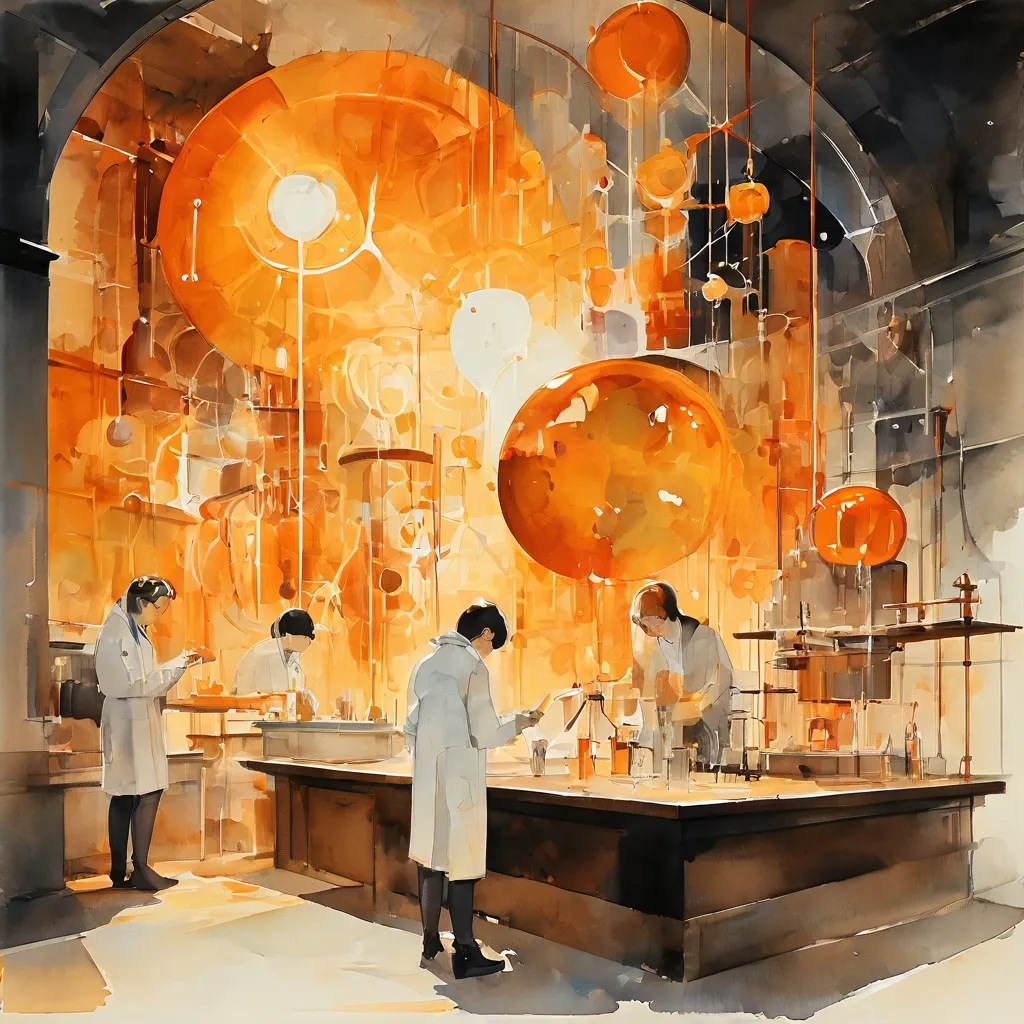
Conceptual illustration of scientific research at the Rijksmuseum, visualizing molecular analysis of historic paint with abstract light patterns.

Rijksmuseum's Katrien Keune Takes on New Professorship, Advancing Art Science in Amsterdam

Dr. Katrien Keune, the Head of Science at the Rijksmuseum in Amsterdam, has been appointed professor by special appointment of Molecular Spectroscopy at the University of Amsterdam (UvA) Faculty of Science. This significant appointment highlights her pioneering work in applying scientific methods to art preservation, including her crucial role in the 'Operation Night Watch' research project.

As a professor, Keune will concentrate on using molecular spectroscopy to analyze historical paints and understand their degradation processes. Her research aims to mature the relatively new field that examines the chemical aspects of paintings and painted objects, bridging fundamental scientific insights with practical applications for conservation.

Advancing Art Conservation Through Molecular Spectroscopy

Molecular spectroscopy is a sophisticated technique that allows researchers to analyze the paint layers of masterpieces. By using various forms of radiation, such as UV, infrared, and X-rays, scientists can gain highly detailed information about the materials, chemical elements, and molecules present in the artwork. This deep understanding is vital for mapping how paint layers transform and degrade over time.

This scientific approach offers multiple benefits to the Rijksmuseum and the broader art world. It provides a scientific basis for developing advanced cleaning and conservation techniques, leading to more effective preservation strategies. Furthermore, the insights gained can inform improvements in museum climate control, crucial for protecting fragile artworks. The research also sheds light on the origins, trade, and use of artistic materials like pigments and binders, contributing valuable information to art historical interpretations.

Katrien Keune's Impact on Heritage Science

Katrien Keune is recognized as a leading researcher in the Netherlands, working at the intersection of art history and the natural sciences. Her career has consistently focused on leveraging chemical expertise to preserve cultural heritage and enhance the interpretation of art. Her work provides a scientific explanation for the changing appearance of paintings over generations.

The special chair in Molecular Spectroscopy was established by the John van Geuns Fonds, a foundation with a keen interest in the interaction between light and matter. This appointment, with a commitment of one day per week for five years, further strengthens the collaboration between the Rijksmuseum and academic institutions like the UvA, fostering advanced research in material science related to cultural heritage.

This significant appointment reinforces the Rijksmuseum's commitment to cutting-edge research and the long-term preservation of its world-renowned collection. To discover more about the Rijksmuseum and other cultural institutions, explore the various museums in Amsterdam or browse what's on in the city on Musemap (musemap.art).
Related museum topics and stories from Rijksmuseum in Amsterdam
Explore connected topics from this article
Use topics from "Rijksmuseum's Head of Science Appointed Professor of Molecular Spectroscopy" to discover related museum stories, film programs, and cultural events connected to Rijksmuseum in Amsterdam.
Katrien KeuneRijksmuseumUniversity of AmsterdamMolecular SpectroscopyArt ConservationScientific ResearchHistoric PaintsOperation Night WatchMuseum ScienceHeritage PreservationUvAJohn van Geuns Fonds
Related visitor FAQ for this news article
Helpful answers connected to this news topic
Browse quick visitor questions shown for this article, then open the full Rijksmuseum FAQ page in Amsterdam to explore broader planning information.

Who is Dr. Katrien Keune and what is her new role at the University of Amsterdam?

Dr. Katrien Keune, who leads scientific research at the Rijksmuseum, including 'Operation Night Watch', has been appointed professor by special appointment of Molecular Spectroscopy at the University of Amsterdam (UvA). She will focus on research into historic paints.

What is Molecular Spectroscopy and how is it used in art conservation?

Molecular spectroscopy uses light and radiation to analyze the materials in masterpieces, providing detailed information about pigments and binders. This helps understand paint degradation, inform conservation methods, and answer art historical questions about materials and their origins.

How does Dr. Keune's research at the Rijksmuseum benefit art history and preservation?

Her research provides scientific explanations for how paintings change appearance over time, develops new cleaning and conservation techniques, and offers insights into improving museum climate control for better artifact preservation.

What is the significance of the 'John van Geuns Fonds' chair?

The Special Chair in Molecular Spectroscopy was established by the 'John van Geuns Fonds', founded in memory of John van Geuns, who was interested in the interaction between light and matter. Dr. Keune is the eighth John van Geuns Professor since 1969.

What is Dr. Keune's background in science and art research?

Dr. Keune studied chemistry at the University of Amsterdam and has a doctorate from UvA. Her career includes postdoctoral research at institutions like the National Gallery in London and working at TU Delft before joining the Rijksmuseum as Head of Science.

Where does this research fit within the University of Amsterdam?

The chair is part of the Molecular Photonics group at the Van 't Hoff Institute for Molecular Sciences at the UvA, contributing to their focus area on Chemistry of Complex Systems and Materials.

About Rijksmuseum in Amsterdam

Rijksmuseum Amsterdam Overview

Dutch Art & History Focus

ArtHistoryLocal heritage

This page offers a comprehensive overview of the Rijksmuseum, providing essential context for your visit to Amsterdam's premier national institution. Explore the Dutch masters and historical narratives before you go. Use Musemap to find other fascinating museums and cultural experiences nearby in Amsterdam.

Open full Rijksmuseum museum overview
Amsterdam

Find Museums in Amsterdam: Explore Diverse Cultural Attractions by Interest

Discover unique art, history, and science museums in the city.

Navigate Amsterdam's extensive cultural offerings to find the perfect museum for your next visit. Explore different themes and historical periods to enrich your understanding of art and heritage. Locate institutions that spark your curiosity and delve into their unique exhibits.

Explore Rijksmuseum with Amsterdam
Guides, visitor info, and museum details in Amsterdam
Find everything about Rijksmuseum in one place, including tickets, opening hours, current exhibitions, location details, visitor tips, nearby attractions, and the latest museum updates. Use these pages to plan your visit, discover what to see, and get practical information before you go.
Discover nearby museums similar to Rijksmuseum in Amsterdam and plan your next cultural stop with confidence.
These recommendations prioritize real proximity to Rijksmuseum and help you find high-fit alternatives faster across Amsterdam.
Use this curated list to compare museums near Rijksmuseum without opening multiple search pages. Each card gives you fast visual context and direct access to key details so you can decide quickly. If you are building a full day in Amsterdam, this section helps you chain nearby visits with less planning effort.