
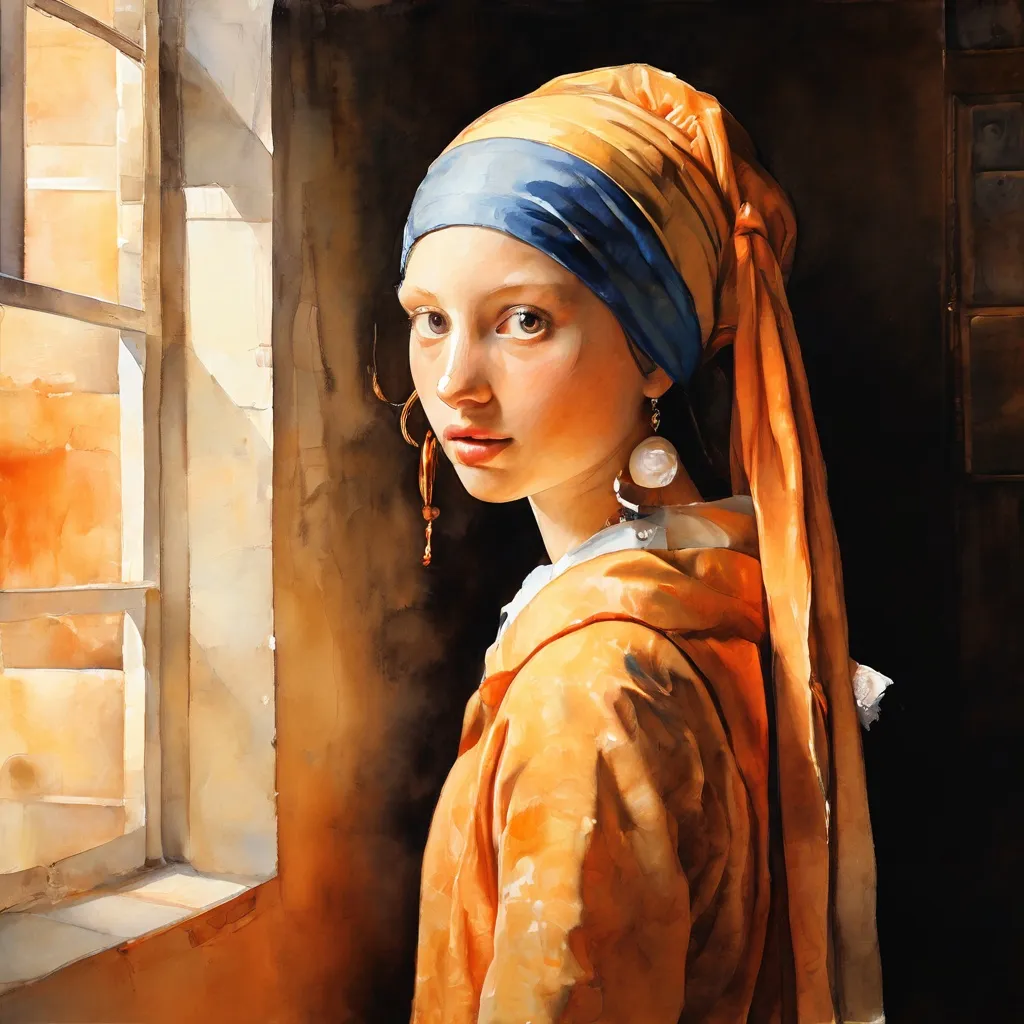
Rijksmuseum in Amsterdam Prepares for Unprecedented Vermeer Exhibition
The Rijksmuseum in Amsterdam is set to open its landmark Vermeer exhibition, showcasing an extraordinary collection of works by the renowned Dutch master, Johannes Vermeer. Slated to open in February 2023, this exhibition promises to be the largest gathering of Vermeer paintings ever assembled, offering a unique opportunity for visitors to delve into his artistic world.
The exhibition is scheduled to run from February 10 to June 4, 2023, and the Rijksmuseum will be its sole venue. Early online ticket sales have already begun for those eager to secure their visit. Tickets are available for purchase online.
Experience the Masterpieces: What to See
This ambitious exhibition will feature at least 28 paintings from Vermeer’s remarkably small oeuvre, with significant loans secured from museums and private collections across Europe, the United States, and Japan. Highlights include all three masterpieces from The Frick Collection—The Girl Interrupted at Her Music, Officer and Laughing Girl, and Mistress and Maid—which will be displayed together outside of New York for the first time in over a century.
Among other notable works joining the exhibition are the iconic Girl with a Pearl Earring from the Mauritshuis in The Hague, The Geographer from the Städel Museum, and The Lacemaker from the Musée du Louvre. Visitors will also have the chance to see works rarely exhibited in the Netherlands, such as the recently restored Girl Reading a Letter at an Open Window from Dresden. The Rijksmuseum itself will contribute its four Vermeer masterpieces: The Milkmaid, The Little Street, Woman Reading a Letter, and The Love Letter.
The comprehensive list of works on display includes:
- A Lady Writing, National Gallery of Art, Washington
- A Young Woman seated at a Virginal, The National Gallery, London
- A Young Woman standing at a Virginal, The National Gallery, London
- Allegory of the Catholic Faith, The Metropolitan Museum of Art, New York
- Christ in the House of Mary and Martha, National Galleries of Scotland, Edinburgh
- Diana and her Nymphs, Mauritshuis, The Hague
- Girl Interrupted at Her Music, The Frick Collection, New York
- Girl Reading a Letter at an Open Window, Gemäldegalerie Alte Meister, Dresden
- Girl with a Flute, National Gallery of Art, Washington
- Girl with a Pearl Earring, Mauritshuis, The Hague
- Girl with the Red Hat, National Gallery of Art, Washington
- Mistress and Maid, The Frick Collection, New York
- Officer and Laughing Girl, The Frick Collection, New York
- Saint Praxedis, Kufu Company Inc., The National Museum of Western Art, Tokyo
- The Geographer, Städel Museum, Frankfurt am Main
- The Glass of Wine, Staatliche Museen zu Berlin, Gemäldegalerie
- The Lacemaker, Musée du Louvre, Paris
- The Love Letter, Rijksmuseum, Amsterdam
- The Milkmaid, Rijksmuseum, Amsterdam
- The Procuress, Gemäldegalerie Alte Meister, Dresden
- View of Delft, Mauritshuis, The Hague
- View of Houses in Delft, known as ‘The Little Street’, Rijksmuseum, Amsterdam
- Woman Holding a Balance, National Gallery of Art, Washington
- Woman in blue Reading a Letter, Rijksmuseum, Amsterdam
- Woman with a Pearl Necklace, Staatliche Museen zu Berlin, Gemäldegalerie
- Woman Writing a Letter, with her Maid, National Gallery of Ireland, Dublin
- Young Woman Seated at a Virginal, The Leiden Collection, New York
- Young Woman with a Lute, The Metropolitan Museum of Art, New York
New Discoveries in Vermeer's Artistic Process
In preparation for this extensive exhibition, a team of curators, conservators, and scientists from the Rijksmuseum, in collaboration with experts from the Mauritshuis and the University of Antwerp, have conducted in-depth new research into Vermeer’s paintings. Utilizing advanced scanning technologies like Macro-XRF and RIS, their findings offer fresh perspectives on the artist’s life, his creative decisions, and the methods behind his compelling compositions.
Recent investigations into Vermeer's iconic painting, The Milkmaid, have uncovered previously unknown details. Scans revealed underpaintings of a jug holder and a fire basket, which Vermeer later painted over. These discoveries and others challenge the long-held belief that Vermeer painted slowly and meticulously, suggesting a more dynamic and rigorous working process. Similar underpaintings have also been observed in other works, like Woman Holding a Balance. These insights provide a clearer picture of his artistic approach, revealing a virtuosic and energetic method behind his seemingly serene final works.
The Legacy of Johannes Vermeer
Johannes Vermeer (1632-1675) spent his life and career in Delft, creating a distinctive body of work. He is celebrated for his tranquil, intimate interior scenes, his masterful manipulation of bright, colorful light, and his convincing illusionism. Despite his fame, Vermeer left a remarkably small number of paintings—just 37 known works.
The mystery surrounding Vermeer, often referred to as the “Sphinx of Delft,” has captivated art enthusiasts for centuries. Connecting new understanding of his personal history with detailed analysis of his work brings us closer to unraveling the enigma of this profound artist.
For those planning their visit, the exhibition design by French architect Jean-Michel Wilmotte draws inspiration from Vermeer’s characteristic framing and compositions. The Rijksmuseum will also host a two-day symposium in March 2023, focusing on the latest technical and art-historical research. An online experience offering deeper insights into Vermeer's life and work is also available through the Rijksmuseum website.
This exhibition represents a monumental effort to bring Vermeer's genius to a global audience. To explore more about the cultural landscape and upcoming events in Amsterdam, visit Musemap (musemap.art) and browse what's on or discover other museums in Amsterdam.