Rijksmuseum and Jewish Cultural Quarter Present 'Looted' Exhibition in Amsterdam
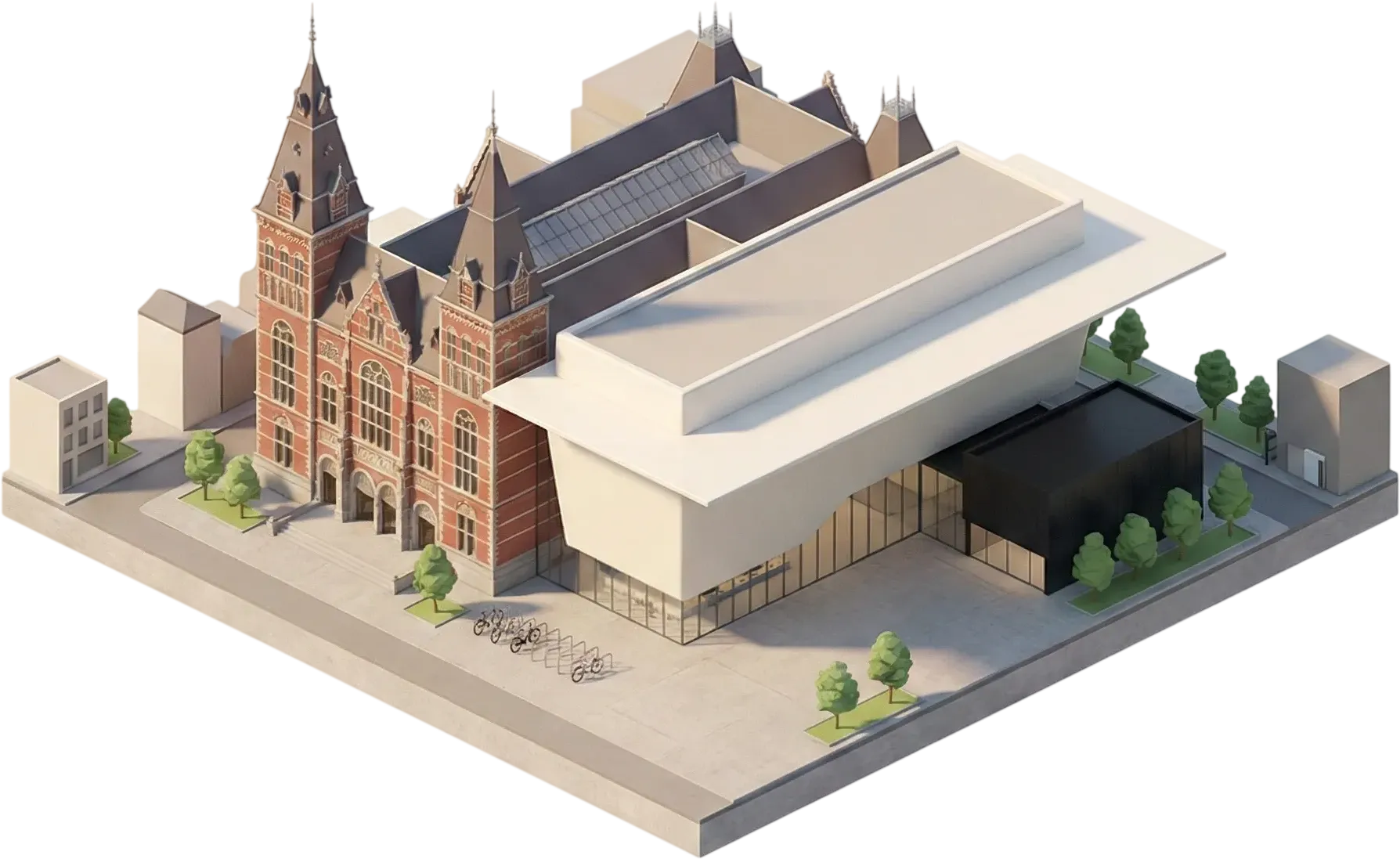
The Rijksmuseum, in collaboration with the Jewish Cultural Quarter, is hosting a significant exhibition titled "Looted, personal stories about the looting and restitution of Jewish cultural property". Opening on May 31 and running until October 27, 2024, this exhibition in Amsterdam explores the profound emotional impact of the systematic theft of Jewish personal property during the Nazi regime and the subsequent struggles for its recovery.
The exhibition aims to shed light on the personal tragedies behind the historical events, featuring eight individual accounts of survivors and heirs. These stories detail their difficult journey to reclaim not only their lost possessions but also their dignity in the aftermath of World War II. It highlights how the organized dispossession of property was a key part of the dehumanization process endured by Jewish communities, culminating in the Holocaust.
Experiencing the Exhibition Across Two Venues
The "Looted" exhibition is uniquely presented across two distinct locations within the Jewish Cultural Quarter: the recently opened National Holocaust Museum and the Jewish Museum. Visitors will find five stories focused on the restitution of art at the National Holocaust Museum. These include the experiences of figures like Fritz Mannheimer, Dési Goudstikker, the Heppner-Krämer family, Samuel Jessurun de Mesquita, and Margarete Stern-Lippmann. Meanwhile, the Jewish Museum features three personal narratives concerning the recovery of Hebrew books and Jewish ceremonial objects, such as those belonging to Louis Hirschel, Louis Lamm, and Leo Isaac Lessmann.
Each narrative is brought to life through a collection of objects, art, photographs, personal documents, and film and audio excerpts, alongside interviews with descendants. For example, the exhibition recounts the fate of antiquarian book dealer Louis Lamm, whose extensive collection was seized after his deportation and murder. It also tells the story of Leo Isaac Lessmann, who entrusted his valuable collection of Jewish ceremonial objects to Lamm, only for them to vanish without a trace.
The exhibit further highlights cases such as Dési Goudstikker-Halban, who spent years fighting the Dutch state to recover her husband, art dealer Jacques Goudstikker's, art collection that had been plundered by the Nazis. Her story underscores the bureaucratic hurdles and indifference many victims faced when seeking restitution.
Behind the Exhibition: Research and Related Programs
This comprehensive exhibition is partly the result of extensive research, including the Rijksmuseum's ongoing investigation into the provenance of collection items acquired after 1933, initiated in 2012. The Jewish Cultural Quarter has also undertaken new research specifically into the plunder of Judaica, with findings integrated into the narratives presented at the Jewish Museum. Many of the featured objects in the exhibition are drawn from the Rijksmuseum’s own collection, alongside significant loans from institutions in the United States and Israel.
Beyond the exhibition itself, visitors can engage with the topic through several additional resources:
- Podcast: "The Lost Heppner Collection" is a four-part podcast series available from May 31, exploring the story of Max Amichai Heppner and his family's collection.
- Publication: A companion book, "Dispossessed. Personal Stories of Nazi-looted Jewish Cultural Property and Postwar Restitution," offers further insights into the themes of the exhibition.
- Symposium: An international symposium, organized jointly by Arbeitskreis Provenienzforschung e.V., the Rijksmuseum, Jewish Cultural Quarter, and Sotheby’s, will be held at the Rijksmuseum auditorium on September 9 and 10, 2024. It will delve into the profound impact of dispossession and the evolving significance of stolen art, books, and Jewish ceremonial objects. Further details are available on the Rijksmuseum's website.
This exhibition provides an important opportunity to reflect on a painful chapter of history through deeply personal lenses, underscoring the long-lasting effects of wartime plunder.
For more details on upcoming exhibitions or to discover other cultural institutions in Amsterdam, explore Musemap (musemap.art) for current listings and events or to browse various museums across the city.