Amsterdam
News

Rijksmuseum Secures Significant Meissen Porcelain Collection

News from Rijksmuseum

The Rijksmuseum has successfully acquired over half of a crucial Meissen porcelain collection at auction, including key historical pieces. This significant purchase, made possible by multiple benefactors, reunites important works with the museum's holdings and allows for the telling of the collection's complex provenance.

AcquisitionPorcelainRestitutionDecorative ArtsEuropean History
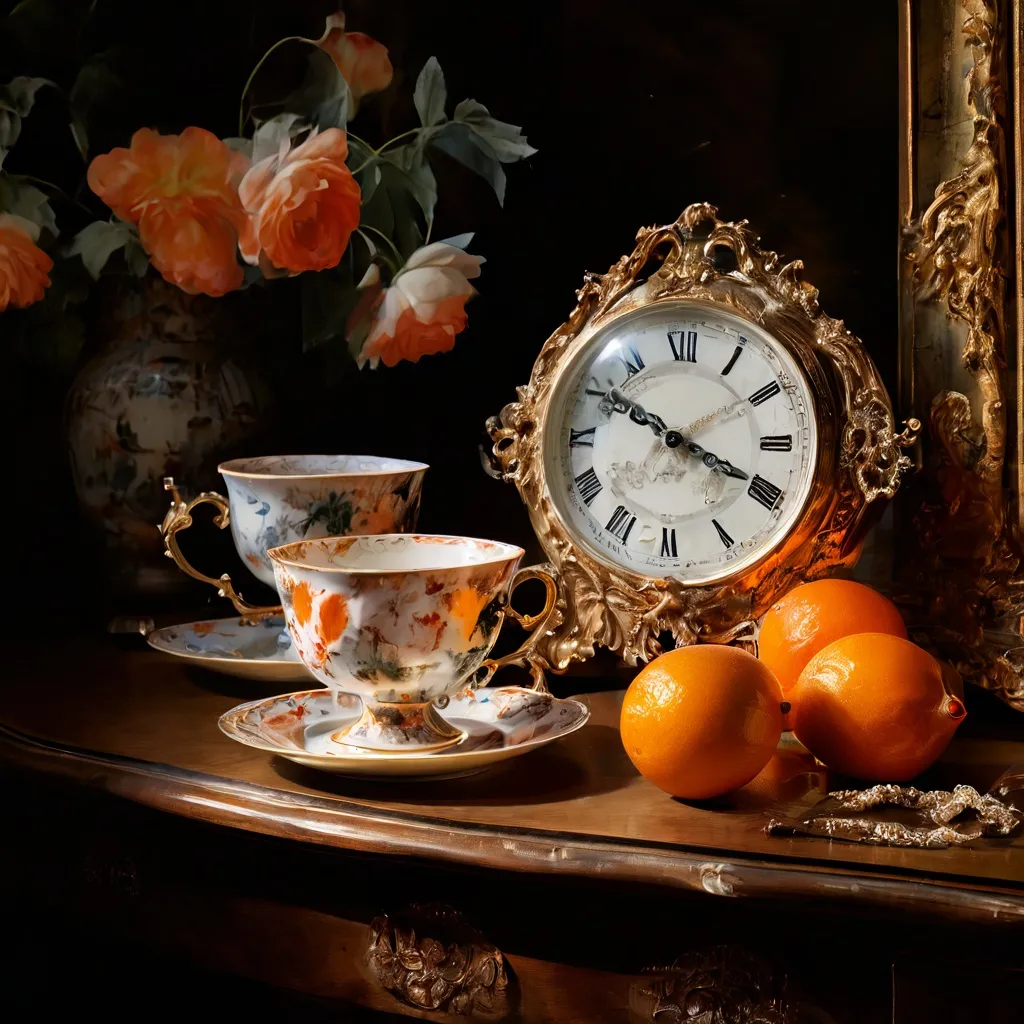
A detailed view of exquisite 18th-century Meissen porcelain teacups and a clock, displayed in a museum setting, highlighting their historical artistry.

Rijksmuseum Amsterdam Secures Return of Significant Meissen Porcelain Collection

The Rijksmuseum in Amsterdam has successfully reacquired more than half of a historically significant Meissen porcelain collection, including key highlights like a remarkable clock and an exquisite coffee and tea service. This purchase was made at a recent auction with support from various benefactors, including the Rembrandt Association, the Mondriaan Funds, the National Acquisition Fund of the Ministry of Education, Culture and Science (OCW), the VriendenLoterij, and a private donor through the Rijksmuseum Fund.

These items originally belonged to the Oppenheimer collection, assembled by the German-Jewish couple Franz and Margarethe Oppenheimer. After being displayed at the Rijksmuseum from 1952, the collection was restituted to the Oppenheimer heirs in 2019 and subsequently put up for auction.

Displaying a Legacy: The Oppenheimer Collection's Return to Amsterdam

This reacquisition ensures that a vital part of European applied art history, with a profound personal narrative, will remain accessible for public viewing in Amsterdam. Taco Dibbits, director of the Rijksmuseum, expressed the museum's pleasure in securing a substantial portion of this important collection, which will now be displayed permanently. He emphasized the opportunity to highlight the Oppenheimer family's personal story and the journey of their collection during and after the Second World War.

Among the notable pieces reacquired are a clock, specifically a Clock case depicting Arachne and Athena from 1727, and a coffee and tea service, including a service with the Morosini family coat of arms from 1731.

Understanding Meissen Porcelain: A European Artistic Milestone

The creation of Meissen porcelain marks a pivotal moment in European applied arts. This "white gold," the first true European porcelain, was developed in 1708 at the Royal Court in Dresden under the patronage of Augustus the Strong, Elector of Saxony. The secret manufacturing method for such porcelain had previously been known only in Asia.

The Oppenheimers were renowned for collecting only the highest quality Meissen objects, often featuring exquisite decoration and gilding, with many originally crafted for Augustus the Strong's palaces. This exceptional standard has made the Rijksmuseum's Meissen collection globally recognized, considered second only to Dresden's Porzellansammlung. It remains a unique opportunity in the Netherlands to view European art of such distinction.

The Journey of the Oppenheimer Collection

The story of the Oppenheimer collection is intertwined with the tragic events of the Second World War. Facing Nazi persecution, Franz and Margarethe Oppenheimer fled Berlin to Austria in 1936, and then to the United States in 1938. During their escape, they took part of their collection and sold a significant portion between 1936 and 1939 to Fritz Mannheimer, an Amsterdam-based German-Jewish banker.

After Mannheimer's death, his estate went bankrupt, and his collection was sold under Nazi pressure to pay creditors. Post-war, the collection was recovered and placed with the Dutch State, with a large part incorporated into the Rijksmuseum’s applied arts collection in 1952.

In 2015, the Oppenheimer heirs submitted a claim for over a hundred objects in the Dutch National Collection, 92 of which were managed by the Rijksmuseum. Following a thorough investigation, the Restitutions Committee advised the minister to return the objects, a decision affirmed in December 2019. The Rijksmuseum has been conducting its own research into the provenance of its collection related to the Second World War since 2012, with the Oppenheimer collection previously classified as "of uncertain origin."

This reacquisition ensures that a significant portion of this historically important collection remains accessible to the public in Amsterdam. For more insights into prominent cultural institutions like the Rijksmuseum and other cultural highlights across the city, Musemap (musemap.art) offers a guide to Amsterdam's diverse cultural landscape. Explore more Amsterdam museums or discover what's on during your visit.


Related museum topics and stories from Rijksmuseum in Amsterdam
Explore connected topics from this article
Use topics from "Rijksmuseum Secures Significant Meissen Porcelain Collection" to discover related museum stories, film programs, and cultural events connected to Rijksmuseum in Amsterdam.
Rijksmuseum Meissen porcelainOppenheimer collectionMeissen porcelain auctionRijksmuseum acquisitionRestituted artEuropean decorative arts18th-century porcelainRijksmuseum press releaseTaco DibbitsRembrandt AssociationMondriaan FondsVriendenLoterijSotheby's New York
Related visitor FAQ for this news article
Helpful answers connected to this news topic
Browse quick visitor questions shown for this article, then open the full Rijksmuseum FAQ page in Amsterdam to explore broader planning information.

What is the significance of the recently acquired Meissen porcelain collection at the Rijksmuseum?

The collection includes over half of a significant group of Meissen porcelain, featuring highlights like a clock and a coffee and tea service. It represents a crucial moment in European decorative arts history and is considered one of the world's most important Meissen collections.

How was the Meissen porcelain collection acquired by the Rijksmuseum?

The Rijksmuseum purchased more than half of the Oppenheimer collection of Meissen porcelain at auction in New York. The acquisition was made possible through the support of the Rembrandt Association, Mondriaan Funds, the National Acquisition fund, the VriendenLoterij, and a private benefactor.

What is the provenance of the Oppenheimer Meissen porcelain collection?

The collection originally belonged to Franz and Margarethe Oppenheimer, German-Jewish collectors who fled Nazi persecution. It was later sold, acquired by the Rijksmuseum in 1952, and restituted to the heirs in 2019 before being reacquired by the museum.

When will the newly acquired Meissen porcelain be on display at the Rijksmuseum?

The article states the collection will be displayed in perpetuity, but specific exhibition dates are not provided. Visitors should check the Rijksmuseum's official website for current display information.

What is Meissen porcelain?

Meissen porcelain refers to the very first European true porcelain, developed in Dresden in 1708 under Augustus the Strong. Known as 'white gold,' its manufacturing secret was previously known only in Asia, making it a historically significant material in European applied arts.

Can visitors learn about the history of the Oppenheimer family at the Rijksmuseum?

Yes, the Rijksmuseum plans to dedicate attention to the personal story of the Oppenheimer family and the journey of their collection during and after the Second World War.

About Rijksmuseum in Amsterdam

Rijksmuseum Amsterdam Overview

Dutch Art & History Focus

ArtHistoryLocal heritage

This page offers a comprehensive overview of the Rijksmuseum, providing essential context for your visit to Amsterdam's premier national institution. Explore the Dutch masters and historical narratives before you go. Use Musemap to find other fascinating museums and cultural experiences nearby in Amsterdam.

Open full Rijksmuseum museum overview
Amsterdam

Find Museums in Amsterdam: Explore Diverse Cultural Attractions by Interest

Discover unique art, history, and science museums in the city.

Navigate Amsterdam's extensive cultural offerings to find the perfect museum for your next visit. Explore different themes and historical periods to enrich your understanding of art and heritage. Locate institutions that spark your curiosity and delve into their unique exhibits.

Explore Rijksmuseum with Amsterdam
Guides, visitor info, and museum details in Amsterdam
Find everything about Rijksmuseum in one place, including tickets, opening hours, current exhibitions, location details, visitor tips, nearby attractions, and the latest museum updates. Use these pages to plan your visit, discover what to see, and get practical information before you go.
Discover nearby museums similar to Rijksmuseum in Amsterdam and plan your next cultural stop with confidence.
These recommendations prioritize real proximity to Rijksmuseum and help you find high-fit alternatives faster across Amsterdam.
Use this curated list to compare museums near Rijksmuseum without opening multiple search pages. Each card gives you fast visual context and direct access to key details so you can decide quickly. If you are building a full day in Amsterdam, this section helps you chain nearby visits with less planning effort.