Rijksmuseum in Amsterdam Launches Major 'Operation Night Watch' Conservation Project
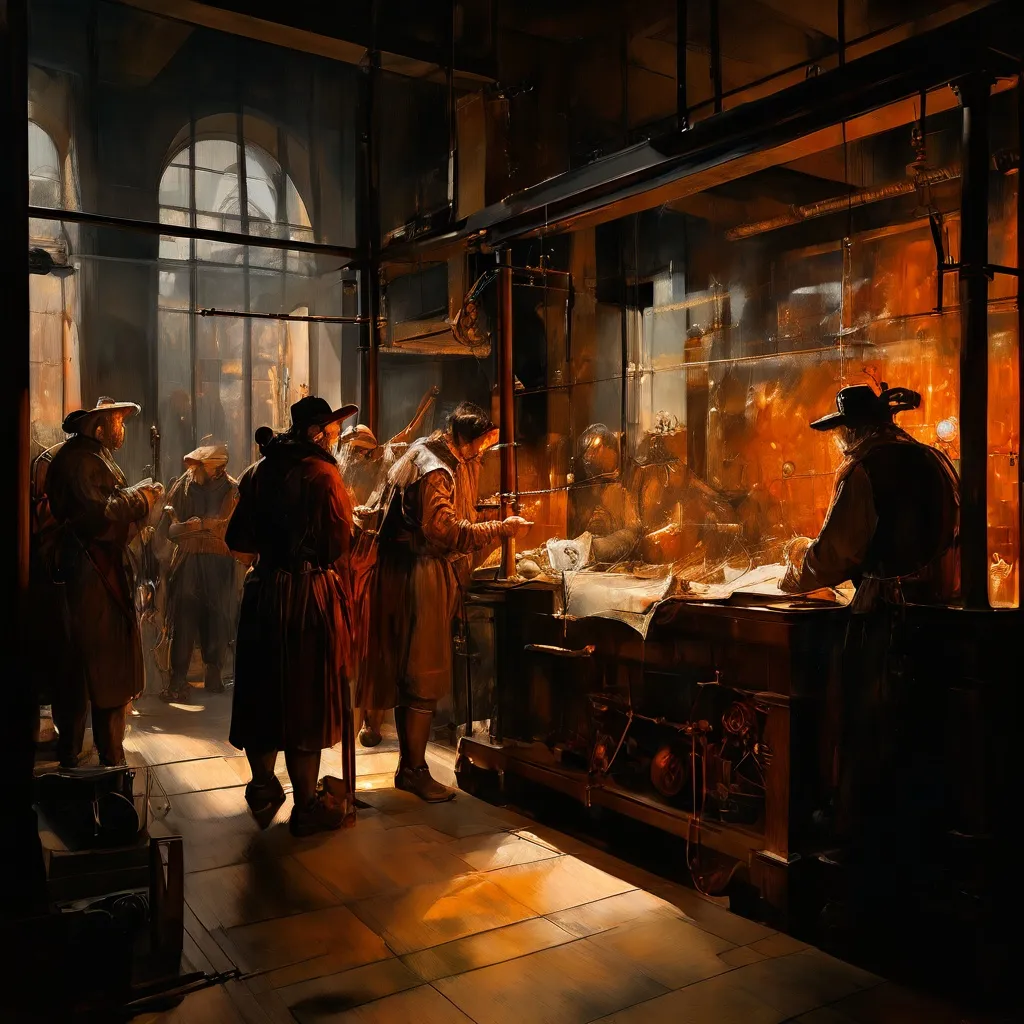
The Rijksmuseum in Amsterdam commenced "Operation Night Watch" on July 8, 2019, initiating the most extensive research and conservation effort ever undertaken for Rembrandt's iconic masterpiece. The primary objective of this ambitious undertaking is to ensure the long-term preservation of the painting. Visitors to the museum are offered a unique opportunity to observe the entire process firsthand, as all work is conducted within a specially designed, transparent glass chamber.
In-Depth Analysis of a Masterpiece
This initiative represents an unprecedented investigation into the condition of The Night Watch. Researchers are employing the latest and most sophisticated techniques, including digital imaging, scientific and technical analysis, advanced computing, and artificial intelligence. The goal is to gain a deeper understanding of the painting's original appearance and its current state, shedding light on the various transformations it has undergone over four centuries. The findings from this research will ultimately inform a comprehensive treatment plan for its subsequent restoration. The public can also follow the progress online via the museum's website, with updates available at rijksmuseum.nl/nightwatch.
Unveiling Hidden Details with Advanced Technology
The project addresses various questions concerning the painting's original commission, Rembrandt's artistic materials and techniques, the effects of past treatments, and the natural aging process. During the research phase, The Night Watch is carefully unframed and positioned on a custom-built easel. Two platform lifts allow access to the entire canvas, which measures 379.5 cm in height and 454.5 cm in width.
Advanced imaging methods, such as macro X-ray fluorescence scanning (macro-XRF) and hyperspectral imaging, also known as infrared reflectance imaging spectroscopy (RIS), are crucial to accurately assess the painting's condition. The macro-XRF scanner, for instance, analyzes different chemical elements in the paint, helping to identify pigments and reveal underlying compositional changes. Scanning the entire surface of The Night Watch requires 56 individual scans, each taking 24 hours. Additionally, approximately 12,500 high-resolution photographs are being taken, capturing details down to five micrometers—a level of precision rarely applied to such a large artwork.
A Live Conservation Experience for Visitors
The decision to conduct "Operation Night Watch" within an ultra-transparent glass chamber, designed by French architect Jean Michel Wilmotte, allows museum-goers to witness the intricate work of conservators and scientists in real-time. This public-facing setup transforms the conservation process into an engaging educational experience, highlighting the dedication and advanced methods required to preserve cultural heritage.
The Enduring Significance of The Night Watch
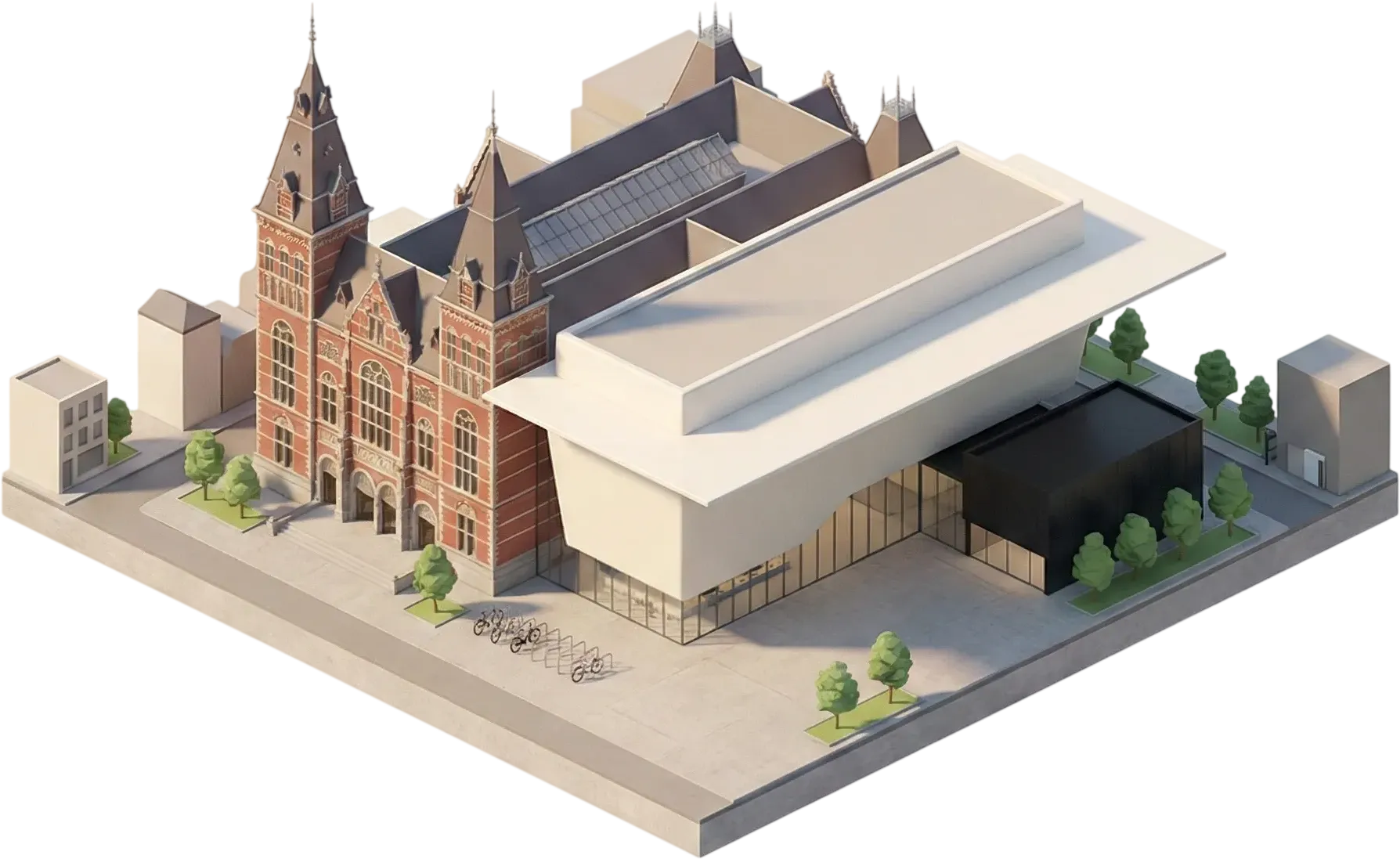
Rembrandt van Rijn's The Night Watch, completed in 1642, remains one of the world's most renowned works of art. This group portrait, depicting officers and other civic guardsmen of District 2 in Amsterdam, is owned by the City of Amsterdam and serves as the centerpiece of the Rijksmuseum. Attracting over two million visitors annually, it stands as the Netherlands' foremost national artistic showpiece and a quintessential attraction for those exploring Dutch culture.
Expertise and Collaborative Preservation Efforts
The Rijksmuseum boasts extensive experience and expertise in the investigation and treatment of paintings by Rembrandt, building on previous conservation projects. The dedicated research team working on The Night Watch comprises more than 20 Rijksmuseum scientists, conservators, curators, and photographers. This large-scale effort also benefits from collaborations with various national and international institutions, including universities and cultural heritage agencies, underscoring a global commitment to art preservation.
To discover more significant art collections and cultural landmarks in Amsterdam, or to plan your next visit to the Rijksmuseum, explore Musemap (musemap.art). You can find more museums in Amsterdam or view various cultural spots on the city map.