Rijksmuseum Amsterdam Showcases Rare 17th-Century Tulip Book
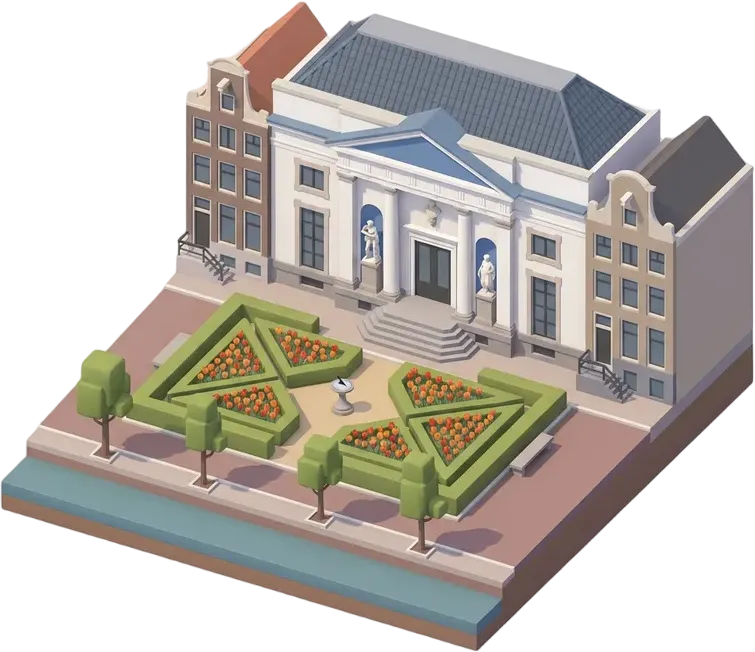
The Rijksmuseum in Amsterdam recently exhibited a remarkable 17th-century tulip book from the esteemed Six Collection, offering visitors a unique window into a pivotal moment in Dutch history. This significant acquisition was made possible through the support of more than a hundred benefactors, ensuring its preservation and public display within the Netherlands.
A Window into Tulip Mania and Golden Age History
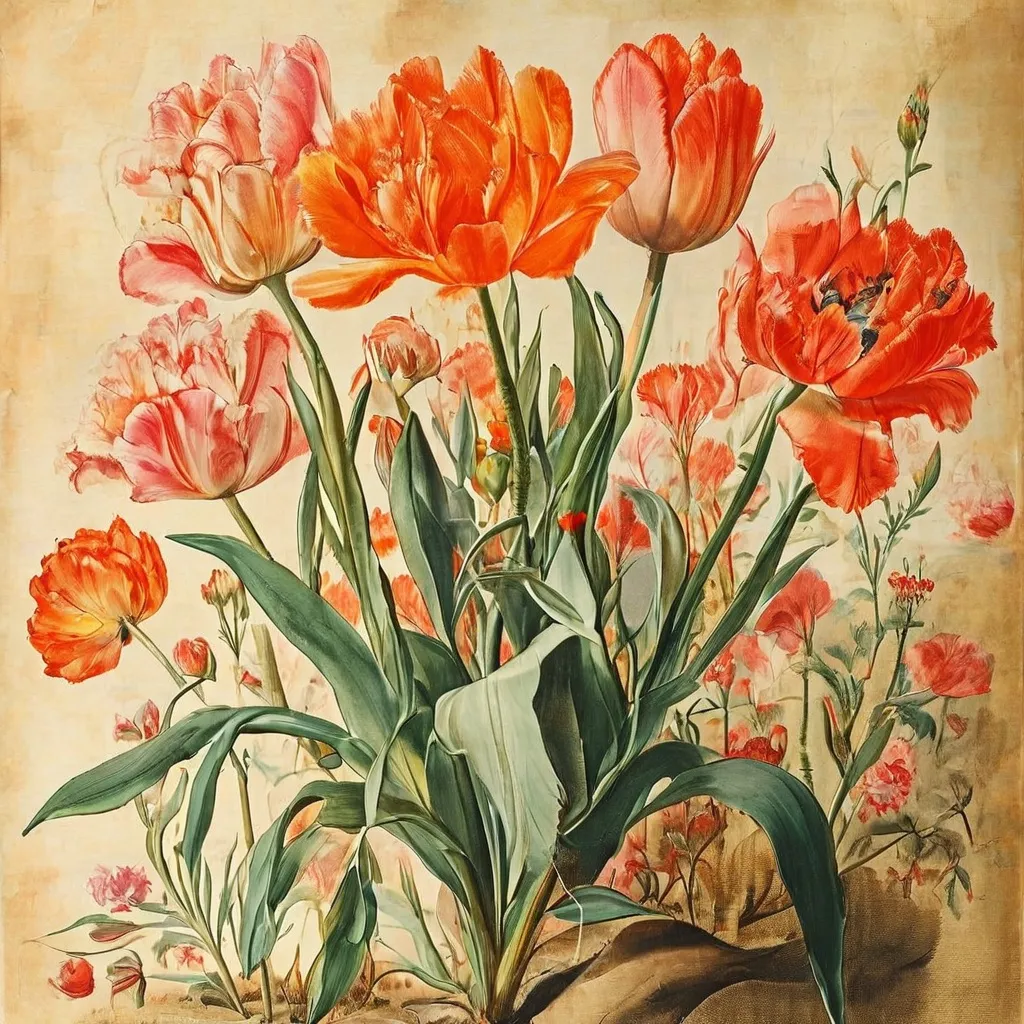
This rare 17th-century tulip book, on loan from the Six Collection, stands out with its 104 detailed drawings of various tulip and carnation varieties. What makes the book particularly exceptional is the inclusion of the sale value alongside each flower's name, complemented by two attached pricelists. This detail provides direct insight into the historical phenomenon known as 'tulip mania' – the first recorded speculative bubble in history. During this period, trading in tulip bulbs led to soaring prices before a dramatic crash in 1637. The documented values within the book offer significant historical context, potentially commissioned by a tulip cultivator or dealer from the era.
The Illustrious Dr. Nicolaes Tulp and His Legacy
Adding another layer of historical intrigue, the tulip book may have once belonged to Dr. Nicolaes Tulp (1593–1674). Tulp was a prominent Amsterdam physician and mayor, famously depicted in Rembrandt's "The Anatomy Lesson of Dr. Nicolaes Tulp." He was also the father-in-law of Jan Six I, establishing a strong connection to the Six family, who passed the book down through generations until its sale in 2019. The acquisition for the Six Collection was notably supported by 104 generous benefactors, one for each tulip drawing in the album.
A Unique Combined Exhibition Experience
To highlight its historical significance, the Six tulip book was displayed alongside another luxurious vellum collector's album from the Rijksmuseum's own collection. This combined presentation allowed visitors to compare the distinct purposes and historical value of these two rare artifacts.
Further enriching the exhibition were two additional objects from the Six Collection: a bust of Dr. Nicolaes Tulp by Artus Quellinus, presented on a period pedestal, and a gilt silver goblet in the form of a tulip. While Dr. Tulp is widely known through Rembrandt's painting, the bust emphasized his role as a member of the ruling class rather than solely as a physician. The tulip goblet, crafted in the workshop of Johannes Lutma the Elder and the Younger, was a gift to Tulp upon his retirement in 1652 from the Amsterdam Guild of Surgeons, symbolizing the deep connection between the mayor and the flower that shares his name (the Dutch word 'tulp' means 'tulip').
To delve deeper into Amsterdam's rich cultural landscape and explore more historic collections, Musemap (musemap.art) provides comprehensive guides. You can discover more museums in Amsterdam or find other fascinating spots on the city map.