Rijksmuseum in Amsterdam Unveils Newly Authenticated Rembrandt Masterpiece: 'Vision of Zacharias in the Temple'
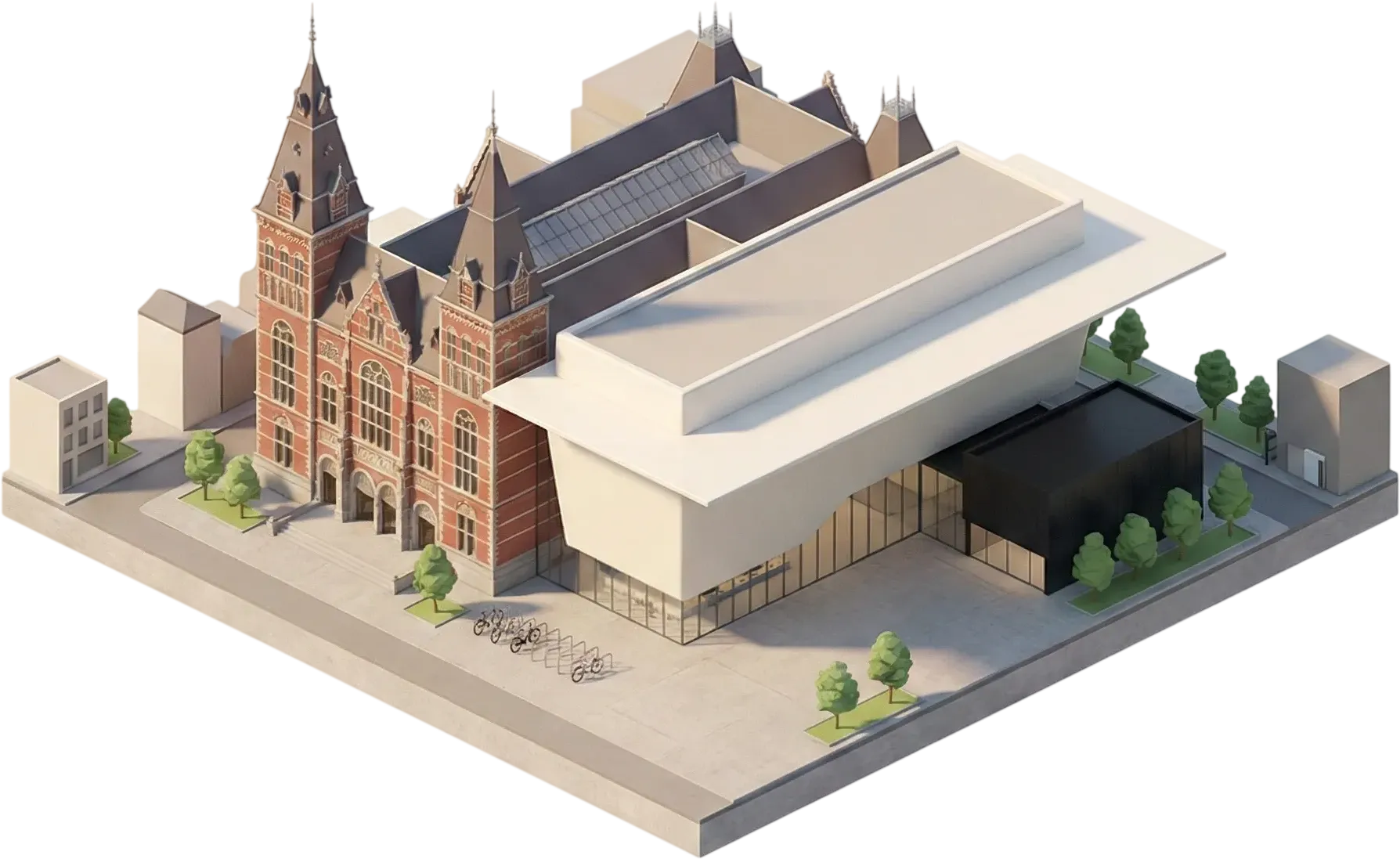
A significant discovery in the art world has confirmed a previously disputed painting, Vision of Zacharias in the Temple (1633), as an authentic work by Rembrandt van Rijn. Following extensive research, the Rijksmuseum in Amsterdam announced that this early 17th-century masterpiece is now definitively attributed to the renowned Dutch painter. This painting, which has been out of public view for decades, is now on long-term loan to the Rijksmuseum and available for visitors to experience.
A Rediscovered Rembrandt for Amsterdam Visitors
For those exploring art and history in Amsterdam, the re-attribution of Vision of Zacharias in the Temple offers a fresh perspective on Rembrandt's early career. Museum Director Taco Dibbits highlighted the importance of this work, noting that it was created shortly after Rembrandt moved from Leiden to Amsterdam. He described it as a poignant piece that showcases Rembrandt's distinctive approach to storytelling. The painting's reintroduction allows a deeper appreciation of the young artist's journey.
The Story Behind the Canvas
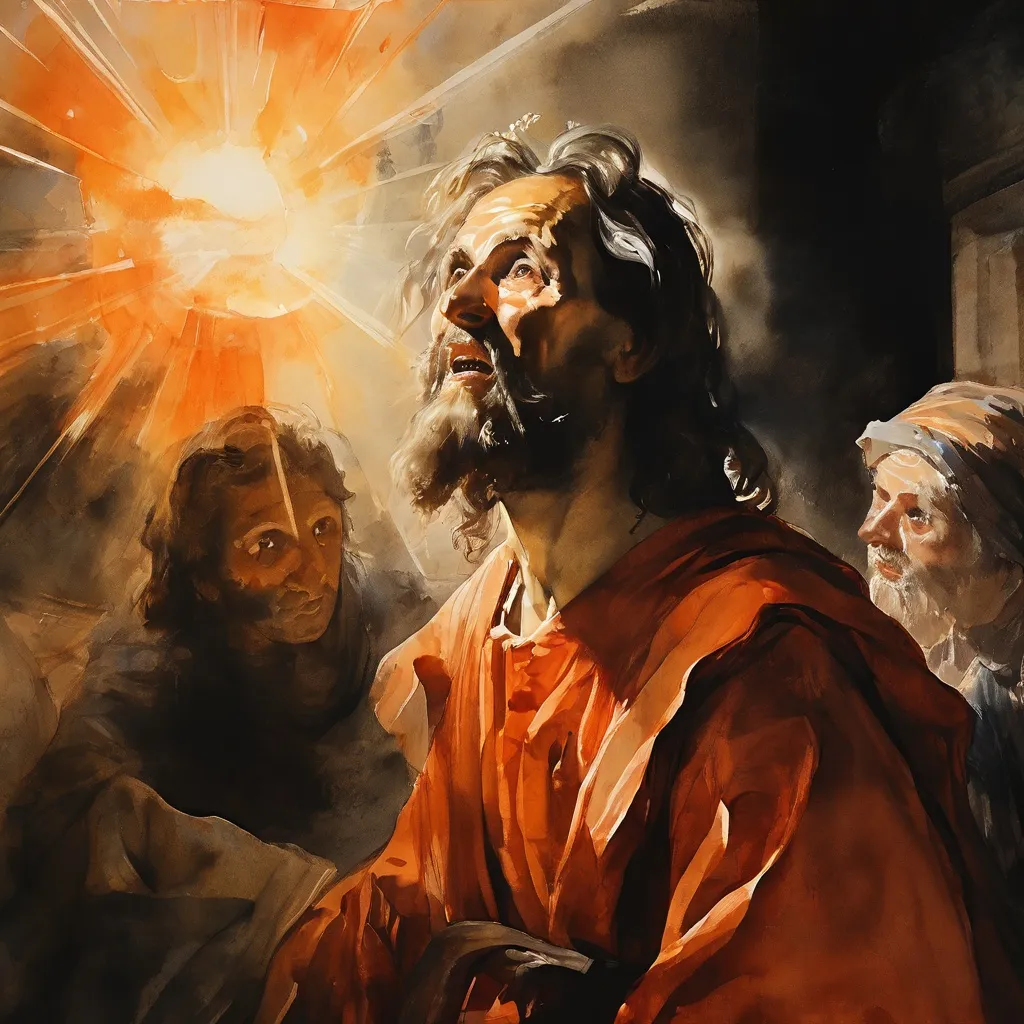
The artwork depicts a moment from the biblical narrative of the high priest Zacharias. It captures his surprise upon receiving a visit from the Archangel Gabriel in the temple. Though the angel is not visibly present, a striking light from the upper right corner signals his imminent arrival, communicating the divine message to Zacharias about the impending birth of his son, John the Baptist, despite his and his wife's advanced age. Zacharias's expression vividly conveys his incredulity at the revelation.
Journey from Obscurity to Re-evaluation
The painting's authenticity was questioned in 1960, leading to its exclusion from Rembrandt's official body of work. After being acquired by a private collector in 1961, Vision of Zacharias in the Temple remained largely inaccessible to experts for 65 years. Its recent re-emergence, facilitated by the current owner contacting the Rijksmuseum, allowed for the comprehensive study that ultimately confirmed its origins.
Rigorous Research Confirms Authenticity
Over a two-year period, researchers at the Rijksmuseum employed advanced techniques, similar to those used in the Operation Night Watch project, to examine the painting. Their analysis confirmed that all pigments used in Vision of Zacharias in the Temple are consistent with other works by Rembrandt from the same period. The painting technique and the structure of its paint layers also aligned with the artist's early methods. Macro-XRF scans and visual inspections further revealed compositional changes made by Rembrandt, supporting its authenticity. Investigations into the signature confirmed its originality, and dendrochronological analysis of the wooden panel verified the 1633 date.
Fitting into Rembrandt's Early Oeuvre
Thematically, Vision of Zacharias in the Temple aligns well with Rembrandt's artistic output during his 27th year. It shares stylistic and narrative qualities with other works from this time, such as Daniel and Cyrus Before the Idol Bel (1633), Simeon's Song of Praise (1631), and Jeremiah Lamenting the Destruction of Jerusalem (1630). This discovery enriches our understanding of Rembrandt's artistic development and his powerful ability to portray dramatic human emotion through biblical narratives.
This new addition to the Rijksmuseum's collection offers a compelling reason to visit this iconic institution. To plan your visit and discover more about the city's rich cultural offerings, Musemap (musemap.art) can help you explore other fascinating museums in Amsterdam or see what's currently on.