Amsterdam
News

Rijksmuseum Acquires Significant Rembrandt Copper Plate

News from Rijksmuseum

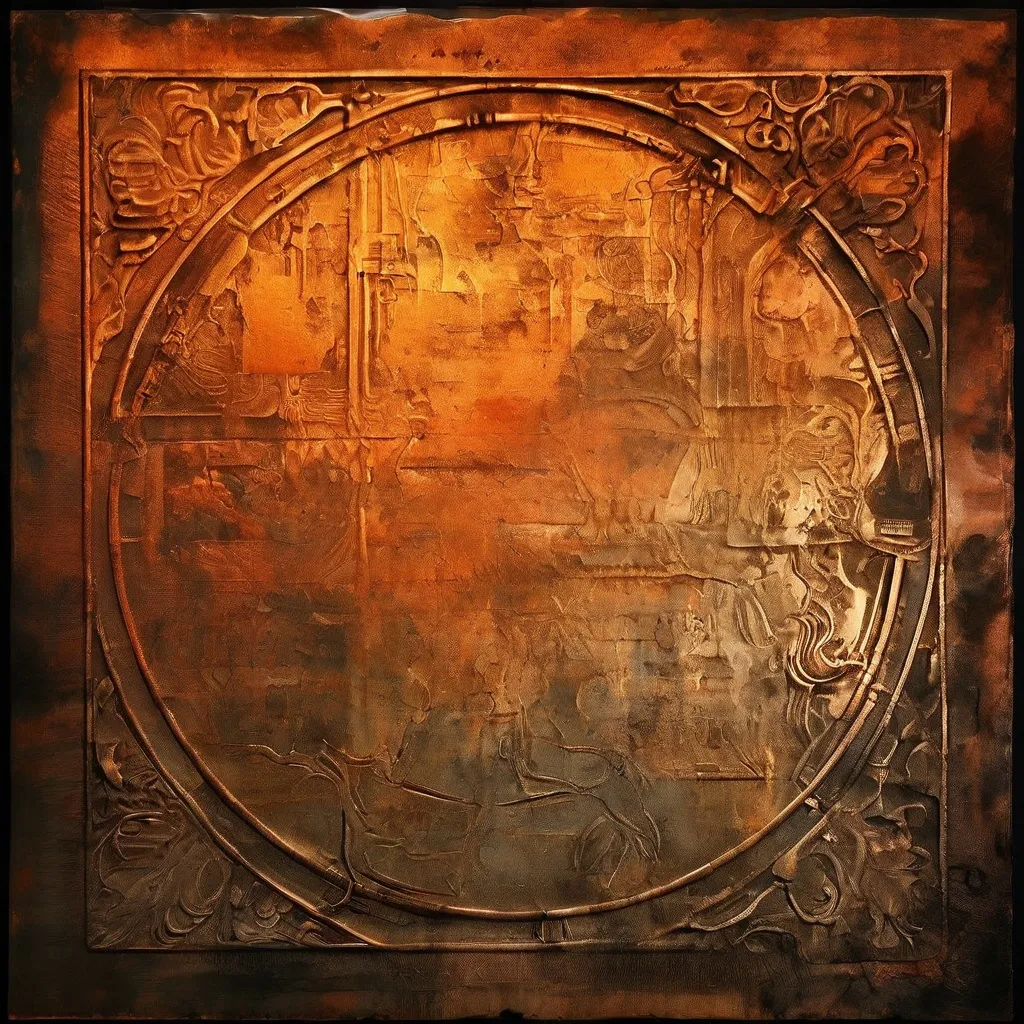
The Rijksmuseum has received a significant donation: an original copper plate created by Rembrandt in 1635 for his etching of 'The Stoning of Saint Stephen'. This acquisition adds to the museum's collection of Rembrandt's working materials, offering a tangible link to the artist's creative process. The plate is now on display as part of the 'Art in the Making' exhibition.

AcquisitionExhibitionArt HistoryPrintmaking
A close-up view of an antique Rembrandt copper plate, highlighting its etched details, presented in a museum display.

Historic Rembrandt Copper Plate Donated to Amsterdam's Rijksmuseum

The Rijksmuseum in Amsterdam has announced the donation of a rare copper plate created by Rembrandt van Rijn in 1635. This significant acquisition, depicting the stoning of Saint Stephen, was gifted by Sir Simon Schama and Dr. Virginia E. Papaioannou, enhancing the museum's collection and offering visitors a deeper insight into the renowned artist's printmaking techniques.

The newly acquired plate is immediately on display as part of the temporary exhibition "Art in the Making," located in the Rijksmuseum Print Cabinets. This special presentation allows visitors to view the physical plate alongside prints made from it, revealing the intricate process behind Rembrandt's etchings.

A Rare Addition to Dutch Public Collections

This donation marks a notable event for national art collections. Rembrandt is known to have produced 314 copper plates for his etchings during his career, which spanned from 1627 to 1665. With this gift, only seven of these original plates are now in public ownership across the Netherlands, and two of them reside within the Rijksmuseum's extensive holdings.

Sir Simon Schama, a distinguished historian and author with a focus on Rembrandt and 17th-century Netherlands, shared his sentiments on the donation. He expressed that despite a strong personal attachment to the plate for decades, he and his family felt it belonged to the public and, specifically, to the city associated with Rembrandt.

Taco Dibbits, Director of the Rijksmuseum, emphasized the importance of such artifacts. He highlighted that Rembrandt's copper plates offer a unique window into the artist's creative process, and the museum is delighted to add this seventh plate to the national public collection.

Experiencing Rembrandt's Process at the Rijksmuseum

Rembrandt’s etchings are celebrated worldwide, and the process behind them is equally fascinating. To create an etching, Rembrandt would coat a copper plate with a wax and resin mixture, then draw into this coating with a needle, exposing the copper underneath. Acid was then applied to etch the lines into the metal. After cleaning, the plate was inked and pressed onto paper to transfer the image.

The donated plate, featuring "The Stoning of Saint Stephen," provides a direct example of this artistic method. It is showcased in the display cabinet dedicated to early 17th-century prints, alongside various states or versions of prints made from the etching. These companion pieces help illustrate how Rembrandt refined his compositions over time, giving visitors a comprehensive understanding of his original artistic vision and subsequent modifications.

The Art of Printmaking: Beyond Rembrandt

The "Art in the Making" display extends beyond Rembrandt, encompassing all print cabinets within the Rijksmuseum. The exhibition traces the development of various printmaking and visual reproduction techniques through the centuries. For instance, the 16th-century cabinet features recently acquired preliminary studies by Adriaen de Weerdt, presented with his prints to illuminate the working methods of this lesser-known master.

The museum also recently received six copper plates by Adriaen van Ostade (1610-1685), which depict diverse aspects of rural life from the late 17th century. The exhibition further explores the evolution of Japanese woodcuts in the 18th century and showcases early photographic images, such as daguerreotypes, from the 19th century. These sections highlight the constant innovation and experimentation artists undertook to advance their respective mediums.

Visitors interested in delving deeper into Amsterdam's cultural offerings, including other exhibitions and museums, can explore Musemap (musemap.art) for more information. Discover other remarkable collections and current shows by browsing museums in Amsterdam or checking what's on.

Related museum topics and stories from Rijksmuseum in Amsterdam
Explore connected topics from this article
Use topics from "Rijksmuseum Acquires Significant Rembrandt Copper Plate" to discover related museum stories, film programs, and cultural events connected to Rijksmuseum in Amsterdam.
RijksmuseumRembrandt copper plateThe Stoning of Saint StephenArt in the Making exhibitionRijksmuseum acquisitionsRembrandt etchingsDutch Golden Age artPrintmaking techniquesMuseum collectionSimon Schama donationVirginia Papaioannou donation
Related visitor FAQ for this news article
Helpful answers connected to this news topic
Browse quick visitor questions shown for this article, then open the full Rijksmuseum FAQ page in Amsterdam to explore broader planning information.

What is the significance of the newly acquired Rembrandt copper plate?

The copper plate is an original tool used by Rembrandt in 1635 to create his etching of 'The Stoning of Saint Stephen'. It provides direct insight into his working methods and is one of only seven such plates now in public ownership in the Netherlands.

Where can I see the Rembrandt copper plate at the Rijksmuseum?

The copper plate is part of the temporary display 'Art in the Making', located in the Rijksmuseum Print Cabinets. This exhibition runs until May 26, 2024.

How did the Rijksmuseum obtain this Rembrandt copper plate?

The plate was generously donated to the Rijksmuseum by Sir Simon Schama and Dr. Virginia E. Papaioannou, with the aim of making it publicly accessible.

What is 'Art in the Making' exhibition about?

'Art in the Making' explores the creative processes of artists across different periods and mediums, from initial sketches to final artworks, featuring items like preliminary drawings, copper plates, and early photographic techniques.

Are there other Rembrandt copper plates at the Rijksmuseum?

Yes, with this new donation, the Rijksmuseum now holds two Rembrandt copper plates in its collection.

How were Rembrandt's etchings made using copper plates?

Rembrandt would cover a copper plate with a wax mixture, draw into it to expose the copper, and then use acid to etch the lines. The plate was inked and then pressed onto paper to create the print.

About Rijksmuseum in Amsterdam

Rijksmuseum Amsterdam Overview

Dutch Art & History Focus

ArtHistoryLocal heritage

This page offers a comprehensive overview of the Rijksmuseum, providing essential context for your visit to Amsterdam's premier national institution. Explore the Dutch masters and historical narratives before you go. Use Musemap to find other fascinating museums and cultural experiences nearby in Amsterdam.

Open full Rijksmuseum museum overview
Amsterdam

Find Museums in Amsterdam: Explore Diverse Cultural Attractions by Interest

Discover unique art, history, and science museums in the city.

Navigate Amsterdam's extensive cultural offerings to find the perfect museum for your next visit. Explore different themes and historical periods to enrich your understanding of art and heritage. Locate institutions that spark your curiosity and delve into their unique exhibits.

Explore Rijksmuseum with Amsterdam
Guides, visitor info, and museum details in Amsterdam
Find everything about Rijksmuseum in one place, including tickets, opening hours, current exhibitions, location details, visitor tips, nearby attractions, and the latest museum updates. Use these pages to plan your visit, discover what to see, and get practical information before you go.
Discover nearby museums similar to Rijksmuseum in Amsterdam and plan your next cultural stop with confidence.
These recommendations prioritize real proximity to Rijksmuseum and help you find high-fit alternatives faster across Amsterdam.
Use this curated list to compare museums near Rijksmuseum without opening multiple search pages. Each card gives you fast visual context and direct access to key details so you can decide quickly. If you are building a full day in Amsterdam, this section helps you chain nearby visits with less planning effort.