
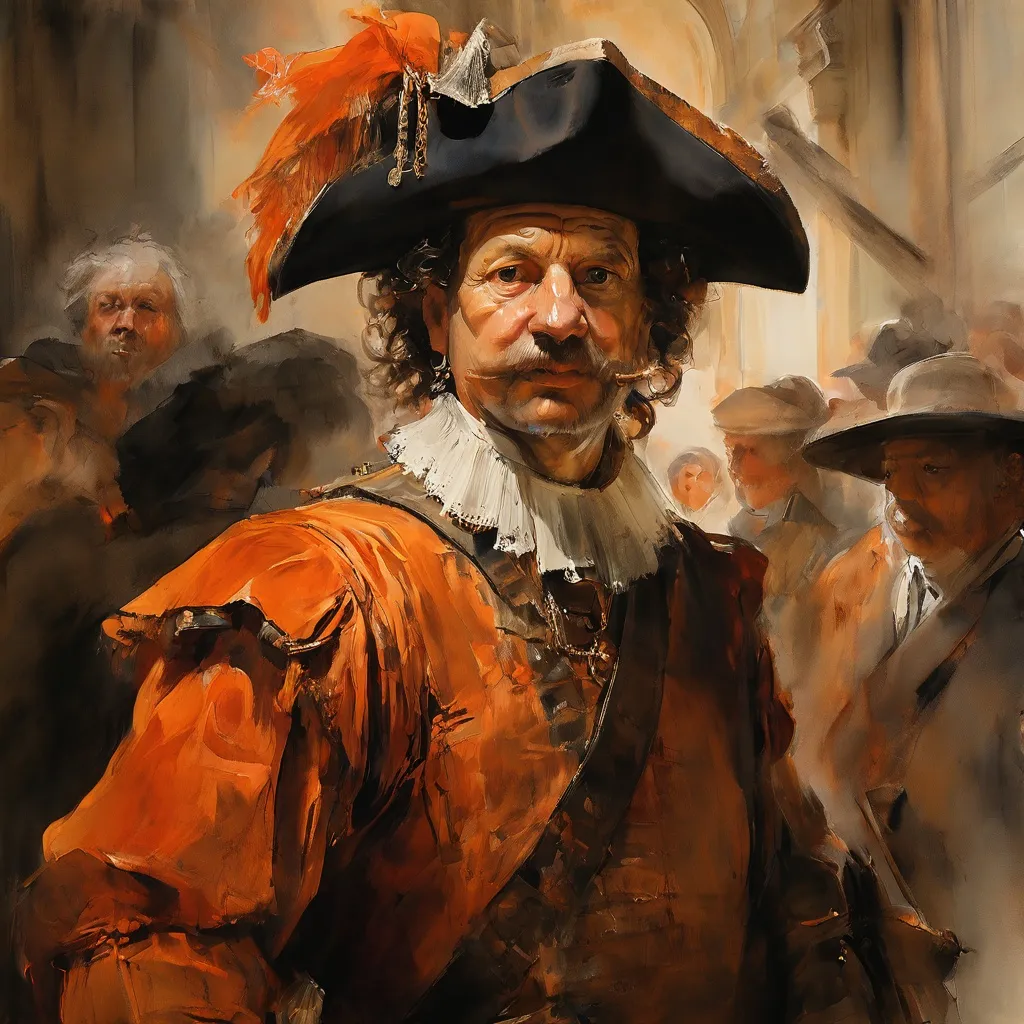
Rembrandt's 'The Standard Bearer' Now on Permanent Display at Rijksmuseum Amsterdam
Rembrandt van Rijn's significant masterpiece, The Standard Bearer (1636), has officially taken its place in the Gallery of Honour at the Rijksmuseum in Amsterdam. This iconic painting now resides permanently alongside another of the artist's celebrated works, The Night Watch (1642), marking a major enhancement to the museum's collection.
The unveiling ceremony on June 14, 2023, featured eight classes of schoolchildren who presented their own designed banners to commemorate this historic acquisition.
Experience 'The Standard Bearer' for Free
To celebrate this national acquisition, the Rijksmuseum offered a special free entry day on Saturday, June 17, allowing visitors to see the newly acquired painting without charge. This initiative aimed to make this important piece of Dutch heritage accessible to a wider audience.
A National Treasure Returns to the Netherlands
The Standard Bearer had remained in private hands for nearly four centuries before its acquisition for the national collection. Its purchase was made possible through a substantial grant of €150 million from the Dutch government, complemented by contributions from the Rembrandt Association, VriendenLoterij, and the Rijksmuseum Fund.
Taco Dibbits, general director of the Rijksmuseum, emphasized the painting's importance: “The Standard Bearer is one of Rembrandt's great self-portraits and marks his artistic breakthrough. Proud and disarming, it is a tribute to humanity. We are deeply grateful to all who have made it possible to display it in the Gallery of Honour of the Rijksmuseum, for now and forever.”
The Artwork's Historical and Artistic Significance
Painted when Rembrandt was thirty, The Standard Bearer depicts the artist in historical attire, consciously aligning himself with a northern European tradition of standard-bearer portraits by masters like Dürer, Lucas van Leyden, and Goltzius. Standard-bearers played a vital and often dangerous role in the 17th-century militia, leading troops in the Eighty Years' War – a conflict for independence that culminated in the birth of the Netherlands in 1648.
This large self-portrait showcases Rembrandt's rebellious and confident artistic style, which was a pivotal step in his career. It foreshadowed his ambition to paint a group portrait for the Amsterdam militia, a prestigious commission he would secure six years later for The Night Watch.
With this acquisition, the Rijksmuseum now holds 22 of the 44 Rembrandt paintings located in the Netherlands. The Standard Bearer is considered a crucial missing link in the comprehensive overview of Rembrandt's life and work available in the country, representing one of his first major pieces after establishing himself as an independent artist in Amsterdam.
For those interested in delving deeper into the painting's history and significance, a dedicated publication titled The Standard Bearer by Jonathan Bikker is available.
Musemap (musemap.art) helps you explore the rich cultural landscape of Amsterdam. To discover more about the city's artistic offerings, you can browse museums in Amsterdam or find other points of interest by exploring the Amsterdam map.