Amsterdam
News

Rijksmuseum Acquires Rare 17th Century Glass Goblet

News from Rijksmuseum

The Rijksmuseum has expanded its collection with a rare 17th-century gold ruby glass goblet, an early work by the renowned alchemist Johann Kunckel. This exceptional piece, celebrated for its difficult-to-achieve deep red hue and detailed engraving, will be a new highlight in the museum's displays.

AcquisitionGlassware17th Century ArtDecorative Arts
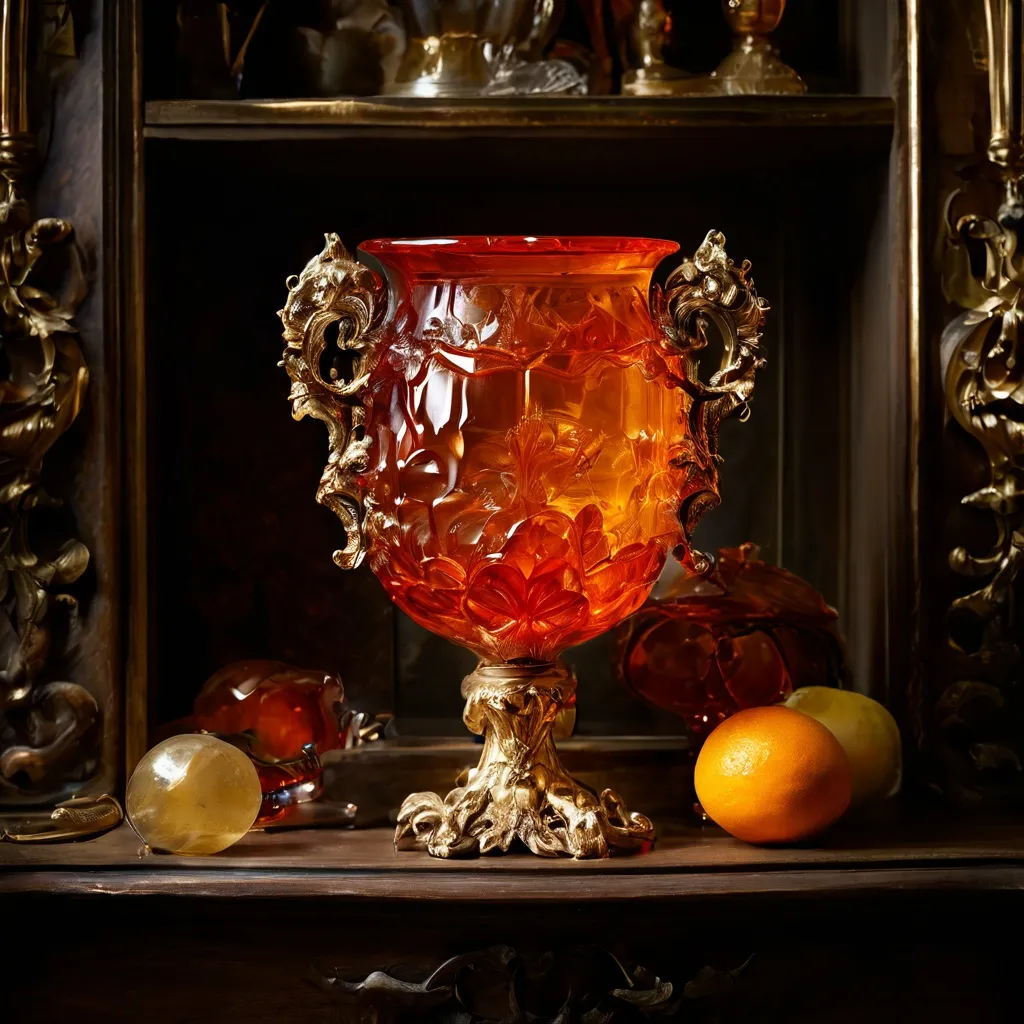
A detailed 17th-century gold ruby glass goblet with intricate cherub engravings, presented in a museum setting.

Rijksmuseum in Amsterdam Acquires Rare 17th-Century Gold Ruby Goblet

The Rijksmuseum in Amsterdam has announced the acquisition of a significant 17th-century gold ruby goblet. This unique piece, an early creation by the pioneering inventor and glassmaker Johann Kunckel, is noted for its spectacular deep red color, a hue achieved by adding gold to the glass formula. This rare object is set to become a new highlight within the museum's extensive collection, scheduled for public display later this year. The acquisition was made possible through the support of the VriendenLoterij, the Ambaum Haks Fonds / Rijksmuseum Fonds, and a private donor.

A New Highlight for Visitors: The Gold Ruby Goblet

This recently acquired goblet represents a masterful example of early glassmaking. Its striking gold ruby hue was particularly challenging to produce, making such pieces highly prized. Beyond its vibrant color, the goblet features intricate engraving attributed to master engraver Gottfried Spiller (1663-1728), known for decorating similar precious glassware. The detailed scene on the shell-shaped bowl depicts cherubs frolicking among grapevines, crafted with such precision that the material appears more like carved stone than blown glass. Such objects were often found in 17th-century "cabinets of curiosities," or Kunstkammer, which were celebrated collections of rare and wondrous items spanning nature, science, and art.

The Legacy of Johann Kunckel, Master Glassmaker

The creator of this exquisite piece, Johann Kunckel (c. 1637-1703), was an apothecary and alchemist who followed in his glassmaker father's footsteps. In 1678, while working for Frederick William, Elector of Brandenburg, Kunckel successfully developed the intricate formula for gold ruby glass. To protect his innovative process from competitors, Frederick William provided him with a secluded island near Potsdam, Pfaueninsel, where Kunckel could work in secret. His creations, renowned for both their beauty and the then-attributed magical properties of gold and ruby, were highly esteemed among European royalty. Today, only about 20 pieces from this early period of Kunckel's work are known to exist, making this shell-shaped goblet a particularly rare find.

The acquisition of such a significant historical artwork further enriches the cultural offerings in Amsterdam. To discover more about the Rijksmuseum's collection and other cultural experiences, explore Musemap (musemap.art) for museums in Amsterdam or view what's currently on exhibition.

Related museum topics and stories from Rijksmuseum in Amsterdam
Explore connected topics from this article
Use topics from "Rijksmuseum Acquires Rare 17th Century Glass Goblet" to discover related museum stories, film programs, and cultural events connected to Rijksmuseum in Amsterdam.
Rijksmuseumglass goblet acquisition17th century glasswareJohann Kunckelgold ruby glassGottfried Spiller engravingTEFAFmuseum collection highlightsDutch art historydecorative arts Rijksmuseumhistorical glass
Related visitor FAQ for this news article
Helpful answers connected to this news topic
Browse quick visitor questions shown for this article, then open the full Rijksmuseum FAQ page in Amsterdam to explore broader planning information.

What is the new acquisition at the Rijksmuseum?

The Rijksmuseum has acquired a significant 17th-century gold ruby glass goblet, an early work by the inventor and glassmaker Johann Kunckel.

What makes this glass goblet special?

The goblet is made from gold ruby glass, known for its difficult-to-achieve deep red color created by adding gold. It also features high-quality engraving attributed to master engraver Gottfried Spiller.

Who was Johann Kunckel?

Johann Kunckel (c. 1637-1703) was an apothecary and alchemist who developed a formula for gold ruby glass in the late 17th century, creating esteemed glasses and goblets for European royal circles.

When will the glass goblet be on display?

The goblet is expected to go on display in the Rijksmuseum later this year.

Where was the goblet acquired?

The significant 17th-century glass goblet was acquired at TEFAF, a major international art and antiques fair.

How was this acquisition made possible?

The acquisition was made possible through the generous support of the VriendenLoterij, the Ambaum Haks Fonds / Rijksmuseum Fonds, and a private donor.

About Rijksmuseum in Amsterdam

Rijksmuseum Amsterdam Overview

Dutch Art & History Focus

ArtHistoryLocal heritage

This page offers a comprehensive overview of the Rijksmuseum, providing essential context for your visit to Amsterdam's premier national institution. Explore the Dutch masters and historical narratives before you go. Use Musemap to find other fascinating museums and cultural experiences nearby in Amsterdam.

Open full Rijksmuseum museum overview
Amsterdam

Find Museums in Amsterdam: Explore Diverse Cultural Attractions by Interest

Discover unique art, history, and science museums in the city.

Navigate Amsterdam's extensive cultural offerings to find the perfect museum for your next visit. Explore different themes and historical periods to enrich your understanding of art and heritage. Locate institutions that spark your curiosity and delve into their unique exhibits.

Explore Rijksmuseum with Amsterdam
Guides, visitor info, and museum details in Amsterdam
Find everything about Rijksmuseum in one place, including tickets, opening hours, current exhibitions, location details, visitor tips, nearby attractions, and the latest museum updates. Use these pages to plan your visit, discover what to see, and get practical information before you go.
Discover nearby museums similar to Rijksmuseum in Amsterdam and plan your next cultural stop with confidence.
These recommendations prioritize real proximity to Rijksmuseum and help you find high-fit alternatives faster across Amsterdam.
Use this curated list to compare museums near Rijksmuseum without opening multiple search pages. Each card gives you fast visual context and direct access to key details so you can decide quickly. If you are building a full day in Amsterdam, this section helps you chain nearby visits with less planning effort.