
Amsterdam
News

Rijksmuseum Acquires Significant 17th-Century Salt Cellars by Johannes Lutma

News from Rijksmuseum

The Rijksmuseum has acquired four remarkable 17th-century silver salt cellars crafted by renowned silversmith Johannes Lutma. These recently restituted objects represent a significant achievement in Dutch silversmithing and are a testament to rectifying historical injustices.

AcquisitionRestitutionSilverware17th Century Art
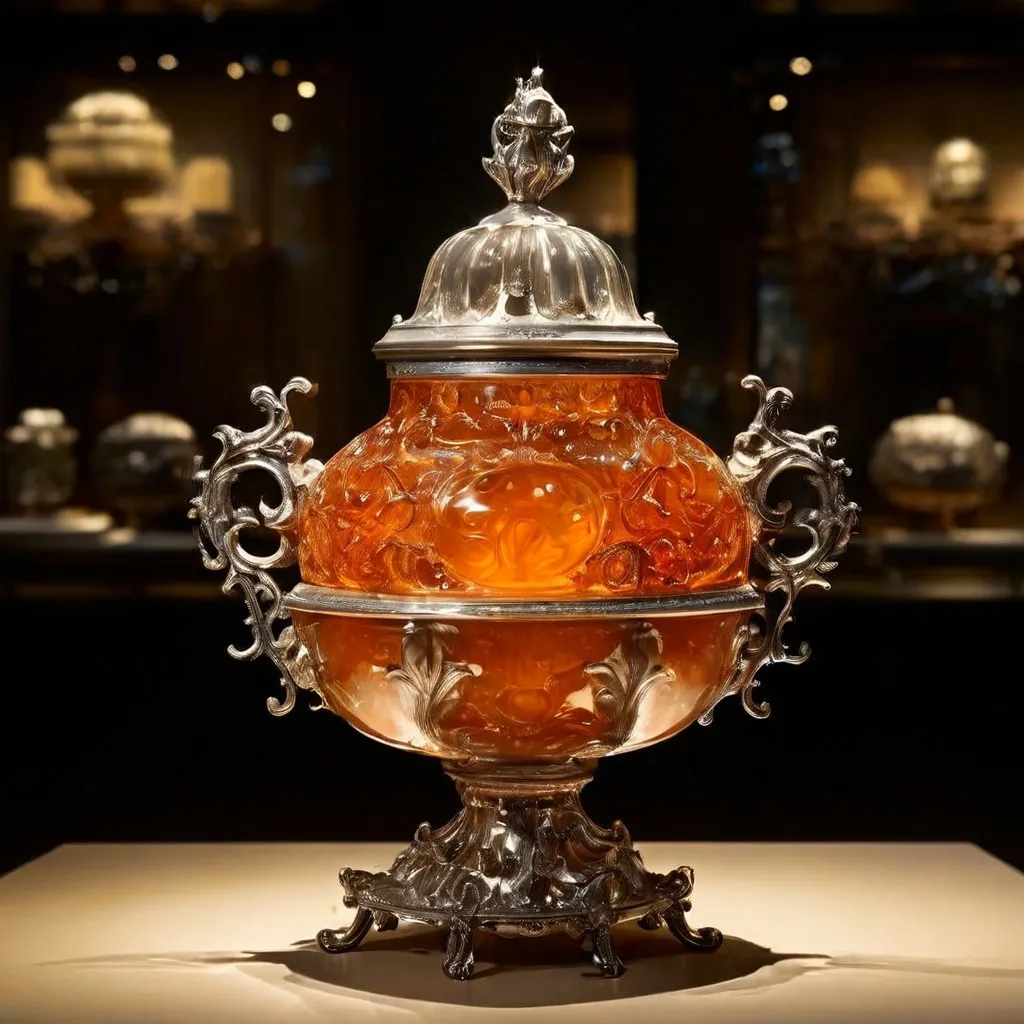
An ornate 17th-century silver salt cellar, representative of the Johannes Lutma collection at the Rijksmuseum, displayed elegantly in a museum setting.

Rijksmuseum in Amsterdam Acquires Historic Johannes Lutma Salt Cellars After Restitution

The Rijksmuseum in Amsterdam has announced the acquisition of four significant silver salt cellars created by the renowned 17th-century silversmith Johannes Lutma. This acquisition follows a recent restitution process, ensuring these important works, which were formerly part of a Jewish family's collection and involuntarily sold during the Nazi era, are now permanently housed in the national museum. The partially gilded objects are considered premier examples of Dutch silversmithing from their period.

Visitors will have the opportunity to see these four salt cellars on public display at the Rijksmuseum starting September 6, 2023. The special presentation will not only showcase the artistic mastery of Lutma but also highlight the profound historical journey of the objects, including the story of their previous owner, Emma Budge.

A Glimpse into 17th-Century Amsterdam Craftsmanship

Johannes Lutma (1584-1669) was a leading silversmith in Amsterdam during the 17th century, known for his masterful work and influential style. He was a contemporary and associate of famous figures like Rembrandt, who famously etched Lutma's portrait, and the poet Joost van den Vondel. The acquired salt cellars stand out as pivotal pieces in Lutma's surviving oeuvre, showcasing his innovative blend of the ornate auricular style with a classical aesthetic. The silversmith himself regarded these as breakthrough works, even featuring an early version of them in his 1638 portrait by Jacob Adriaensz Backer, which is also part of the Rijksmuseum collection and will be displayed alongside the cellars.

The complete ensemble of four is particularly rare, demonstrating Lutma's ability to design a cohesive set of objects that were produced over several years. Their consistent design, particularly in the feet, unifies the pieces, while subtle differences in figures and salt dishes give each pair a distinct character. Such elaborate and costly items graced the tables of affluent art collectors, civic militias, and naval institutions during significant banquets.

Rectifying a Historical Injustice: The Restitution Process

Prior to World War II, the four salt cellars belonged to Emma Budge (1852-1937), a Jewish art collector from Hamburg, Germany, who, with her husband Henry Budge, amassed an extensive art collection. Following Emma Budge's death in 1937, her estate was sold at an "Aryanized" auction in Berlin. The proceeds were unlawfully confiscated by the Nazi party, rather than reaching her heirs.

In the decades that followed, two of the salt cellars entered the Rijksmuseum's collection in the 1960s, while the other two were held by the Amsterdam Museum. Concerns about the provenance of the objects led to investigations by both museums, culminating in the Dutch Restitutions Committee's conclusion in 2018 that the 1937 auction was involuntary. This decision paved the way for the objects' return to Budge’s descendants.

Following this recommendation, the descendants submitted a claim, leading to the formal return of the salt cellars by the Dutch state and the City of Amsterdam on May 12, 2023. On the same day, the heirs sold all four pieces to the Rijksmuseum, ensuring their public accessibility and allowing the museum to highlight both their artistic value and the compelling story of their provenance and restitution.

The Rijksmuseum has been actively engaged in provenance research since 2012, with a dedicated team investigating objects suspected of involuntary removal from Jewish ownership under Nazi persecution. This vital work aims to expose instances of theft and forced sales, making these stories public and integrating the human and family histories into the broader narrative of Dutch national history.

This significant acquisition was made possible through the generous financial support of the Friends Lottery, the Mondriaan Fund, the Rembrandt Association, and private benefactors via the Rijksmuseum Fonds.

To discover more about cultural institutions and current exhibitions in Amsterdam, explore Musemap (musemap.art) for detailed guides and listings. You can browse other museums in Amsterdam or see what's on during your visit.


Related museum topics and stories from Rijksmuseum in Amsterdam
Explore connected topics from this article
Use topics from "Rijksmuseum Acquires Significant 17th-Century Salt Cellars by Johannes Lutma" to discover related museum stories, film programs, and cultural events connected to Rijksmuseum in Amsterdam.
RijksmuseumJohannes Lutma17th-century salt cellarsDutch silversmithingart acquisitionrestitution artNazi-looted artEmma Budgesilverware collectionmasterpiecesAmsterdam art historyRijksmuseum exhibitions
Related visitor FAQ for this news article
Helpful answers connected to this news topic
Browse quick visitor questions shown for this article, then open the full Rijksmuseum FAQ page in Amsterdam to explore broader planning information.

What are the newly acquired salt cellars by Johannes Lutma?

The Rijksmuseum has acquired four ornate, partially gilded silver salt cellars created by Johannes Lutma, a prominent 17th-century Amsterdam silversmith. These pieces are considered masterpieces of Dutch silversmithing.

What is the historical significance of these salt cellars?

These salt cellars are historically significant as they are rare surviving examples of Lutma's virtuosic work, combining auricular style with classical elements. They were part of a larger ensemble and are notable for their intricate detailing and art historical value.

What is the restitution story behind the acquisition?

The salt cellars were originally owned by Emma Budge, a Jewish collector whose property was sold under duress by the Nazis. Following a Dutch Restitutions Committee recommendation, they were returned to her descendants, who then sold all four to the Rijksmuseum.

When can visitors see the salt cellars at the Rijksmuseum?

The complete ensemble of four salt cellars will be placed on public view at the Rijksmuseum starting September 6, 2023.

Who was Johannes Lutma?

Johannes Lutma (1584-1669) was Amsterdam's leading silversmith in the 17th century, known for his unique style and admired by contemporaries like Rembrandt. Little of his work has survived, making these acquisitions particularly important.

How was the acquisition of these salt cellars funded?

The acquisition was made possible through financial support from the Friends Lottery, the Mondriaan Fund, the Rembrandt Association, and private benefactors via the Rijksmuseum Fonds.

About Rijksmuseum in Amsterdam

Rijksmuseum Amsterdam Overview

Dutch Art & History Focus

ArtHistoryLocal heritage

This page offers a comprehensive overview of the Rijksmuseum, providing essential context for your visit to Amsterdam's premier national institution. Explore the Dutch masters and historical narratives before you go. Use Musemap to find other fascinating museums and cultural experiences nearby in Amsterdam.

Open full Rijksmuseum museum overview
Amsterdam

Find Museums in Amsterdam: Explore Diverse Cultural Attractions by Interest

Discover unique art, history, and science museums in the city.

Navigate Amsterdam's extensive cultural offerings to find the perfect museum for your next visit. Explore different themes and historical periods to enrich your understanding of art and heritage. Locate institutions that spark your curiosity and delve into their unique exhibits.

Explore Rijksmuseum with Amsterdam
Guides, visitor info, and museum details in Amsterdam
Find everything about Rijksmuseum in one place, including tickets, opening hours, current exhibitions, location details, visitor tips, nearby attractions, and the latest museum updates. Use these pages to plan your visit, discover what to see, and get practical information before you go.
Discover nearby museums similar to Rijksmuseum in Amsterdam and plan your next cultural stop with confidence.
These recommendations prioritize real proximity to Rijksmuseum and help you find high-fit alternatives faster across Amsterdam.
Use this curated list to compare museums near Rijksmuseum without opening multiple search pages. Each card gives you fast visual context and direct access to key details so you can decide quickly. If you are building a full day in Amsterdam, this section helps you chain nearby visits with less planning effort.