Rijksmuseum Amsterdam Acquires Maria Sibylla Merian's Seminal Work
The Rijksmuseum in Amsterdam has announced the significant acquisition of a first edition of Maria Sibylla Merian’s Metamorphosis Insectorum Surinamensium. This landmark publication, initially released in 1705, is widely recognized as Merian’s masterpiece and a highlight of 18th-century Dutch book artistry. The acquisition, confirmed on August 28, 2024, was made possible through the generous support of the Friends’Lottery and various funds under the Rijksmuseum Fonds.
A New Highlight for Visitors to the Rijksmuseum
Visitors to the Rijksmuseum have a unique opportunity to see this newly acquired masterpiece. As of October 23, 2024, Metamorphosis Insectorum Surinamensium is currently on display in Room 1.1 of the museum. This presentation offers a chance to engage with a work that curators describe as fulfilling a long-held wish for the institution, connecting with the museum's commitment to telling diverse stories through art and history. The book's artistic quality and innovative scientific approach, especially within its historical and colonial context, make it a pivotal addition to the collection. The display is scheduled to run until March 31.
Maria Sibylla Merian: A Pioneer in Natural History
German-born artist and naturalist Maria Sibylla Merian (1647-1717) demonstrated an early fascination with insects. Her groundbreaking work involved breeding caterpillars and meticulously documenting their transformation into butterflies within their natural environments—a practice she was among the first to undertake. After a period living in a Labadist Protestant community, Merian settled in Amsterdam. In 1699, she embarked on a significant journey to Suriname with her youngest daughter, Dorothea Graff, specifically to study local insect life. Her experiences and observations from this expedition directly informed Metamorphosis Insectorum Surinamensium.
Exploring Metamorphosis Insectorum Surinamensium
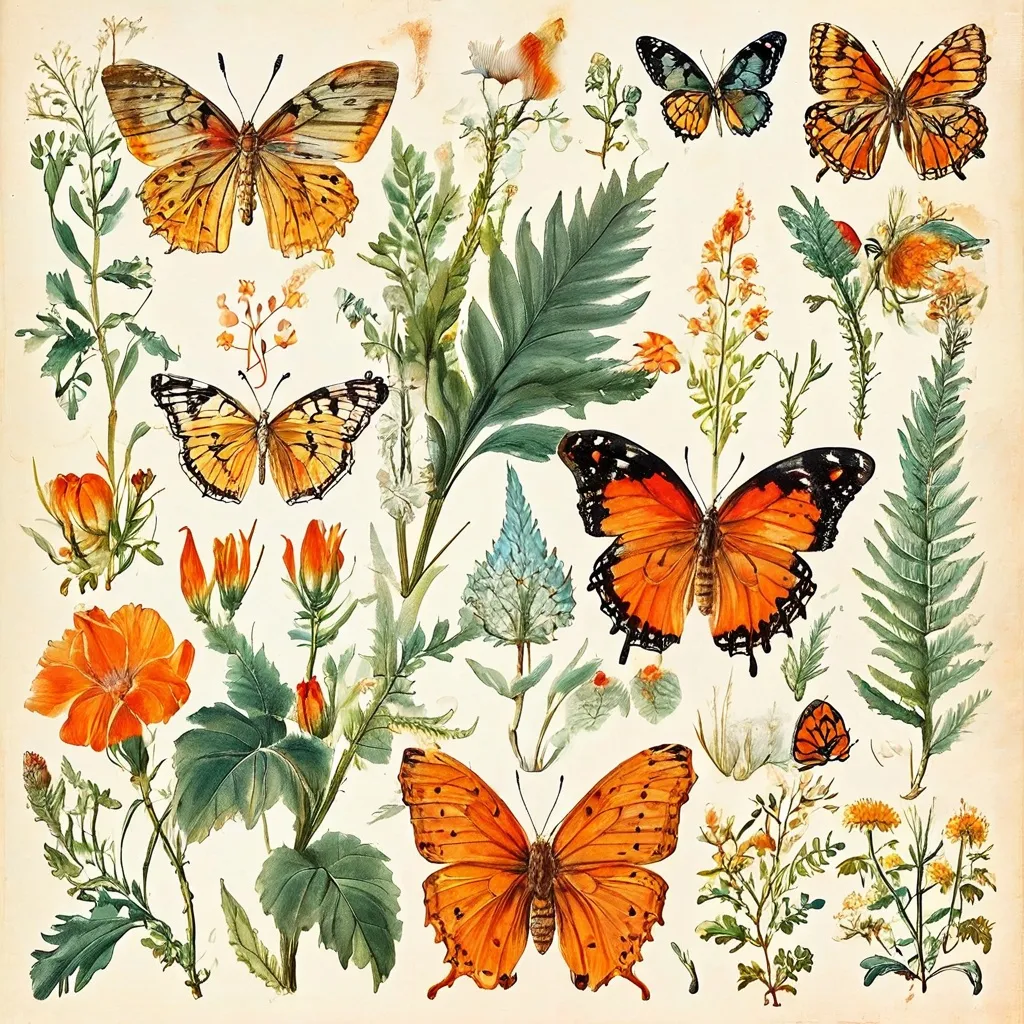
Published upon her return to the Netherlands, Merian's Metamorphosis features 60 exquisite hand-coloured plates. These illustrations vividly depict various creatures, including caterpillars, butterflies, and spiders, using deep and rich hues. The book was published with accompanying text in either Latin or Dutch, catering to individual buyers. Significantly, Merian's descriptions also shed light on the circumstances of her research, acknowledging her reliance on the knowledge shared by enslaved people and the indigenous inhabitants of Suriname during her studies.
This important addition joins other works by Merian already held within the Rijksmuseum Research Library, which houses the Netherlands' most extensive collection of art-historical texts. The library has held Merian's Der Raupen wunderbare Verwandelung und sonderbare Blumen-nahrung (1679-1683) since 1900, alongside other posthumously published volumes such as De Europische insecten (1730) and Over de voortteeling en wonderbaerlijke veranderingen der Surinaamsche insecten (1730).
To discover more about the Rijksmuseum's collections or to plan your next cultural visit, explore what's currently on offer or browse other museums in Amsterdam on Musemap (musemap.art).