Rijksmuseum Amsterdam Acquires Historic Claus Sluter Sculpture
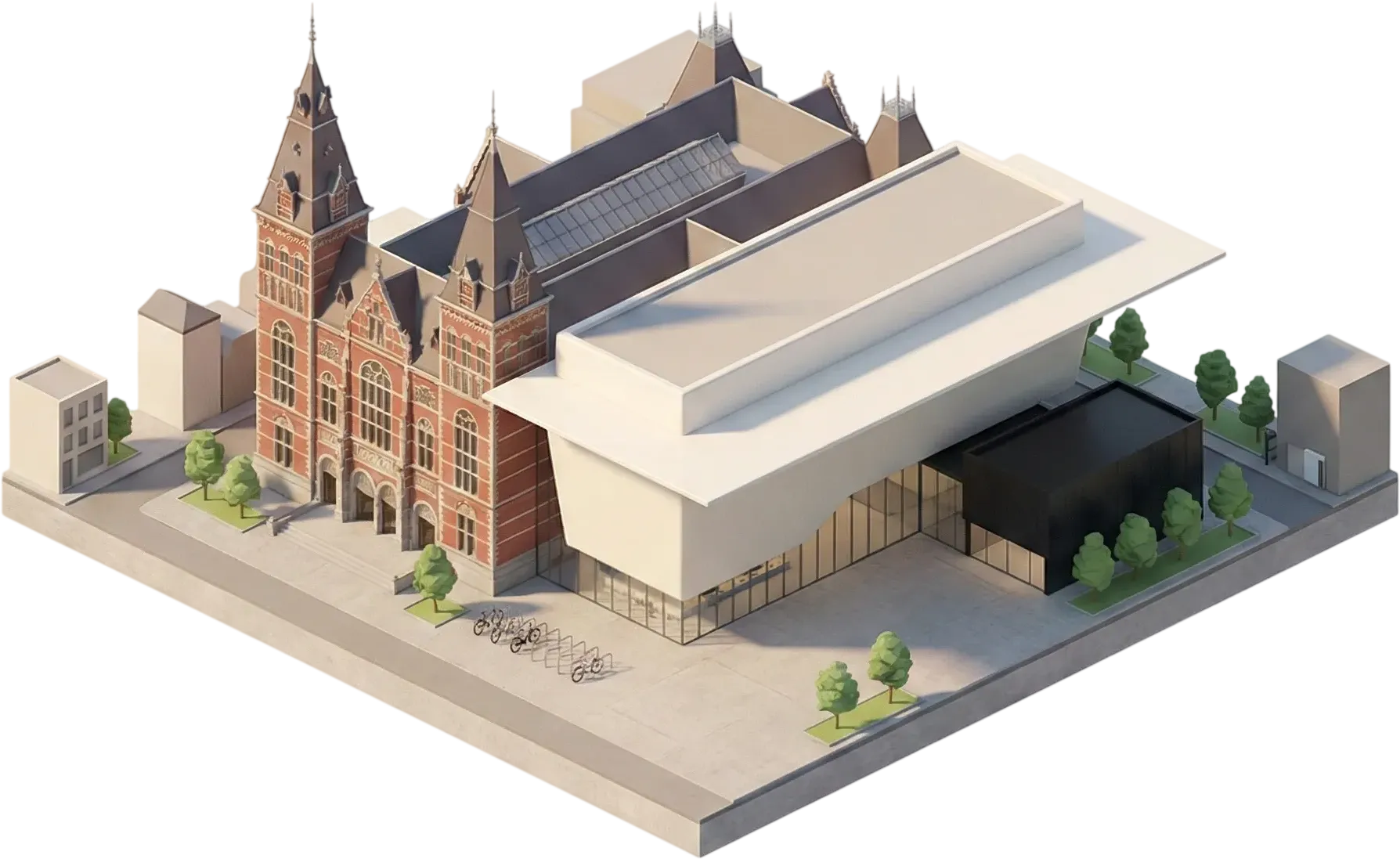
The Rijksmuseum in Amsterdam has announced a significant new addition to its collection: a remarkable sculptural work attributed to Claus Sluter, widely regarded as the father of Dutch sculpture. Acquired in March 2021, this exceptional boxwood figure, dating from the Burgundian Netherlands period (approximately 1384 to 1482), marks the first work by Sluter to be held in a Dutch public collection.
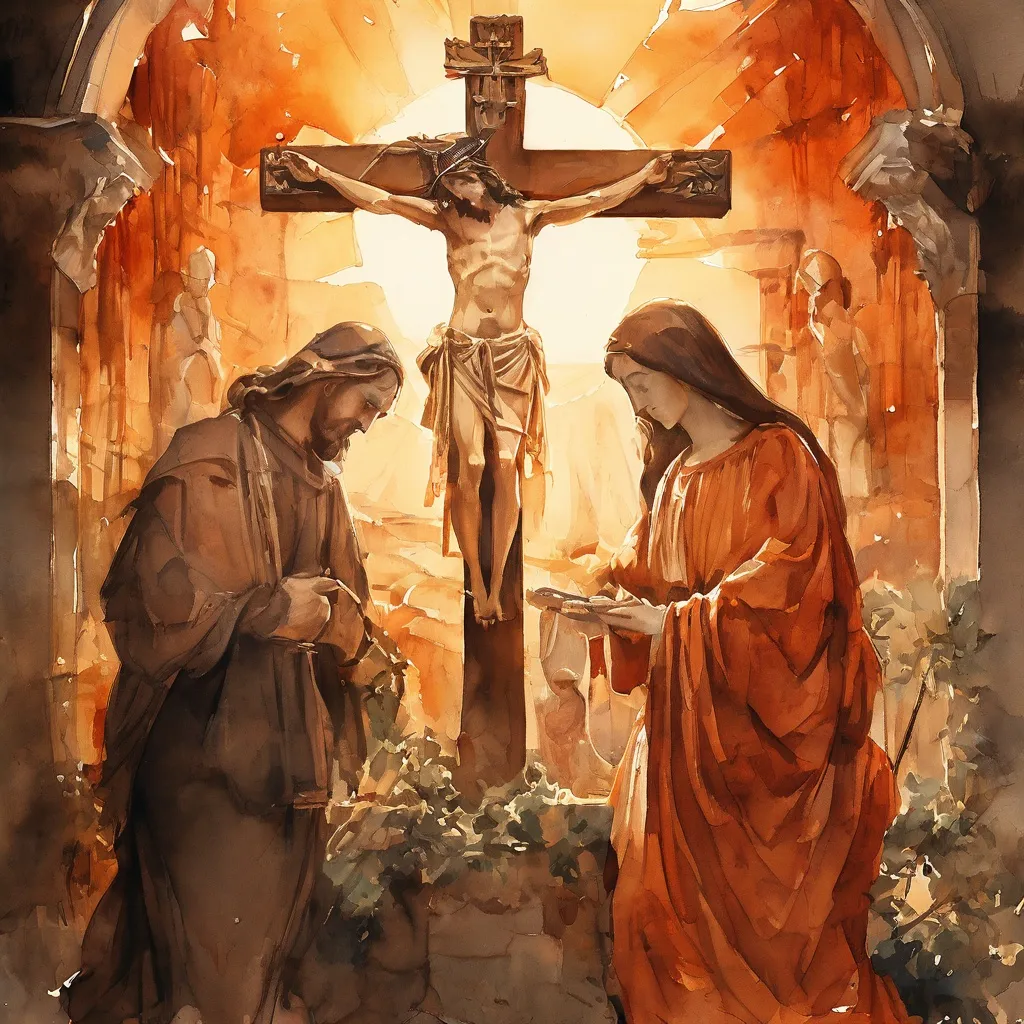
The newly attributed sculpture, depicting a 'Calvary' scene of Christ's crucifixion with Mary and John the Evangelist, went on public display at the Rijksmuseum on August 25, 2021. Its acquisition fulfills a long-standing aspiration for the museum to showcase a piece by this pivotal early Dutch artist.
A Rare Work by the Father of Dutch Sculpture
Claus Sluter, born in Haarlem around 1350 and active until his death in 1406, was an influential innovator in medieval art. He introduced an unprecedented level of realism and emotional depth into sculpture, setting him apart from his contemporaries. From 1385, Sluter served as the court sculptor to Philip the Bold in Dijon, France, where he created his three known major works: the portal sculptures at Champmol monastery church, the duke's funerary monument, and the famous Well of Moses.
The 'Calvary' sculpture, standing at 57 centimeters tall, offers a new perspective on Sluter's oeuvre by revealing his mastery in smaller, more intimate wooden works. Its modest size suggests it was likely intended for personal devotion in a private setting, possibly within the Burgundian court itself.
Unlocking the Attribution: Research and Details
The Rijksmuseum purchased the sculpture with a strong belief in its early 15th-century origins within the Burgundian court in Dijon. Extensive research and consultations with various specialists gradually solidified the attribution to Sluter. Experts noted striking stylistic resemblances to Sluter's renowned works in Dijon, alongside a unique combination of specific motifs present in the 'Calvary'.
Key details supporting the attribution include the sculpture's naturalistic, slightly crooked tree trunk for the cross, the depiction of a lioness with her cubs in a hollow beneath the tree (a rare medieval symbol for Christ's resurrection), and the intricately woven crown of thorns on the Christ figure. Further scientific analysis, including Carbon-14 dating, conclusively established that the boxwood used for the 'Calvary' dates back to the 14th century, aligning with Sluter's active period. Interestingly, an almost exact copy of this 'Calvary' was made in Cologne in the mid-19th century and is currently part of an English museum's collection, testifying to its historical recognition.
Experiencing 'Calvary' at the Rijksmuseum
Visitors to the Rijksmuseum in Amsterdam can now experience this significant work by Claus Sluter. The acquisition was made possible through the generous support of the Mondriaan Fund, the Vereniging Rembrandt (including its dedicated Fonds van de Utrecht & Gooi Cirkel, Themafonds Beeldhouwkunst, and Schoufour-Martin Fonds), and private donors via the Rijksmuseum Fonds.
Sluter's innovative realist style was celebrated by art historians around 1900 as a precursor to 17th-century Dutch painting, particularly influencing figures like Rembrandt. This connection is underscored by Sluter's commemoration in several locations within the Rijksmuseum’s 19th-century building, including a large tile tableau, a relief, a stained-glass window, and a prominent spot in the Gallery of Honour.
Discover more about the rich history and diverse collections at the Rijksmuseum and other cultural highlights in the city. You can browse other museums in Amsterdam or explore current exhibitions and events through Musemap (musemap.art) for more cultural experiences.