
Rijksmuseum Amsterdam Returns Colonial Objects to Sri Lanka
The Rijksmuseum in Amsterdam has announced its decision to return six colonial-era objects from its collection to Sri Lanka, marking a significant step in the museum's ongoing efforts regarding restitution. The move follows extensive provenance research and recommendations from the Advisory Committee on the Return of Cultural Objects from Colonial Context. This restitution is the first of its kind for the Rijksmuseum, signaling a new approach to managing its historical collections.
The six items slated for return include two swords, two rifles, a dagger, and the notably ornate Cannon of Kandy. General Director of the Rijksmuseum, Taco Dibbits, expressed appreciation for the decision by the Dutch Secretary of State, viewing this restitution as a positive development in international cooperation and historical understanding between the two nations.
The Cannon of Kandy: A Highlighted Return
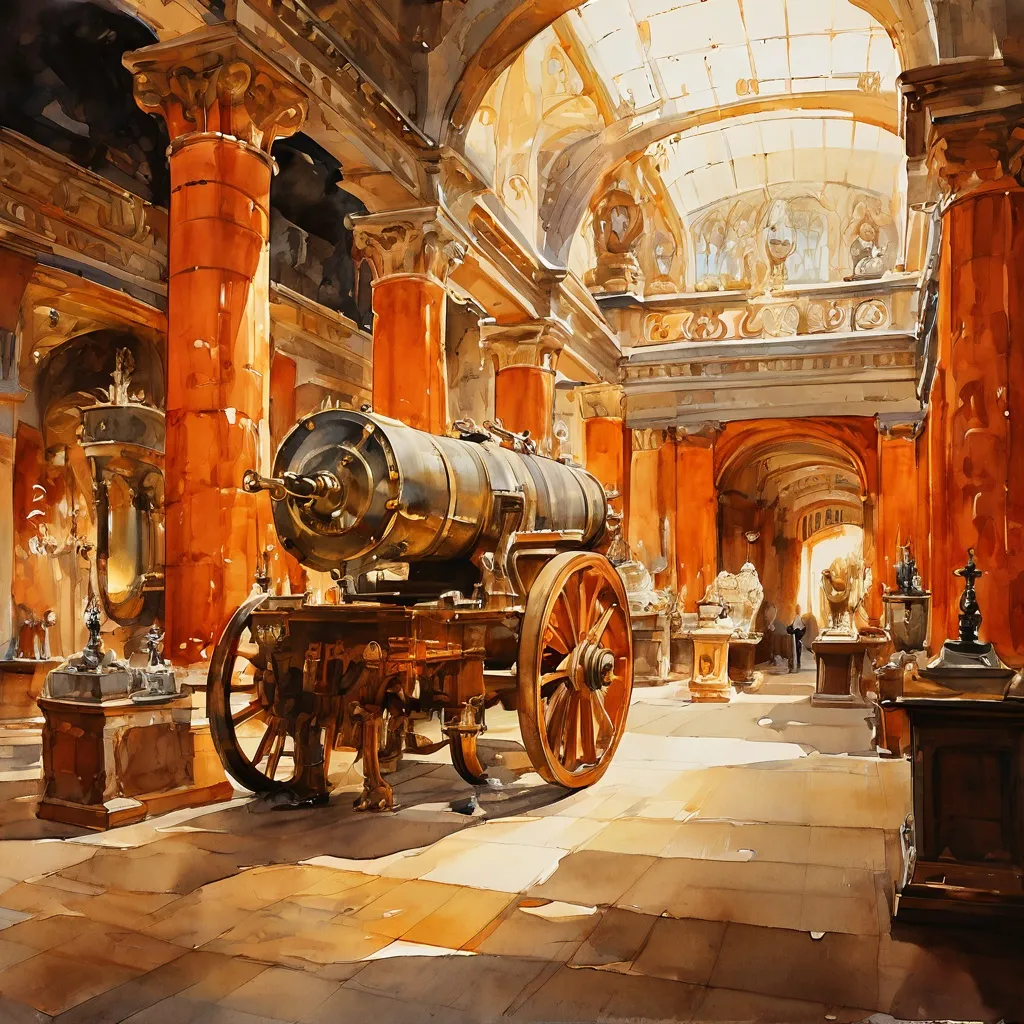
Among the objects to be returned, the Cannon of Kandy stands out for its craftsmanship and historical significance. Crafted from bronze, silver, and gold, and adorned with rubies, its barrel bears the symbols of the King of Kandy: a sun, a half-moon, and a Sinhalese lion. This ceremonial cannon, likely used to welcome important visitors with salute shots, was looted by troops from the Dutch East India Company (VOC) during the siege of Kandy in 1765. It later became part of William V, Prince of Orange’s cabinet of curiosities in The Hague before joining the Rijksmuseum's collection in 1800.
Museum’s Dedication to Provenance Research
The Rijksmuseum initiated its investigations into the provenance of colonial objects in 2017, working in collaboration with researchers from countries of origin. In 2019, the Ministry for Education, Culture and Science (OCW) launched the "Pilot Provenance Research on Objects of the Colonial Era" (PPROCE). This two-year project involved the NIOD Institute for War, Holocaust and Genocide Studies, the National Museum of World Cultures (NMVW), and the Rijksmuseum, with the aim of establishing a robust methodology for provenance research in partnership with originating countries. The decision to return the objects to Sri Lanka was made after Sri Lanka submitted a claim, and the Dutch Secretary of State for Culture and Media approved the Advisory Committee's recommendations. More information on this research can be found on the Provenance Research Colonial Collections page.
The objects identified for return are:
- Cannon, before 1745, bronze, silver, gold, rubies, wood
- Two wall guns (gingals), ca. 1724-60, wood, iron, brass
- Two sabres (kasthānés), before 1765, wood, iron, silver, stone/wood, iron, gold, diamonds, rubies
- Knife (pihiya), before 1765, wood, iron, gold, rock-crystal
As the Rijksmuseum continues to review its extensive collections and engage with critical historical contexts, visitors to Amsterdam can still experience the museum's vast offerings. To explore more about the Rijksmuseum or other cultural institutions, visit Musemap (musemap.art) or discover other museums in Amsterdam.