Rijksmuseum in Amsterdam Explored the Grand Scale of Paper Art with 'XXL Paper' Exhibition
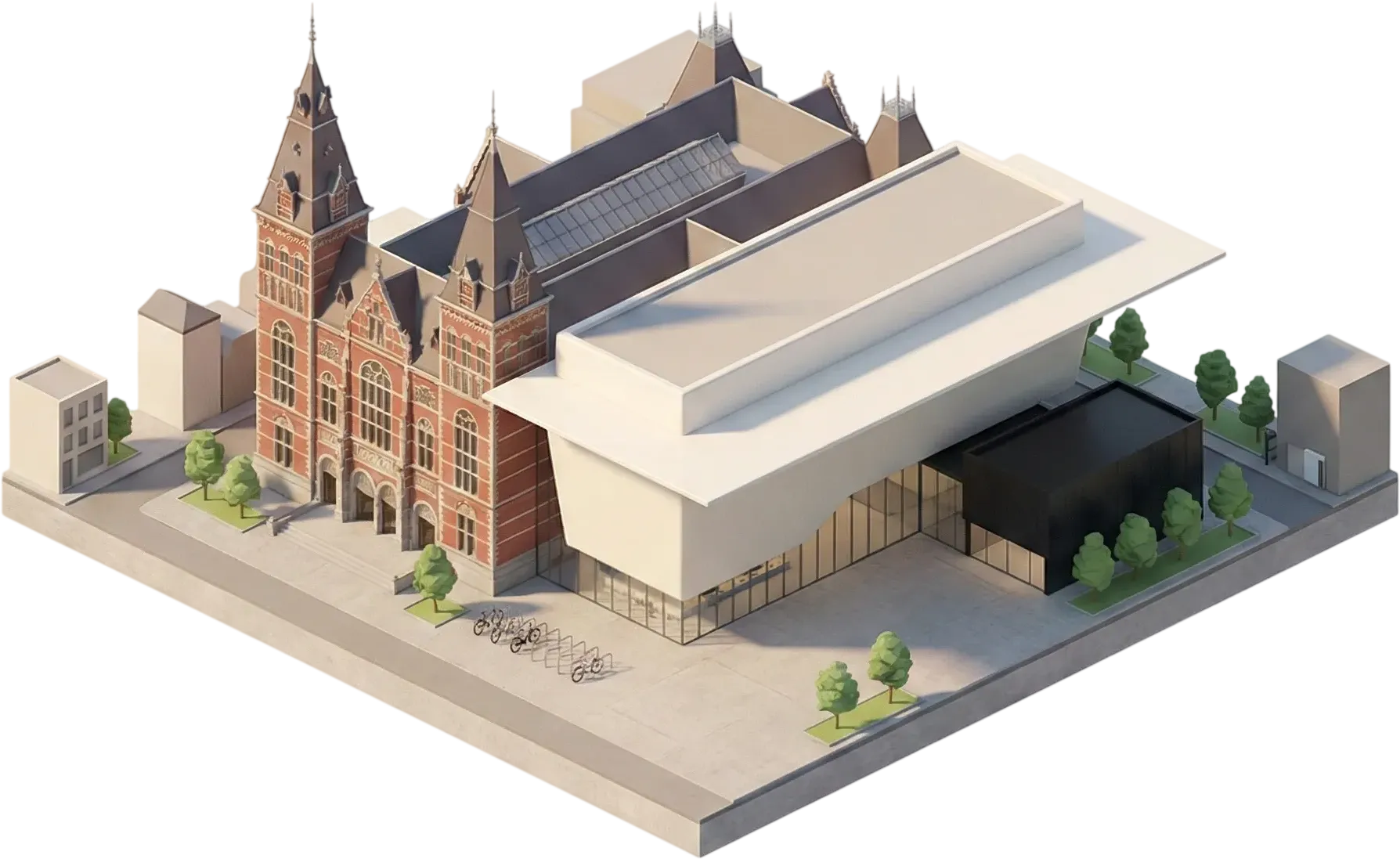
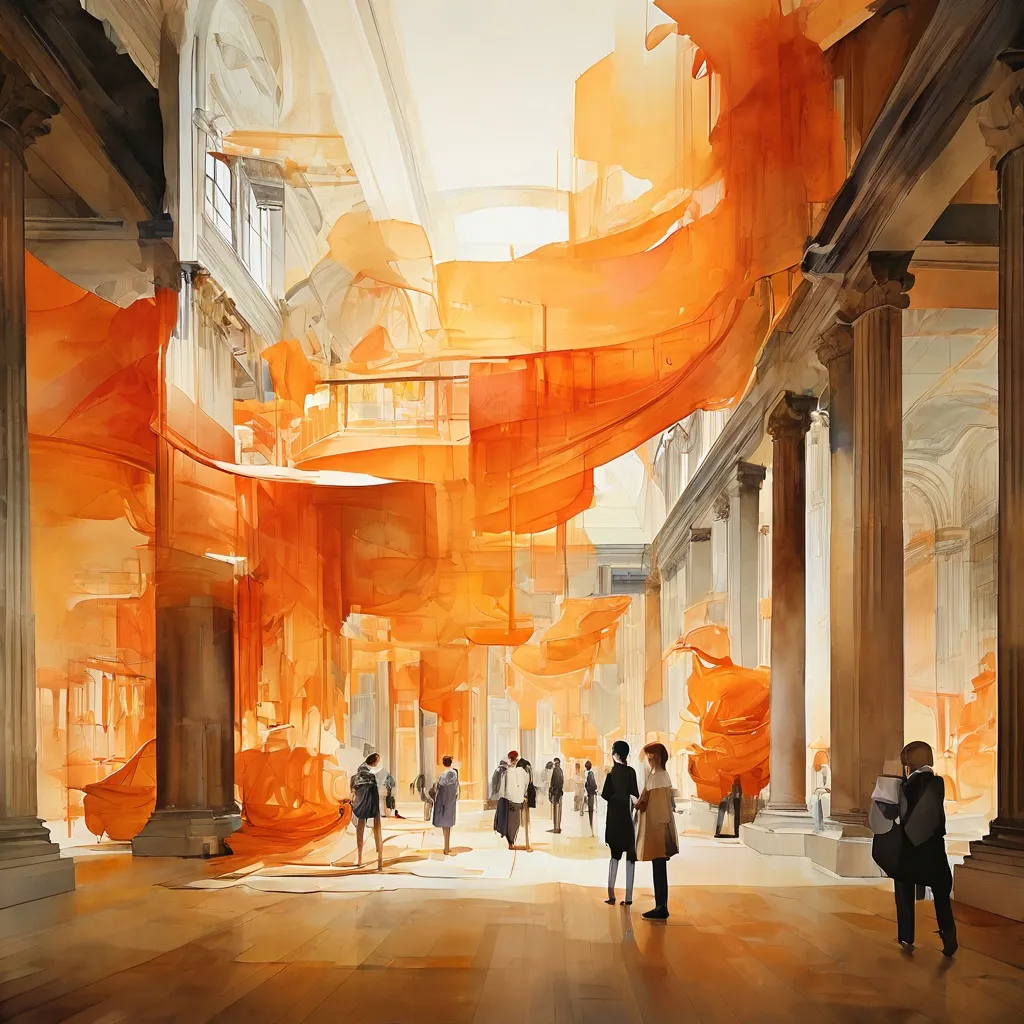
The Rijksmuseum in Amsterdam presented a unique exhibition titled 'XXL Paper – Big, bigger, biggest!' which ran from July 1 to September 4, 2022. This special showcase brought together some of the largest works on paper from the museum's extensive collection, many of which had rarely, if ever, been publicly displayed due to their immense size and delicate nature. Visitors had the opportunity to discover monumental pieces ranging from historical prints to modern photographs and design drawings, offering a fresh perspective on art crafted on paper.
Unveiling Hidden Treasures from the Collection
A highlight of the 'XXL Paper' exhibition was the rediscovery of a vast hand-painted cyclorama, a continuous panoramic painting, measuring no less than 23 meters long. This impressive piece had been stored in the museum's depot for decades, mistakenly cataloged as a 'wall hanging.' Through detailed research and preparation for the exhibition, its true nature as part of a grand 19th-century moving panorama depicting European landscapes was revealed. This cyclorama, along with a 16-meter print from 1651 illustrating the funeral procession of Frederick Henry, Prince of Orange, offered a testament to the scale and ambition of paper art throughout history. According to Taco Dibbits, Director of the Rijksmuseum, the exhibition presented artworks that were not only impressive in size but also remarkably diverse and beautiful, many of which had never been seen before by the public due to their fragility.
The Intricate Nature of Monumental Paper Works
Paper offers distinct advantages as an artistic medium, being relatively affordable and easily reproducible through various printing techniques. Artists could also join multiple sheets to create vast compositions. However, its inherent fragility also means that large paper works are susceptible to damage and deterioration, leading to the loss of many such pieces over centuries. This vulnerability makes the surviving monumental works showcased in 'XXL Paper' exceptionally rare. An example highlighted was a unique 1650 paper altarpiece, "Calvary with the Virgin Mary, John the Baptist and Mary Magdalen," demonstrating the preciousness of these historical artifacts.
Tracing Paper Art Through the Centuries
The exhibition covered a broad historical span, featuring works from the 16th century to the present day. Early exhibits included an almost seven-meter-tall woodcut of Emperor Charles V's family tree, dating from around 1535. Juxtaposed with these historical works were contemporary pieces, such as Sanne Peper’s photograph "Gunkanjima" and Jacobien de Rooij’s drawing "De nachtwolken drijven het vergetene mee" (The night-time clouds carry off the forgotten one), which measures 306 x 606 cm.
Paper's role in the design process was also explored, with the inclusion of several actual-size design drawings, known as 'cartons,' created for stained glass windows and tapestries. Examples included 16th-century designs for the windows of the St Bavokerk in Haarlem and 20th-century drawings by Richard Roland Holst for St Martin's Cathedral in Utrecht. These massive preparatory works not only impressed with their scale but also illustrated the enduring craft of stained glass making across 400 years. The conservation of the cyclorama, a key feature of the exhibition, received support from the Bank ten Cate & Cie. Fund/Rijksmuseum Fund.
The 'XXL Paper' exhibition at the Rijksmuseum offered visitors a rare chance to engage with a hidden facet of art history, showcasing the often-overlooked grandeur and vulnerability of large-scale works on paper. To explore other cultural institutions and discover more of what Amsterdam has to offer, you can browse museums in Amsterdam or explore the Amsterdam cultural map on Musemap (musemap.art).